
 EN
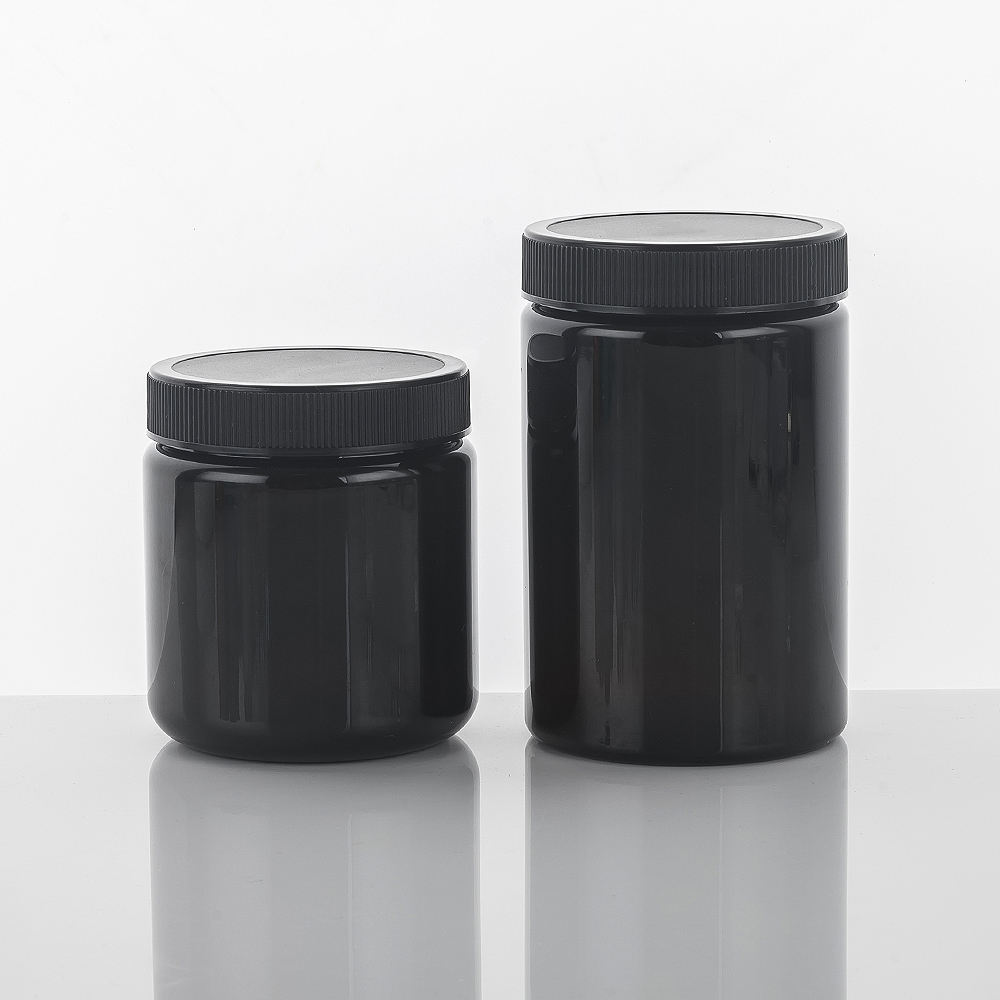
The success of any nutritional supplement brand hinges significantly on the quality and functionality of its protein powder container. A well-designed protein powder container serves far beyond aesthetic appeal—it protects the product integrity, communicates brand values, and influences purchasing decisions at the retail shelf. Understanding the design secrets that make a protein powder container truly winning requires knowledge of material science, consumer psychology, and practical engineering. Manufacturers and brand owners who invest in superior protein powder container design gain competitive advantages in market positioning, customer retention, and long-term profitability.
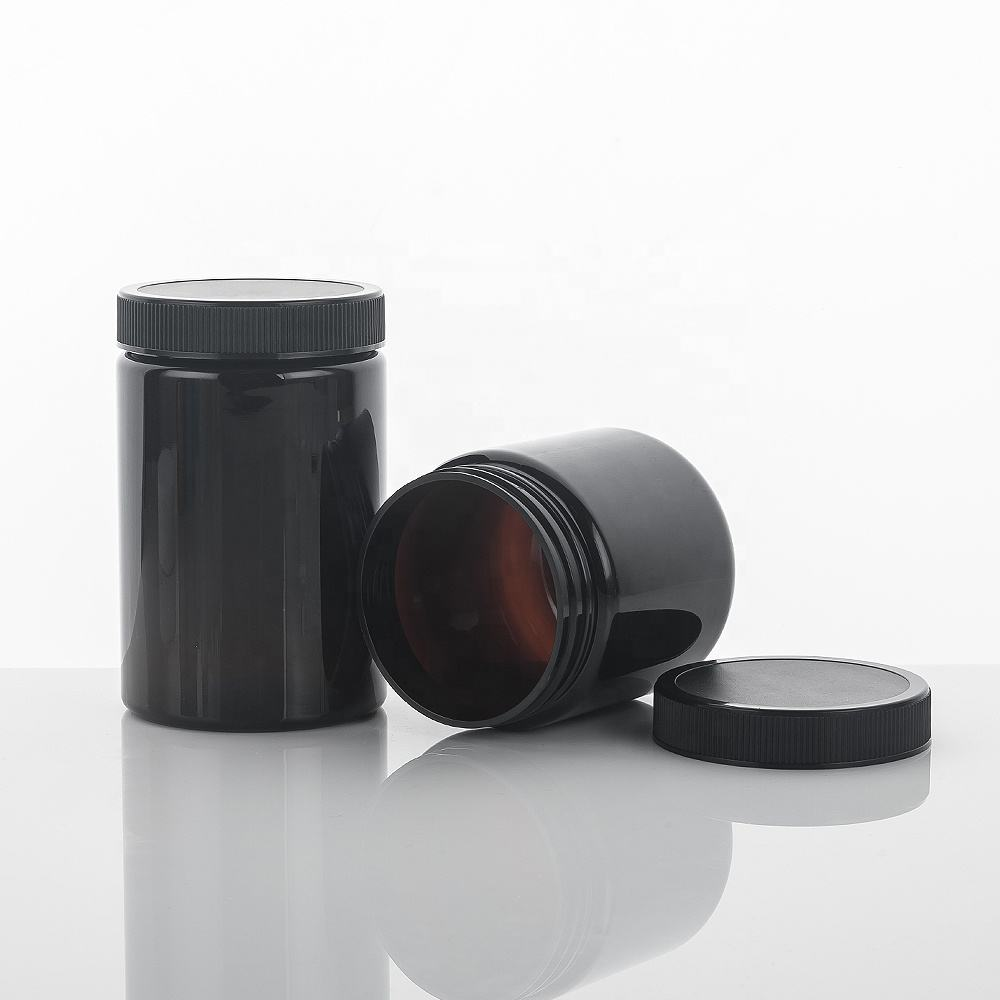
What distinguishes an exceptional protein powder container from a mediocre one? The answer lies in a convergence of factors including material composition, barrier protection, user experience design, sustainability considerations, and visual branding elements. Whether you are launching a new supplement line or upgrading existing packaging, recognizing these design secrets enables informed decisions that resonate with your target market and protect your brand reputation.
Material Selection and Barrier Protection
High-Performance Plastic Choices for Protein Powder Containers
The foundation of any winning protein powder container begins with material selection. High-density polyethylene (HDPE) has emerged as the preferred choice for serious supplement manufacturers because it provides superior barrier properties against moisture, oxygen, and light penetration. A protein powder container constructed from HDPE delivers exceptional durability and maintains product freshness throughout its shelf life, preventing oxidation and moisture absorption that can degrade protein quality. The protein powder container must also be food-grade certified to ensure compliance with regulatory standards and consumer safety expectations. HDPE containers offer excellent chemical resistance, allowing protein powder containers to maintain structural integrity even when exposed to acidic or alkaline supplement formulations.
Light-Blocking Technology and Protective Coatings
Advanced protein powder container designs incorporate light-blocking technology, typically through black matte finishes or opaque coatings that shield sensitive nutrients from UV radiation. This protein powder container innovation directly addresses a critical challenge in the supplement industry—protein degradation caused by light exposure. Manufacturers who specify black matte finishes on their protein powder container gain significant marketing advantages because consumers recognize this feature as a quality indicator. The protein powder container's matte surface also provides superior grip ergonomics compared to glossy alternatives, enhancing the user experience during handling and pouring. A truly winning protein powder container balances protective functionality with tactile feedback that consumers appreciate during daily use.
Structural Engineering and Functional Design
Screw Cap Systems and Seal Integrity
The cap mechanism represents one of the most critical design elements of any protein powder container. A winning protein powder container incorporates a threaded screw cap with a tamper-evident seal that signals product integrity and builds consumer confidence. The protein powder container's cap design must accommodate both one-handed opening for convenience and secure re-sealing to maintain freshness between uses. Advanced protein powder container designs feature liner materials that create an airtight seal without becoming difficult to open, balancing protection with usability. Consumers expect their protein powder container to maintain seal integrity through repeated opening cycles, freeze-thaw conditions, and storage in humid environments. The structural engineering of the protein powder container cap assembly directly influences perceived quality and likelihood of repeat purchases.
Interior Neck Design and Pouring Mechanisms
Sophisticated protein powder container designs optimize the interior neck geometry to facilitate effortless pouring and precise portion control. A well-engineered protein powder container features a beveled lip and smooth interior walls that prevent powder clumping and minimize spillage during transfer to shakers or mixing vessels. The protein powder container's internal dimensions should accommodate a standard measuring scoop sized for typical single-serving portions, eliminating customer frustration and reducing messy overflow incidents. Winning protein powder container models include integral measurement guides printed on the sidewall, helping consumers dose accurately without external tools. The structural integrity of the protein powder container's neck—the area most prone to stress and cracking—demands reinforced plastic thickness and strategic ribbing that distributes mechanical forces during use and transport.
Visual Identity and Consumer Experience
Label Design and Brand Communication
The protein powder container serves as the primary brand touchpoint, making label design an integral component of the winning formula. Effective protein powder container labeling communicates nutritional information, usage instructions, and brand storytelling while maintaining visual hierarchy that guides consumer attention to key differentiators. A premium protein powder container features high-contrast graphics, clear typography, and strategic color blocking that stands out on crowded retail shelves and projects quality positioning. The protein powder container's surface area provides valuable real estate for nutritional claims, third-party certifications, and sourcing narratives that resonate with health-conscious consumers. Sustainability messaging on the protein powder container increasingly influences purchasing decisions, particularly among younger demographics who prioritize environmental responsibility alongside product efficacy.
Ergonomic Design and Tactile Experience
Consumer interaction with the protein powder container extends beyond visual assessment to include tactile and kinesthetic elements that influence satisfaction perception. A winning protein powder container incorporates textured surfaces, appropriate weight distribution, and balanced proportions that feel premium during handling. The protein powder container's handle design—whether integrated grooves or molded indentations—significantly impacts ease of use for individuals with varying hand strength and dexterity levels. The protein powder container's vertical orientation optimizes shelf space utilization while the cylindrical form factor prevents rolling and enhances stability in gym bags and kitchen cabinets. Thoughtful ergonomic engineering of the protein powder container transforms routine product interaction into a subtle expression of brand quality that builds emotional connection and loyalty.
Sustainability and Regulatory Compliance
Recyclable Materials and Environmental Responsibility
Modern consumers increasingly demand that their protein powder container reflects environmental consciousness through recyclable materials and responsible manufacturing practices. The protein powder container constructed from post-consumer recycled (PCR) HDPE demonstrates commitment to circular economy principles while maintaining performance standards equivalent to virgin plastic. Winning protein powder container designs reduce material thickness without compromising structural integrity, minimizing the environmental footprint per unit volume. The protein powder container's labeling should clearly identify recycling codes and provide disposal guidance that encourages consumer participation in material recovery programs. Forward-thinking manufacturers recognize that the protein powder container's sustainability profile directly influences brand perception and market positioning within the growing segment of environmentally-aware consumers.
Compliance and Safety Standards
A truly winning protein powder container must satisfy rigorous food safety regulations, import requirements, and quality assurance standards across all intended markets. The protein powder container requires FDA compliance certification for direct food contact surfaces, ensuring that material composition presents no leaching risks to the product or consumer health. The protein powder container's manufacturing processes demand adherence to Good Manufacturing Practices (GMP) protocols that guarantee consistency, sterility, and absence of contaminants. Quality assurance testing of the protein powder container includes pressure cycling, thermal stress evaluation, and chemical compatibility verification to ensure reliable performance across varied storage conditions and global shipping scenarios. Investment in regulatory compliance and third-party certification of the protein powder container builds consumer trust and protects brand reputation against liability exposure.
FAQ
What material makes the best protein powder container?
High-density polyethylene (HDPE) represents the superior choice for protein powder container manufacturing because it provides exceptional barrier protection against moisture and oxygen while maintaining structural durability. HDPE-based protein powder containers deliver consistent performance across temperature ranges, resist chemical degradation, and meet food-grade safety certifications required by regulatory agencies. For maximum product protection, specify a black matte finish on the protein powder container to block light penetration and prevent nutrient oxidation. The combination of HDPE material, light-blocking technology, and food-grade certification creates the optimal platform for protecting protein integrity and meeting consumer quality expectations in the protein powder container category.
How does a protein powder container maintain freshness?
A winning protein powder container maintains product freshness through multiple integrated mechanisms including airtight cap sealing systems, oxygen barrier materials, and moisture-resistant wall construction. The protein powder container's threaded cap with tamper-evident liner creates an impermeable seal that prevents ambient humidity and oxygen from compromising the product during storage. The HDPE material used in premium protein powder container designs provides inherent resistance to moisture vapor transmission, particularly when combined with light-blocking pigmentation that reduces oxidation-accelerating UV exposure. The protein powder container's structural design with minimal headspace and secure closure geometry ensures that freshness protection extends across the entire shelf life, maintaining nutritional potency and sensory quality from production through consumer consumption.
Why should a protein powder container have measurement markings?
Integrated measurement markings on the protein powder container enhance user convenience by eliminating the need for external scoops and reducing measurement errors that result in inconsistent dosing. The protein powder container with clear volume indicators enables quick, accurate portioning that appeals to busy consumers who prioritize convenience and precise nutrition tracking. Measurement markings on the protein powder container also communicate attention to detail and user-centric design, subtly reinforcing premium brand positioning at every interaction point. Consumers appreciate the thoughtfulness of measurement guidance integrated into the protein powder container structure, recognizing it as evidence of sophisticated product engineering and customer focus that distinguishes winning designs from basic commodity packaging.