
 EN
EN
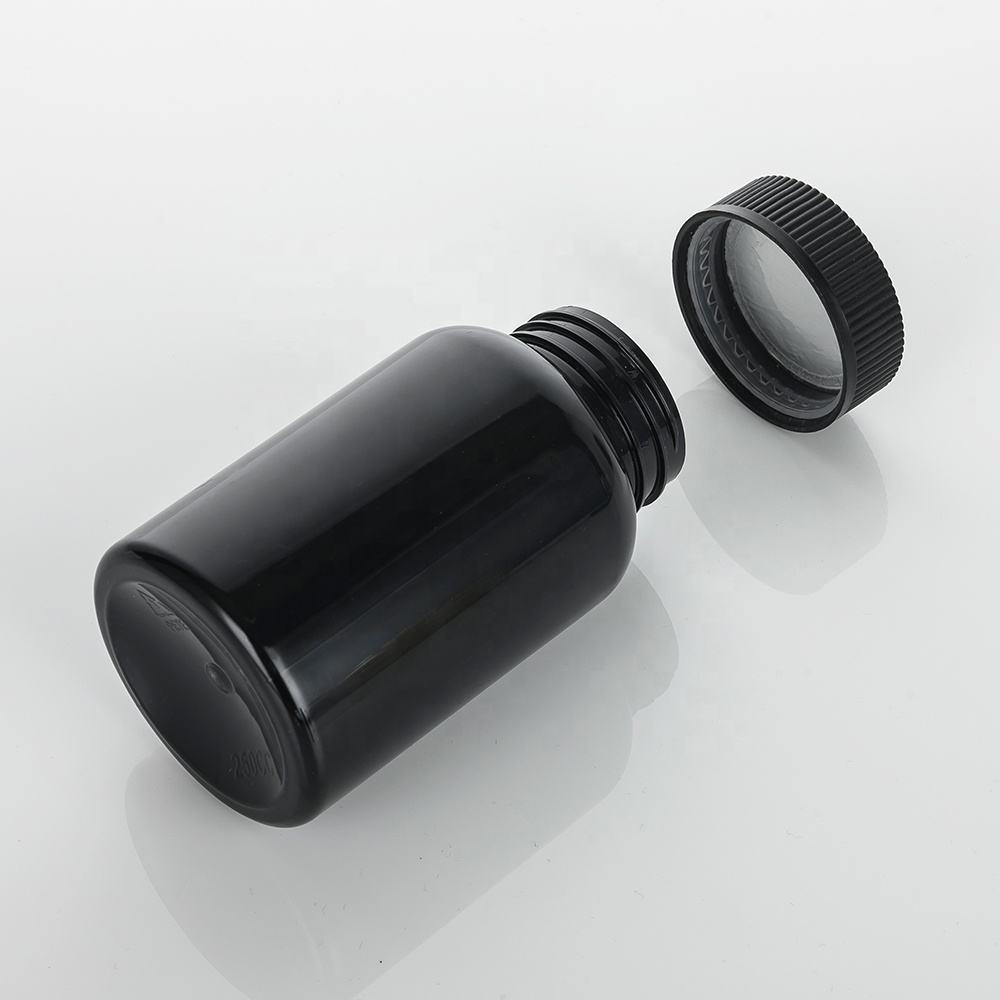
In the competitive B2B marketplace, the visual presentation of a supplement container often determines whether a buyer selects your product or moves to a competitor. The supplement container is far more than a simple storage vessel—it represents brand identity, product quality perception, and consumer confidence at the point of sale. For B2B buyers who source packaging solutions for their own supplement lines or resale channels, the aesthetic appeal of a supplement container directly impacts their purchasing decisions and ultimately their bottom line.
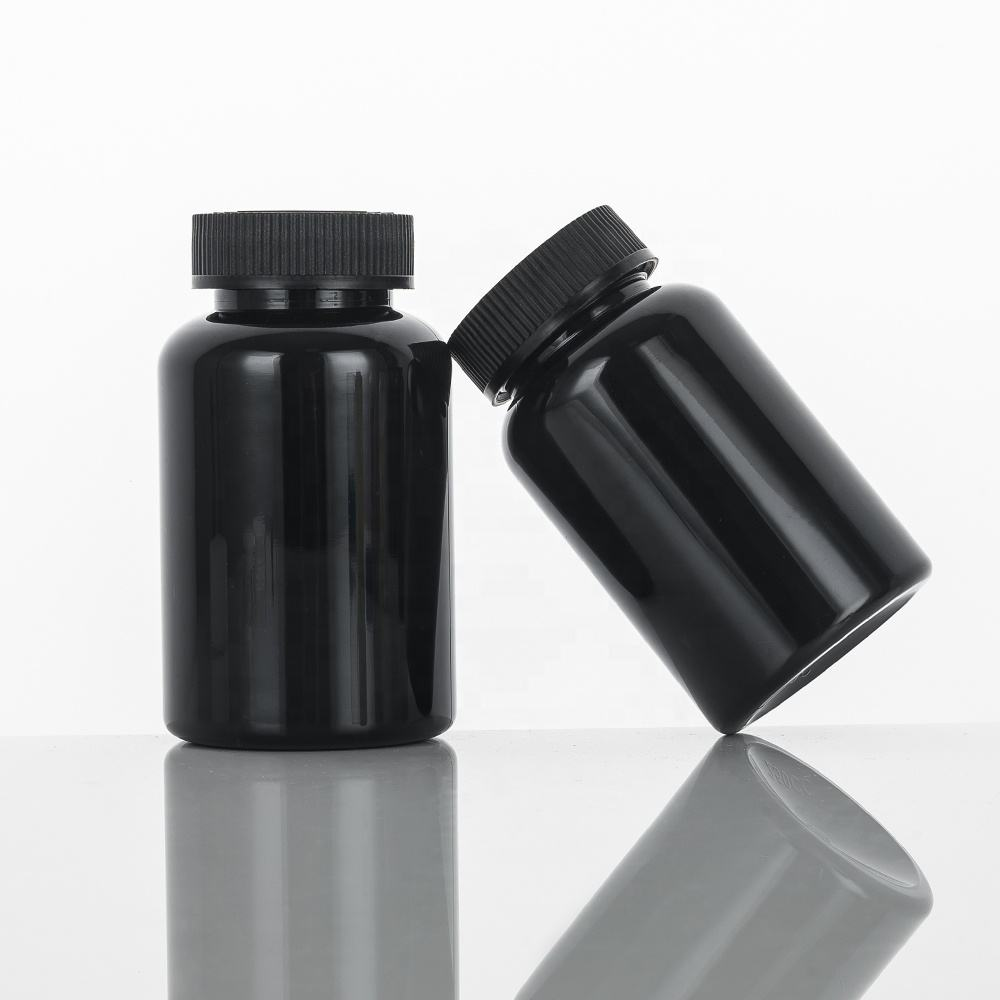
B2B supplement buyers evaluate containers through a different lens than retail consumers. They consider market positioning, shelf appeal, brand differentiation, regulatory compliance, and production scalability. A well-designed supplement container not only protects the product but also creates a professional impression that influences retailer acceptance, consumer perception, and long-term brand loyalty. Understanding why aesthetics matter to B2B buyers reveals critical business drivers that shape purchasing strategies across the entire supply chain.
Brand Differentiation and Market Positioning
Creating Visual Identity Through Supplement Container Design
The supplement container serves as the primary touchpoint where consumers form their first impression of a brand. For B2B buyers sourcing products, the visual distinctiveness of a supplement container signals market credibility and premium positioning. A supplement container with thoughtful color schemes, ergonomic shapes, and professional finishes stands out on retail shelves and communicates that the brand invests in quality. B2B purchasers understand that retailers prefer containers that create visual impact because eye-catching displays drive consumer engagement and repeat purchases.
Differentiation through supplement container aesthetics becomes especially critical in crowded vitamin and nutritional supplement categories where dozens of similar products compete for attention. A supplement container with distinctive labeling space, unique material choices, or innovative closure systems demonstrates innovation and appeals to modern consumers. B2B buyers recognize that containers with superior aesthetics command higher shelf presence and justify premium pricing, directly supporting their profit margins and market share objectives.
Regulatory Compliance and Professional Appearance
Beyond visual appeal, a supplement container must project regulatory compliance and professional credibility. B2B buyers assess whether a supplement container design accommodates necessary labeling requirements, ingredient disclosures, and safety warnings without compromising aesthetic integrity. A poorly designed supplement container that awkwardly displays mandatory information creates doubt about product legitimacy. Conversely, a well-engineered supplement container that seamlessly integrates compliance labeling while maintaining visual polish reassures B2B buyers that the product meets industry standards and presents minimal retail resistance.
Consumer Perception and Purchase Intent
Premium Positioning Through Aesthetic Investment
B2B buyers understand the psychology of packaging—consumers associate premium container aesthetics with higher quality products and justify higher price points. A supplement container with metallic accents, frosted finishes, or sophisticated color gradients commands premium retail placement and attracts consumers willing to pay more. B2B purchasers evaluate supplement container designs specifically for their ability to support premium positioning because this directly affects their wholesale margins and retail partner relationships. When a supplement container projects quality through thoughtful design, end consumers perceive superior efficacy and safety, translating to higher sales velocity and reduced return rates.
The emotional connection consumers develop with supplement container aesthetics influences repeat purchase behavior and brand loyalty. B2B buyers recognize that containers with attractive, functional designs encourage shelf presence, consumer curiosity, and social media sharing. A supplement container that resonates emotionally with the target demographic—whether health-conscious professionals, fitness enthusiasts, or wellness seekers—becomes a valuable marketing asset that B2B partners leverage to build brand equity and customer retention.
Unboxing Experience and Brand Extension
Modern consumers increasingly photograph and share their purchases on social media, making the supplement container itself a marketing channel. B2B buyers recognize this trend and prioritize supplement container aesthetics that photograph well and encourage organic brand advocacy. A visually appealing supplement container with premium finishes, clear typography, and memorable design elements generates user-generated content that extends brand reach without additional marketing expense. This recognition drives B2B purchasing decisions toward supplement container suppliers who understand contemporary consumer behavior and deliver designs that naturally inspire sharing and brand amplification.
Production Efficiency and Supply Chain Considerations
Aesthetic Integration with Manufacturing Scalability
B2B buyers must balance aesthetic ambitions with production feasibility and cost efficiency. A supplement container design that looks exceptional but requires complex manufacturing processes creates supply chain vulnerabilities and cost pressures that ultimately reduce buyer profitability. Experienced B2B purchasers evaluate whether a supplement container design scales reliably across production runs while maintaining consistent color, finish, and visual quality. They assess supplier capabilities to deliver aesthetically pleasing supplement container batches without excessive quality variation or production delays that disrupt retail commitments.
The supplement container must also accommodate various fill weights, product types, and packaging configurations that different B2B customers require. A versatile supplement container design that maintains aesthetic appeal across different capacities—from single-serving sizes to bulk containers—offers greater market flexibility and attracts a broader base of B2B buyers. This adaptability reduces supplier concentration risk and allows B2B purchasers to standardize on supplement container solutions that serve multiple product lines and customer segments while preserving visual coherence across their brand portfolio.
Cost-Effectiveness and Long-Term Value
Investment in aesthetically superior supplement container designs often delivers long-term ROI that justifies higher per-unit costs for B2B buyers. Premium supplement container aesthetics reduce product returns caused by consumer disappointment with perceived quality, decrease markdown requirements from slower retail movement, and support higher wholesale prices that improve distributor margins. B2B purchasers evaluate supplement container options through a total-cost-of-ownership lens, recognizing that premium aesthetics represent a strategic asset rather than mere production expense.
Supplier reliability in delivering consistent supplement container aesthetics directly impacts B2B buyer confidence and purchasing frequency. Buyers who experience reliable quality and visual consistency from a supplement container supplier develop longer-term relationships and higher order volumes. This stability creates competitive advantage, streamlines procurement processes, and supports inventory management. B2B buyers prioritize supplement container suppliers who demonstrate commitment to aesthetic excellence alongside operational reliability because these qualities ultimately enhance their market competitiveness and profitability.
FAQ
Why do supplement container aesthetics influence retail placement and shelf positioning?
Retailers allocate premium shelf space to products with attractive, distinctive packaging because visually appealing supplement container designs attract consumer attention, increase browsing time, and drive purchase decisions. B2B buyers understand that retailers favor products in supplement container packaging that creates strong shelf impact and generates higher sales velocity, making aesthetic appeal a critical factor in retail acceptance and market success.
How does supplement container design support premium pricing strategies for B2B buyers?
Premium supplement container aesthetics allow B2B buyers to position their products in higher price tiers because consumers associate sophisticated, well-designed containers with superior quality and efficacy. A supplement container with premium finishes, distinctive branding, and professional appearance justifies higher wholesale and retail prices, enabling B2B purchasers to achieve better profit margins while supporting distributor profitability and brand positioning.
What production considerations affect supplement container aesthetic consistency for B2B suppliers?
B2B buyers require supplement container suppliers who maintain consistent color, finish, and design quality across production batches without excessive variation or defects. Suppliers must balance aesthetic sophistication with manufacturing efficiency to deliver supplement container products that scale reliably while preserving visual excellence. Reliable quality consistency ensures B2B buyers can confidently commit to larger orders and maintain brand reputation across multiple retail channels without unexpected supply disruptions.