בקבוקי פלסטיק לתרופה נוזלית
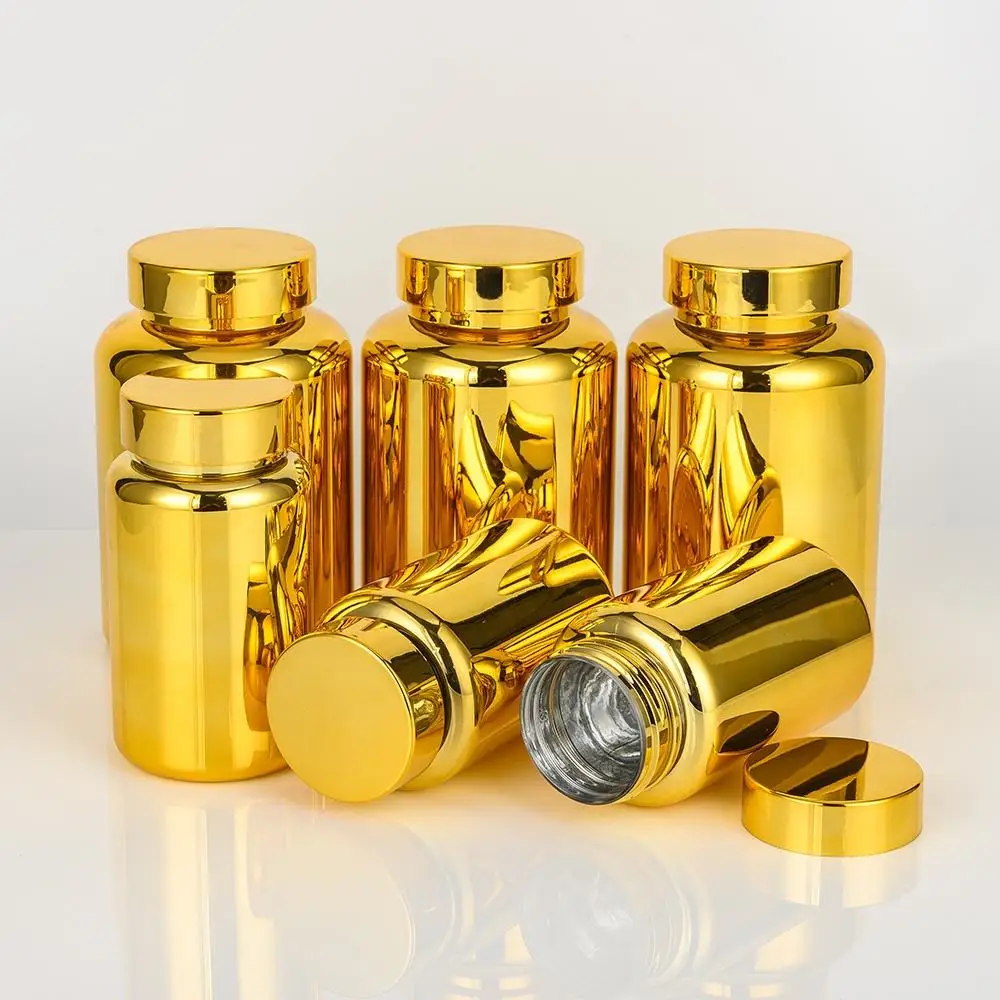
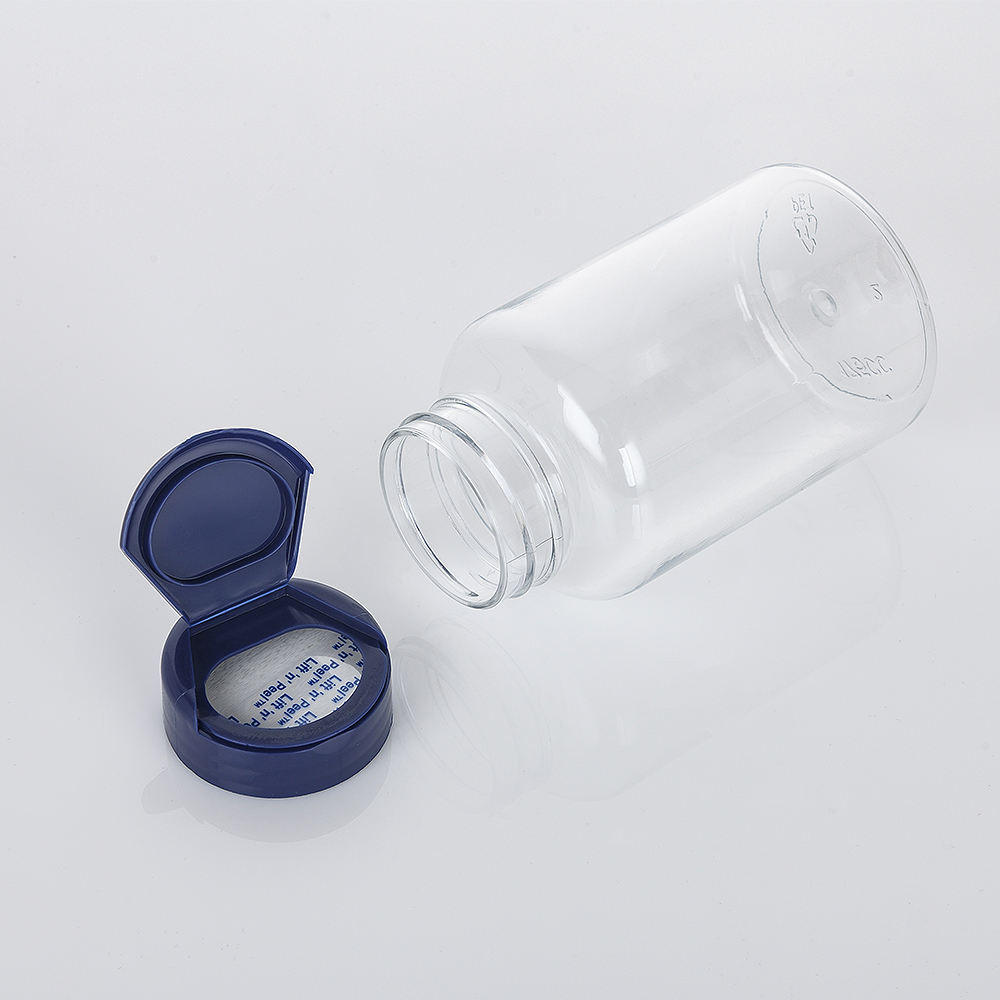
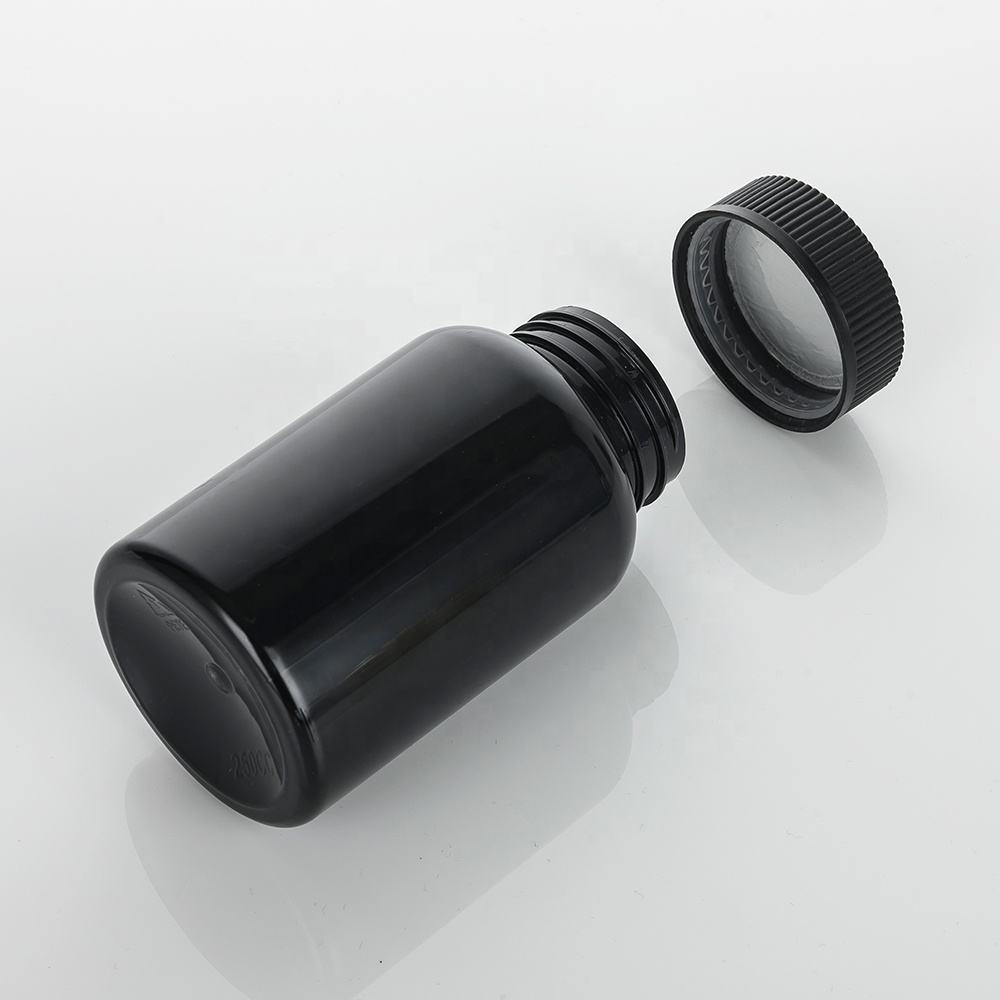
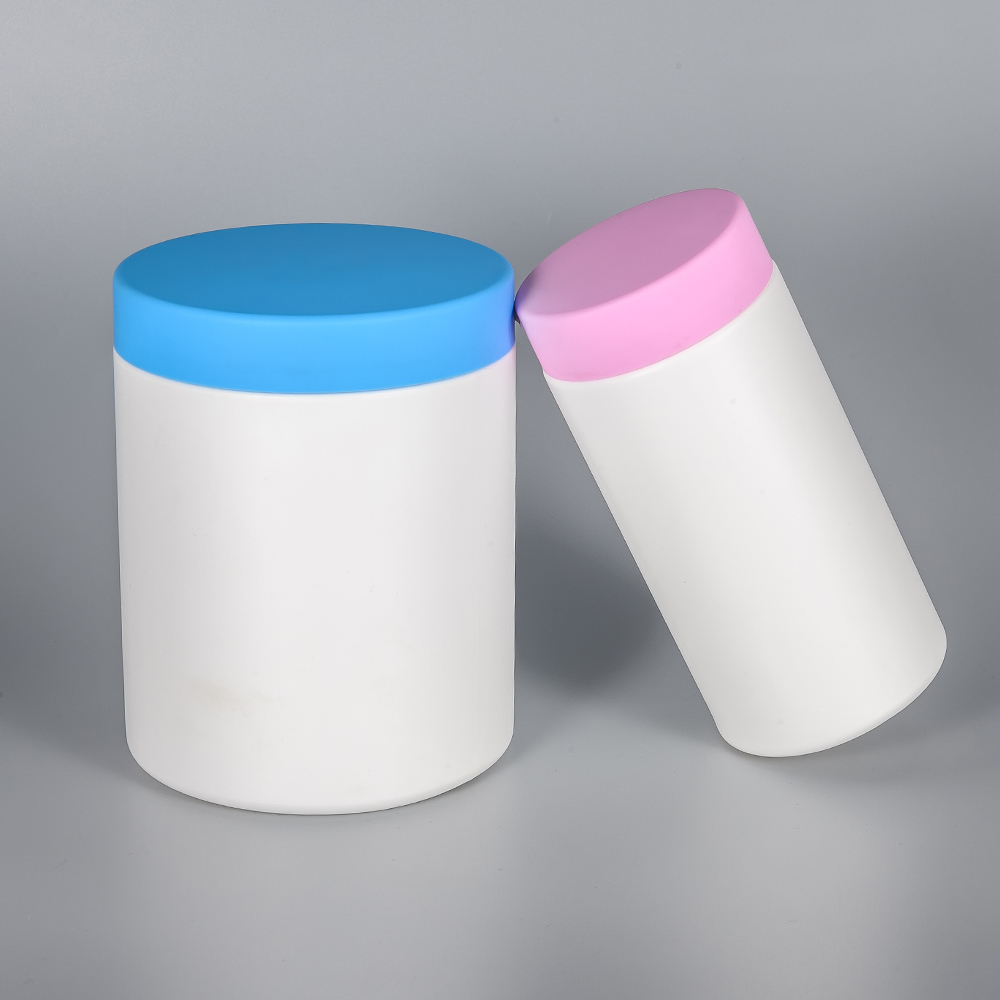
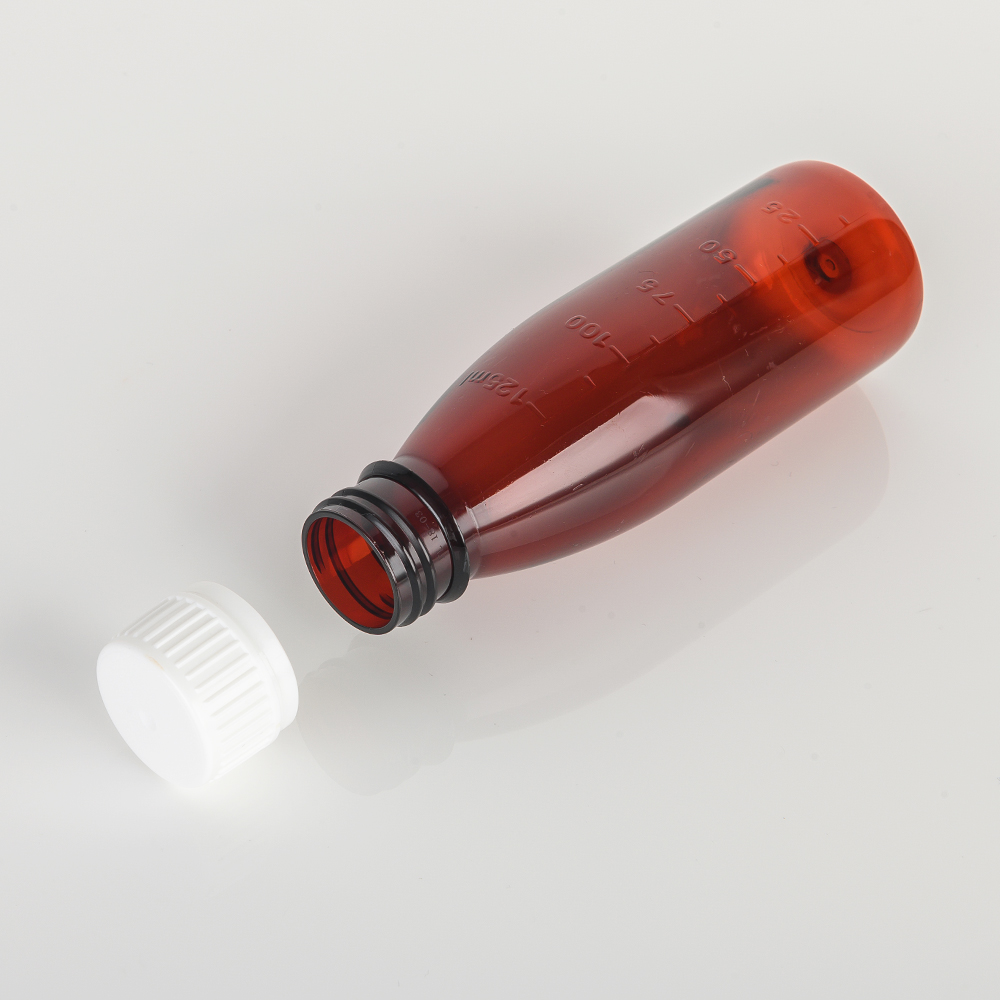
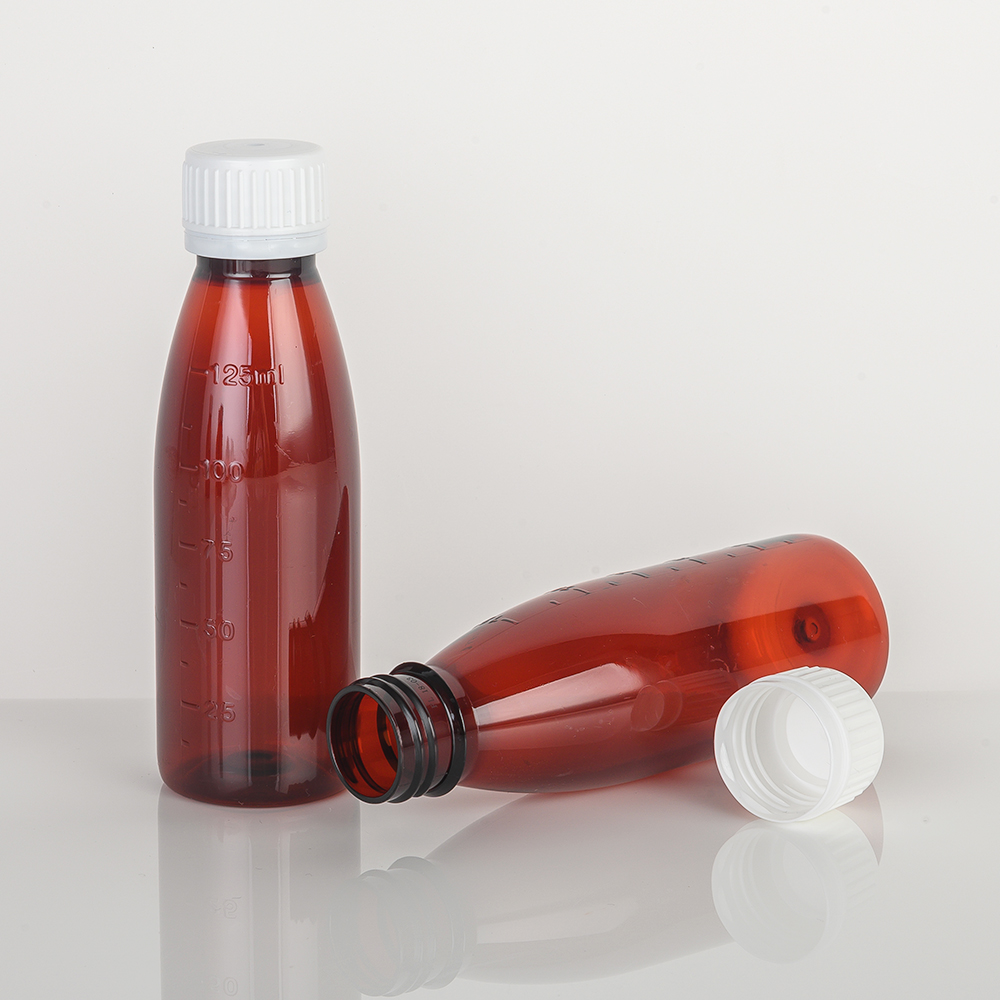
בקבוקי פלסטיק לתרופה נוזלית מהווים פתרונות אריזה חיוניים ליישומים פרמצבטיים ובריאותיים. מיכלים רב-תכליתיים אלו מעוצבים כדי לאחסן, לשמר ולשפוך תרופות נוזליות באופן בטוח תוך שמירה על שלמות המוצר. בקבוקי הפלסטיק לתרופה נוזלית זמינים בגודלים שונים, בדרך כלל בטווח שבין בקבוקי טיפס קטנים בני 5 מ״ל ועד מיכלים גדולים יותר בני 500 מ״ל, כדי להתאים לצרכים רפואיים מגוונים. הפונקציה העיקרית של בקבוקי הפלסטיק לתרופה נוזלית היא אחסון בטוח של תרופות שמאפשר הגנה על התוכן מפני זיהום סביבתי, חשיפה לאור ותחמצון. הבקבוקים מצוידים בכיסויים עמידים לילדיים וחותמות המראות הפרעה, כדי להבטיח התאמה לבטיחות בשימוש ביתי. בקבוקי הפלסטיק לתרופה נוזלית כוללים תכונות טכנולוגיות מתקדמות, כגון חומרים אופקיים או צבעוניים באדמדם שמעלים את הנוזלים הרגישים לאור מפני התדרדרות. בין ההתקדמות הטכנולוגיות המרכזיות בקבוקי הפלסטיק לתרופה נוזלית נמנים סימוני מדידה מדורגים למתן דוזה מדויקת, עיצוב ארגונומי להנחת יד קלה, והתאמה למערכות סגירה שונות כמו כיסויי טיפס, משאבות שפיכה ומכסי סיבוב. הרכב החומר הוא בדרך כלל פוליאתילן בצפיפות גבוהה (HDPE), פוליפרופילן (PP) או פוליאתילן טרפטלט (PET), שנבחרו בגלל התנגדותם הכימית והעמידות שלהם. היישומים לבקבוקי הפלסטיק לתרופה נוזלית מתפשטים על פני מגוון תחומים, כולל תרופות לילדות, סירופי שיעול, תערובות פה, ויטמינים, תוספי תזונה ושמני עץ impresive. מרפאות וטרינריות משתמשות בקבוקים אלו לתרופות לבעלי חיים, בעוד שמעבדות משתמשות בהם עבור תרכובות ניסיוניות. בתי מרקחת מסחריים מסתמכים על בקבוקי הפלסטיק לתרופה נוזלית לנוסחאות נוזליות ללא מרשם. מוסדות בריאות מאגרים את המיכלים הללו לצורך מתן תרופות לחולים. התעשייה הפקואטית מסתמכת על בקבוקי הפלסטיק לתרופה נוזלית לשם יעילות בייצור ובהתפלגות, מה שהופך אותם לבלתי נפרדים מהמערכת המודרנית של מסירת שירותי בריאות.

 EN
EN