
 EN
EN
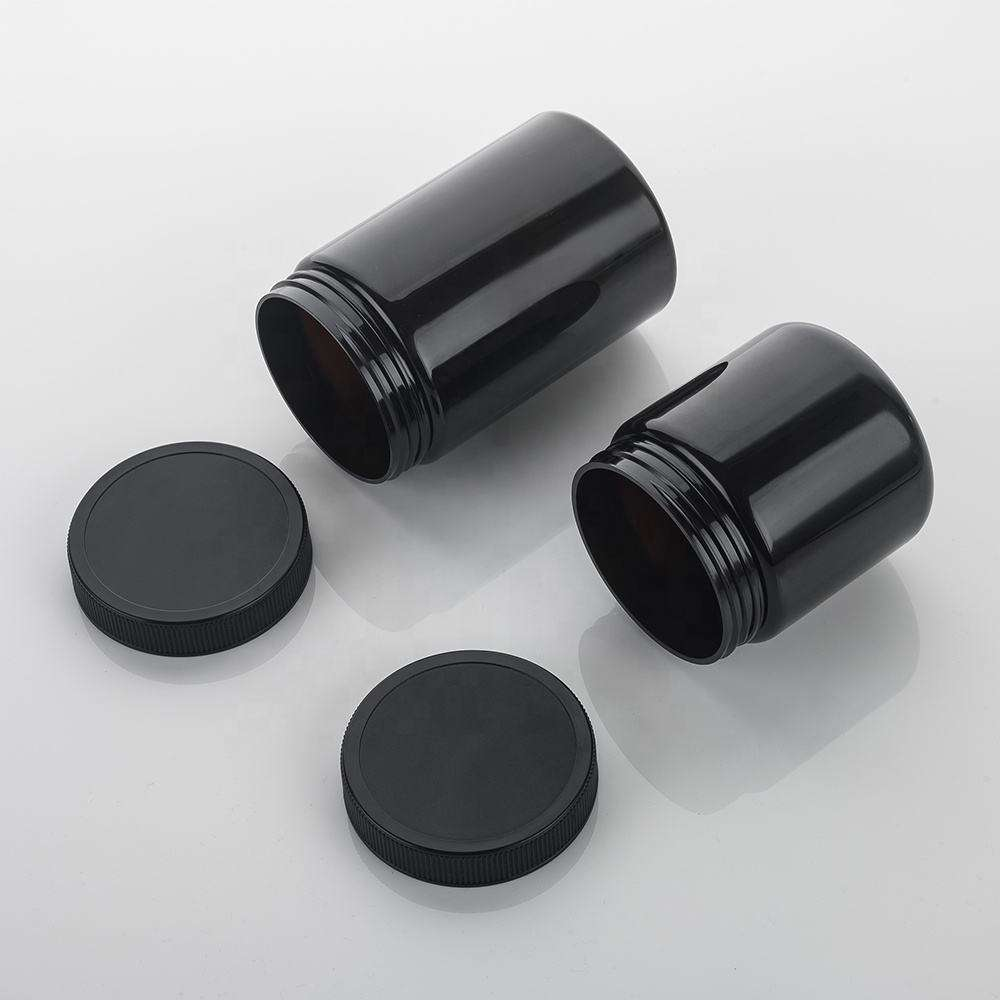
Sourcing the right protein powder container is a critical decision for supplement brands, fitness companies, and nutritional product manufacturers. The protein powder container serves as both a functional storage solution and a brand ambassador on retail shelves, making it essential to select packaging that balances durability, cost-effectiveness, and visual appeal. Whether you're launching a new product line or scaling production, understanding how to source a protein powder container with custom scoops requires knowledge of materials, supplier capabilities, design considerations, and manufacturing processes that directly impact your bottom line and customer satisfaction.

A quality protein powder container with integrated or custom-designed scoops enhances user experience while reinforcing your brand identity. The scoop itself is a functional tool that customers interact with every time they prepare their supplements, making it a silent but powerful marketing touchpoint. When sourcing your protein powder container, evaluating material quality, scoop precision, closure reliability, and design customization options becomes the foundation for a product that not only stores effectively but also builds customer loyalty through convenience and professionalism.
Understanding Your Protein Powder Container Requirements
Material Selection and Food-Grade Standards
The first step in sourcing a protein powder container is determining the material that best suits your product and market positioning. High-density polyethylene (HDPE), polypropylene (PP), and polyethylene terephthalate (PET) are the industry standards for supplement packaging. An HDPE protein powder container offers excellent durability, moisture resistance, and cost efficiency, making it the preferred choice for many manufacturers. The material you select for your protein powder container must meet food-grade certifications and comply with FDA regulations to ensure consumer safety and legal compliance. Beyond material type, the thickness and construction quality of your protein powder container directly affect its shelf life, barrier properties against oxygen and light, and resistance to physical damage during shipping and handling.
Scoop Design and Integration Options
Custom scoops integrated into your protein powder container add significant value by improving user convenience and reducing the likelihood of customers using makeshift measuring tools. When specifying a protein powder container with custom scoops, you have two primary design approaches: embedded scoops stored inside the container or hanging scoops attached to the closure. Embedded scoop designs keep the measuring tool accessible yet contained, preventing loss and maintaining a clean presentation. The scoop volume must be precisely calibrated to match your product's recommended serving size, ensuring accurate dosing and consistent customer experience. Your protein powder container supplier should provide engineering validation that the scoop dimensions and material allow for easy removal, accurate portioning, and durability through hundreds of uses without cracking or warping.
Evaluating Protein Powder Container Suppliers and Capabilities
Manufacturing Capacity and Lead Times
Identifying suppliers capable of producing your customized protein powder container at the scale you require is essential for meeting market demand without inventory surprises. Reputable protein powder container manufacturers should provide transparent information about minimum order quantities (MOQs), production lead times, and capacity constraints. A reliable protein powder container supplier can scale production from pilot batches of 5,000 units to 500,000-unit annual runs while maintaining consistent quality and pricing. Lead times for a fully customized protein powder container typically range from 8 to 12 weeks, accounting for mold development, material sourcing, production runs, and quality inspections. Communication with your protein powder container manufacturer about seasonal demand fluctuations and contingency planning ensures you avoid stockouts or excess inventory that strains working capital.
Quality Control and Compliance Verification
Before committing to a protein powder container supplier, verify their quality assurance protocols and certifications. Request samples and conduct in-house testing of the protein powder container's seal integrity, scoop accuracy, and resistance to moisture and temperature fluctuations. Ask your protein powder container manufacturer for documentation of FDA food contact approval, BPA-free certification, and third-party laboratory testing results. Defects in a mass-produced protein powder container—such as improper screw threading, scoop brittleness, or seal leakage—can damage your brand reputation and trigger costly recalls. A trustworthy protein powder container partner maintains ISO 9001 certification and conducts regular audits to ensure every batch meets your specifications. Insist on sample approval protocols where you inspect and approve production samples before full-run manufacturing of your protein powder container.
Customization, Design, and Branding Integration
Visual Branding and Label Compatibility
Your protein powder container is a prime real estate for brand storytelling and regulatory compliance messaging. Collaborate with your protein powder container supplier to ensure the exterior surface is compatible with your chosen labeling method—whether pressure-sensitive labels, direct printing, or sleeved labels. The shape and dimensions of your protein powder container should complement your brand aesthetic while fitting standard retail shelf displays and e-commerce shipping dimensions. Full customization of your protein powder container color, transparency level, and surface texture can command premium positioning in the market, particularly if your target audience values wellness and premium positioning. Request mockups and design renderings from your protein powder container manufacturer to visualize the final product before tooling and production begin, reducing the risk of costly design revisions mid-production.
Scoop Customization and Functional Features
The scoop integrated with your protein powder container should reflect your brand voice and deliver a superior user experience. Custom scoop designs can include branded logos, ergonomic handles, measurement graduations, or color coordination with your container. A protein powder container supplier with advanced injection molding capabilities can produce scoops with tight tolerances that ensure consistent portion sizes, critical for products where dosing accuracy affects efficacy and safety. Consider whether your protein powder container scoop should be filled with silica gel for moisture control or designed with ventilation slots for improved flow of powder material. Interactive features like magnetic attachment points or quick-release clips can differentiate your protein powder container in a competitive market while maintaining functionality. Durability testing of the scoop material ensures it withstands repeated use without becoming brittle, discolored, or developing sharp edges that could injure users.
Cost Optimization and Procurement Strategy
Pricing Structures and Volume Economics
The cost of your protein powder container varies significantly based on material selection, custom scoop design complexity, order volume, and supplier location. Bulk ordering of a protein powder container typically reduces per-unit costs by 30 to 50 percent compared to smaller pilot quantities. Transparent pricing from your protein powder container manufacturer should break down material costs, tooling fees, customization charges, and logistics separately so you can identify optimization opportunities. Negotiate multi-year contracts with your protein powder container supplier to lock in pricing and secure production capacity during demand spikes. Factor in the total cost of ownership for your protein powder container, including storage, handling, returns, and potential waste from damaged units during transit and storage. Some manufacturers offer financing or payment-plan arrangements for large protein powder container orders, improving cash flow management for growing supplement brands.
Logistics and Supply Chain Integration
Efficient delivery of your protein powder container from manufacturer to your production facility or fulfillment center is a hidden cost that impacts profitability. Request information about your protein powder container supplier's warehouse locations, freight consolidation options, and ability to drop-ship directly to your customers or 3PL partners. Climate-controlled storage of your protein powder container protects against warping and degradation, particularly important for tropical climates or facilities with temperature fluctuations. Establish clear agreements with your protein powder container manufacturer regarding damage liability during shipping, allowing you to reject shipments with excessive defect rates without financial penalty. Implementing just-in-time inventory practices for your protein powder container balances the need for production continuity against the risk of overstocking and warehouse costs.
FAQ
What material is best for a protein powder container with custom scoops?
High-density polyethylene (HDPE) is the most popular choice for a protein powder container because it offers excellent moisture and oxygen barrier properties, food-grade certification compliance, and cost-effectiveness at scale. Polypropylene (PP) is another viable option if you prefer a slightly more premium feel and better clarity, though it typically costs more than HDPE. Your choice of material for a protein powder container should balance your target price point, environmental considerations, and the specific storage requirements of your supplement formulation.
How long does it take to source a custom protein powder container?
The timeline to source a fully customized protein powder container typically ranges from 8 to 12 weeks from design approval to first delivery. This includes 2 to 3 weeks for design refinement and mold development, 4 to 6 weeks for production, and 2 to 3 weeks for quality inspection and logistics. Expedited protein powder container production is possible for rush orders but usually incurs 15 to 25 percent premium fees and may impact quality assurance thoroughness.
What scoop size should I specify for my protein powder container?
The scoop volume integrated into your protein powder container should precisely match your product's recommended serving size, typically ranging from 20 to 50 milliliters for whey protein powders. Work with your manufacturer to validate that the scoop displaces the exact weight of powder needed for one serving, accounting for material density and settling. Test your protein powder container scoop across different powder densities and moisture levels to ensure consistency before committing to production.