Medical Plastic Bottles - Premium Pharmaceutical Packaging Solutions for Healthcare

All Categories

Get a Free Quote

Our representative will contact you soon.
Email
Mobile/WhatsApp
Name
Company Name
Message
0/1000

medical plastic bottles

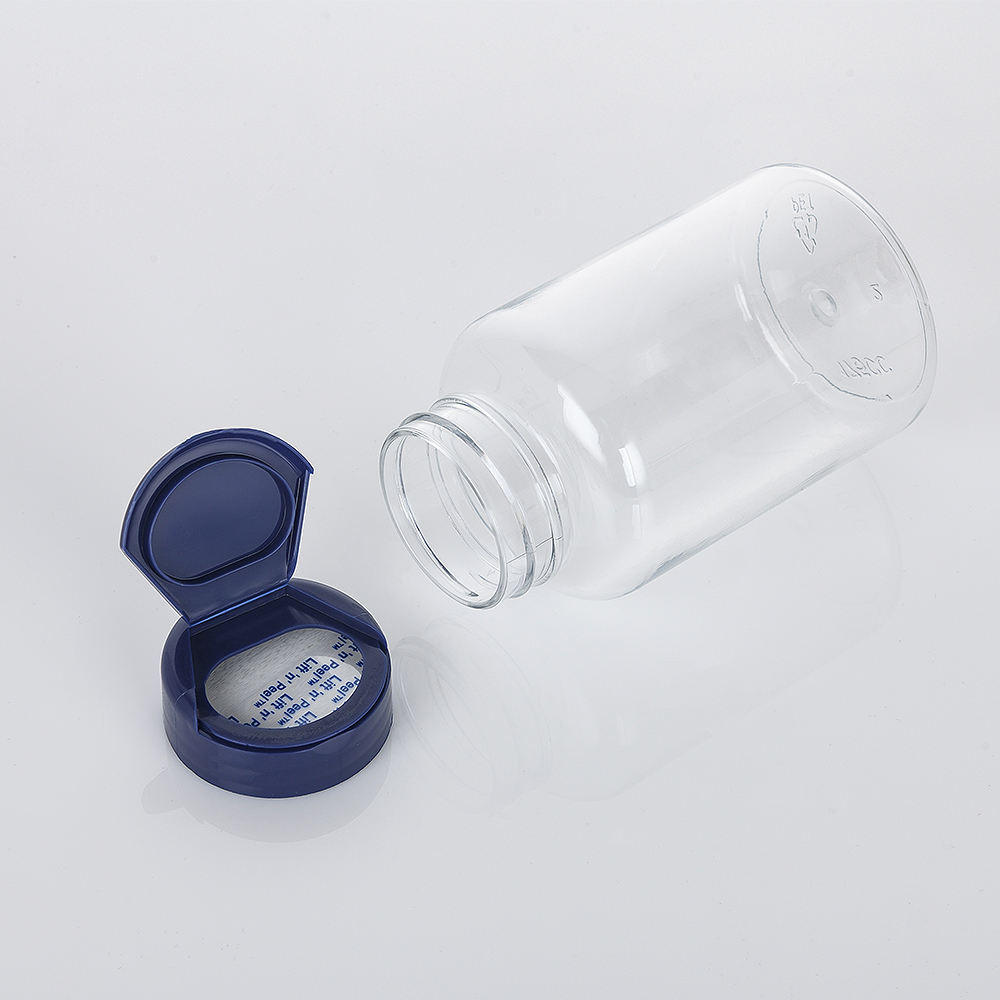
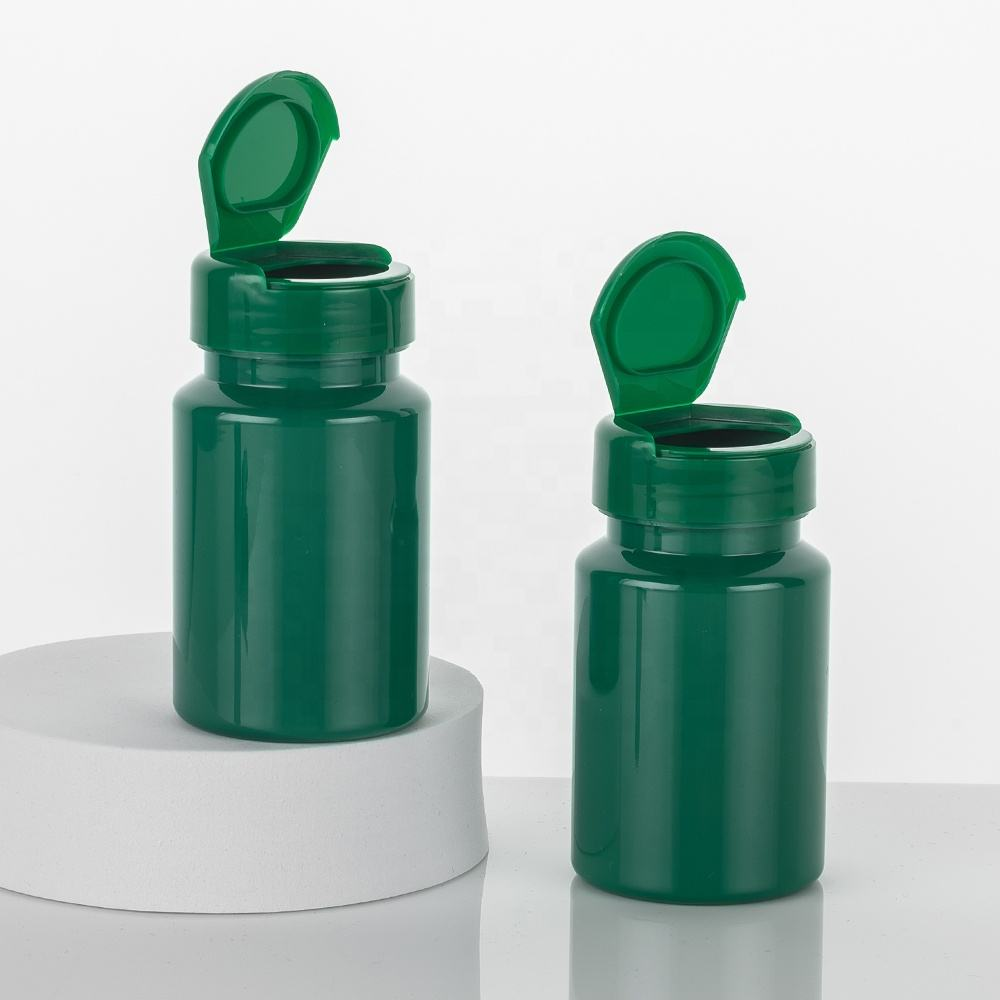
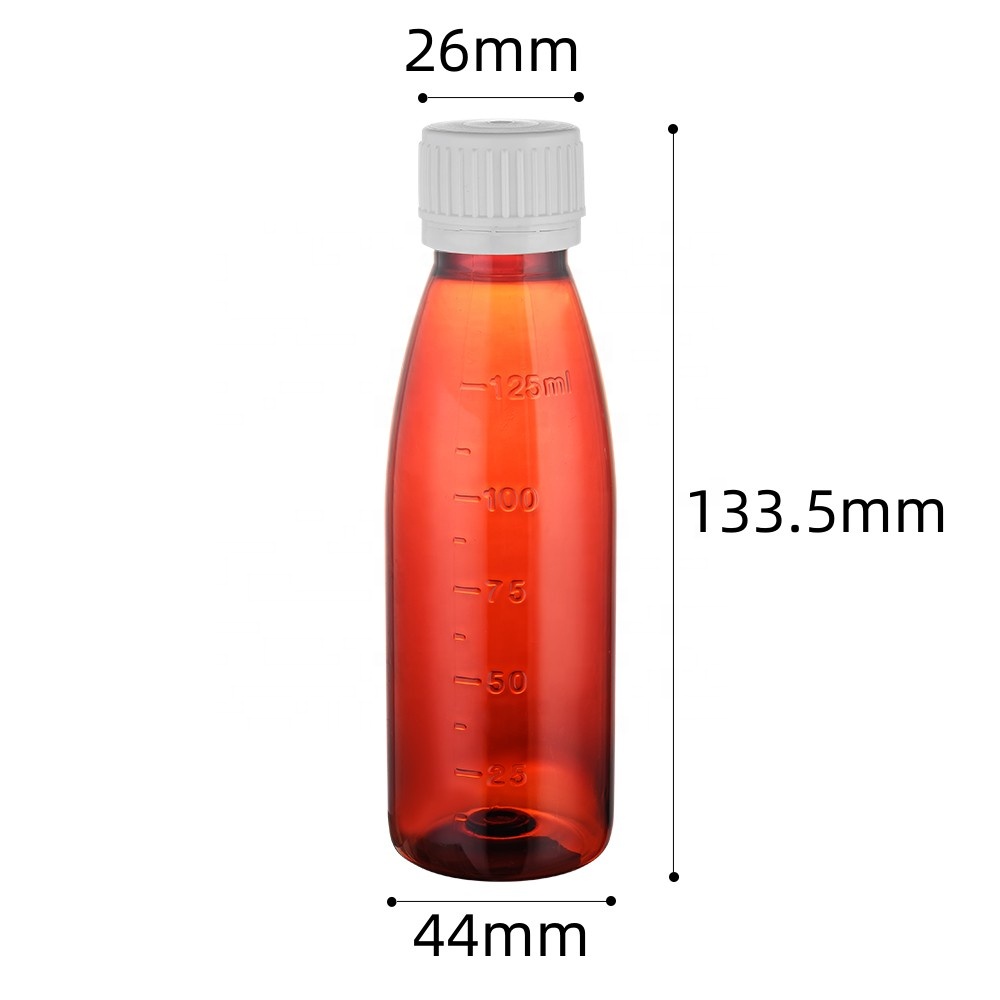
Medical plastic bottles represent a cornerstone of modern healthcare packaging, serving as essential containers for pharmaceuticals, liquid medications, tablets, capsules, and various medical solutions. These specialized containers are manufactured using high-grade polymers that meet stringent regulatory standards set by health authorities worldwide. Medical plastic bottles differ significantly from standard plastic containers due to their adherence to strict quality control protocols and their ability to maintain product integrity throughout storage and distribution. The primary function of medical plastic bottles is to protect sensitive medications from environmental factors such as moisture, light, oxygen, and contamination while ensuring convenient dispensing for patients and healthcare providers. Technologically, these bottles incorporate advanced features including child-resistant closures, tamper-evident seals, and precise dosing mechanisms that enhance safety and compliance. The materials used in manufacturing medical plastic bottles typically include high-density polyethylene, polypropylene, polyethylene terephthalate, and other FDA-approved resins selected for their chemical resistance, durability, and compatibility with pharmaceutical contents. Applications span across hospitals, pharmacies, clinical laboratories, home healthcare settings, and pharmaceutical manufacturing facilities. Medical plastic bottles serve diverse purposes from storing liquid antibiotics and cough syrups to housing vitamin supplements and prescription medications. Their lightweight nature reduces shipping costs while their shatter-resistant properties minimize safety risks compared to traditional glass containers. Modern medical plastic bottles also feature graduated markings for accurate measurement, wide-mouth openings for easy filling, and compatibility with automated dispensing systems. The versatility of medical plastic bottles extends to specialized applications such as insulin storage, eye drop dispensers, and pediatric formulations requiring precise dosing capabilities. As healthcare continues evolving toward patient-centered care and home-based treatments, medical plastic bottles play an increasingly vital role in medication management and therapeutic adherence.

Popular Products

Medical plastic bottles offer numerous practical benefits that make them the preferred choice for pharmaceutical packaging across healthcare systems globally. First and foremost, these containers provide exceptional protection for medications by creating a reliable barrier against moisture infiltration, which can degrade many pharmaceutical compounds and reduce their effectiveness. Unlike glass alternatives, medical plastic bottles resist breakage even when dropped or subjected to impact during transportation, significantly reducing product loss and eliminating dangerous sharp fragments that could cause injuries in clinical settings or homes. The lightweight construction of medical plastic bottles translates directly into reduced shipping expenses for pharmaceutical distributors and manufacturers, allowing cost savings that can be passed along to patients and healthcare facilities. Patients particularly benefit from the user-friendly design features integrated into medical plastic bottles, including easy-grip surfaces that accommodate individuals with limited hand strength or dexterity challenges, and clear labeling areas that improve medication identification and reduce dosing errors. The chemical inertness of properly selected medical-grade plastics ensures that no unwanted interactions occur between the container and its contents, preserving medication potency and preventing taste alterations that might affect patient compliance. Medical plastic bottles support sustainability initiatives through their recyclability and reduced environmental impact during production compared to glass manufacturing, which requires significantly higher energy consumption. Healthcare providers appreciate how medical plastic bottles streamline inventory management with their stackable designs that maximize storage space in pharmacies and supply rooms. The transparency of many medical plastic bottles allows for quick visual inspection of remaining contents without opening the container, enabling patients to know when refills are needed and helping pharmacists verify product quality before dispensing. Child-resistant caps integrated into medical plastic bottles provide crucial safety features that prevent accidental ingestion by young children, addressing a major public health concern while remaining accessible to adults. Temperature stability is another key advantage, as medical plastic bottles maintain their structural integrity across a wide range of storage conditions without cracking or warping. The customization possibilities with medical plastic bottles allow pharmaceutical companies to incorporate brand-specific colors, shapes, and labeling that enhance product recognition while meeting regulatory requirements. Sterility maintenance is significantly easier with medical plastic bottles as their smooth internal surfaces resist bacterial adhesion and facilitate thorough cleaning protocols in reusable applications. Cost-effectiveness extends beyond initial purchase price, as medical plastic bottles require less protective packaging during shipment and generate lower disposal costs for healthcare facilities managing medical waste streams.

Tips And Tricks

Our advantage

10

Mar

Our advantage

View More
TAIZHOU ZONG LV SHU PACKING CO., LTD

17

Mar

TAIZHOU ZONG LV SHU PACKING CO., LTD

View More

Get a Free Quote

Our representative will contact you soon.
Email
Mobile/WhatsApp
Name
Company Name
Message
0/1000

medical plastic bottles

Advanced Safety Features That Protect Patients and Ensure Medication Integrity

Advanced Safety Features That Protect Patients and Ensure Medication Integrity

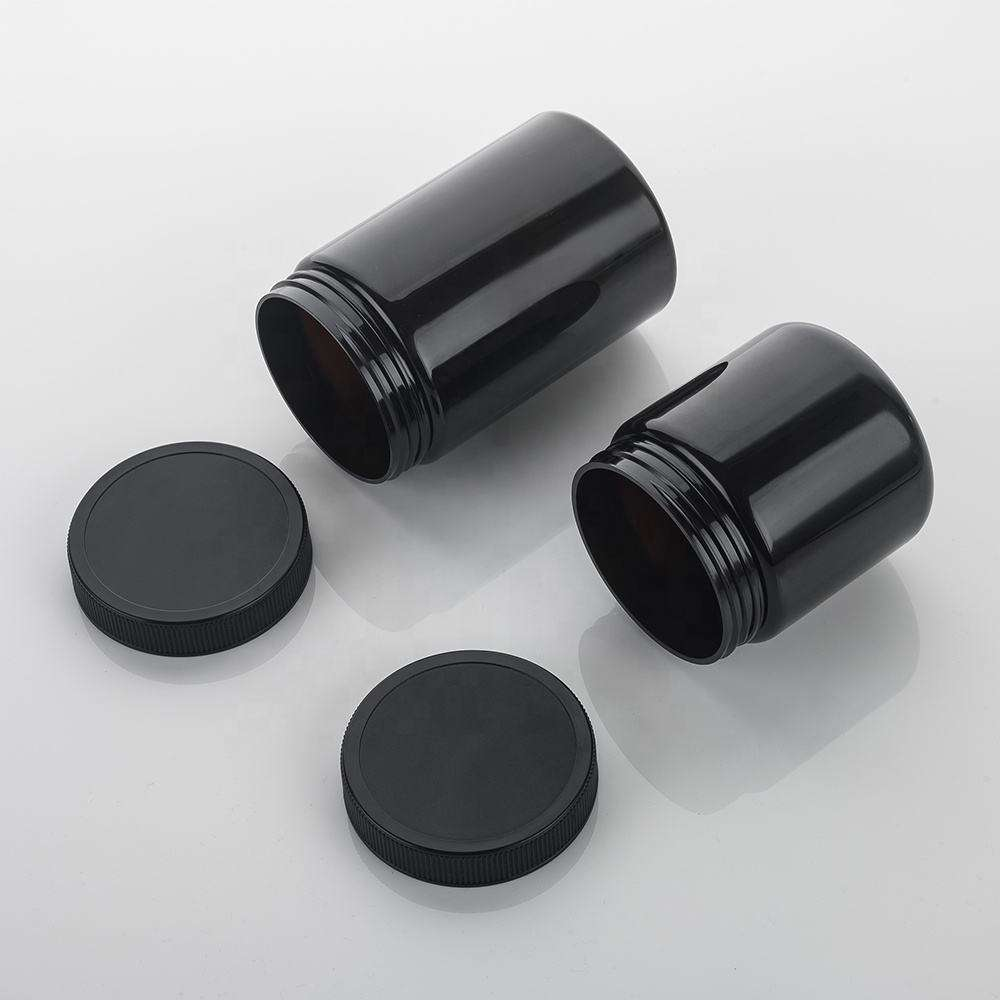
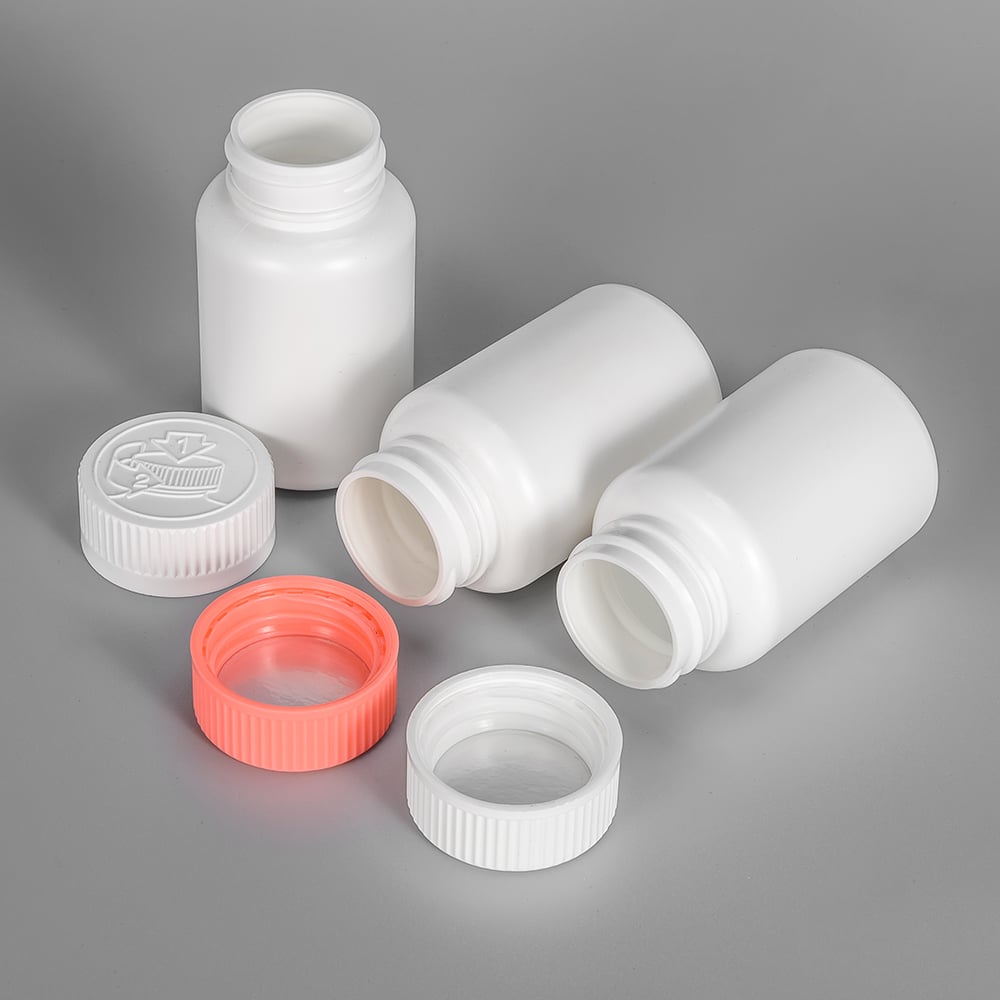
Medical plastic bottles incorporate sophisticated safety mechanisms designed to protect vulnerable populations while maintaining convenient access for intended users. Child-resistant closures represent one of the most critical safety innovations, utilizing push-and-turn or squeeze-and-turn mechanisms that require coordination and strength beyond the capabilities of young children, yet remain manageable for most adults including elderly patients who may have arthritis or reduced hand mobility. These closures undergo rigorous testing protocols to meet international safety standards, dramatically reducing accidental poisoning incidents that previously plagued households with young children. Tamper-evident features provide another essential layer of protection, giving both healthcare providers and patients immediate visual confirmation that medication containers have not been opened or compromised between manufacturing and first use. These tamper-evident systems typically incorporate breakaway bands, sealed caps, or induction seals that must be visibly broken or removed before accessing contents, thereby preventing undetected product contamination or tampering that could pose serious health risks. The barrier properties of medical plastic bottles protect light-sensitive medications from photodegradation by incorporating amber or opaque materials that block harmful ultraviolet and visible light wavelengths which can break down active pharmaceutical ingredients and reduce therapeutic effectiveness. Moisture protection is achieved through precise manufacturing tolerances that create tight seals between bottle and closure, supplemented by desiccant-compatible designs that accommodate moisture-absorbing packets for products requiring ultra-low humidity environments. Medical plastic bottles designed for liquid medications often feature integrated dropper assemblies or dosing cups that promote accurate measurement and prevent spillage, reducing medication waste and ensuring patients receive correct therapeutic doses. The smooth interior surfaces of medical plastic bottles manufactured through injection molding or blow molding processes eliminate crevices where bacteria or residual product might accumulate, supporting cleanliness standards essential in pharmaceutical applications. Many medical plastic bottles now incorporate smart packaging technologies including RFID tags, QR codes, or NFC chips that enable tracking throughout supply chains, verify authenticity, provide dosing reminders, and connect patients with digital medication information.
Superior Material Science and Manufacturing Excellence for Pharmaceutical Standards

Superior Material Science and Manufacturing Excellence for Pharmaceutical Standards

The production of medical plastic bottles involves specialized material selection and manufacturing processes that far exceed requirements for general-purpose containers, ensuring compatibility with diverse pharmaceutical formulations and regulatory compliance across international markets. High-density polyethylene stands as one of the most commonly utilized materials for medical plastic bottles due to its excellent chemical resistance against acids, alcohols, and bases commonly found in pharmaceutical preparations, combined with outstanding impact strength that prevents container failure during handling and distribution. Polypropylene offers another popular option, particularly valued for its higher temperature resistance that allows autoclaving for sterilization purposes and its rigidity that maintains structural integrity even with thin wall construction, reducing material usage while preserving protective functions. Polyethylene terephthalate provides exceptional clarity for applications where visual inspection of contents is crucial, along with superior barrier properties against oxygen and carbon dioxide that protect oxidation-sensitive medications and effervescent formulations. The resin selection process for medical plastic bottles considers extractables and leachables testing to ensure no harmful compounds migrate from container to contents over shelf life, protecting both medication efficacy and patient safety from potential contamination by plasticizers, catalysts, or degradation products. Manufacturing facilities producing medical plastic bottles operate under current Good Manufacturing Practices with environmental controls, clean room classifications, and quality management systems that ensure consistent production standards and traceability for every batch. Injection molding technology creates precise bottle dimensions with tight tolerances necessary for automated filling lines and ensures closure compatibility that maintains hermetic seals throughout product lifecycle. Blow molding processes allow production of seamless bottles without joints or seams that could harbor contaminants or create weak points prone to failure. Surface treatments applied to medical plastic bottles can enhance printability for direct container labeling or modify surface energy to improve adhesion of pressure-sensitive labels containing dosing instructions and regulatory information. Colorants and additives incorporated into medical plastic bottles undergo rigorous safety evaluations to confirm they meet food-contact regulations and pharmaceutical standards, with many manufacturers utilizing masterbatch systems that ensure consistent color throughout production runs. Quality control protocols for medical plastic bottles include dimensional verification, drop testing, seal integrity assessment, and chemical compatibility studies that validate container performance under real-world storage conditions including temperature cycling and humidity exposure.
Versatile Applications Across Healthcare Settings Supporting Patient-Centered Care

Versatile Applications Across Healthcare Settings Supporting Patient-Centered Care

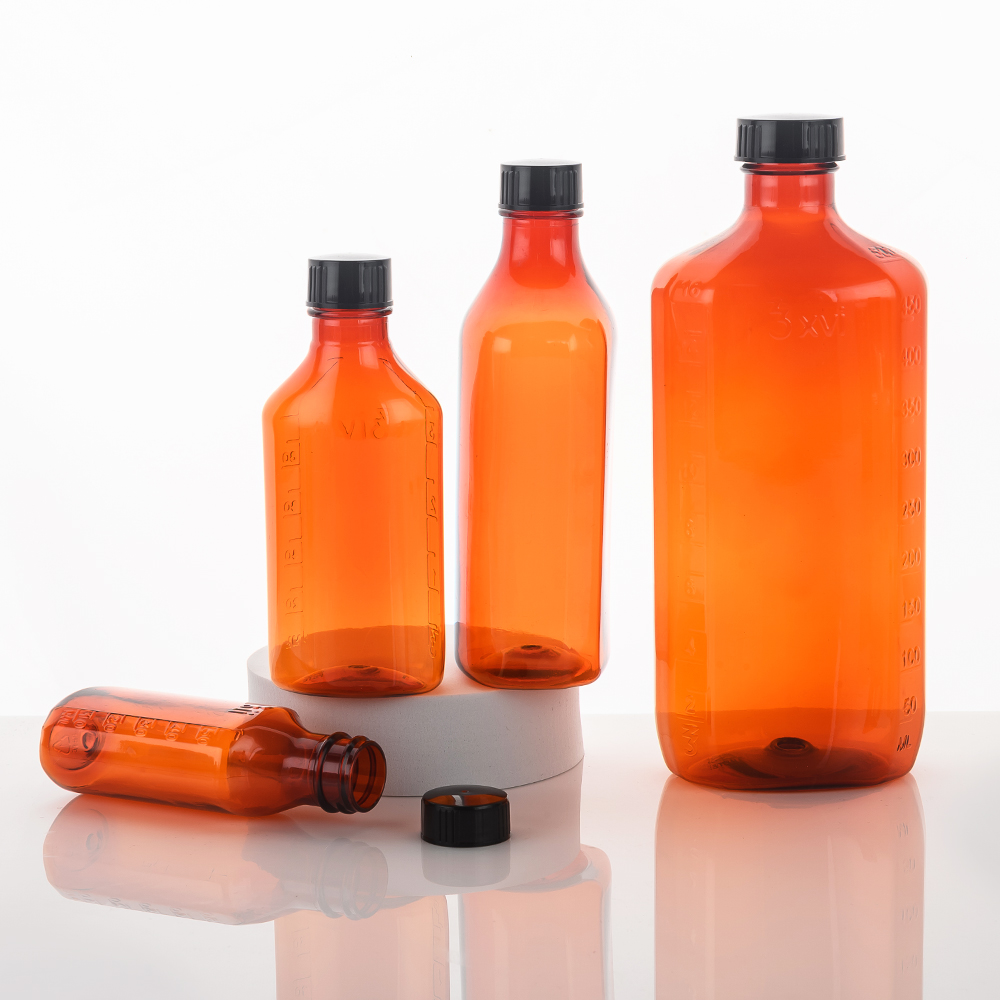
Medical plastic bottles serve an extraordinarily diverse range of applications throughout healthcare ecosystems, demonstrating remarkable adaptability to varied pharmaceutical products, clinical environments, and patient populations with different needs and preferences. In hospital pharmacies, medical plastic bottles house unit-dose packaging systems that reduce medication errors by providing pre-measured quantities for individual patients, streamline nurse workflows by eliminating time-consuming counting and measuring tasks, and improve inventory accuracy through standardized container sizes. Retail pharmacies rely on medical plastic bottles in multiple sizes ranging from small vials for short-term antibiotic courses to large containers for maintenance medications, with amber bottles protecting light-sensitive compounds like certain antibiotics and cardiovascular drugs while clear bottles suit stable formulations. Compounding pharmacies utilize medical plastic bottles specifically designed for custom medication preparations, featuring wide mouths that facilitate ingredient addition and mixing while maintaining contamination control through specialized closures. Veterinary medicine represents a significant application area where medical plastic bottles must withstand animal-resistant features and accommodate flavored medications that encourage compliance in pets, with durability sufficient to survive handling by both animals and their owners. Over-the-counter medication segments extensively employ medical plastic bottles for vitamins, supplements, pain relievers, and digestive aids, where consumer-friendly designs, attractive aesthetics, and shelf appeal influence purchasing decisions while maintaining protective functions. Pediatric formulations packaged in medical plastic bottles incorporate measurement devices calibrated for children's doses, bright colors that help parents distinguish between different family medications, and safety features preventing access by the young patients themselves. Geriatric applications benefit from medical plastic bottles with easy-open caps for arthritis sufferers, large print labeling for vision-impaired individuals, and ergonomic shapes that accommodate tremors or reduced grip strength common in elderly populations. Clinical trial packaging utilizes medical plastic bottles with sophisticated tracking systems, blinded labeling for double-blind studies, and compliance monitoring features that document when containers are opened, supporting research integrity and regulatory submissions. Home healthcare settings increasingly depend on medical plastic bottles that patients can manage independently, featuring clear instructions, intuitive dispensing mechanisms, and designs compatible with daily routines that promote therapeutic adherence and health outcomes. Emergency medical services and disaster response operations value the durability and lightweight properties of medical plastic bottles that survive challenging field conditions while protecting critical medications needed in life-threatening situations where glass containers would pose unacceptable risks.

Get a Free Quote

Our representative will contact you soon.
Email
Mobile/WhatsApp
Name
Company Name
Message
0/1000