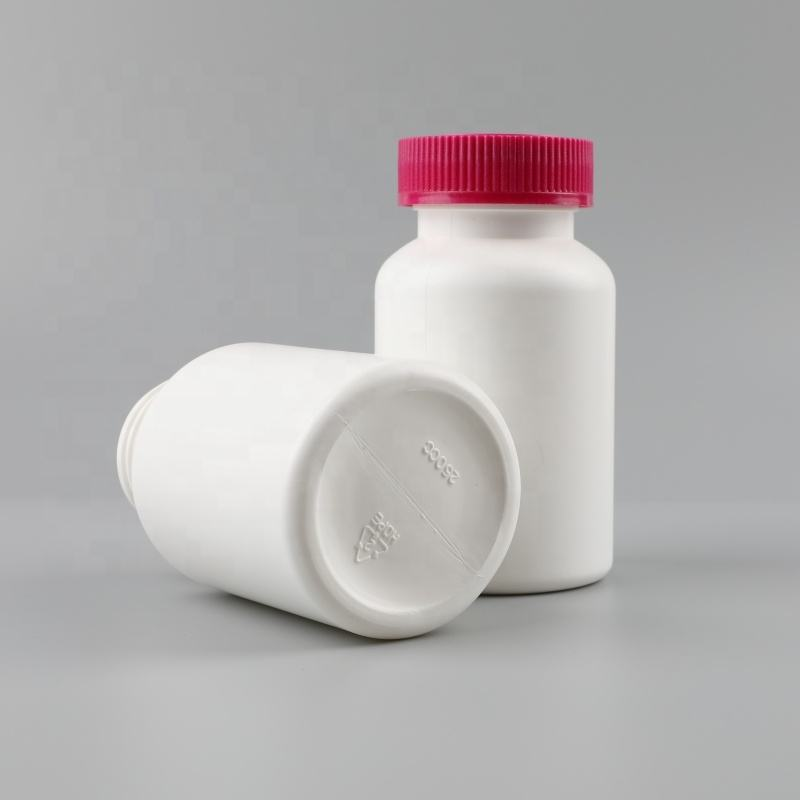
mga bote ng reseta
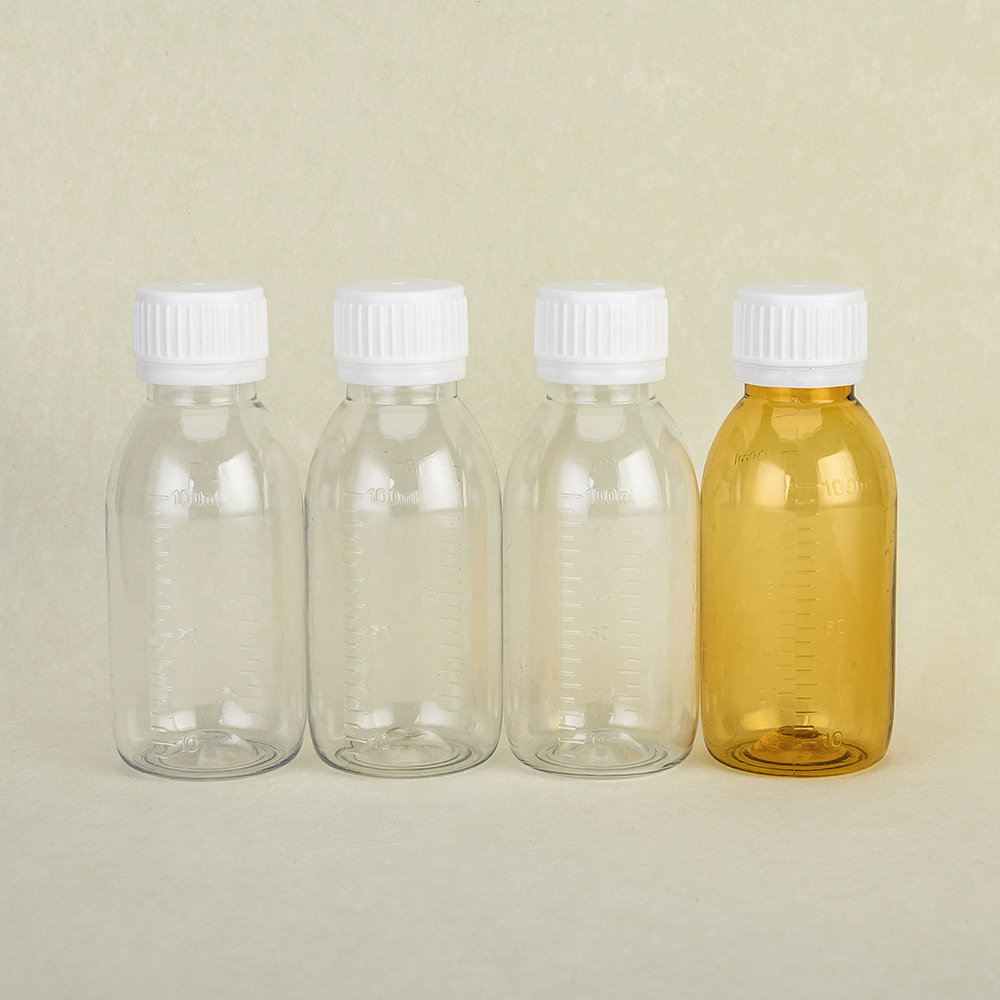
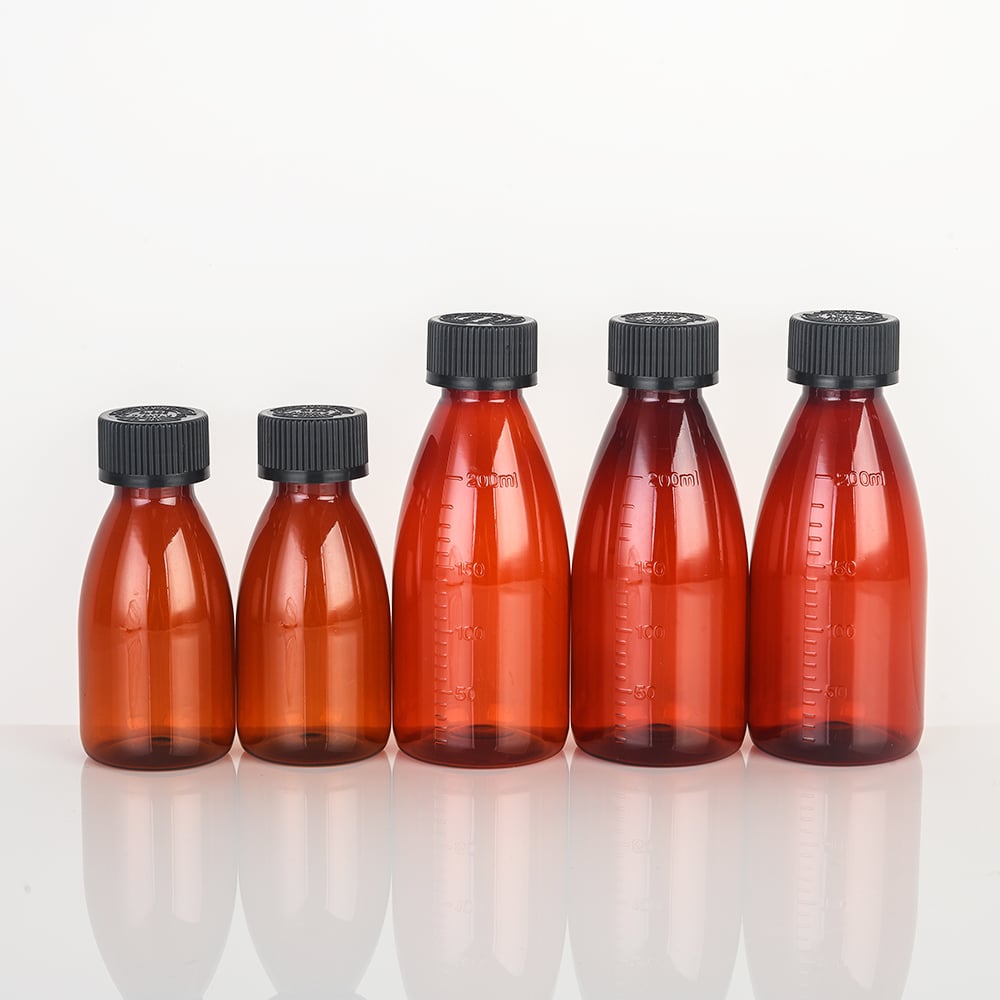
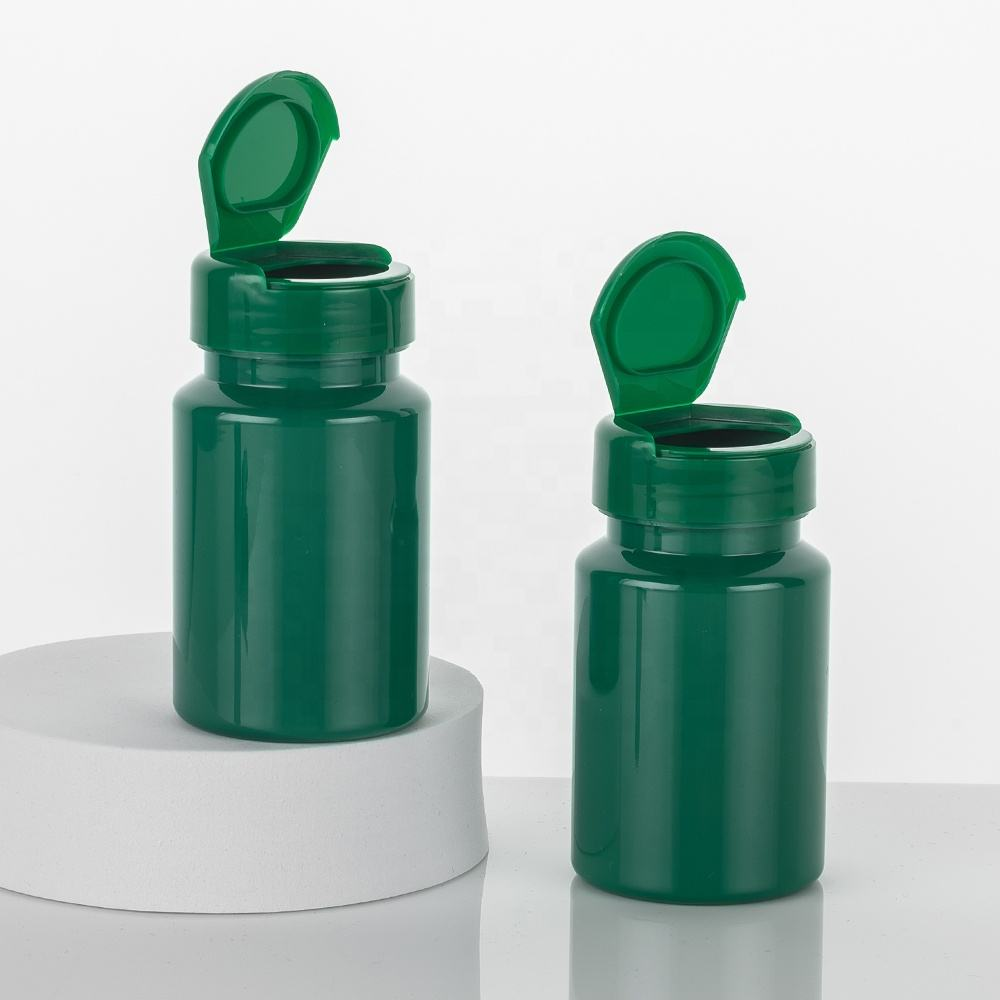
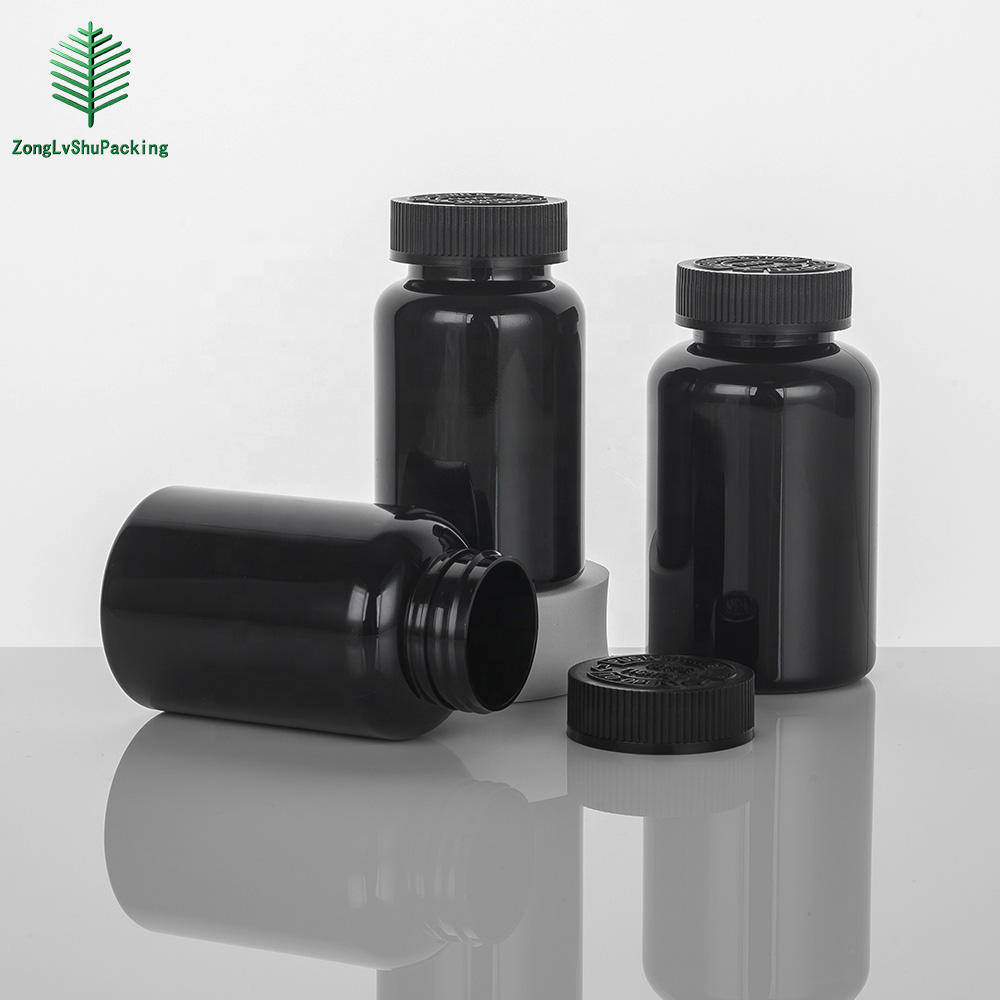
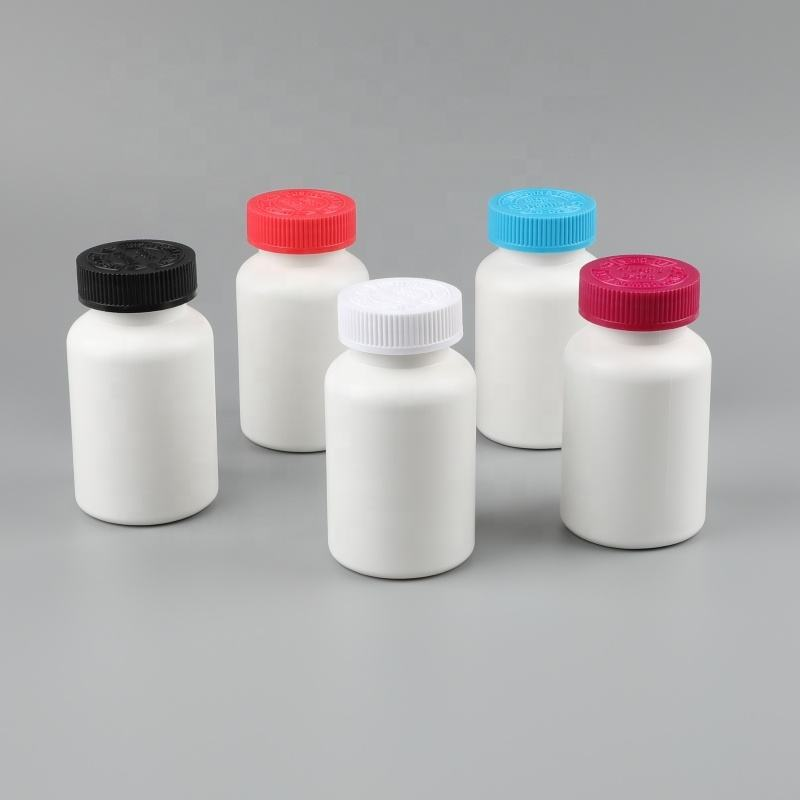
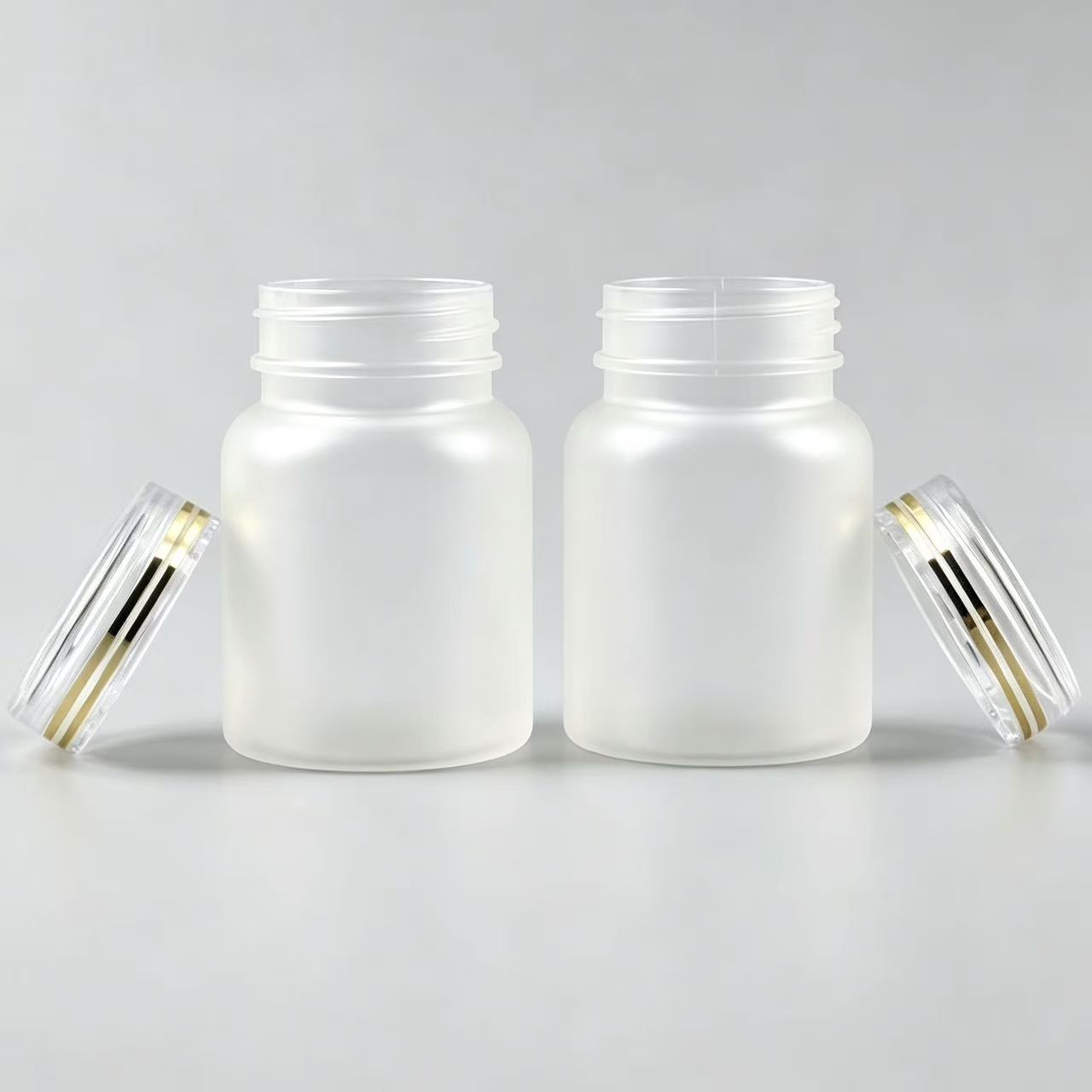
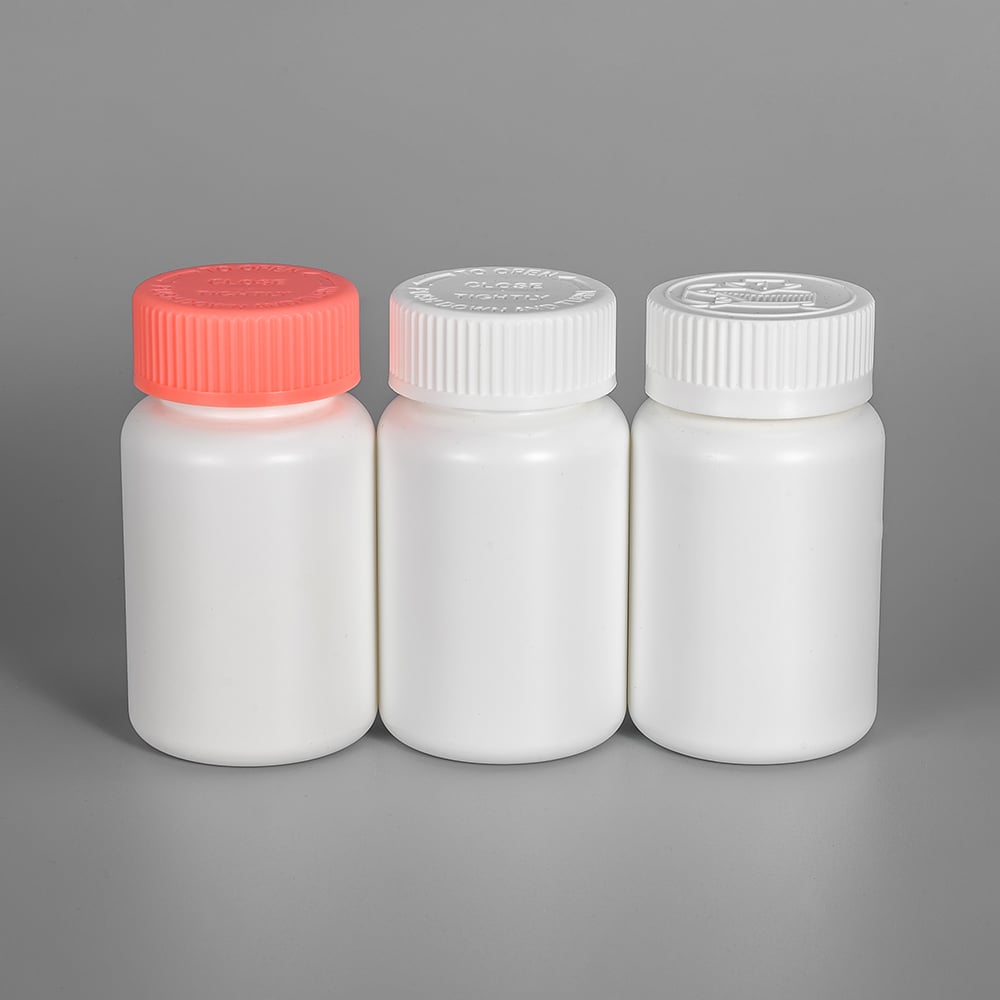
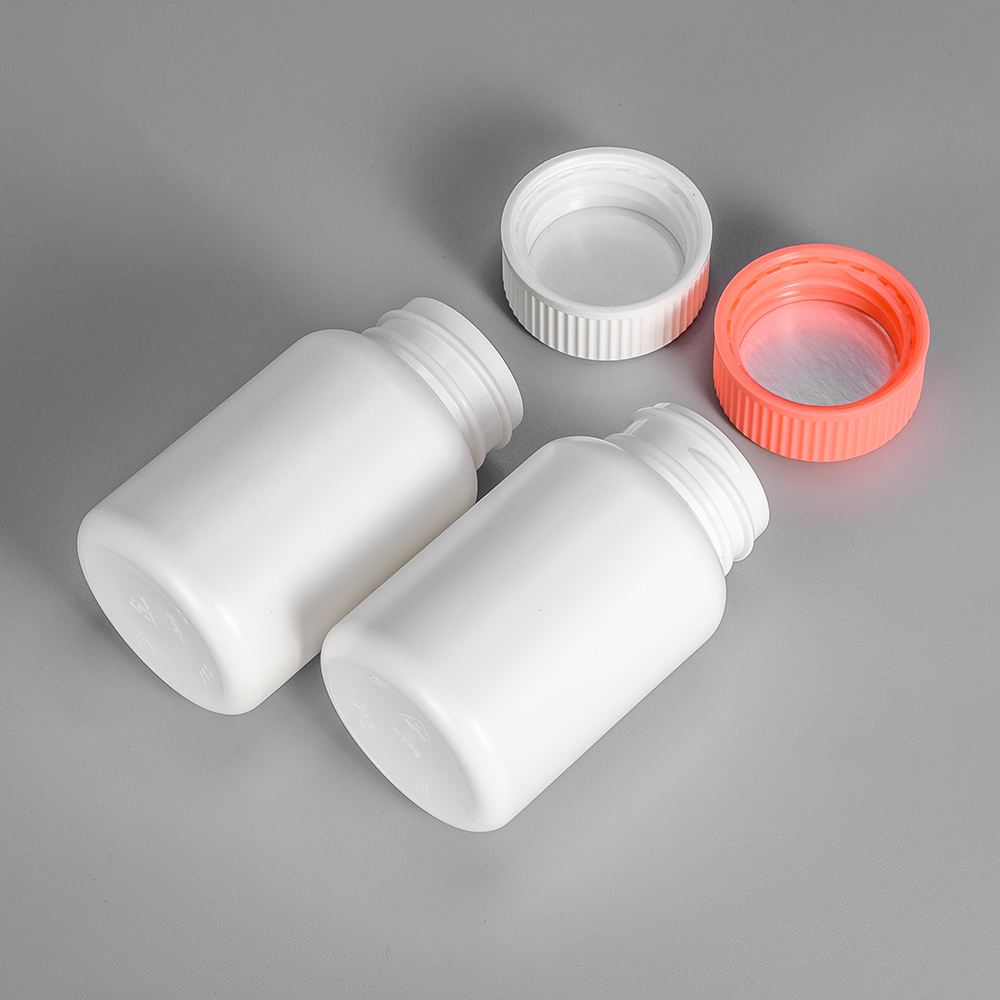
Ang mga bote ng gamot ay mga espesyal na solusyon para sa pag-iimbak ng gamot na idinisenyo upang panatilihin ang integridad ng gamot at tiyakin ang tamang dosis para sa mga pasyente. Ang mga lalagyan na ito ay mahalagang kasangkapan sa pagbibigay ng pangangalagang pangkalusugan, na nag-aalok ng ligtas na imbakan para sa mga reseta ng gamot habang pinoprotektahan ang mga ito mula sa pagkasira dahil sa kapaligiran. Ang mga bote ng gamot ay may takip na pambata na nagpipigil sa aksidental na pag-access, kaya't lubos ang kanilang kabuluhan sa mga tahanan na may mga bata. Ang konstruksyon ng maraming bote ng gamot mula sa salamin na hindi transparent o amber ay protektado ang mga gamot na sensitibo sa liwanag laban sa photodegradation, na nagpapahaba ng kanilang shelf life at pananatiling epektibo ng mga gamot. Ang mga modernong bote ng gamot ay may mga seal na nagpapakita ng anumang pagbubukas at malinaw na lugar para sa label na naglalaman ng impormasyon tungkol sa reseta, instruksyon para sa pasyente, at babala ukol sa gamot. Ang disenyo ng mga bote ng gamot ay sumasaklaw sa iba't ibang uri ng gamot, mula sa mga tablet at kapsula hanggang sa mga likido, na nagbibigay ng versatility para sa iba't ibang pangangailangan sa reseta. Karaniwang mayroon ang mga bote ng gamot ng mga marka para sa eksaktong dosis, lalo na para sa mga gamot na likido. Pananatilihin ng mga bote na ito ang optimal na barrier laban sa kahalumigan upang maiwasan ang pinsala dulot ng halumigmig, na napakahalaga para sa pagpapanatili ng katatagan ng gamot. Ang mga provider ng pangangalagang pangkalusugan at mga pharmacists ay umaasa sa mga bote ng gamot upang matiyak na tatanggap ang mga pasyente ng kanilang gamot sa tamang kondisyon. Ang standard na sukat ng mga bote ng gamot ay nagbibigay-daan sa madaling imbakan sa mga medicine cabinet at travel case. Sumusunod ang mga bote ng gamot sa mahigpit na pamantayan ng FDA at ng industriya ng pharmaceutical, na nangangatiwala sa kaligtasan at katiyakan nito. Kung saan man ginagamit—sa mga retail pharmacy o sa home medicine management—ang mga bote ng gamot ay nagsisilbing pundasyon ng responsable na paghawak sa gamot at ng mga protokol sa kaligtasan ng pasyente.

 EN
EN