Medication Plastic Containers - Safe Pharmaceutical Packaging Solutions for Healthcare

All Categories

Get a Free Quote

Our representative will contact you soon.
Email
Mobile/WhatsApp
Name
Company Name
Message
0/1000

medication plastic containers

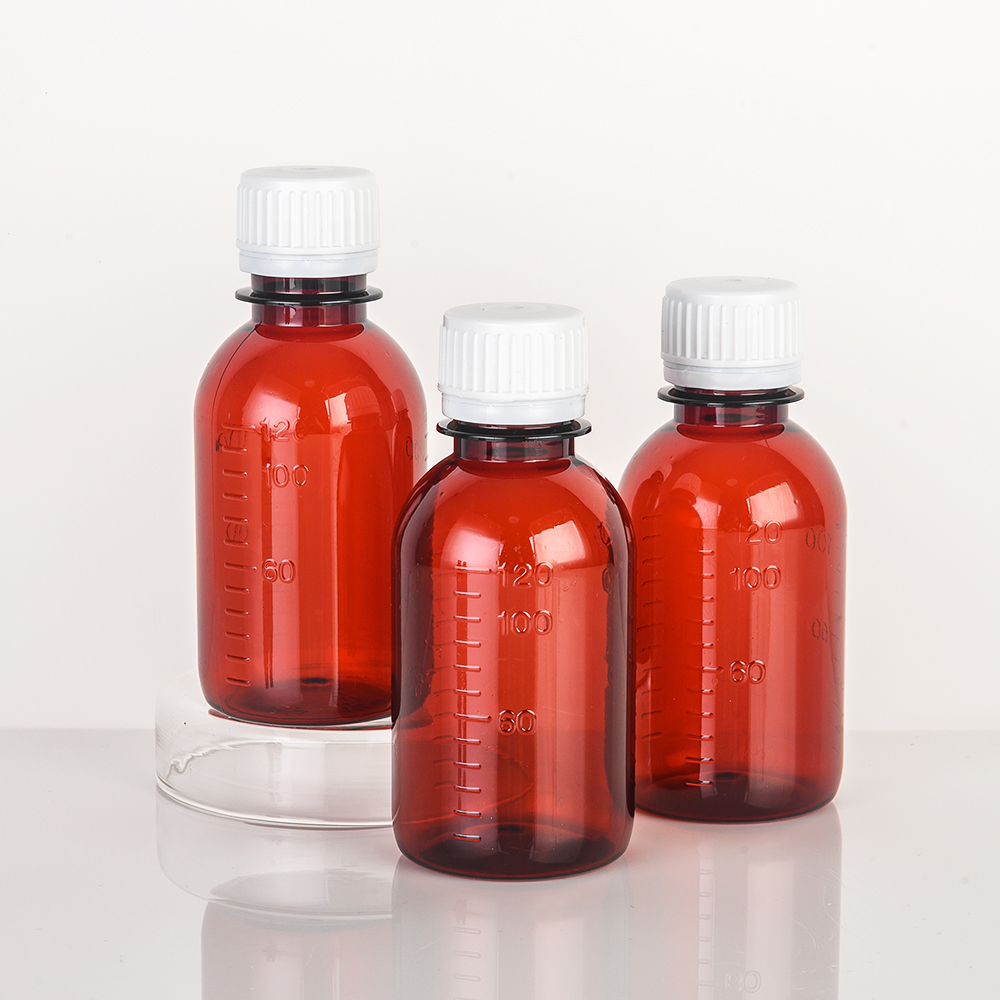
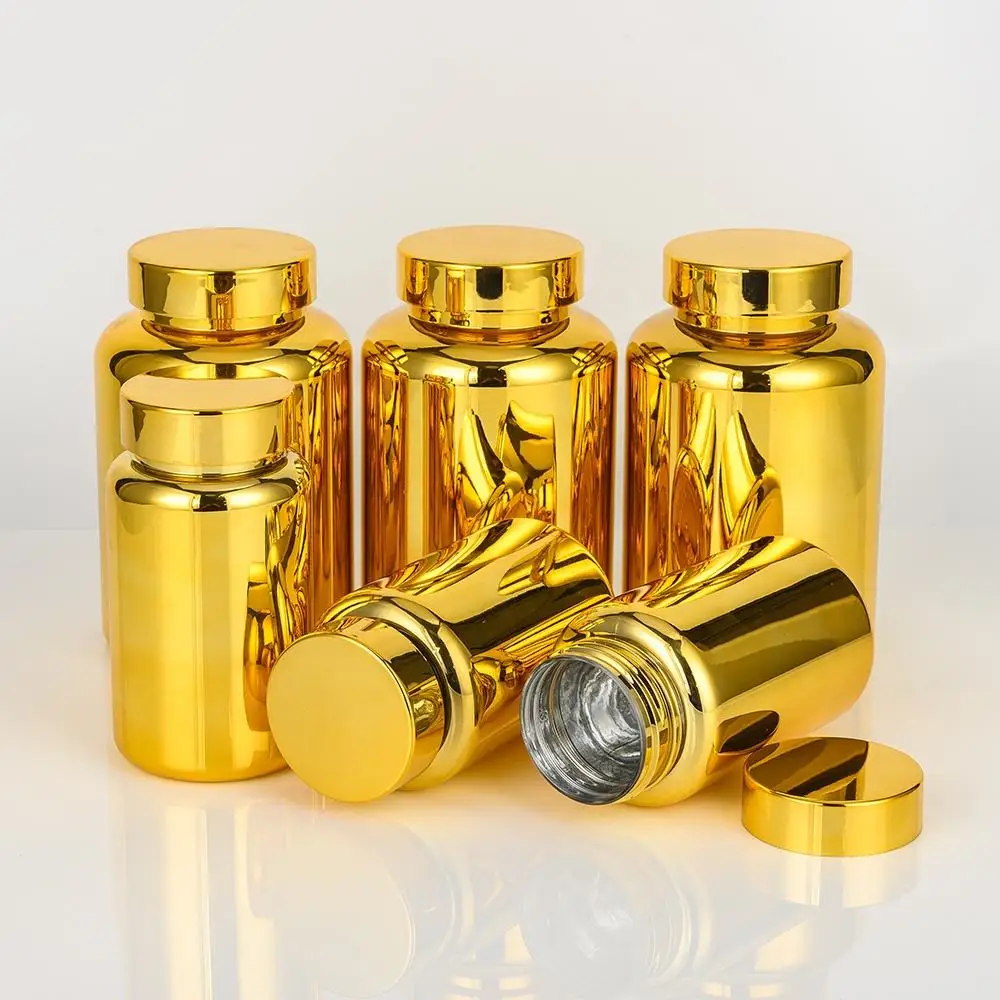
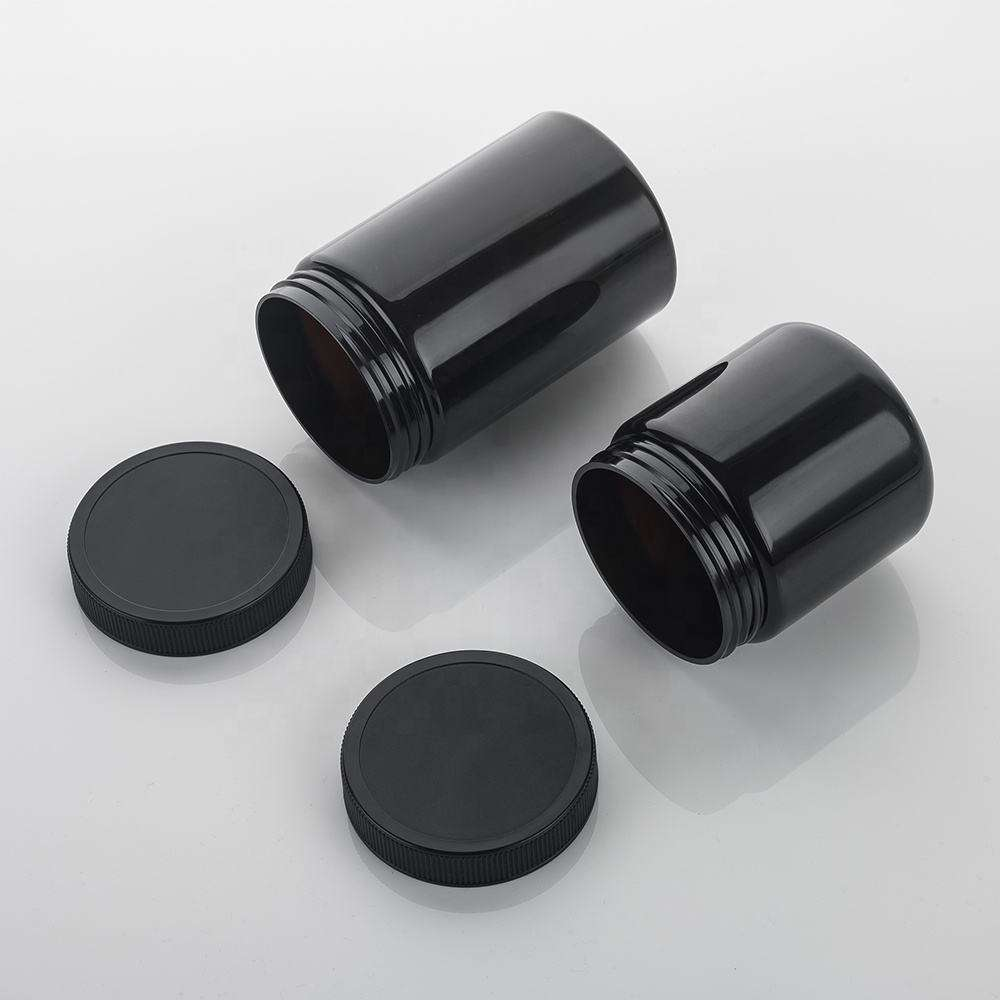
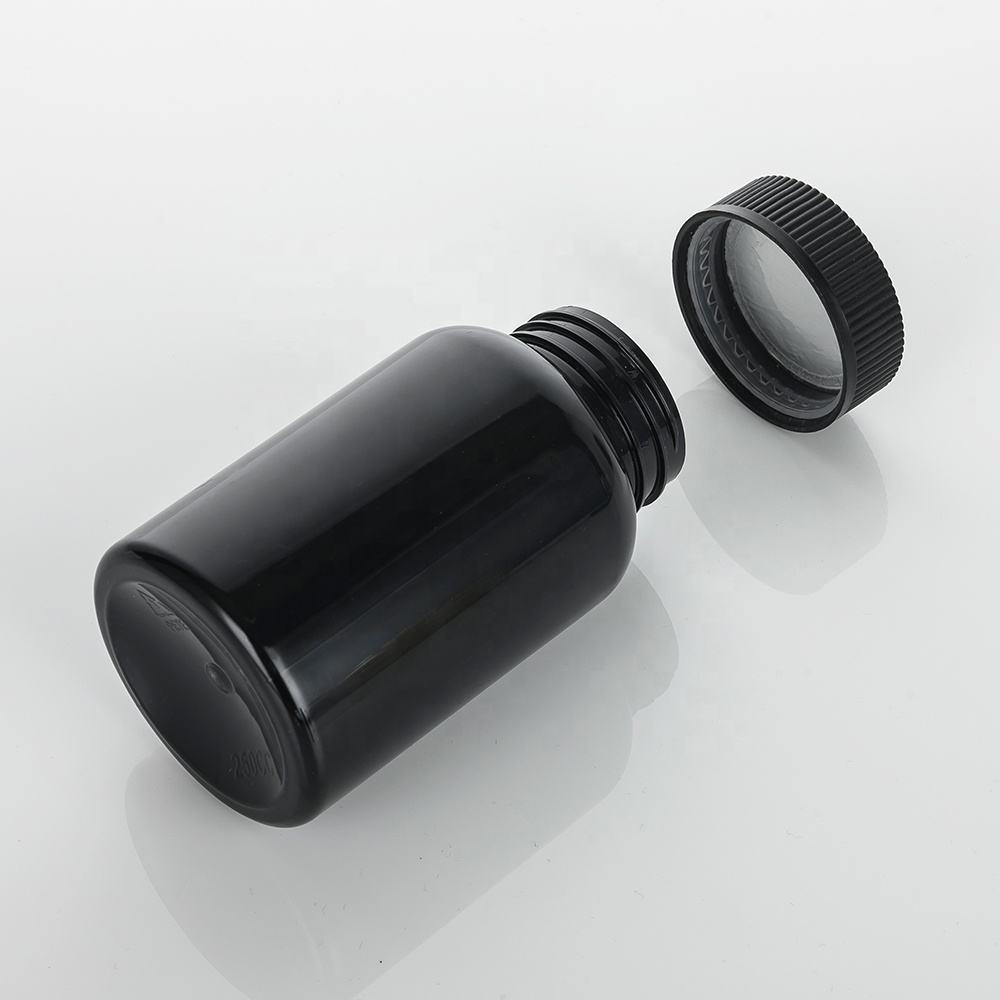
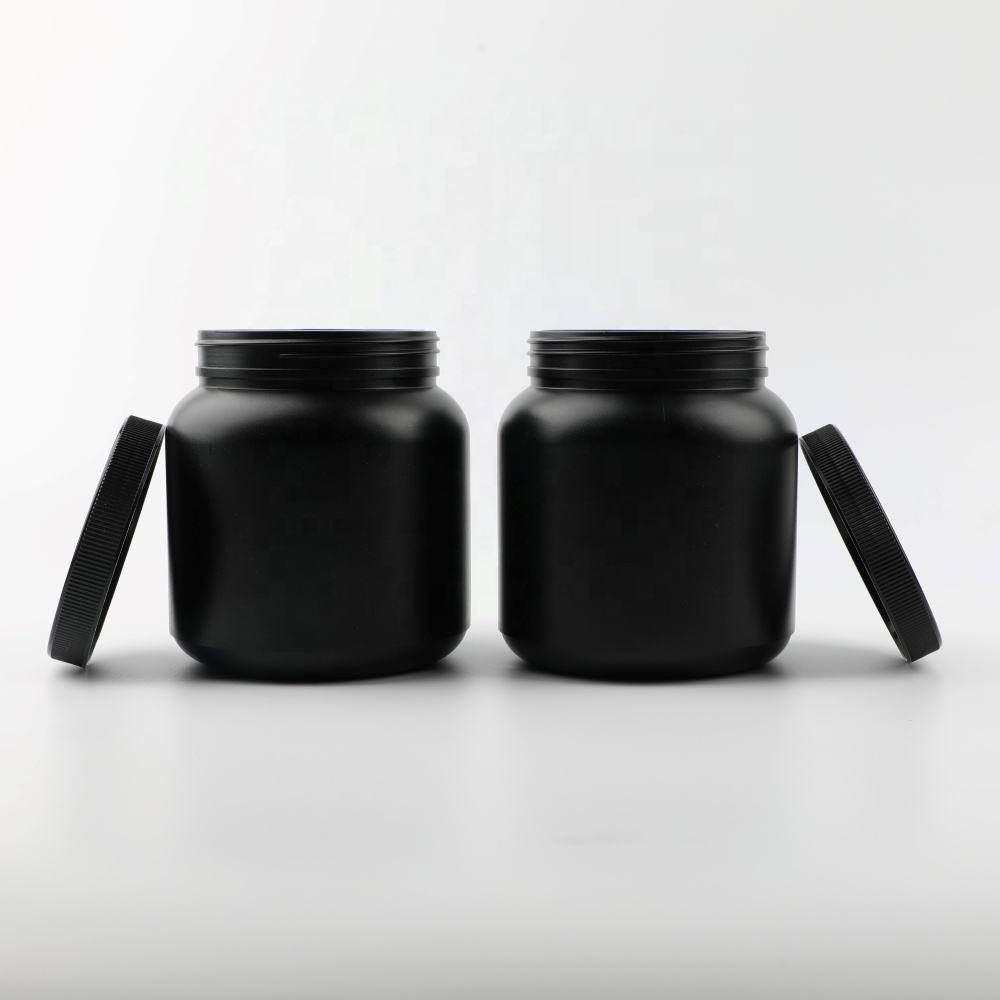
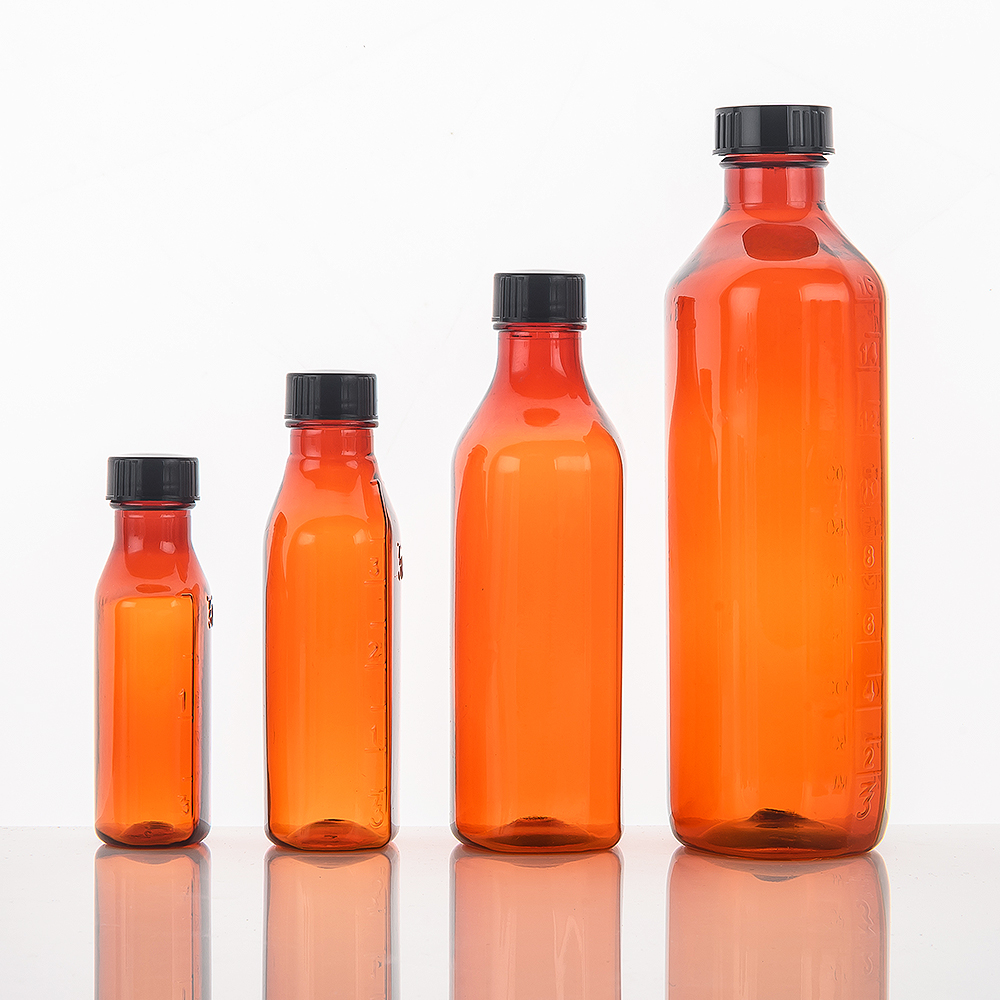
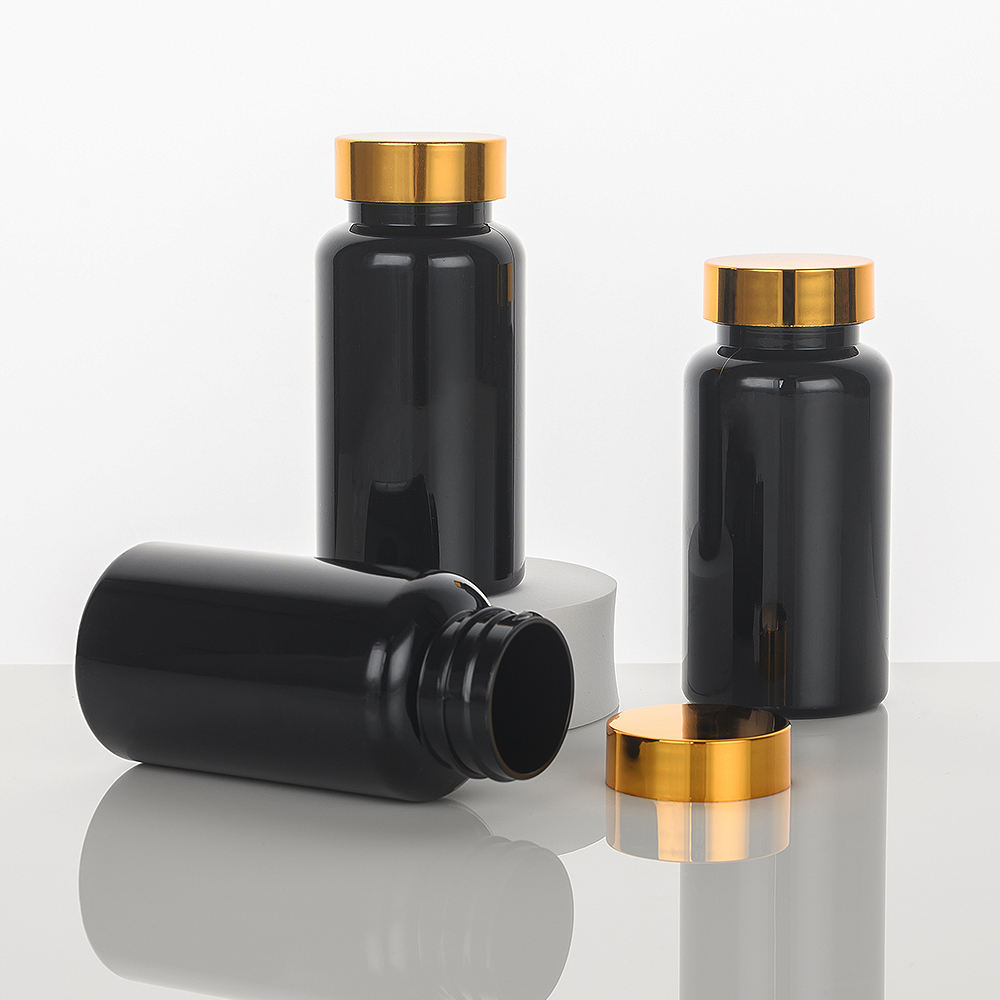
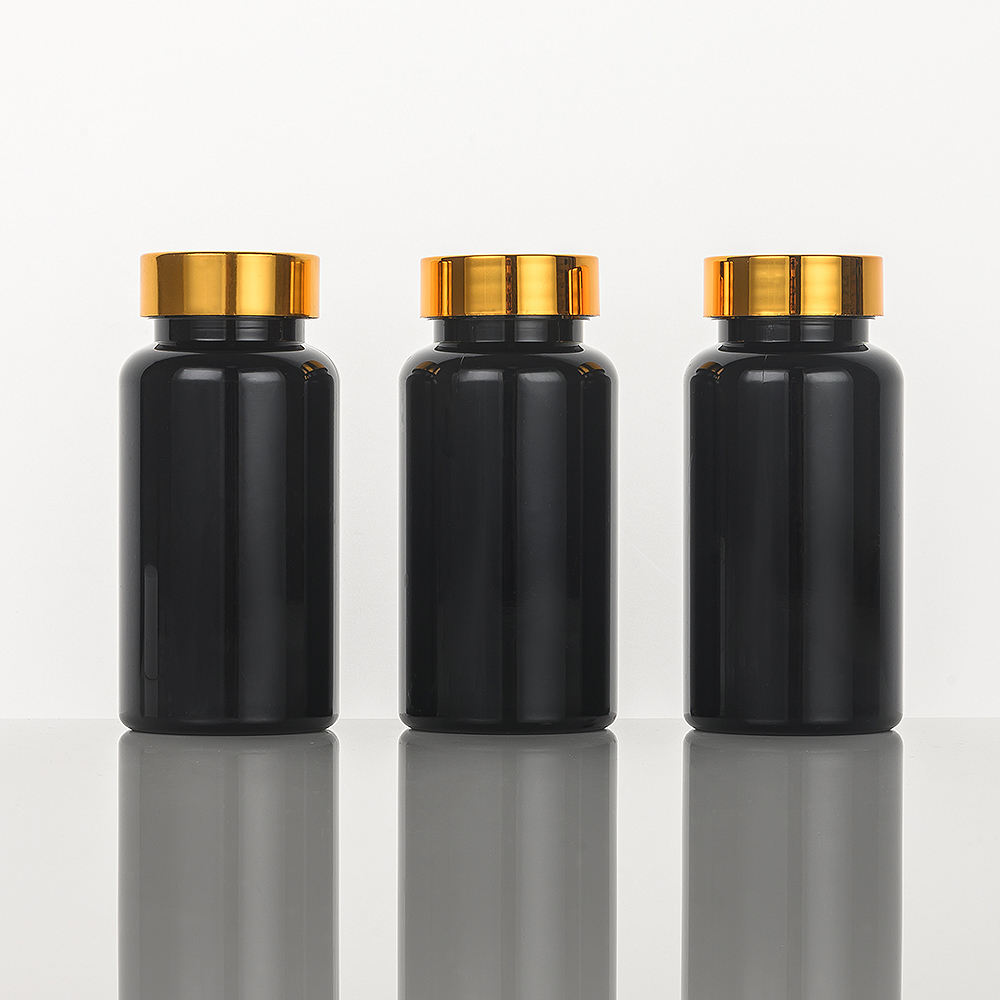
Medication plastic containers represent essential storage solutions in the pharmaceutical and healthcare industries, designed specifically to preserve the integrity, safety, and efficacy of various medicinal products. These specialized containers are manufactured using high-grade pharmaceutical plastics that meet stringent regulatory standards and quality requirements. The primary function of medication plastic containers is to provide secure, contamination-free storage for tablets, capsules, liquid medications, powders, and other pharmaceutical formulations while protecting them from environmental factors such as moisture, light, oxygen, and temperature fluctuations. Technologically, these containers incorporate advanced manufacturing processes including injection molding, blow molding, and extrusion techniques that ensure consistent wall thickness, precise dimensions, and optimal barrier properties. Many medication plastic containers feature child-resistant closures, tamper-evident seals, and innovative dispensing mechanisms that enhance user safety and convenience. The materials commonly used include high-density polyethylene, polypropylene, polyethylene terephthalate, and specialized medical-grade plastics that are inert, non-reactive, and compatible with a wide range of pharmaceutical compounds. These containers undergo rigorous testing for chemical resistance, durability, and compliance with pharmacopeial standards set by organizations such as the FDA, USP, and European Pharmacopoeia. Applications of medication plastic containers span across retail pharmacies, hospital dispensaries, pharmaceutical manufacturing facilities, clinical trial packaging, veterinary medicine, and home healthcare settings. They are utilized for both prescription and over-the-counter medications, supplements, and nutraceutical products. The versatility of medication plastic containers allows for customization in sizes ranging from small unit-dose packages to bulk storage bottles, accommodating diverse packaging requirements across the pharmaceutical supply chain and ensuring that medications reach patients in optimal condition.

New Product Releases

Medication plastic containers offer numerous practical benefits that make them the preferred choice for pharmaceutical packaging across global markets. First and foremost, these containers provide exceptional protection against contamination and degradation, ensuring that medications maintain their therapeutic potency throughout their shelf life. The lightweight nature of plastic materials significantly reduces shipping costs and carbon footprint compared to traditional glass alternatives, making them economically advantageous for both manufacturers and distributors. Patients and caregivers appreciate the unbreakable quality of medication plastic containers, which eliminates the risk of dangerous glass shards and makes them safer for use in homes, hospitals, and care facilities where accidents can occur. The cost-effectiveness of plastic manufacturing allows pharmaceutical companies to invest more resources in drug development while keeping medication prices accessible to consumers. Modern medication plastic containers incorporate user-friendly features such as easy-open caps for adults, clear dosage markings, and transparent walls that allow visual inspection of contents without opening the package. These containers provide excellent moisture barriers that prevent humidity from compromising medication stability, particularly crucial for hygroscopic drugs that absorb water from the environment. The chemical inertness of pharmaceutical-grade plastics ensures no interaction between container and contents, preserving the purity and efficacy of sensitive formulations. Manufacturers benefit from the design flexibility of medication plastic containers, which can be molded into various shapes, sizes, and configurations to accommodate different medication forms and dosing requirements. The recyclability of many pharmaceutical plastics supports environmental sustainability initiatives while maintaining the highest safety standards. Medication plastic containers can be easily labeled with vital information including drug names, dosages, expiration dates, barcodes, and patient instructions, enhancing medication management and reducing dispensing errors. The tamper-evident features integrated into these containers provide visible proof of product integrity, building consumer confidence and protecting against counterfeiting. Healthcare facilities appreciate the stackable designs that optimize storage space and inventory management systems. The durability of medication plastic containers ensures they withstand normal handling, transportation, and storage conditions without compromising structural integrity. Additionally, these containers can be manufactured in compliance with various regulatory requirements across different markets, facilitating international distribution of pharmaceutical products while maintaining consistent quality standards that protect patient safety worldwide.

Practical Tips

Our advantage

10

Mar

Our advantage

View More
TAIZHOU ZONG LV SHU PACKING CO., LTD

17

Mar

TAIZHOU ZONG LV SHU PACKING CO., LTD

View More

Get a Free Quote

Our representative will contact you soon.
Email
Mobile/WhatsApp
Name
Company Name
Message
0/1000

medication plastic containers

Advanced Barrier Technology and Medication Protection Systems

Advanced Barrier Technology and Medication Protection Systems

Medication plastic containers utilize sophisticated barrier technology that represents a crucial advancement in pharmaceutical packaging science. The molecular structure of specialized pharmaceutical plastics creates multiple protective layers that shield medications from environmental threats that could compromise their therapeutic value. These containers employ high-performance polymer blends engineered to minimize oxygen transmission rates, which is particularly vital for medications susceptible to oxidative degradation. The moisture barrier properties of medication plastic containers prevent water vapor ingress that could trigger hydrolysis reactions in moisture-sensitive formulations, extending shelf life and maintaining drug stability. Advanced co-extrusion techniques create multi-layer structures where each layer serves a specific protective function, combining materials with complementary properties to achieve optimal barrier performance. Light-sensitive medications benefit from amber or opaque medication plastic containers that block ultraviolet and visible light wavelengths known to catalyze photochemical degradation reactions. The hermetic sealing systems integrated into these containers create virtually impenetrable closures that maintain internal atmospheric conditions, preventing volatile component loss and external contaminant entry. Innovative desiccant integration options allow moisture-absorbing materials to be incorporated directly into container closures or walls, providing continuous protection throughout the product lifecycle. The barrier effectiveness of medication plastic containers has been validated through accelerated stability testing protocols that simulate years of storage under various climatic conditions, demonstrating their reliability across diverse geographical markets. Pharmaceutical manufacturers rely on these proven protective capabilities to ensure that medications retain full potency from production through patient administration. The technological sophistication extends to specialized additives that enhance barrier properties without compromising material safety or regulatory compliance. Oxygen scavengers can be incorporated into container walls to actively remove trace oxygen that enters the package, providing dynamic protection beyond passive barrier functions. These protection systems work synergistically to create an optimal microenvironment that preserves medication integrity, ensuring that patients receive therapeutic products with consistent quality and efficacy regardless of storage duration or environmental exposure.
Safety Features and Patient-Centric Design Innovation

Safety Features and Patient-Centric Design Innovation

Modern medication plastic containers incorporate comprehensive safety features designed with patient protection and usability as primary considerations. Child-resistant closure systems represent one of the most critical safety innovations, utilizing mechanical designs that require specific manipulation sequences beyond the capabilities of young children while remaining accessible to adult users including elderly patients with reduced dexterity. These closures undergo rigorous testing according to standards that measure their effectiveness in preventing accidental pediatric poisoning while ensuring senior-friendly operation. Tamper-evident bands and seals provide immediate visual confirmation that medication plastic containers have not been opened or compromised prior to legitimate use, addressing critical safety concerns in an era of heightened awareness about product integrity and counterfeiting. The transparency of many medication plastic containers allows patients and healthcare providers to conduct visual inspections without breaking protective seals, enabling verification of medication appearance, color consistency, and the absence of contamination or foreign particles. Ergonomic design principles guide the development of container shapes that facilitate comfortable gripping, stable placement on surfaces, and effortless one-handed operation for individuals managing multiple health conditions. Tactile differentiation features including raised symbols, textured surfaces, and distinct shapes help visually impaired patients identify medications correctly and reduce the risk of administration errors. Dosing accuracy receives special attention through integrated measurement systems such as graduated cylinders for liquids, counted tablet compartments, and precise drop dispensers that eliminate guesswork and promote correct medication usage. Safety messaging areas on medication plastic containers provide ample space for critical warning labels, usage instructions, and emergency contact information displayed in clear, readable fonts that accommodate various literacy levels. The materials used in these containers undergo extensive biocompatibility testing to ensure they cause no adverse reactions when contacted by patients during normal use, addressing concerns about potential allergens or irritants. Drop-test certifications verify that medication plastic containers maintain closure integrity even after accidental falls, preventing spillage and maintaining dose accuracy. Healthcare providers value the compatibility of these containers with automated dispensing systems and prescription verification technologies that reduce medication errors in clinical settings. The thoughtful integration of these safety features demonstrates how medication plastic containers prioritize patient welfare through evidence-based design innovations that address real-world usage scenarios and protect vulnerable populations from preventable harm.
Sustainability and Economic Efficiency in Pharmaceutical Packaging

Sustainability and Economic Efficiency in Pharmaceutical Packaging

Medication plastic containers represent an optimal balance between environmental responsibility and economic viability in pharmaceutical packaging solutions. The reduced material weight compared to glass alternatives translates directly into lower transportation fuel consumption and decreased carbon emissions throughout the supply chain, contributing measurably to sustainability goals without compromising product protection. Manufacturing processes for medication plastic containers require significantly less energy than glass production, which demands extremely high melting temperatures and intensive processing steps, making plastic options more environmentally efficient from a lifecycle perspective. Modern recycling technologies enable many pharmaceutical plastics to be reclaimed and reprocessed into new containers or alternative products, supporting circular economy principles and reducing landfill burden. Pharmaceutical companies achieve substantial cost savings through the adoption of medication plastic containers, as the materials themselves cost less than glass while offering comparable or superior performance characteristics for most applications. The unbreakable nature of plastic eliminates product loss from container breakage during manufacturing, distribution, and handling, representing significant waste reduction and cost avoidance. Inventory management becomes more efficient with lightweight medication plastic containers that maximize warehouse space utilization and reduce structural load requirements for storage facilities. The design flexibility inherent in plastic manufacturing allows for container optimization that minimizes material usage while maintaining structural integrity and barrier properties, exemplifying resource efficiency principles. Pharmaceutical manufacturers can implement lean production strategies more effectively with medication plastic containers due to faster production cycles, lower tooling costs, and greater manufacturing agility compared to glass alternatives. Healthcare systems benefit economically from reduced handling injuries and disposal costs associated with plastic containers versus breakable glass options. The scalability of plastic production enables manufacturers to respond quickly to demand fluctuations without substantial capital investment in new equipment or facilities. Small and medium pharmaceutical enterprises gain market access through affordable packaging solutions that medication plastic containers provide, democratizing the industry and fostering innovation. Extended shelf life enabled by superior barrier properties reduces medication waste from expiration, representing both economic and environmental benefits. Transportation efficiency improves dramatically as more medication plastic containers fit per shipment compared to equivalent glass packaging, reducing the number of trips required and associated environmental impacts. The global standardization of pharmaceutical plastic materials and manufacturing processes facilitates international trade and reduces complexity in multi-market operations. These economic and sustainability advantages position medication plastic containers as responsible choices that align business objectives with environmental stewardship and social responsibility, demonstrating that pharmaceutical packaging can simultaneously serve commercial interests and broader societal values through thoughtful material selection and engineering excellence.

Get a Free Quote

Our representative will contact you soon.
Email
Mobile/WhatsApp
Name
Company Name
Message
0/1000