Plastic Containers for Medicines: Advanced Pharmaceutical Packaging Solutions for Safety and Protection

All Categories

Get a Free Quote

Our representative will contact you soon.
Email
Mobile/WhatsApp
Name
Company Name
Message
0/1000

plastic containers for medicines

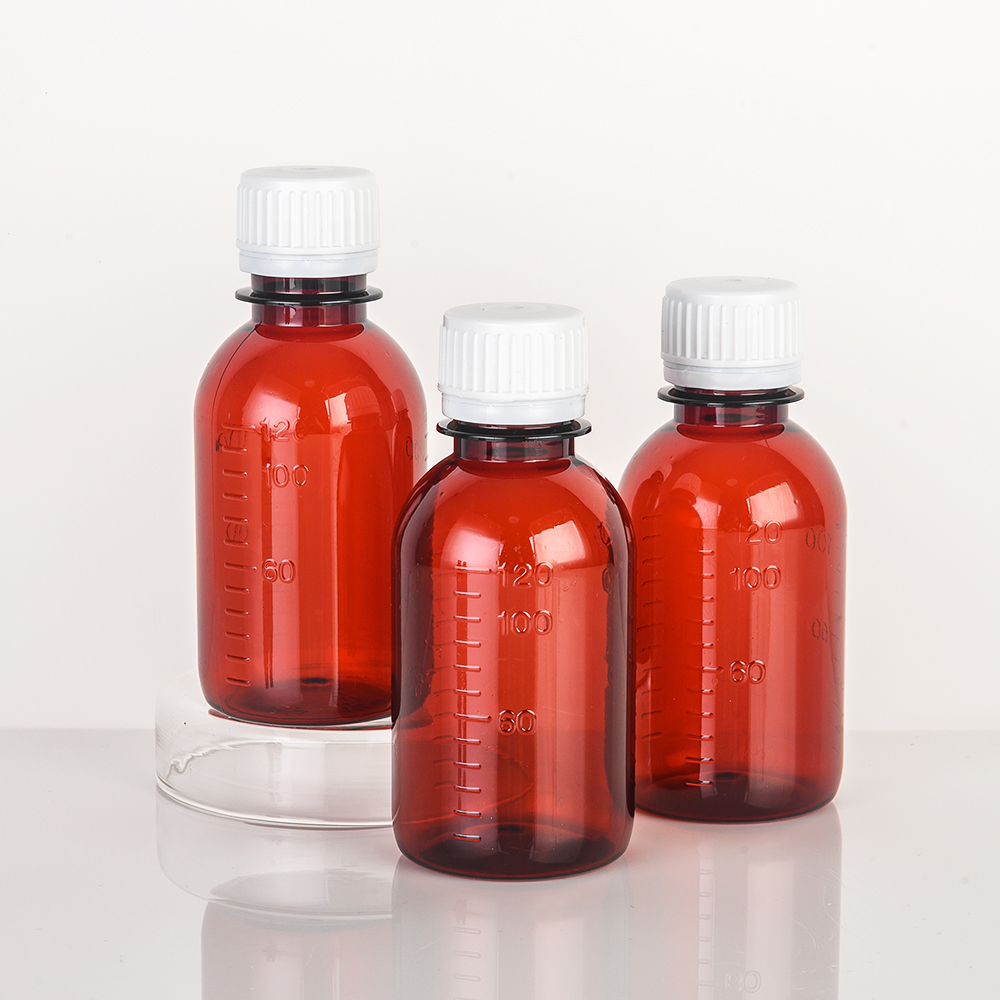
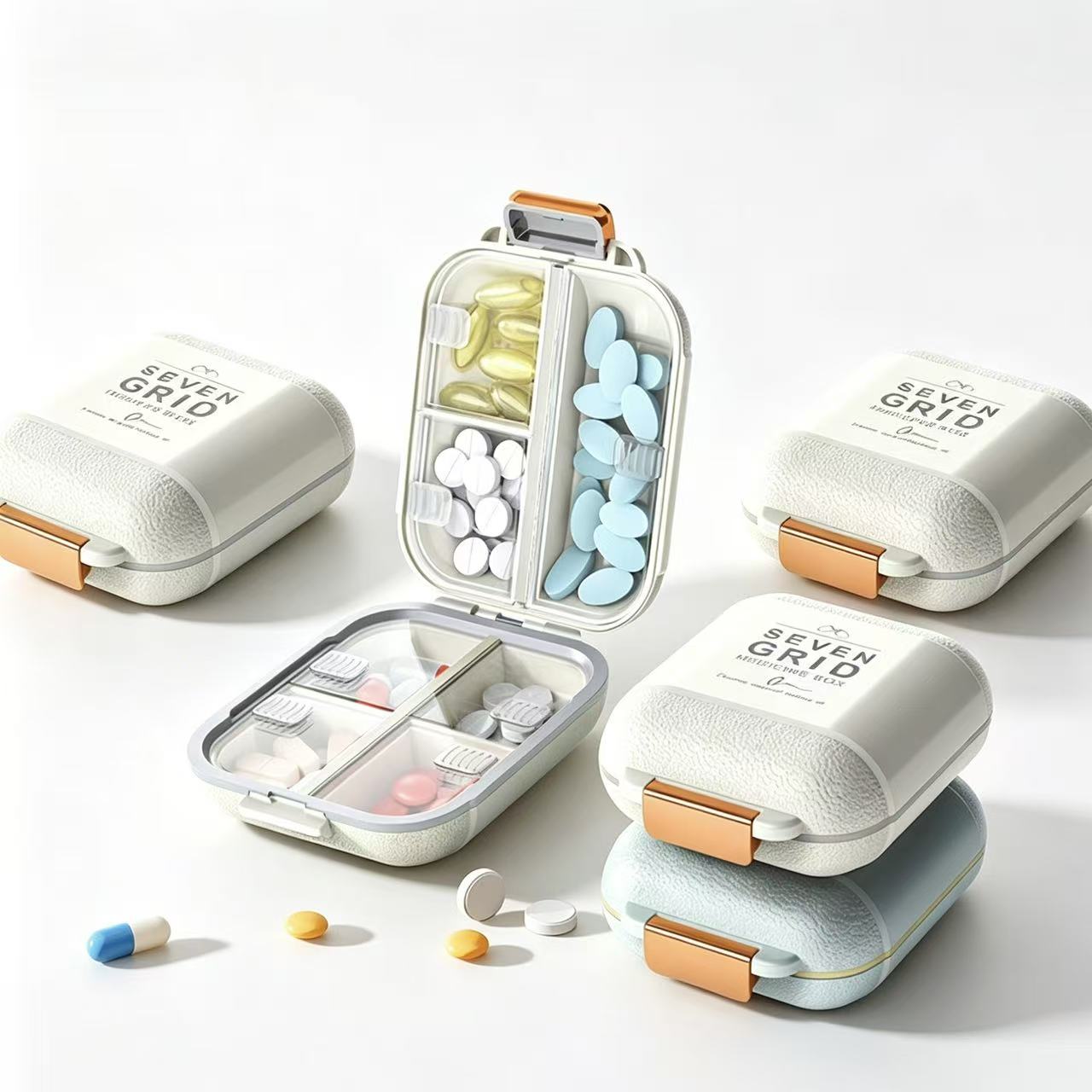
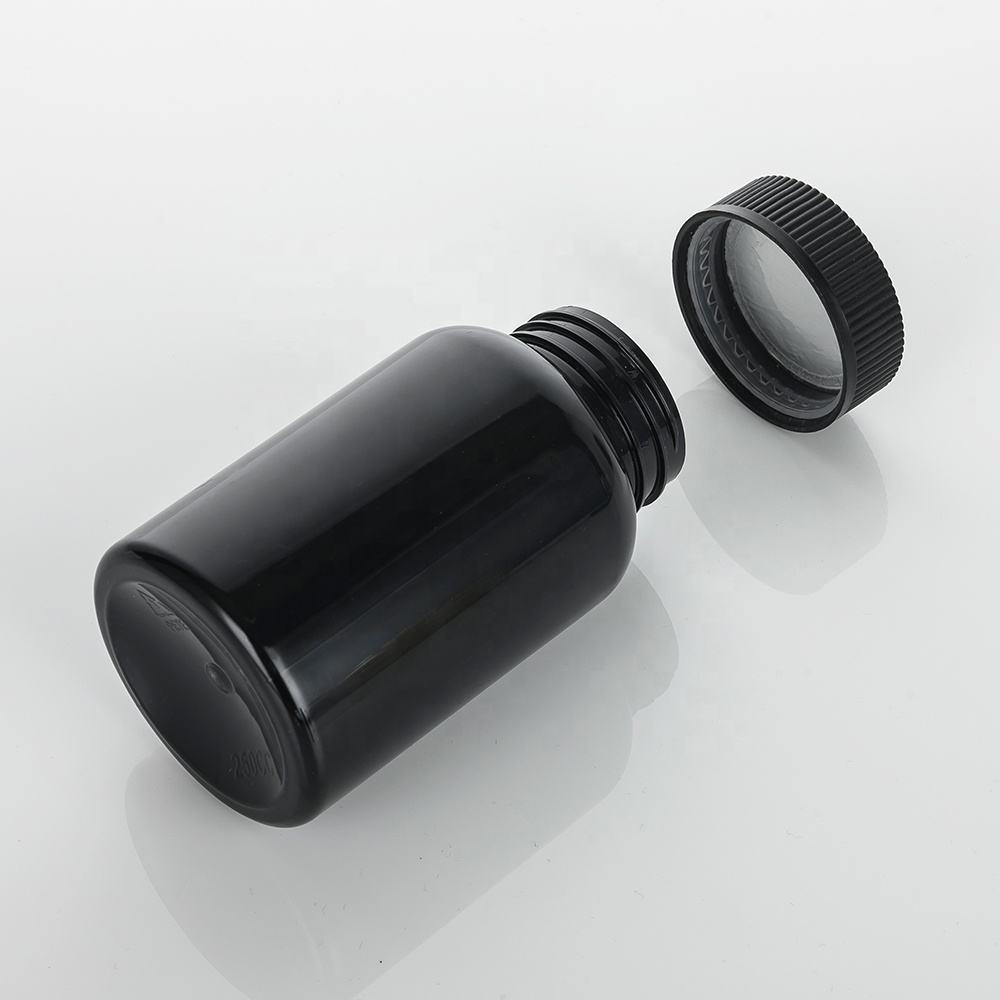
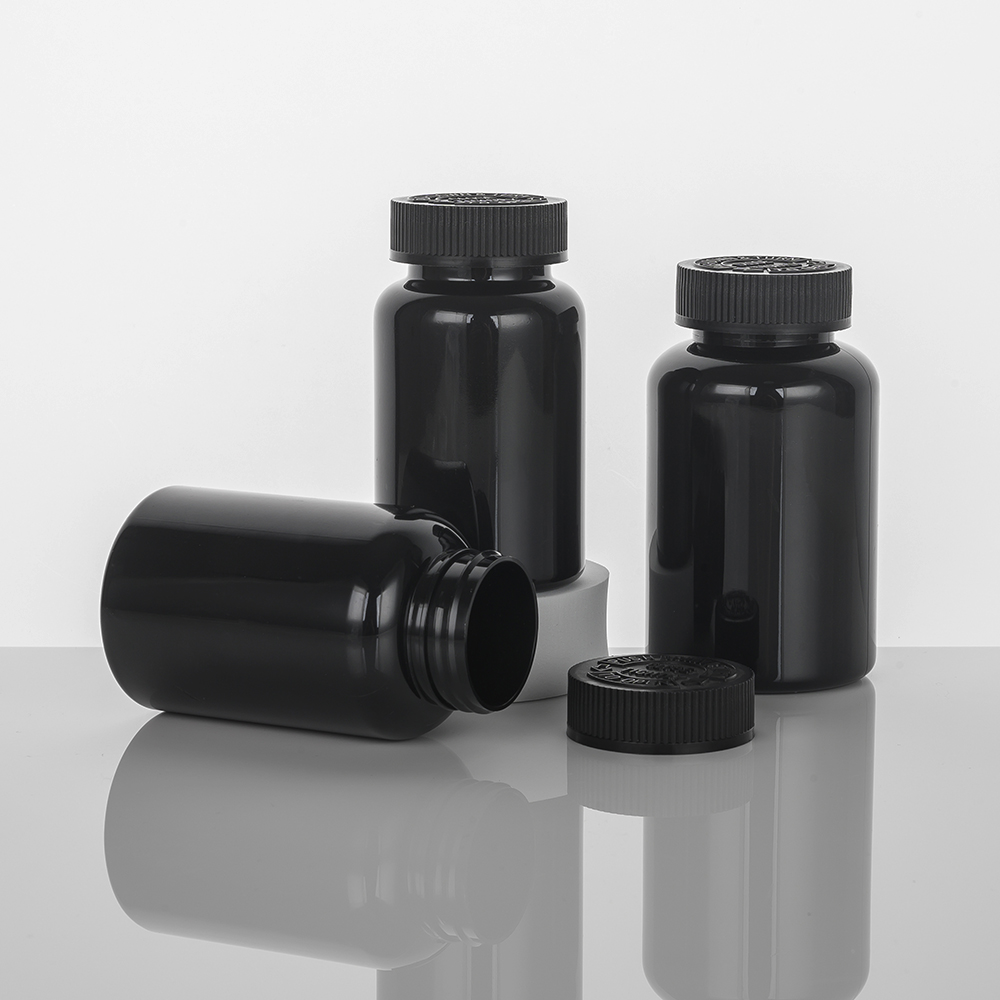
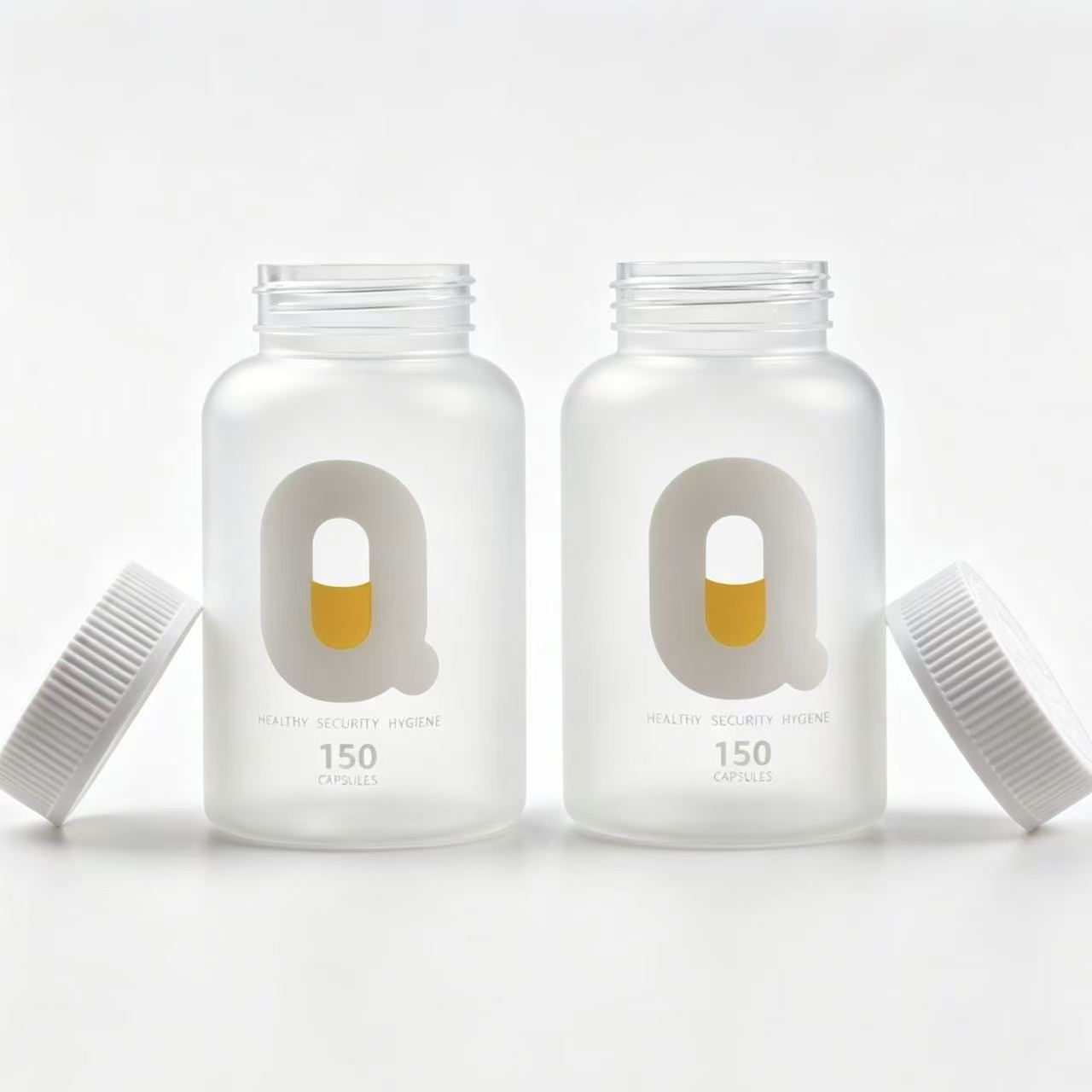
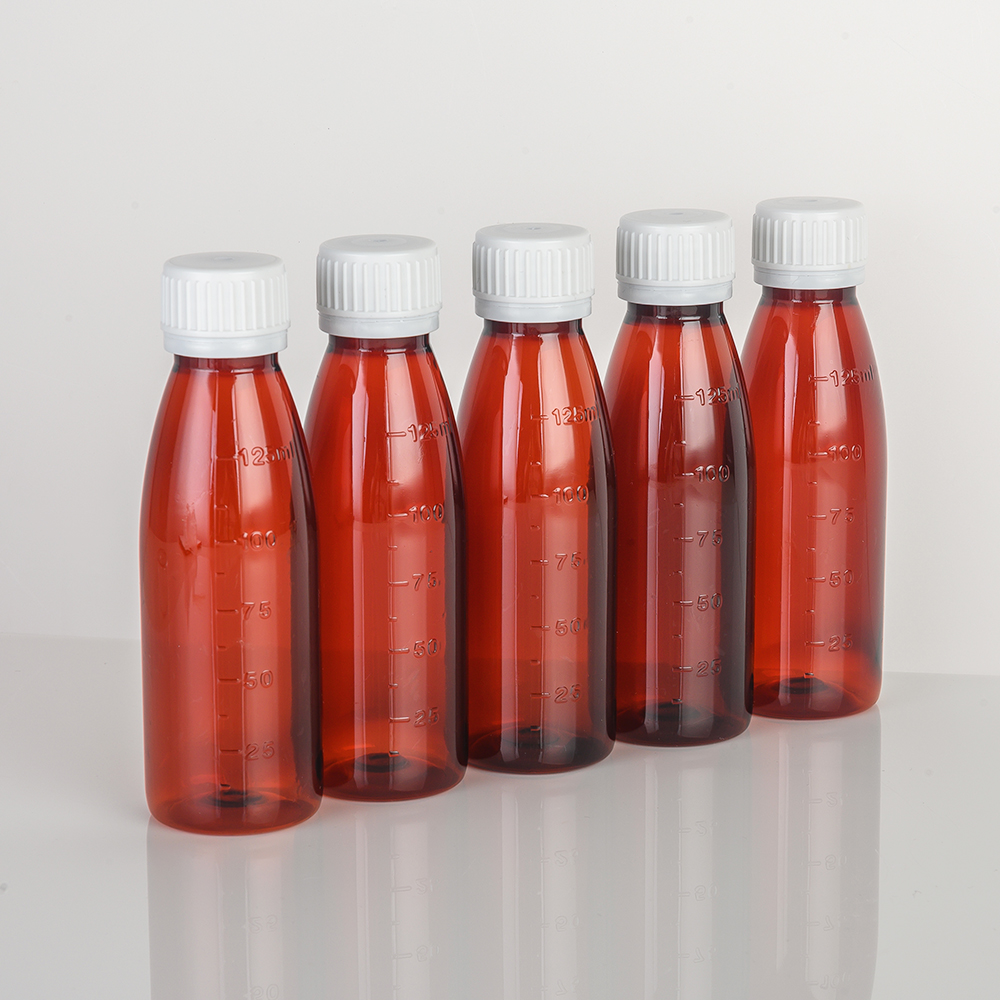
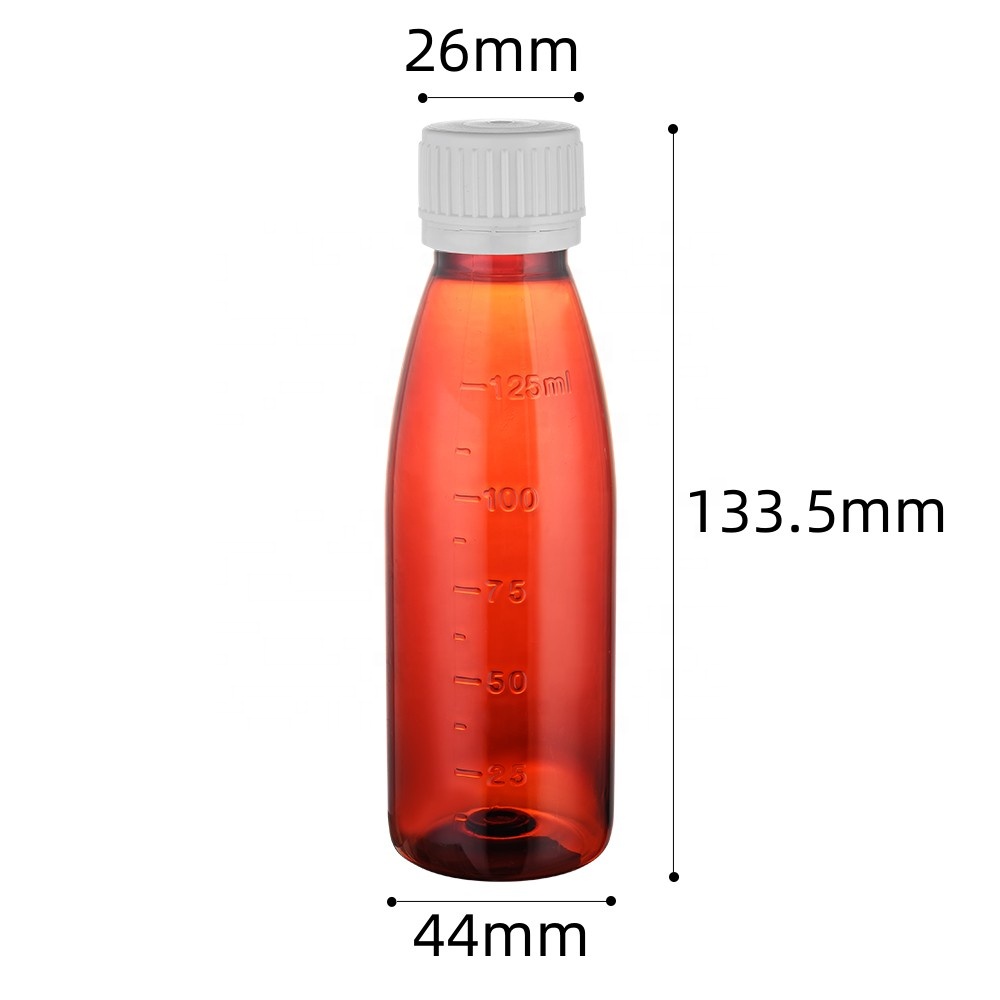
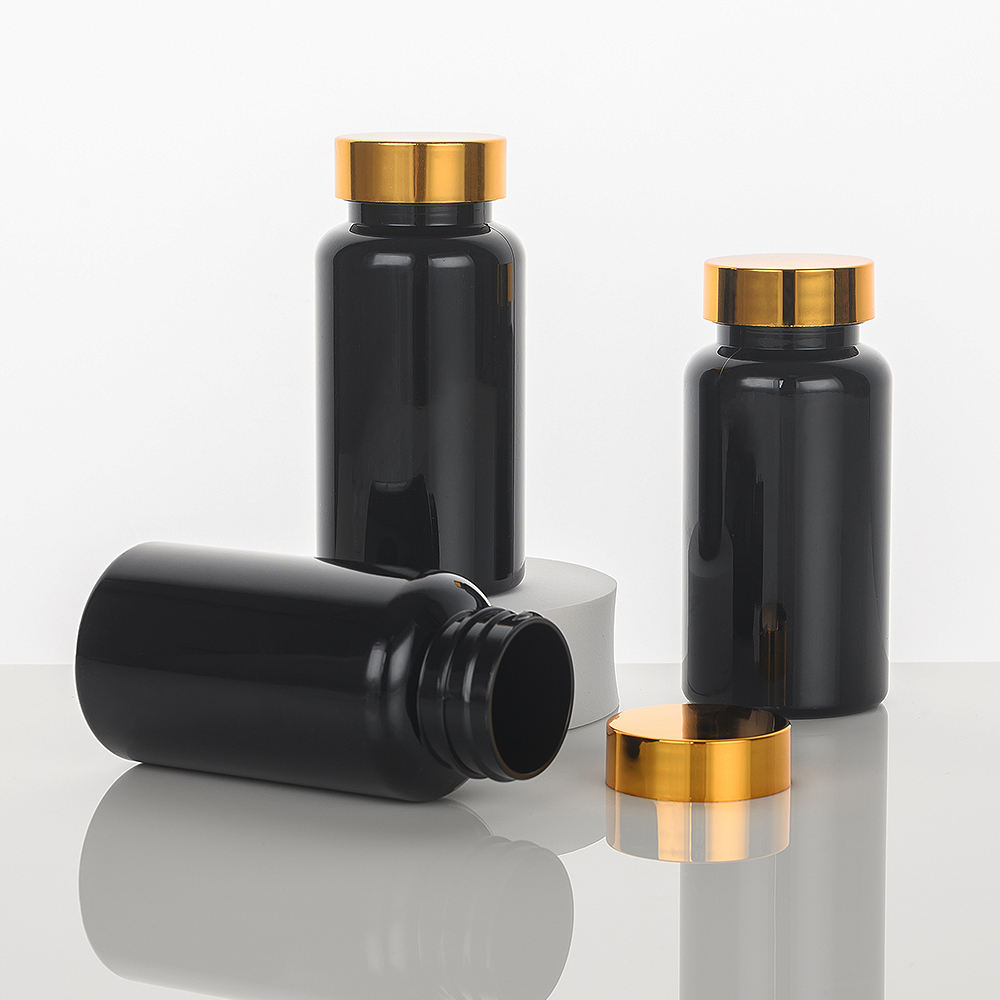
Plastic containers for medicines represent a critical innovation in pharmaceutical packaging, serving as the primary protective barrier between medications and external environmental factors. These specialized containers are engineered to maintain drug efficacy, ensure patient safety, and provide convenient storage solutions for various pharmaceutical products. The main functions of plastic containers for medicines include protecting medications from moisture, light, oxygen, and physical damage while maintaining product sterility and extending shelf life. Modern pharmaceutical-grade plastic containers utilize advanced polymer materials such as high-density polyethylene, polypropylene, and polyethylene terephthalate, each selected for specific compatibility with different drug formulations. The technological features of plastic containers for medicines encompass sophisticated design elements including child-resistant closures, tamper-evident seals, and integrated desiccant systems that actively control internal humidity levels. These containers undergo rigorous testing protocols to ensure compliance with international pharmaceutical standards and regulations established by organizations like the FDA and European Medicines Agency. Applications span across multiple pharmaceutical categories, from prescription medications and over-the-counter drugs to vitamins, supplements, and specialty pharmaceuticals requiring precise environmental control. The versatility of plastic containers for medicines makes them suitable for solid dosage forms like tablets and capsules, as well as certain liquid formulations when appropriate barrier properties are incorporated. Manufacturing processes employ clean-room environments and automated systems to prevent contamination while ensuring consistent quality across production batches. The containers feature precise dimensional tolerances that facilitate automated filling and packaging operations in pharmaceutical manufacturing facilities. Integration capabilities with smart packaging technologies, including RFID tags and temperature indicators, enhance traceability and monitoring throughout the supply chain. Plastic containers for medicines continue evolving with sustainability initiatives, incorporating recyclable materials and reduced-weight designs that minimize environmental impact without compromising protective functionality or regulatory compliance requirements.

New Product Releases

Plastic containers for medicines deliver exceptional value through their lightweight construction, which significantly reduces shipping costs and makes handling easier for both healthcare professionals and patients. Unlike traditional glass packaging, these containers resist breakage during transport and storage, eliminating safety hazards associated with shattered glass and reducing product loss from damaged packaging. The durability of plastic containers for medicines ensures that medications remain protected throughout their entire lifecycle, from manufacturing facilities through distribution channels to patient homes. Patients appreciate the convenience factor, as plastic containers are easier to open, especially for individuals with limited hand strength or arthritis, while still maintaining child-resistant features when required by regulations. Cost-effectiveness stands as a major advantage, with plastic containers for medicines typically costing less to produce and transport compared to glass alternatives, allowing pharmaceutical companies to allocate resources more efficiently toward drug development and quality control. The versatility in design options enables manufacturers to create containers in various sizes, shapes, and colors to accommodate different medication types and dosing requirements while facilitating easy product identification. Plastic containers for medicines provide superior moisture barrier properties when engineered with appropriate materials and closure systems, preventing humidity-related degradation that can compromise drug stability and therapeutic effectiveness. Temperature resistance allows these containers to withstand various storage conditions without warping or losing structural integrity, maintaining protective qualities across diverse climate zones and seasonal variations. The manufacturing flexibility of plastic containers for medicines supports rapid customization and shorter production lead times, enabling pharmaceutical companies to respond quickly to market demands and introduce new products more efficiently. Compatibility with automated pharmacy systems and packaging equipment streamlines operations in healthcare facilities, reducing manual handling errors and improving inventory management accuracy. Environmental considerations have driven innovations in recyclable plastic formulations, allowing responsible disposal options that align with growing sustainability commitments across the healthcare industry. Patient compliance improves when medications are stored in user-friendly plastic containers that incorporate clear labeling areas, dose tracking mechanisms, and ergonomic designs that simplify medication management routines. The chemical inertness of pharmaceutical-grade plastics ensures no interaction with most drug compounds, preserving medication potency and preventing contamination that could affect therapeutic outcomes. Security features integrated into plastic containers for medicines, such as tamper-evident bands and serialization capabilities, combat counterfeiting and enhance supply chain integrity throughout global distribution networks.

Practical Tips

Our advantage

10

Mar

Our advantage

View More
TAIZHOU ZONG LV SHU PACKING CO., LTD

17

Mar

TAIZHOU ZONG LV SHU PACKING CO., LTD

View More

Get a Free Quote

Our representative will contact you soon.
Email
Mobile/WhatsApp
Name
Company Name
Message
0/1000

plastic containers for medicines

Advanced Barrier Protection Technology

Advanced Barrier Protection Technology

The sophisticated barrier protection technology integrated into plastic containers for medicines represents a fundamental advancement in pharmaceutical packaging science, addressing the critical need to shield medications from environmental factors that threaten drug stability and efficacy. These containers utilize multi-layered polymer structures that create formidable defenses against moisture vapor transmission, oxygen permeation, and light exposure, each of which can trigger chemical degradation pathways in pharmaceutical compounds. The engineering behind plastic containers for medicines involves careful selection of polymer resins based on their molecular structure and density, with materials like high-density polyethylene offering excellent moisture barriers while polypropylene provides superior chemical resistance for specific drug formulations. Manufacturers employ co-extrusion techniques to combine different plastic layers, each contributing specific protective properties that work synergistically to create comprehensive environmental shielding. The moisture barrier capabilities of plastic containers for medicines prove especially crucial for hygroscopic medications that readily absorb water from the atmosphere, as even minimal moisture exposure can lead to chemical breakdown, physical changes like caking or dissolving, and loss of therapeutic potency. Advanced closure systems complement the container body protection, featuring precision-molded gaskets and sealing surfaces that create airtight environments when properly closed, preventing atmospheric exchange that could introduce contaminants or allow volatile drug components to escape. Light-blocking formulations incorporating opaque pigments or amber colorants protect photosensitive medications from ultraviolet and visible light wavelengths that catalyze photochemical reactions, with plastic containers for medicines offering customizable opacity levels matched to specific drug sensitivity profiles. The oxygen barrier performance becomes particularly important for oxidation-prone pharmaceuticals, with specialized plastic containers incorporating oxygen scavengers or utilizing materials with low oxygen transmission rates that maintain stability for medications susceptible to oxidative degradation. Quality control testing protocols verify barrier performance through accelerated stability studies that simulate years of storage under various environmental conditions, ensuring plastic containers for medicines maintain protective integrity throughout labeled expiration periods. Innovation continues advancing barrier technology through nanotechnology applications that incorporate microscopic barrier particles into polymer matrices, creating tortuous paths that dramatically reduce permeation rates while maintaining the mechanical properties and processability essential for high-speed pharmaceutical manufacturing operations.
Enhanced Safety and Compliance Features

Enhanced Safety and Compliance Features

Safety and regulatory compliance features built into plastic containers for medicines reflect the pharmaceutical industry's unwavering commitment to patient protection and adherence to stringent governmental requirements that govern medication packaging standards worldwide. Child-resistant closure mechanisms represent perhaps the most visible safety innovation, utilizing push-and-turn or squeeze-and-turn designs that require motor skills and strength beyond young children's capabilities while remaining accessible to most adults, including elderly patients who may have reduced dexterity. The engineering of these closures in plastic containers for medicines follows specific testing protocols defined by standards organizations, requiring validation that children under five years old cannot open the containers within specified time limits while ensuring a significant percentage of adults can access contents without undue difficulty. Tamper-evident features provide visual assurance that plastic containers for medicines have not been compromised between manufacturing and patient use, incorporating breakaway bands, sealed caps, or shrink sleeves that show obvious signs of interference if someone attempts unauthorized access to container contents. Serialization capabilities embedded in modern plastic containers for medicines support track-and-trace systems mandated by regulations like the Drug Supply Chain Security Act, utilizing unique identifiers printed or embedded on packaging that enable verification of product authenticity and facilitate rapid response to quality issues or counterfeit detection. Material safety certifications ensure that plastic containers for medicines meet stringent requirements for pharmaceutical contact applications, with manufacturers providing documentation that polymers contain no harmful additives or contaminants that could leach into medications or pose health risks to patients during normal use. Clarity in labeling facilitated by smooth surfaces on plastic containers for medicines allows pharmaceutical companies to print detailed medication information, usage instructions, and safety warnings in readable formats that support informed patient decision-making and proper medication adherence. Compatibility testing verifies that plastic containers for medicines do not interact chemically with specific drug formulations, preventing scenarios where packaging materials could absorb medication components, introduce extractables that alter drug composition, or create leachables that migrate into pharmaceutical products. Regulatory submissions for new pharmaceutical products include extensive packaging qualification data demonstrating that plastic containers for medicines maintain stability, safety, and efficacy throughout proposed shelf lives under labeled storage conditions, with regulatory agencies reviewing this evidence before granting marketing approval.
Sustainable Manufacturing and Lifecycle Benefits

Sustainable Manufacturing and Lifecycle Benefits

The sustainable manufacturing practices and lifecycle benefits associated with modern plastic containers for medicines address growing environmental concerns while maintaining the uncompromising quality standards essential for pharmaceutical applications. Production efficiency achieved through injection molding and blow molding technologies enables high-volume manufacturing of plastic containers for medicines with minimal material waste, as modern processes incorporate closed-loop systems that recapture and reuse excess polymer materials generated during container formation. Energy consumption during manufacturing compares favorably to glass container production, with plastic containers for medicines requiring lower processing temperatures and shorter cycle times that translate to reduced carbon footprints across production operations. Transportation sustainability benefits emerge from the lightweight nature of plastic containers for medicines, allowing more units per shipment and reducing fuel consumption throughout distribution networks that span from manufacturing facilities to pharmacies and ultimately to patient homes. Recyclability initiatives have driven development of mono-material plastic containers for medicines that simplify end-of-life processing, eliminating the need to separate different components and enabling more efficient recycling streams that convert used containers into raw materials for new applications. Design optimization efforts focus on lightweighting strategies that reduce material usage in plastic containers for medicines without compromising structural integrity or protective performance, achieving environmental benefits while simultaneously lowering production costs for pharmaceutical manufacturers. Biodegradable and bio-based polymer research explores alternative materials derived from renewable resources rather than petroleum feedstocks, with emerging plastic containers for medicines incorporating plant-based polymers that offer comparable performance characteristics with improved sustainability profiles. Extended product shelf life enabled by superior barrier properties of plastic containers for medicines reduces medication waste from premature expiration, ensuring pharmaceutical products remain effective longer and decreasing the environmental burden associated with manufacturing replacement medications. Closed-loop pharmaceutical packaging programs encourage return and recycling of plastic containers for medicines through pharmacy take-back initiatives, diverting containers from landfills while recovering valuable polymer materials for reprocessing into new packaging applications. Life cycle assessments comparing different packaging options demonstrate that plastic containers for medicines often present favorable environmental profiles when evaluating factors including raw material extraction, manufacturing energy, transportation impacts, and end-of-life disposal scenarios. Innovation in sustainable additives eliminates problematic chemicals from plastic containers for medicines, replacing traditional plasticizers and stabilizers with environmentally preferable alternatives that maintain performance while reducing ecological impact if containers enter waste streams. Collaborative industry efforts promote standardization of sustainable plastic containers for medicines, establishing best practices and material specifications that facilitate recycling infrastructure development and improve overall environmental outcomes across the pharmaceutical packaging sector.

Get a Free Quote

Our representative will contact you soon.
Email
Mobile/WhatsApp
Name
Company Name
Message
0/1000