Plastic Medicine Bottle - Safe, Durable Pharmaceutical Packaging Solutions for All Medication Types

All Categories

Get a Free Quote

Our representative will contact you soon.
Email
Mobile/WhatsApp
Name
Company Name
Message
0/1000

plastic medicine bottle

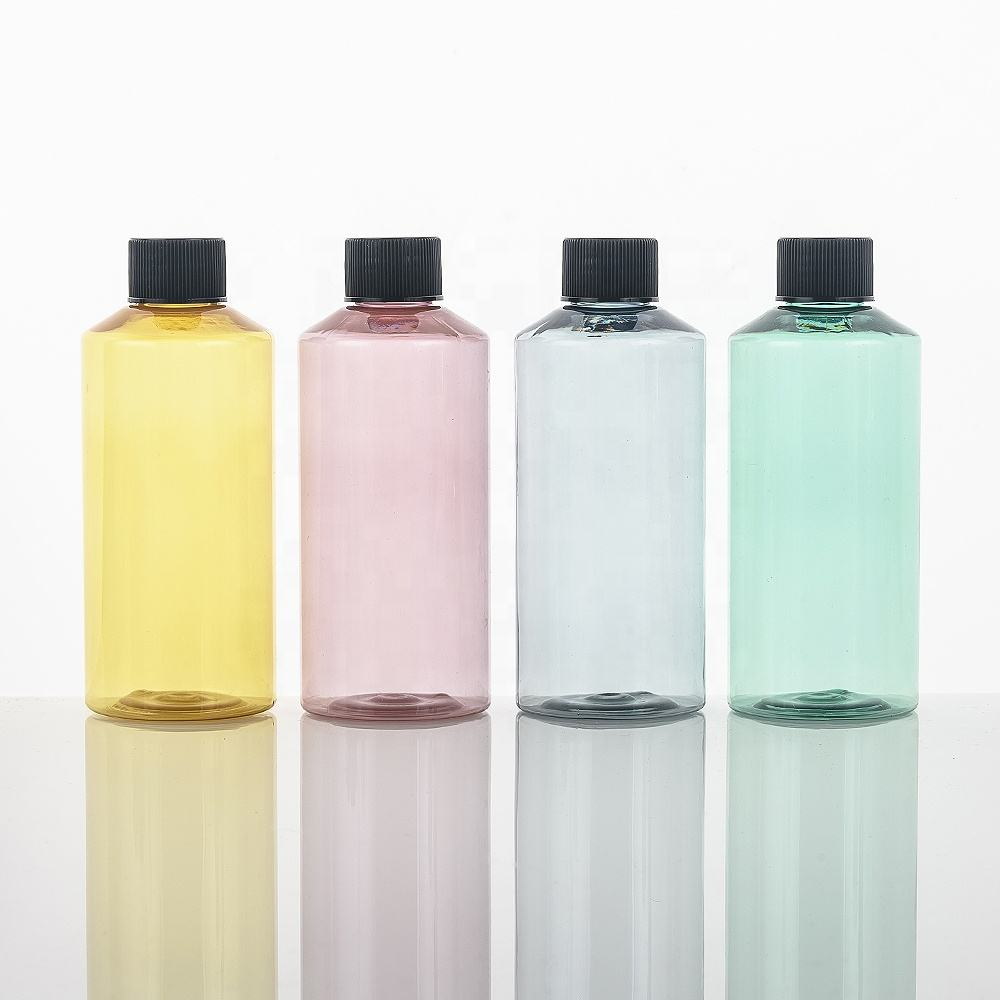
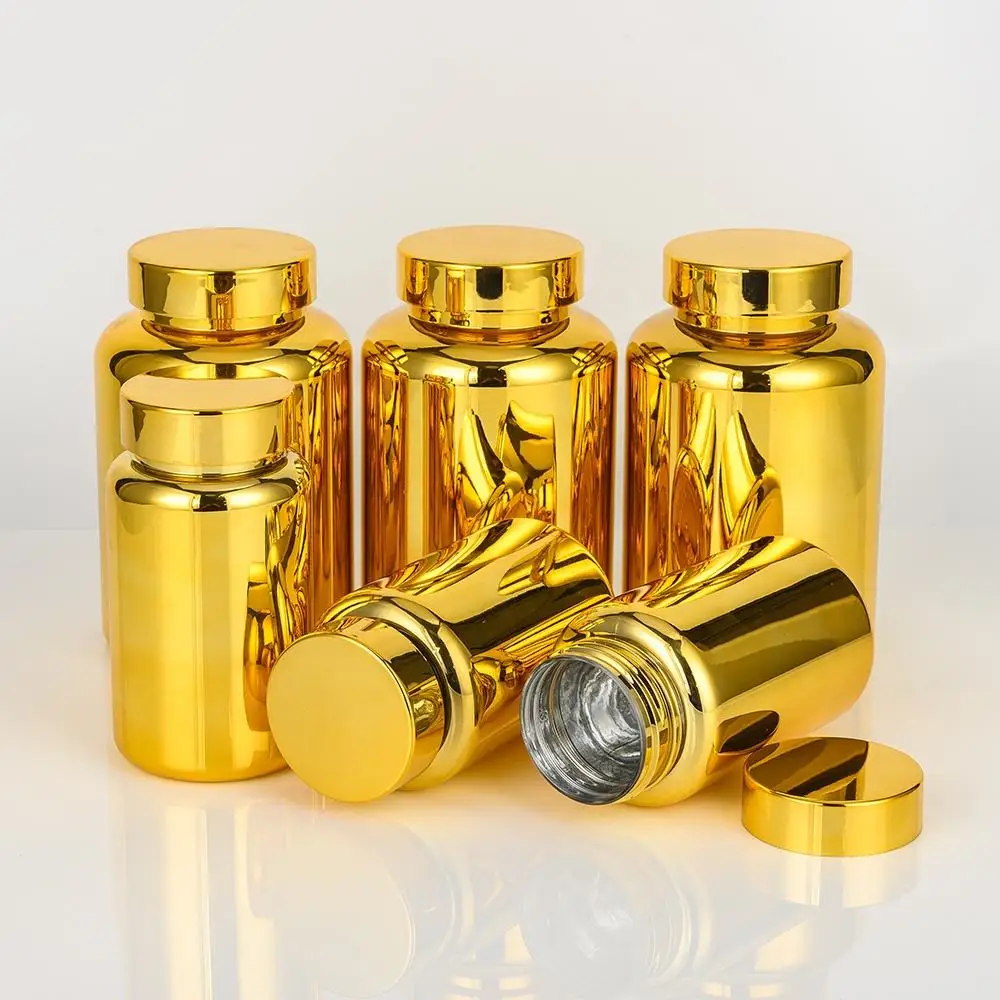
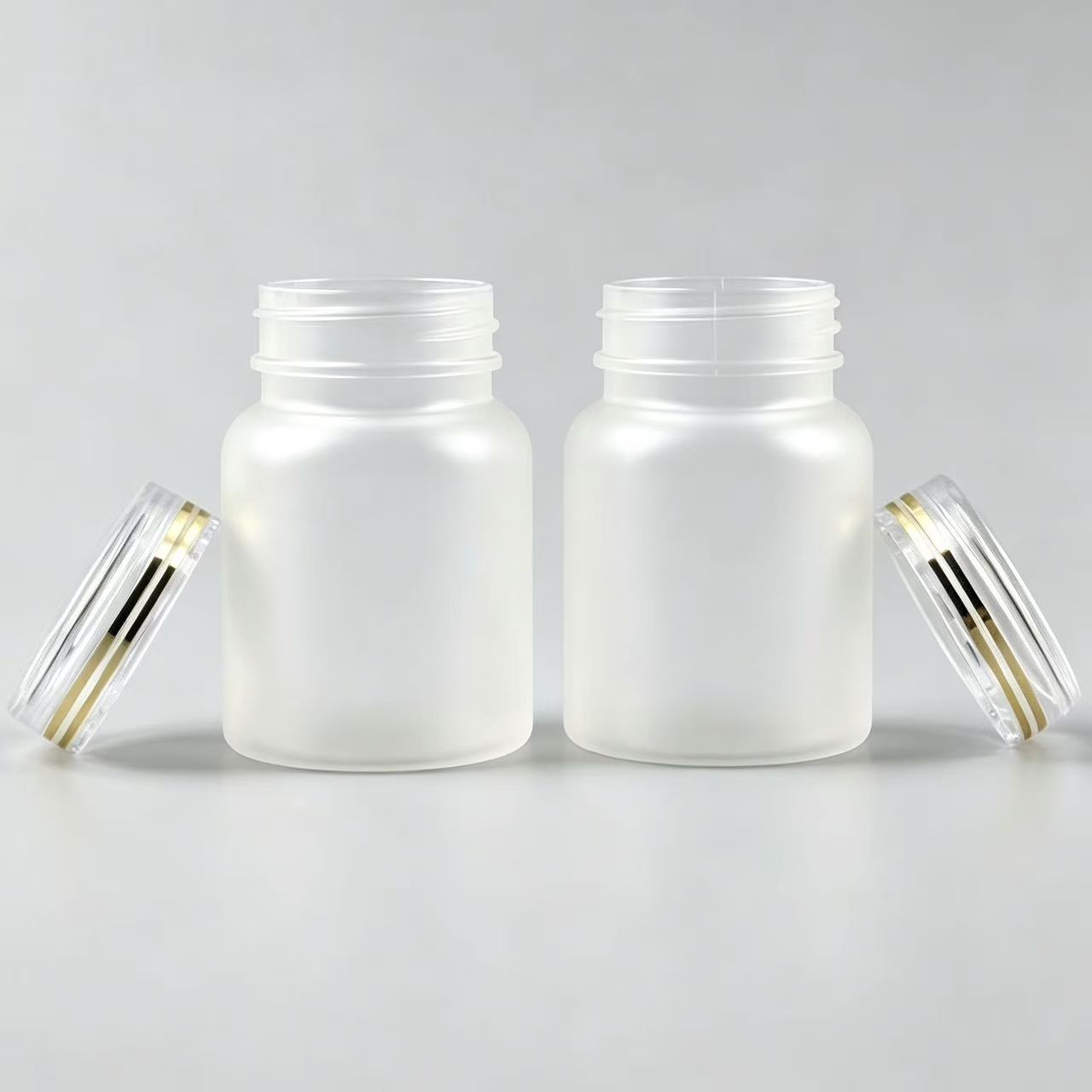
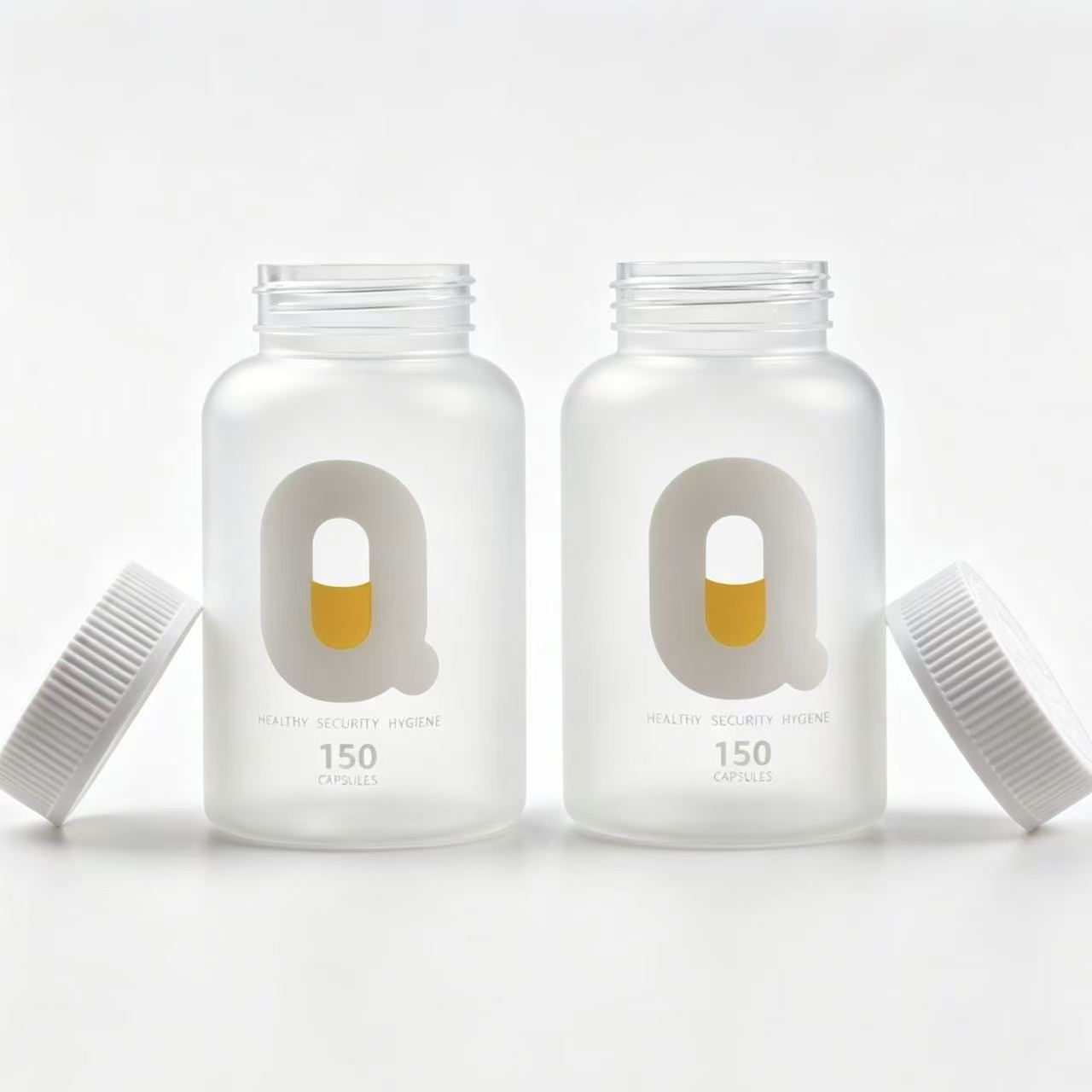
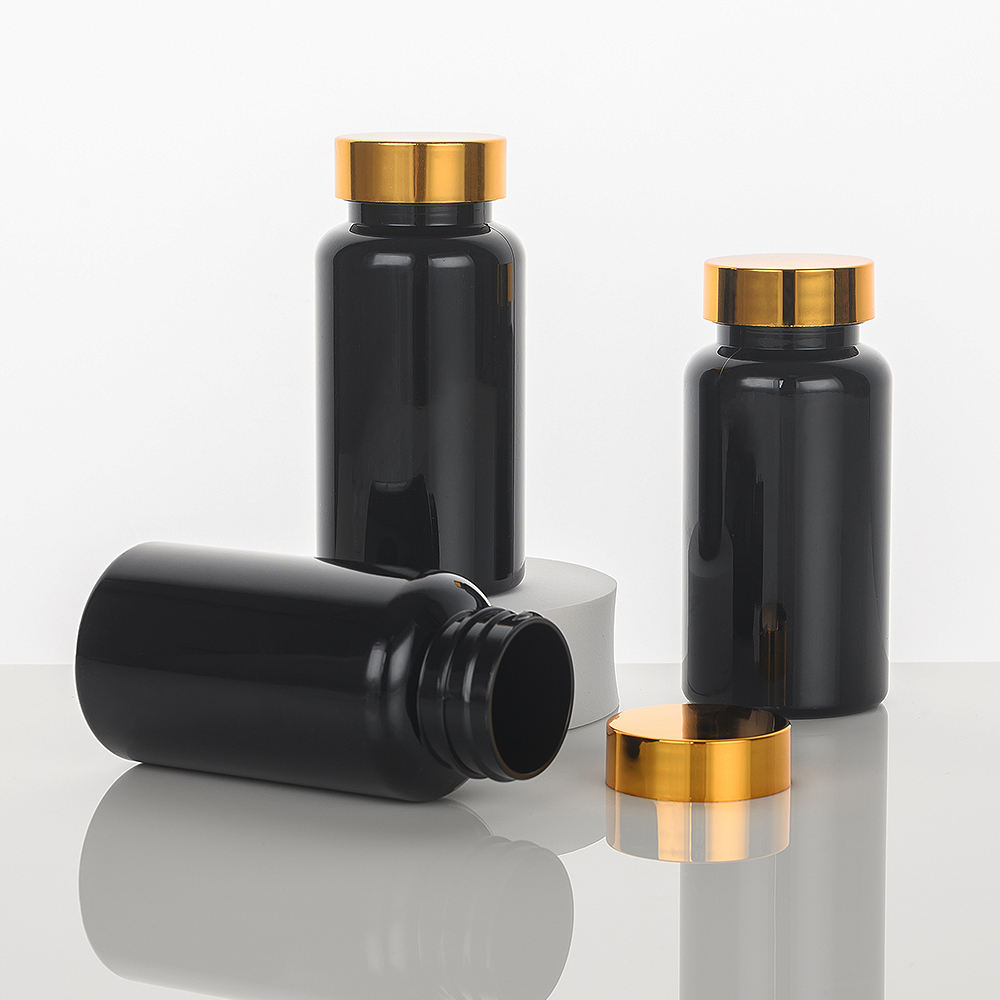
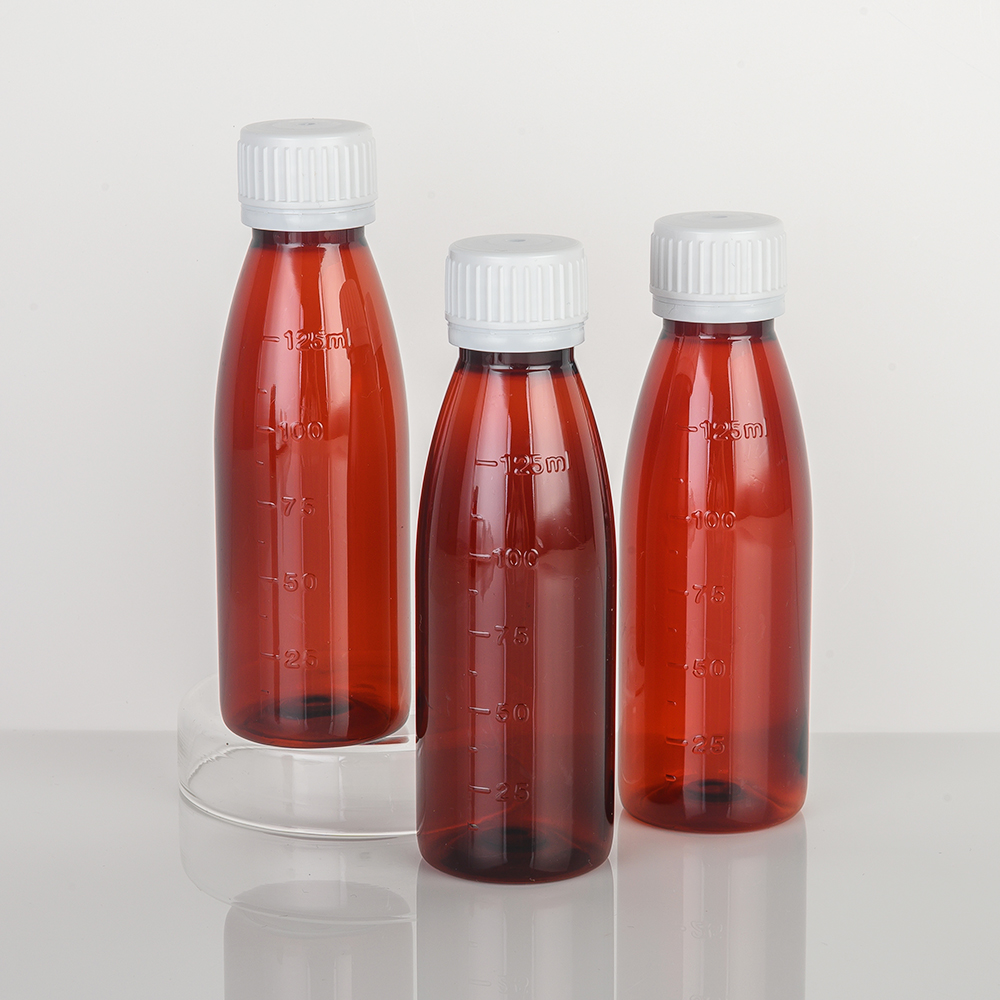
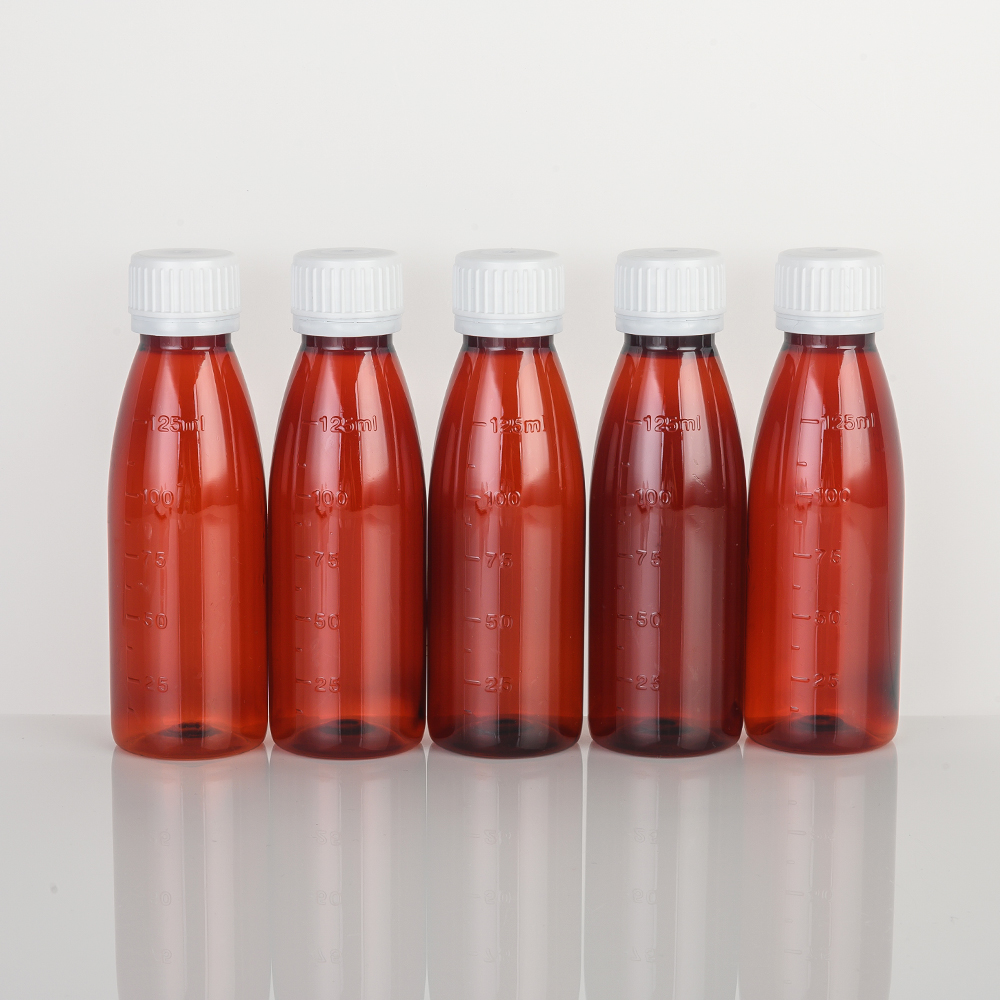
The plastic medicine bottle represents a fundamental advancement in pharmaceutical packaging technology, serving as an essential container designed specifically for storing and dispensing various medications safely and effectively. These bottles are manufactured using high-grade pharmaceutical polymers such as high-density polyethylene, polypropylene, or polyethylene terephthalate, materials selected for their exceptional chemical resistance and compatibility with diverse medicinal formulations. The primary function of a plastic medicine bottle extends beyond simple storage; it provides a protective barrier against environmental factors including moisture, light exposure, oxygen infiltration, and contamination that could compromise medication integrity. Modern plastic medicine bottles incorporate sophisticated design elements such as child-resistant closures, tamper-evident seals, and precision-engineered dispensing mechanisms that facilitate accurate dosing while preventing accidental ingestion by children. The technological features embedded within these containers reflect decades of pharmaceutical packaging innovation, including advanced molding techniques that ensure consistent wall thickness, smooth interior surfaces that prevent medication adhesion, and compatibility with automated filling lines in pharmaceutical manufacturing facilities. These bottles accommodate various medication forms including tablets, capsules, liquid suspensions, powders, and gel formulations. The lightweight nature of plastic medicine bottles significantly reduces transportation costs and environmental impact compared to traditional glass alternatives, while their shatter-resistant properties enhance safety during handling, storage, and consumer use. Applications span across prescription medications, over-the-counter drugs, vitamin supplements, herbal remedies, and veterinary pharmaceuticals. The versatility of plastic medicine bottle design allows customization in capacity ranging from small 10-milliliter containers for concentrated medications to large 1000-milliliter bottles for bulk supplements, with neck finishes standardized to accommodate various closure systems and dispensing accessories that meet specific therapeutic requirements and regulatory compliance standards established by health authorities worldwide.

New Product Recommendations

Choosing a plastic medicine bottle for pharmaceutical packaging delivers numerous practical benefits that directly impact both manufacturers and end consumers in meaningful ways. The durability of these containers stands as a primary advantage, as they resist breakage during shipping, handling, and daily use, eliminating the safety hazards associated with glass fragments and reducing product loss from damaged containers. This resilience translates into cost savings throughout the supply chain and provides consumers with reliable packaging that withstands accidental drops without compromising medication safety. The lightweight characteristics of plastic medicine bottles substantially decrease shipping expenses and carbon footprint associated with transportation, allowing pharmaceutical companies to distribute products more economically while supporting environmental sustainability initiatives. Manufacturers benefit from the exceptional moldability of plastic materials, which enables the creation of ergonomic bottle designs featuring easy-grip surfaces, wide-mouth openings for convenient access, and integrated measuring devices that enhance user experience and medication adherence. The chemical inertness of pharmaceutical-grade plastics ensures that no interaction occurs between the container and its contents, preserving medication potency, taste, and therapeutic effectiveness throughout the product shelf life. Production efficiency represents another significant advantage, as plastic medicine bottles can be manufactured rapidly using automated injection molding or blow molding processes that maintain consistent quality standards while accommodating high-volume production demands. The transparency options available with certain plastic formulations allow patients and healthcare providers to visually inspect medication levels and detect any physical changes in the product without opening the container. Cost-effectiveness makes plastic medicine bottles accessible to pharmaceutical companies of all sizes, from major corporations to specialty compounding pharmacies, enabling competitive pricing that benefits consumers seeking affordable healthcare solutions. Customization possibilities extend to labeling surfaces that accommodate comprehensive drug information, branding elements, and regulatory compliance details through direct printing or pressure-sensitive labels. The moisture barrier properties inherent in properly designed plastic medicine bottles protect hygroscopic medications from humidity exposure that could trigger degradation or clumping. Child-resistant closure systems integrate seamlessly with plastic medicine bottle designs, providing essential safety features that prevent pediatric poisoning incidents while remaining accessible to adult users and those with arthritis or limited dexterity. The recyclability of many pharmaceutical plastics supports circular economy principles, allowing responsible disposal and material recovery that reduces environmental impact. Temperature stability ensures that plastic medicine bottles maintain structural integrity across storage conditions ranging from refrigeration to room temperature, accommodating diverse medication storage requirements without warping or dimensional changes that could affect closure effectiveness or dispensing accuracy.

Practical Tips

Our advantage

10

Mar

Our advantage

View More
TAIZHOU ZONG LV SHU PACKING CO., LTD

17

Mar

TAIZHOU ZONG LV SHU PACKING CO., LTD

View More

Get a Free Quote

Our representative will contact you soon.
Email
Mobile/WhatsApp
Name
Company Name
Message
0/1000

plastic medicine bottle

Advanced Safety Features and Child Protection Technology

Advanced Safety Features and Child Protection Technology

The modern plastic medicine bottle incorporates sophisticated safety mechanisms that address critical concerns regarding accidental medication access by children while maintaining convenient functionality for authorized users. Child-resistant closure systems represent the cornerstone of these safety innovations, utilizing complex mechanical designs that require specific sequences of pushing, turning, or squeezing actions that young children cannot easily replicate due to their limited hand strength and cognitive development. These closures comply with rigorous testing protocols established by regulatory agencies, ensuring they effectively prevent access by at least 85 percent of children under five years of age while remaining openable by 90 percent of adults. The engineering behind child-resistant caps integrated with plastic medicine bottles demonstrates remarkable ingenuity, featuring dual-action mechanisms, reverse-thread designs, or squeeze-and-turn configurations that create effective barriers without frustrating legitimate users. Tamper-evident bands and seals provide additional security layers, offering visible indication if someone has accessed the medication prior to the consumer's first use, which proves essential for maintaining trust in pharmaceutical products and preventing malicious tampering incidents. The smooth interior surfaces of properly manufactured plastic medicine bottles eliminate crevices where medication residue could accumulate and harbor bacteria, supporting hygiene standards critical in healthcare applications. Manufacturers design these bottles with precise tolerances that ensure secure closure engagement, creating effective seals that prevent leakage during storage and transportation while protecting contents from environmental contamination. The chemical stability of pharmaceutical-grade plastics used in medicine bottle production means these containers do not leach harmful substances into medications, maintaining drug purity and patient safety throughout the product lifecycle. Opaque and amber-colored plastic medicine bottle options provide light protection for photosensitive medications that degrade when exposed to ultraviolet radiation, extending shelf life and ensuring therapeutic efficacy remains consistent until the expiration date. The structural integrity of plastic medicine bottles withstands the repeated opening and closing cycles typical of multi-dose containers without degradation of closure effectiveness or container integrity. Wide-mouth designs facilitate easy medication retrieval while minimizing spillage risks, particularly beneficial for elderly patients or individuals with motor skill limitations who might struggle with narrow openings. The rounded edges and smooth external surfaces of plastic medicine bottles eliminate sharp corners that could cause injury, contrasting sharply with glass containers that pose cutting hazards when broken. These comprehensive safety features position the plastic medicine bottle as an indispensable component of responsible pharmaceutical packaging, protecting vulnerable populations while supporting medication adherence through user-friendly design elements.
Exceptional Versatility and Customization Capabilities

Exceptional Versatility and Customization Capabilities

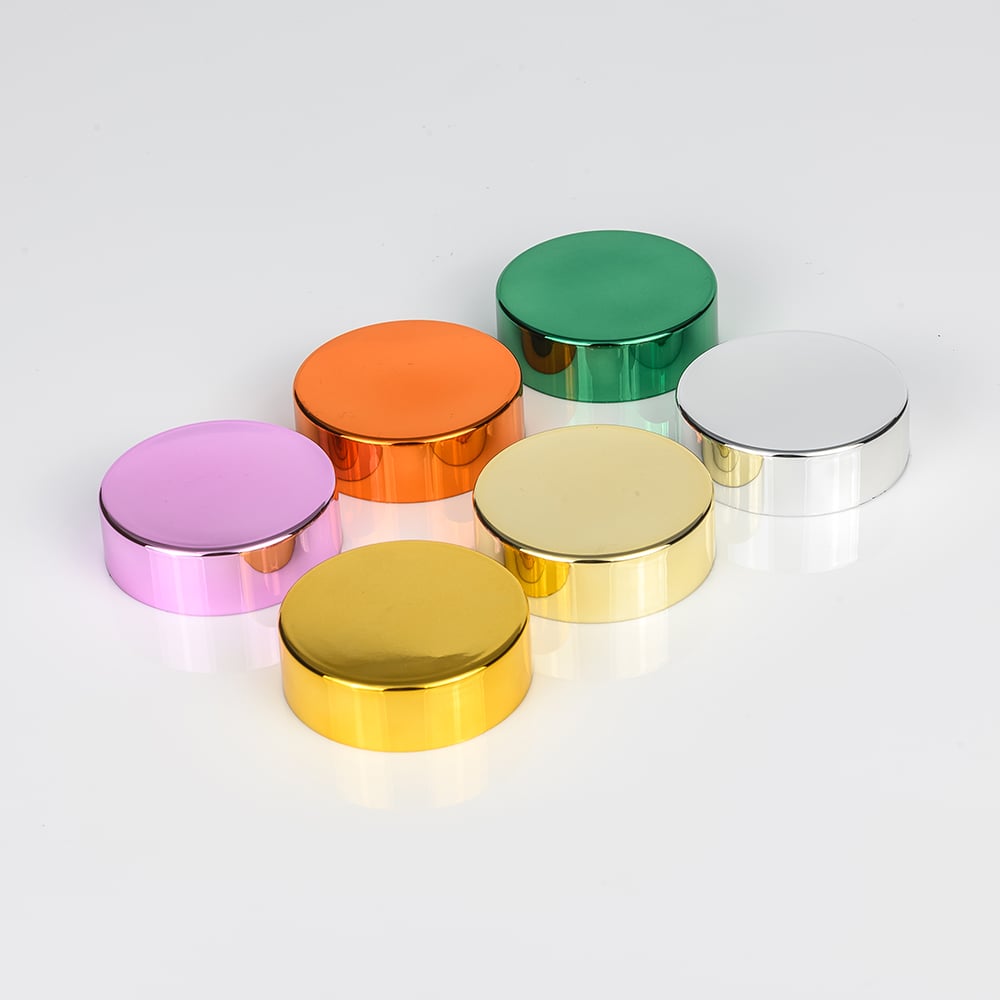
The plastic medicine bottle offers unparalleled versatility in pharmaceutical packaging applications, accommodating an extensive range of medication types, formulations, and dispensing requirements through innovative design adaptations and material selections. Manufacturers can select from various pharmaceutical-grade polymers, each offering distinct properties suited to specific medication characteristics, with high-density polyethylene providing excellent moisture barrier properties for solid dosage forms, polypropylene offering superior chemical resistance for aggressive formulations, and polyethylene terephthalate delivering exceptional clarity for products where visual inspection proves important. The molding processes used to create plastic medicine bottles allow for virtually unlimited shape variations, enabling pharmaceutical companies to develop distinctive packaging that enhances brand recognition while optimizing functionality for specific therapeutic applications. Capacity options span from compact 5-milliliter bottles for concentrated liquid medications requiring precise small-volume dosing to substantial 500-milliliter containers for daily supplements consumed in larger quantities, ensuring appropriate sizing for diverse treatment protocols and supply durations. Neck finish standardization allows plastic medicine bottles to accept various closure types including continuous thread caps, snap-on lids, flip-top dispensers, dropper assemblies, and specialized dosing devices, providing flexibility in matching packaging to medication viscosity and administration methods. The surface characteristics of plastic medicine bottles readily accept diverse decoration methods including screen printing, heat transfer labeling, in-mold labeling, and pressure-sensitive adhesive labels, enabling comprehensive product information display, regulatory compliance text, branding elements, and patient instructions in multiple languages. Color customization extends beyond aesthetic considerations, with specific pigmentation serving functional purposes such as amber coloring for light-sensitive medications, opaque white for privacy regarding pill counts, or transparent formulations allowing content visibility. Embossing and debossing capabilities allow manufacturers to incorporate tactile elements directly into plastic medicine bottle designs, including braille characters for visually impaired patients, grip textures for enhanced handling, or decorative elements that elevate product presentation. The compatibility of plastic medicine bottles with automated filling equipment streamlines pharmaceutical manufacturing operations, supporting high-speed production lines while maintaining sterile conditions and precise fill volumes. Special formulations incorporating desiccant materials directly into bottle walls provide continuous moisture protection for highly hygroscopic medications without requiring separate desiccant packets. Dual-chamber plastic medicine bottle designs enable separation of incompatible ingredients until administration time, supporting advanced pharmaceutical formulations requiring reconstitution. The adaptability extends to closure integration, with some plastic medicine bottles featuring integrated measuring cups, droppers calibrated for specific dosing, or flip-top spouts facilitating controlled pouring. This comprehensive versatility positions the plastic medicine bottle as the optimal packaging solution across pharmaceutical categories, from prescription medications to nutritional supplements, veterinary products to compounded preparations.
Environmental Sustainability and Economic Efficiency

Environmental Sustainability and Economic Efficiency

The plastic medicine bottle delivers significant environmental and economic advantages that resonate with contemporary sustainability priorities while reducing costs throughout pharmaceutical supply chains and ultimately benefiting consumers through more affordable medication pricing. The lightweight nature of plastic medicine bottles dramatically reduces transportation fuel consumption compared to glass alternatives, with typical plastic containers weighing approximately 85 percent less than equivalent glass bottles, translating into substantial carbon emission reductions across global pharmaceutical distribution networks involving millions of units shipped annually. Manufacturing energy requirements for plastic medicine bottles remain considerably lower than glass production, as plastic molding processes operate at temperatures between 180 and 280 degrees Celsius compared to glass melting temperatures exceeding 1400 degrees Celsius, resulting in reduced energy consumption and smaller carbon footprints associated with production facilities. The durability and breakage resistance inherent in plastic medicine bottle construction minimize product loss during transportation and handling, eliminating the waste associated with damaged containers and compromised medications that would otherwise require disposal and replacement. Modern recycling infrastructure increasingly accommodates pharmaceutical-grade plastics, with many plastic medicine bottles manufactured from recyclable resins that can be recovered, processed, and reintegrated into new products, supporting circular economy principles and reducing virgin material consumption. The extended shelf life facilitated by effective barrier properties of properly designed plastic medicine bottles reduces medication waste from expired products, as optimal protection against moisture, oxygen, and light exposure preserves drug stability and potency throughout intended storage periods. Economic efficiency manifests in reduced material costs, as plastic resins typically cost substantially less per unit than glass while offering comparable or superior performance characteristics for most pharmaceutical applications. The breakage-resistant properties eliminate losses from container failure during automated filling operations, improving manufacturing yield rates and reducing production costs that pharmaceutical companies can potentially pass to consumers through competitive pricing. Bulk purchasing and storage advantages emerge from the lightweight and durable characteristics of plastic medicine bottles, allowing pharmacies and healthcare facilities to maintain larger inventories without excessive space requirements or structural reinforcement needed for heavy glass container storage. The moldability of plastic enables efficient nesting and stacking configurations that optimize warehouse space utilization and shipping container capacity, further enhancing logistical efficiency throughout distribution channels. Reduced insurance costs result from lower breakage rates and decreased liability exposure associated with plastic medicine bottle safety profiles compared to glass containers that pose cutting hazards and generate hazardous waste when broken. The longevity of plastic medicine bottles in consumer use reduces replacement frequency, as these durable containers withstand daily handling without deterioration, supporting reuse applications for pill organization or craft projects after medication depletion. Pharmaceutical manufacturers benefit from streamlined production through faster cycle times in plastic molding compared to glass forming processes, enabling responsive manufacturing that quickly adapts to demand fluctuations and reduces inventory carrying costs associated with long production lead times.

Get a Free Quote

Our representative will contact you soon.
Email
Mobile/WhatsApp
Name
Company Name
Message
0/1000