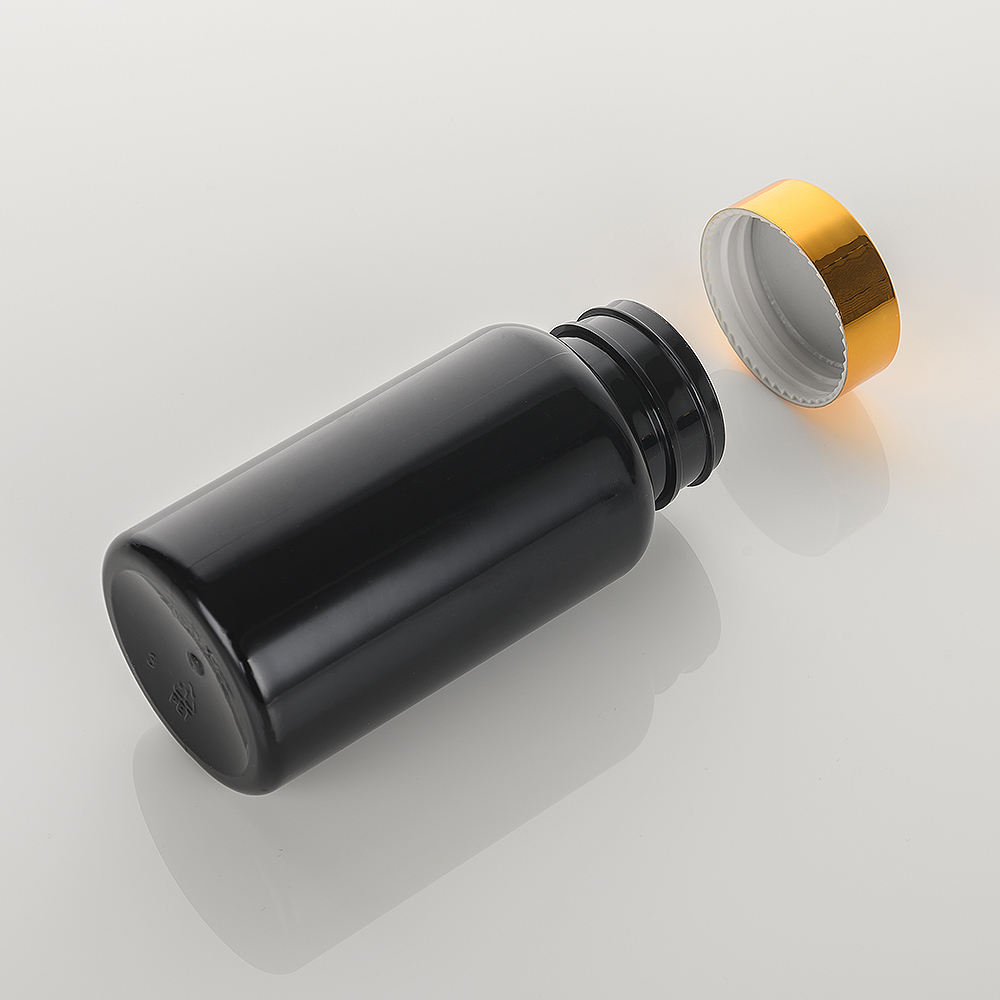
plastic prescription bottles
Plastic prescription bottles serve as essential containers for storing and dispensing medications in healthcare settings and personal use. These bottles are specifically designed to meet pharmaceutical requirements while offering practical benefits for patients and healthcare professionals alike. Plastic prescription bottles function as protective vessels that safeguard medications from environmental factors such as light, moisture, and air exposure, which can compromise medication efficacy and shelf life. The primary function of plastic prescription bottles is to maintain medication integrity while enabling convenient dosage management and patient compliance.
Modern plastic prescription bottles incorporate advanced technological features that enhance their performance and usability. These containers utilize child-resistant closure systems that prevent accidental access by young children while remaining operable for adults. The bottles feature tamper-evident designs that clearly indicate whether medications have been compromised before use. Plastic prescription bottles often include graduated measurement markings, making it easier for patients to track remaining medication quantities. Additionally, many plastic prescription bottles come with integrated information labels and QR codes that patients can scan for detailed medication instructions and dosage information.
Plastic prescription bottles find widespread applications across various healthcare and personal care scenarios. Pharmacies utilize these containers daily for dispensing prescription medications to patients. Hospitals employ plastic prescription bottles in medication distribution systems and patient care units. Veterinary clinics use similar containers for animal medications. Additionally, plastic prescription bottles serve patients managing chronic conditions who require organized medication storage at home. The versatility and reliability of plastic prescription bottles make them indispensable in modern pharmaceutical practice.

 EN
EN