
 EN
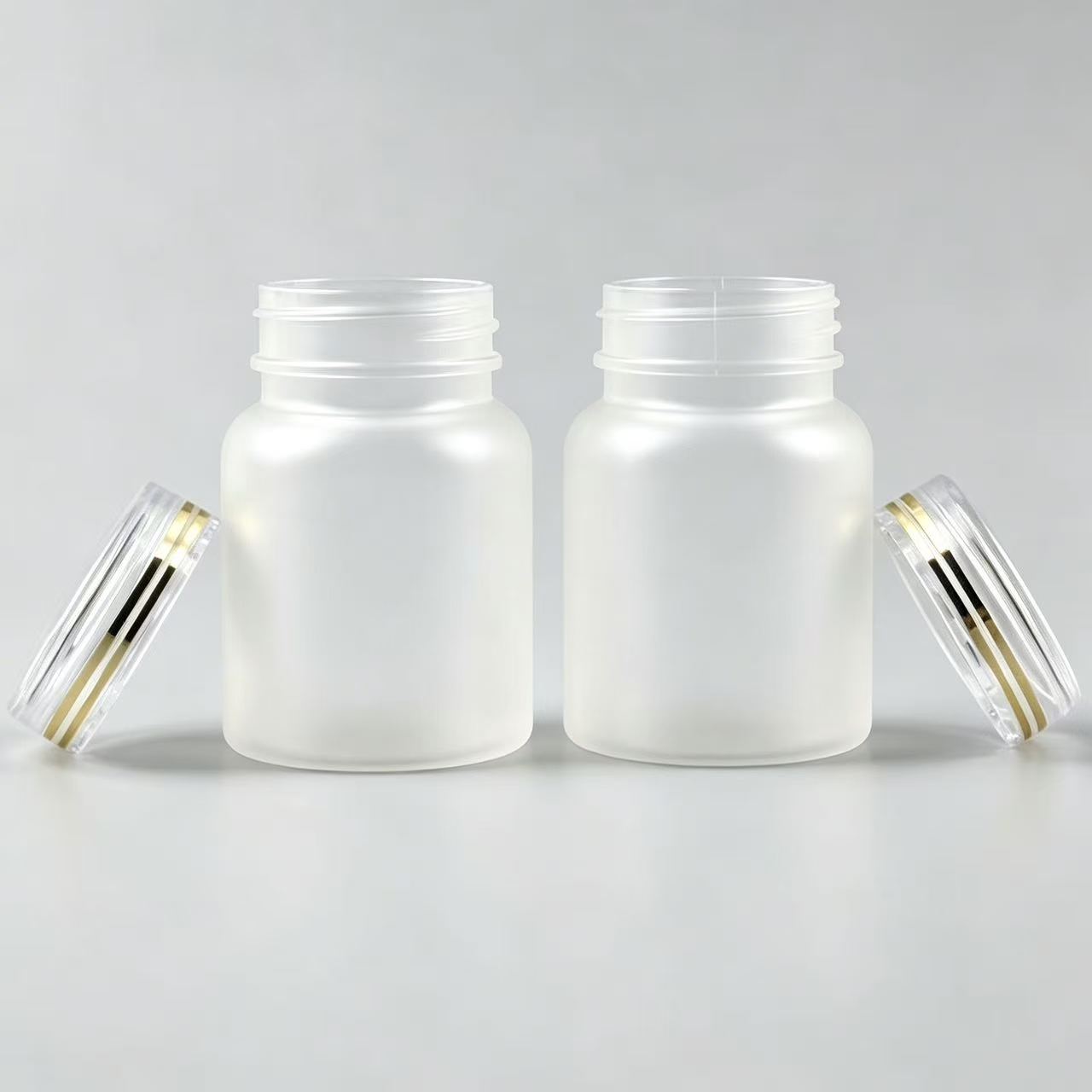
Light exposure is one of the most overlooked threats to product integrity across pharmaceutical, nutraceutical, cosmetic, and food industries. Many sensitive formulations degrade rapidly when exposed to UV radiation and visible light, compromising efficacy, safety, and shelf appeal. A frosted bottle addresses this critical challenge by combining opacity with a professional aesthetic that consumers recognize as a mark of quality and protection. Understanding how a frosted bottle works and why it matters can transform your packaging strategy and protect your brand reputation.
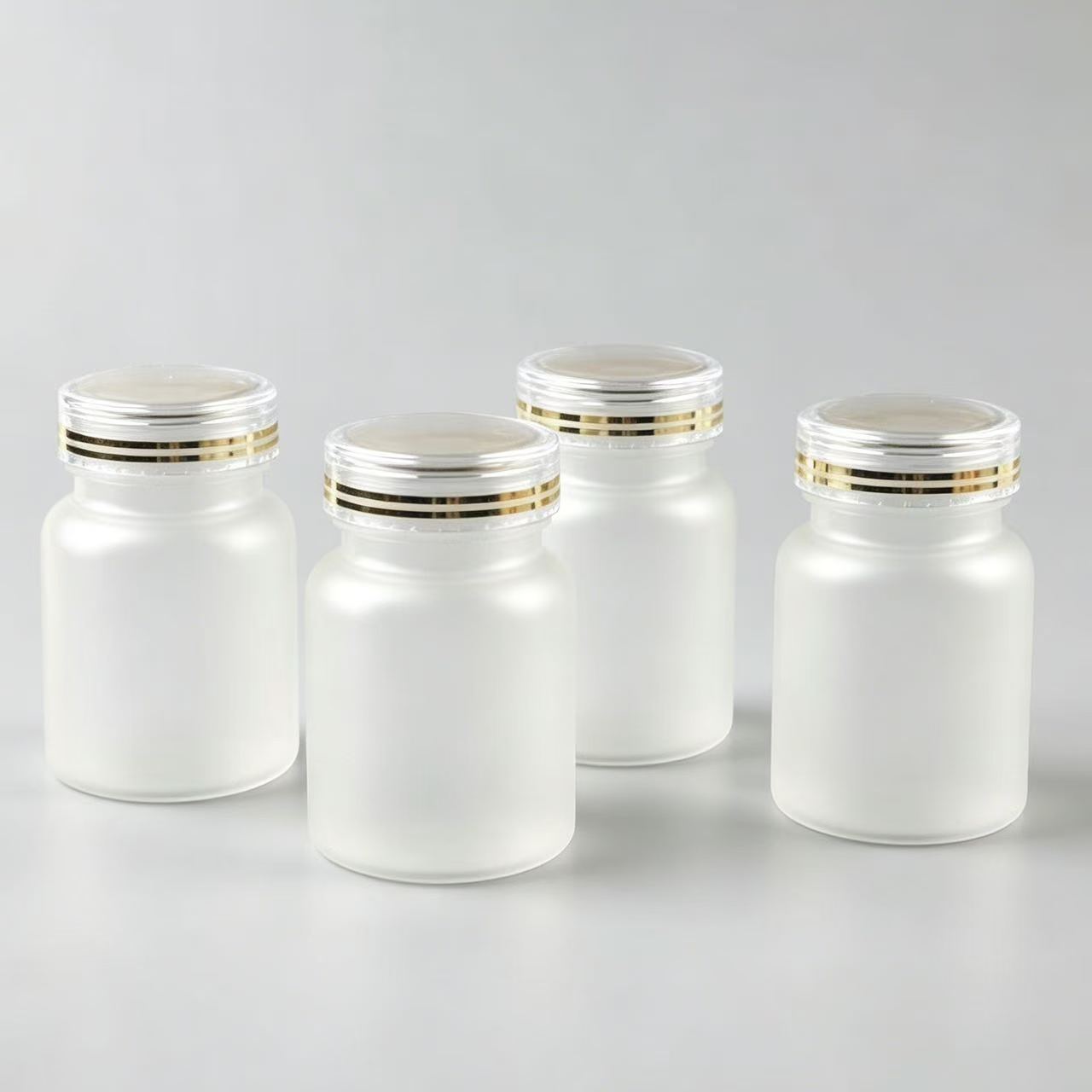
A frosted bottle is not simply a clear container with a frosted surface—it is a carefully engineered solution designed to block harmful light wavelengths while maintaining product visibility and brand identity. The frosting process creates a micro-textured surface on plastic or glass that scatters light, preventing direct UV penetration while still allowing customers to see the product inside through a subtle, diffused view. This balance makes a frosted bottle an ideal choice for businesses seeking both functional protection and visual appeal in their packaging strategy.
How Light Damage Affects Sensitive Products
The Science Behind Light Degradation
Photodegradation occurs when light energy breaks molecular bonds in sensitive compounds, triggering chemical reactions that alter the product's properties. Vitamins, essential oils, certain medications, and plant-based extracts are particularly vulnerable to UV radiation and shorter visible wavelengths. When exposed to light, these products can lose potency, develop off-odors, change color, or become unsafe for consumption. A frosted bottle reduces the light intensity reaching the product by filtering and dispersing incoming light, dramatically slowing degradation rates compared to clear containers.
Industries Most Affected by Light Sensitivity
Pharmaceutical manufacturers depend on light-protective packaging to meet regulatory compliance standards and ensure drug stability. Supplements and nutraceutical brands must protect vitamins and botanical extracts from light-induced breakdown. Skincare and cosmetic companies rely on opaque or semi-opaque containers to preserve active ingredients like retinol, vitamin C, and plant oils. Craft beverages, craft sodas, and specialty food producers use a frosted bottle to protect natural colors, flavors, and nutritional profiles. Understanding your product's light sensitivity is the first step toward selecting appropriate packaging that maintains quality throughout the supply chain and customer storage periods.
Why Frosted Bottle Packaging Works for Light Protection
The Frosting Mechanism and Its Protective Effect
The frosted surface of a frosted bottle consists of microscopic imperfections and texture that scatter incoming light rays in multiple directions rather than allowing them to pass through in straight lines. This scattering effect reduces the intensity and coherence of light reaching the product inside, effectively blocking a significant portion of harmful UV radiation. Unlike amber or opaque colored bottles that limit visibility entirely, a frosted bottle maintains a subtle product view while providing comparable light blocking. The texture is created during the manufacturing process through frosting techniques such as chemical etching, sandblasting, or mold design, ensuring consistent protection across every unit produced.
Balancing Protection with Brand Presentation
A frosted bottle solves a critical packaging dilemma: how to protect light-sensitive products without sacrificing the ability to showcase product quality and color. Consumers increasingly expect to see what they are purchasing, and a frosted bottle allows diffused visibility that builds confidence while preserving product integrity. The frosted appearance also conveys professionalism and care, signaling to customers that the brand takes product protection seriously. This aesthetic advantage makes a frosted bottle particularly appealing in premium market segments where both functionality and visual presentation drive purchasing decisions. For brands launching new products or repositioning existing lines, a frosted bottle offers a distinct shelf presence that differentiates from both completely opaque containers and standard clear packaging.
Practical Applications and Selection Criteria for Frosted Bottle Use
When to Choose Frosted Bottle Packaging
Select a frosted bottle when your product requires moderate to significant light protection but your market expects some product visibility. If stability data shows light degradation occurs within weeks of clear bottle storage, a frosted bottle can extend shelf life substantially without requiring complete opacity. Liquid products such as tinctures, serums, oils, and liquid supplements benefit particularly from a frosted bottle because the product visibility matters for consumer confidence. Dry goods in capsule or tablet form may not require a frosted bottle if stored in opaque closures, but liquid formulations almost universally benefit from a frosted bottle as part of a comprehensive light-blocking strategy. Consider your product's color, target market expectations, and specific light sensitivity when evaluating whether a frosted bottle meets your protection requirements.
Integrating Frosted Bottle Packaging into Your Supply Chain
A frosted bottle is most effective as part of a holistic light protection strategy that includes opaque secondary packaging, dark storage conditions, and clear labeling of storage instructions. Pair your frosted bottle with carton boxes, corrugated shipping containers, or opaque outer sleeves to maximize light blocking during storage and transit. Educate customers through on-package instructions to store products away from direct sunlight, reinforcing the protection that a frosted bottle provides. Work with your packaging supplier to verify that the frosted bottle material is compatible with your product formulation—some aggressive solvents or concentrated alcohol-based products may require specific plastic types or glass for optimal compatibility. Testing product stability in a frosted bottle under accelerated light exposure conditions ensures your packaging meets regulatory standards and customer expectations before full-scale production launch.
FAQ
Does a frosted bottle provide the same protection as an amber bottle?
A frosted bottle typically provides 60–80% of the light blocking effectiveness of a traditional amber or opaque colored bottle, depending on the specific frosting process and material thickness. While amber bottles block nearly all light wavelengths, a frosted bottle allows more diffused light penetration due to its surface texture. However, a frosted bottle offers a significant aesthetic advantage—customers can see the product inside, which amber bottles do not allow. For many applications, the protection level of a frosted bottle is sufficient when combined with secondary opaque packaging and proper storage practices. Choose a frosted bottle if product visibility is important to your brand, but conduct stability testing to confirm it meets your specific product's light sensitivity requirements.
Can a frosted bottle be used for all types of sensitive products?
A frosted bottle works well for liquids, oils, tinctures, serums, and solutions where product visibility matters, but may not be ideal for extremely light-sensitive powders or capsules that require maximum opacity. Products like certain antibiotics, photosensitive vitamins, or specialty cosmetic actives may need the complete light blocking that only opaque or amber containers provide. Always refer to your product's stability data and regulatory requirements—pharmaceutical products must meet specific container specifications outlined in pharmacopeias, while cosmetics and supplements have more flexibility. A frosted bottle represents an excellent compromise solution for moderately light-sensitive products in consumer-facing markets where transparency and brand image are as important as functional protection.
What factors should I consider when selecting a frosted bottle supplier?
When choosing a frosted bottle supplier, verify that their frosting process is consistent across production batches, as frosting uniformity directly impacts light protection performance. Request sample testing data showing light transmittance rates (typically measured in percent light transmission) to ensure the frosted bottle meets your product's requirements. Confirm that the frosted bottle material—whether PET plastic, glass, or another substrate—is compatible with your specific formulation and won't interact with your product over time. Ask about customization options for size, shape, closure compatibility, and labeling surfaces to ensure the frosted bottle aligns with your brand identity and operational workflow. Consider the supplier's lead times, minimum order quantities, and willingness to collaborate on stability testing to validate that a frosted bottle performs reliably for your product.