
 EN
EN
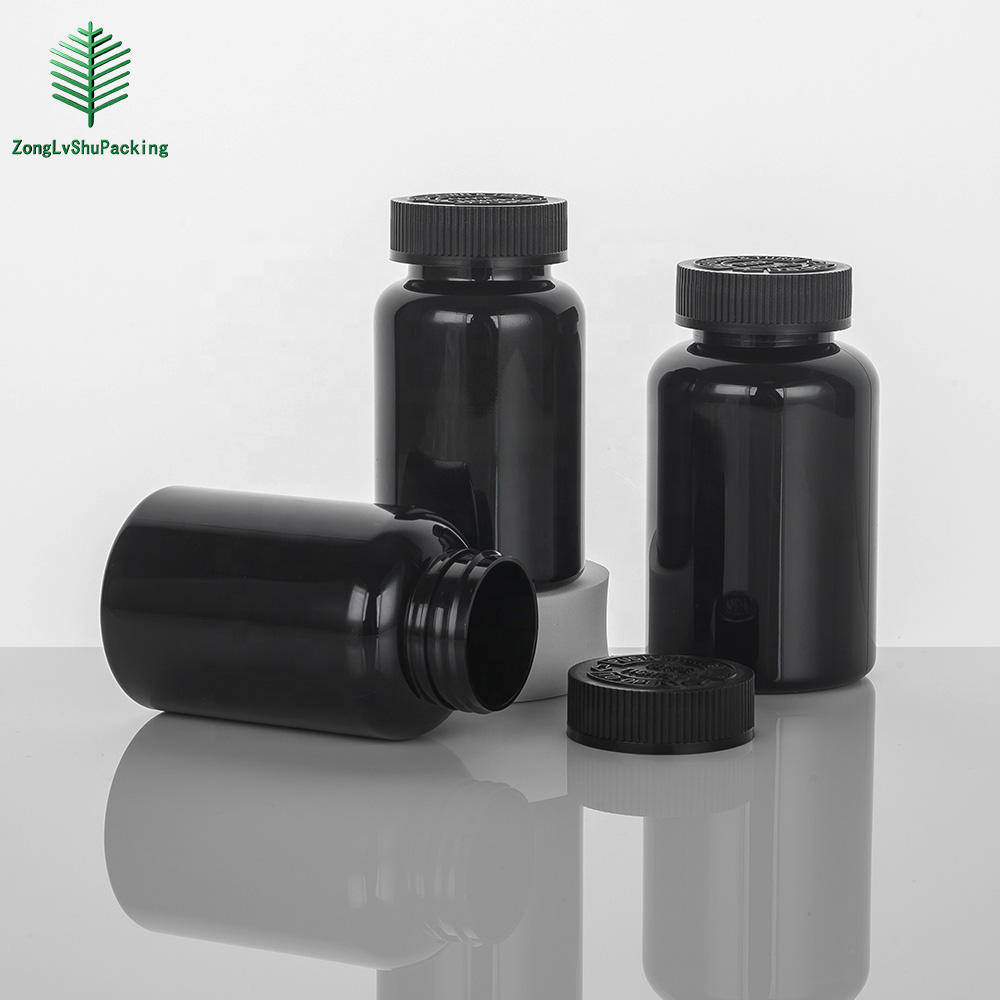
Selecting the right supplement container is fundamental to maintaining product freshness and extending shelf life. A properly chosen supplement container protects your investment by preventing moisture absorption, light exposure, and oxygen interaction that degrade potency and quality. Whether you store protein powders, vitamins, herbs, or specialized formulas, the supplement container you select determines how long your products remain effective and safe for consumption.
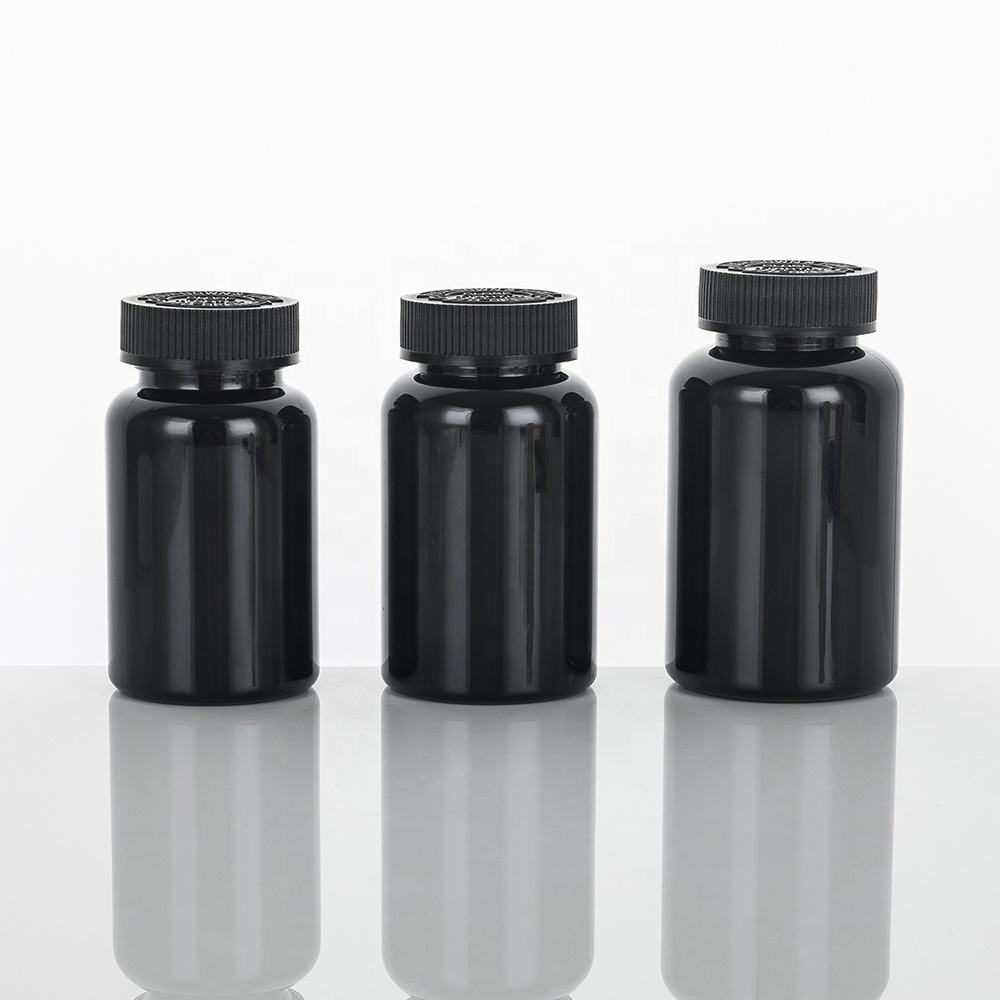
The supplement container market offers numerous options, from basic plastic bottles to advanced barrier materials. Your choice directly affects ingredient stability, product integrity, and consumer satisfaction. Understanding the key characteristics that define an effective supplement container helps you make informed decisions that align with storage duration, environmental conditions, and specific product requirements.
Understanding Material Properties for Freshness Protection
Light Blocking and UV Protection
Light exposure represents one of the primary threats to supplement freshness and potency. A quality supplement container must feature opaque or dark-colored materials that block ultraviolet and visible light wavelengths. Amber, brown, or black materials in a supplement container create a light barrier that prevents photodegradation of sensitive ingredients like vitamins, plant extracts, and amino acids. The supplement container's opacity rating directly correlates with how well your products maintain their original effectiveness over weeks and months of storage.
The best supplement container options use high-density polyethylene (HDPE) in dark colors or employ glass materials with protective coatings. These materials in a supplement container resist light penetration while remaining cost-effective and practical for commercial distribution. When evaluating any supplement container, check the material specification sheets for light transmission percentages to ensure adequate protection against UV and visible light degradation.
Moisture and Oxygen Barrier Performance
Moisture absorption and oxygen ingress are critical factors that determine how long a supplement container maintains freshness. An effective supplement container creates a seal that minimizes water vapor transmission rates and oxygen permeability. HDPE materials commonly used in supplement container construction naturally resist moisture but require proper sealing mechanisms like snap caps, screw tops, or induction seals to achieve optimal protection levels.
The supplement container's seal quality becomes increasingly important for hygroscopic ingredients that readily absorb ambient moisture. Protein powders, certain herbal supplements, and powdered vitamins require a supplement container with exceptionally low moisture transmission characteristics. Premium supplement container options incorporate desiccant packets or use multilayer constructions that further reduce oxygen exposure and maintain consistent moisture levels inside the container environment.
Selecting the Right Supplement Container Size and Design
Volume Capacity and Usage Scenarios
Choosing appropriate volume for your supplement container affects both freshness preservation and practical usability. Larger supplement container sizes work well for frequent users but may expose product to more air changes during regular opening and closing. Conversely, smaller supplement container options minimize air exposure but require more frequent reordering and create higher per-unit packaging costs. The ideal supplement container size balances your specific usage patterns with freshness requirements and inventory management considerations.
Commercial supplement container applications often use standardized volumes like 300ml, 500ml, or 1000ml to match industry expectations and shipping economics. A supplement container that fits your product's typical consumption period helps maintain freshness while reducing waste. Evaluate your customer base's usage frequency when determining whether a supplement container in the 4-ounce, 8-ounce, or larger format best serves your market segment and freshness commitments.
Closure Systems and Sealing Mechanisms
The closure system directly impacts how effectively your supplement container preserves freshness over its entire lifecycle. Screw caps with foam liners create improved seals compared to simple snap-fit closures. An advanced supplement container closure system may include induction sealing that creates an hermetic seal without requiring customer action, significantly extending the shelf life protected by your supplement container design. The closure mechanism should be easy for consumers to open repeatedly without compromising the supplement container's sealing integrity.
Multi-layer closure systems in premium supplement container designs often incorporate desiccant packets or oxygen absorbers that work synergistically with the container's barrier properties. When evaluating supplement container options, test the closure system's reusability and verify that daily opening and closing cycles do not degrade the supplement container's protective capabilities. This practical consideration determines real-world freshness protection throughout the product's lifespan in customer hands.
Regulatory Standards and Freshness Certification
Food-Grade Materials and Safety Compliance
A supplement container destined for food supplements must comply with food-contact regulations established by governing agencies. Food-grade materials ensure your supplement container does not leach harmful chemicals into stored products. Verify that any supplement container supplier provides documentation confirming FDA compliance, specifically that the container's material composition meets CFR 21 standards for indirect food-contact substances. A compliant supplement container protects both product quality and consumer safety throughout its intended storage duration.
Certification marks on your supplement container indicate third-party verification of material safety and performance characteristics. Look for supplements container options displaying NSF certification, BPA-free verification, or similar credentials that demonstrate commitment to quality standards. The supplement container's material composition should be clearly labeled or documented so you can confidently communicate safety attributes to your target market and regulatory reviewers.
Shelf Life Declarations and Accelerated Testing
Your supplement container choice influences how accurately you can declare shelf life claims on product labels. Suppliers of premium supplement container solutions often provide accelerated stability data showing how their containers maintain product integrity under stress conditions like elevated temperature and humidity. This supplement container performance data helps you establish realistic shelf life declarations that courts regulatory scrutiny and maintains customer trust.
When selecting a supplement container for your formulations, request accelerated stability protocols specific to your product type. Different supplements require different protection levels, and your supplement container must align with the ingredient profile and intended storage conditions. Documentation that your supplement container meets established shelf life standards creates confidence in your freshness guarantees and differentiates your brand in competitive markets.
FAQ
What material offers the best freshness protection in a supplement container?
Dark-colored HDPE (high-density polyethylene) or glass materials provide excellent freshness protection for a supplement container because they block light exposure while resisting moisture absorption. A supplement container made from these materials, combined with quality closure systems, maintains ingredient potency far longer than standard clear plastics. Many manufacturers prefer HDPE supplement container options because they balance cost, performance, and environmental considerations effectively.
How often should you replace a supplement container to maintain product freshness?
A supplement container's replacement schedule depends on product type, storage conditions, and closure system quality. For most supplements, a supplement container maintains adequate freshness protection for 12 to 24 months when unopened and stored in cool, dry environments. After opening, a supplement container's protective capability gradually diminishes with each exposure, typically maintaining freshness for 3 to 6 months depending on how frequently the supplement container is accessed and environmental humidity levels.
Can you reuse an old supplement container for new products?
Reusing a supplement container is possible but requires careful assessment of its condition. Check that the closure system still seals effectively and the supplement container's interior shows no signs of residue, discoloration, or odors that might contaminate fresh products. A supplement container that previously held strong-flavored supplements may retain residual compounds that affect new product quality. For best results, reserve reuse of a supplement container for similar product types and verify seal integrity before transfer.