
 EN
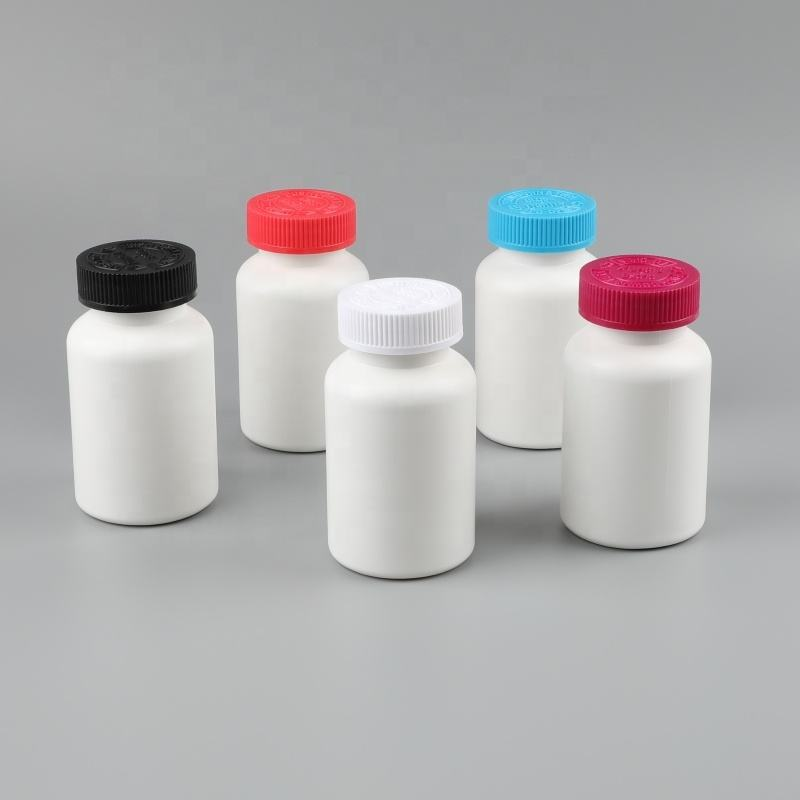
Moisture damage to tablets represents one of the most overlooked challenges in pharmaceutical storage and personal medication management. Many people store their medications in standard pill bottles without realizing that their choice of pill bottle directly impacts tablet integrity, potency, and shelf life. If your current pill bottle lacks proper moisture barriers, your tablets may be degrading silently, losing their therapeutic effectiveness long before the expiration date printed on the label. Understanding how your pill bottle influences medication preservation is essential for anyone responsible for managing pharmaceuticals, whether in a clinical setting, retail pharmacy, or home medicine cabinet.
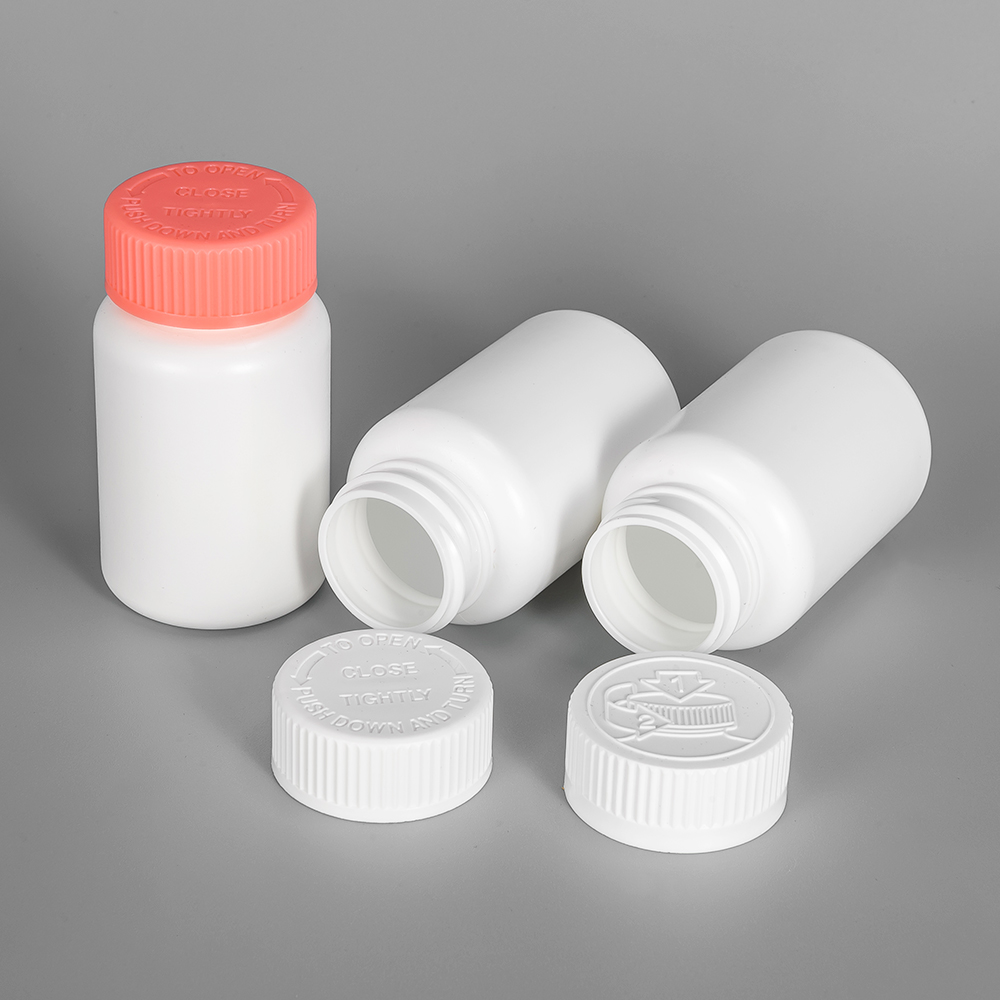
The chemistry of tablet degradation is straightforward: when moisture penetrates a pill bottle and reaches tablet surfaces, chemical reactions accelerate, breaking down active pharmaceutical ingredients and excipients. This process, called hydrolysis, compromises medication efficacy and can sometimes produce toxic byproducts. Your pill bottle choice determines whether moisture stays out or seeps in, making container selection far more consequential than most people realize. Modern pharmaceutical standards demand that pill bottles meet strict moisture resistance requirements, yet many consumer-grade and older-style containers fall dangerously short of these benchmarks.
Why Moisture Damage Occurs in Standard Pill Bottles
Moisture Penetration Pathways
Standard plastic pill bottles designed without advanced moisture barriers allow environmental humidity to gradually diffuse through the container walls and cap seals. The rate of moisture ingress depends on the pill bottle material composition, wall thickness, and seal tightness. Even caps that feel tight to the touch often fail to create airtight seals that can withstand daily temperature and humidity fluctuations. High-traffic bathrooms and kitchens expose pill bottles to the most severe humidity spikes, yet people frequently store medications in these exact locations for convenience.
Tablet Composition and Moisture Sensitivity
Different tablet formulations show varying degrees of moisture sensitivity, but nearly all pharmaceutical tablets suffer degradation when exposed to relative humidity levels above 40 percent. A typical pill bottle in a humid environment can experience internal humidity levels exceeding 60 percent within days. Once moisture reaches tablets, hygroscopic excipients in the formulation absorb water, causing the tablet matrix to soften, crack, or lose structural integrity. The pill bottle's failure to maintain a dry internal environment accelerates these degradation pathways, particularly for sensitive medications like antibiotics, antihistamines, and hormone-based therapies.
Identifying Moisture Damage in Your Current Pill Bottle
Visual and Physical Signs
If your current pill bottle has allowed moisture infiltration, tablets will exhibit telltale warning signs. Discoloration, particularly darkening or spotting on tablet surfaces, indicates chemical breakdown initiated by moisture exposure. Tablets that have become softer than normal, feel sticky, or show surface erosion have likely experienced significant moisture damage inside the pill bottle. Clumping or tablets sticking together is another clear indicator that your pill bottle's seal failed to maintain moisture protection. In some cases, a noticeable odor emanating from the pill bottle signals advanced degradation and possible contamination.
Performance and Efficacy Concerns
The practical consequences of moisture damage stored in a compromised pill bottle extend beyond what you can see. Patients may experience reduced medication effectiveness, requiring higher doses or more frequent administration to achieve therapeutic outcomes. For time-sensitive medications like emergency medications or blood pressure regulators, efficacy loss stored within a poor-quality pill bottle creates genuine health risks. Healthcare providers often cannot distinguish between true treatment resistance and medication degradation caused by improper storage in a failing pill bottle, leading to unnecessary dose adjustments or medication changes.
Selecting a Moisture-Resistant Pill Bottle
Material and Design Features
High-performance pill bottles designed to prevent moisture damage typically utilize amber-colored polyethylene terephthalate (PET) plastic or glass with specially engineered cap systems. Amber pill bottles block ultraviolet light, which also degrades many medications independently of moisture issues. The pill bottle wall thickness matters significantly, with premium containers featuring thicker, denser plastic that resists moisture diffusion more effectively. Tamper-evident caps paired with inert liner materials create multiple barriers against moisture ingress, ensuring your pill bottle remains sealed even through temperature cycling and physical handling.
Performance Standards and Testing
Pharmaceutical-grade pill bottles must pass rigorous moisture transmission testing to meet regulatory standards. A reliable pill bottle will have documentation showing water vapor transmission rates measured under standardized conditions. Look for pill bottle products that cite compliance with United States Pharmacopeia (USP) standards or equivalent international requirements. Leak-proof pill bottles specifically engineered for moisture resistance undergo accelerated aging studies to confirm that their performance remains consistent over extended storage periods, protecting your medications long-term.
Implementation and Best Practices
Proper Storage Environment
Even with an excellent moisture-resistant pill bottle, storing your medications in excessively humid locations compromises protection. Keep pill bottles in cool, dry areas away from bathrooms and kitchens where humidity fluctuates dramatically. Bedroom closets, hallway shelves, and climate-controlled medicine cabinets represent ideal storage locations for your pill bottle. Avoid placing pill bottles near windows where temperature changes and condensation events can stress the seal of even the best pill bottle design.
Maintenance and Inspection Routines
Regularly inspect your pill bottle cap seal for signs of wear, cracking, or separation from the container body. Verify that your pill bottle cap always closes with a firm, audible click indicating proper seating. If your pill bottle ever shows signs of damage or the seal feels loose, transfer the contents to a fresh, sealed pill bottle immediately. Moisture-resistant pill bottles maintain their protective properties only when their seals remain intact, so periodic checks ensure your medication protection investment continues delivering value.
FAQ
Can I reuse my old pill bottle after replacing medications?
Reusing an old pill bottle is generally not recommended for sensitive medications. Seals degrade with repeated opening and closing, and plastic materials may develop microscopic cracks that compromise the pill bottle's moisture resistance over time. If you must reuse a pill bottle, inspect it thoroughly and only use it for non-sensitive, robust medications in a low-humidity storage environment.
How long does a moisture-resistant pill bottle protect tablets?
A high-quality, properly sealed pill bottle can maintain moisture protection for months to years, depending on environmental conditions and the specific formulation stored inside. Most pharmaceutical-grade pill bottles are designed to exceed the expected shelf life of the medications they contain, typically maintaining moisture resistance for 12 to 36 months under normal storage conditions when the seal remains intact.
What should I do if I suspect my pill bottle has allowed moisture damage?
If you observe visible signs of moisture damage in your pill bottle, contact your pharmacy immediately. Do not use potentially compromised medications without professional guidance, as degraded tablets may be ineffective or potentially harmful. Your pharmacist can verify the medication's integrity, provide fresh replacements, and recommend an upgraded pill bottle designed specifically for moisture resistance.