
 EN
EN
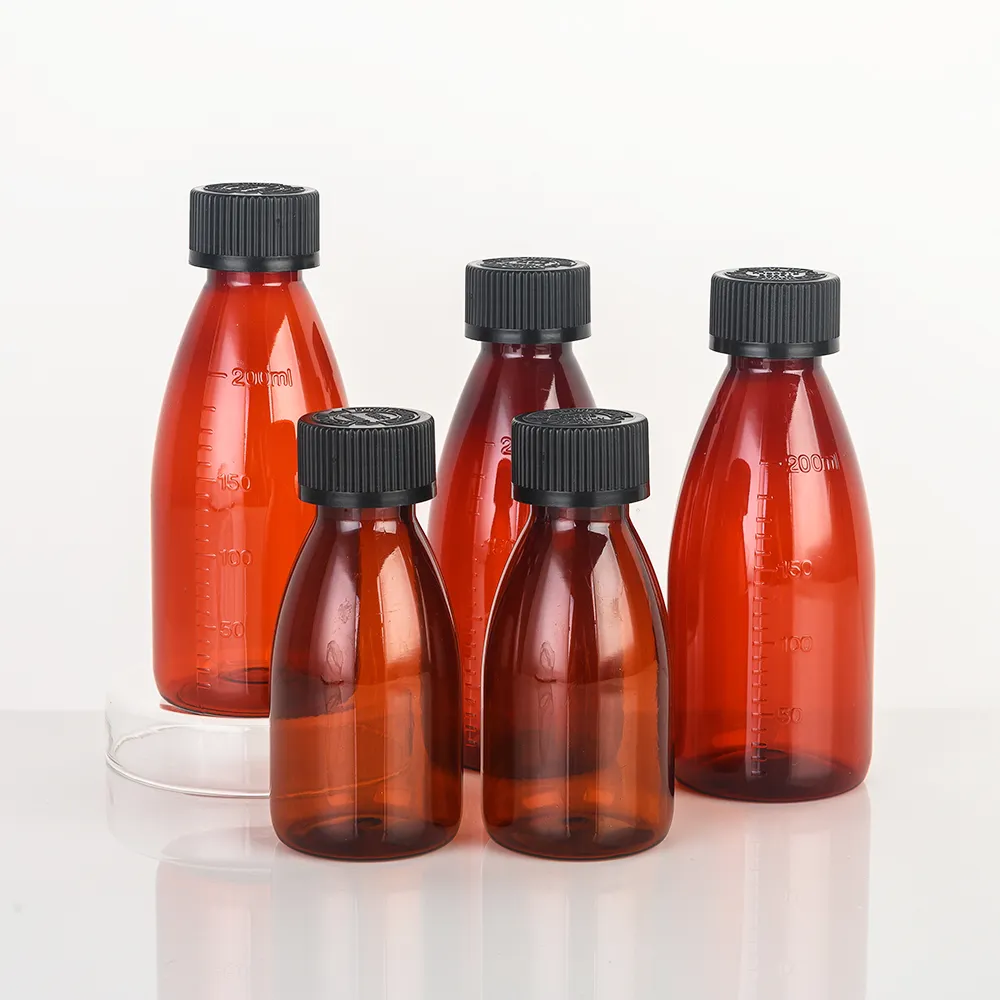
When demand surges—whether driven by a seasonal flu outbreak, a new distribution contract, or an aggressive market expansion—your supply chain is tested at every link. For pharmaceutical manufacturers and liquid medicine brands, one of the most critical yet often overlooked links is the packaging component: cough syrup bottles. The ability to scale production rapidly and maintain consistent quality under high-volume conditions is not a given. It requires a supplier who has invested in the right infrastructure, materials, quality controls, and logistics capabilities long before the purchase order arrives.
Most procurement teams only discover supply chain vulnerabilities at the worst possible moment—mid-production, when a backorder threatens an entire shipment timeline. Evaluating whether your supplier of cough syrup bottles is truly ready for large-scale orders means looking well beyond price-per-unit. It means assessing manufacturing capacity, material traceability, quality assurance systems, and the operational agility to respond to fluctuating demand. This article walks you through every dimension you should examine before entrusting a supplier with your large-format packaging needs.
Understanding What Large-Scale Readiness Really Means
Production Capacity Is More Than Machine Count
A supplier may own dozens of injection blow molding or extrusion machines, but that number alone tells you very little about their true capacity for cough syrup bottles. What matters is the combined output rate, the scheduling flexibility to accommodate priority runs, and the ability to maintain uniform tolerances when producing millions of units in a compressed timeline. A manufacturer running machines at 95% utilization consistently has little room to absorb your urgent large-scale order without impacting other clients.
Experienced buyers ask for documented monthly output figures, average lead times for repeat orders, and maximum surge capacity. A supplier that can clearly articulate these numbers in verified terms is operating with production transparency—a hallmark of readiness. If answers are vague or conditional, that uncertainty will translate into real-world delivery risk when volumes increase.
For cough syrup bottles, consistent dimensional accuracy is especially critical because the bottles must integrate seamlessly with automated filling lines. Any deviation from specified tolerances at scale can halt production, cause costly downtime, and damage your client relationships downstream.
Raw Material Supply Chain Depth
The capacity to produce cough syrup bottles in large volumes is directly tied to the stability of resin and material supply. PET, HDPE, and other pharmaceutical-grade polymers are subject to global price volatility and regional supply constraints. A well-prepared supplier maintains strategic buffer stock of raw materials, has secured multi-source procurement agreements, and is not entirely dependent on a single resin provider.
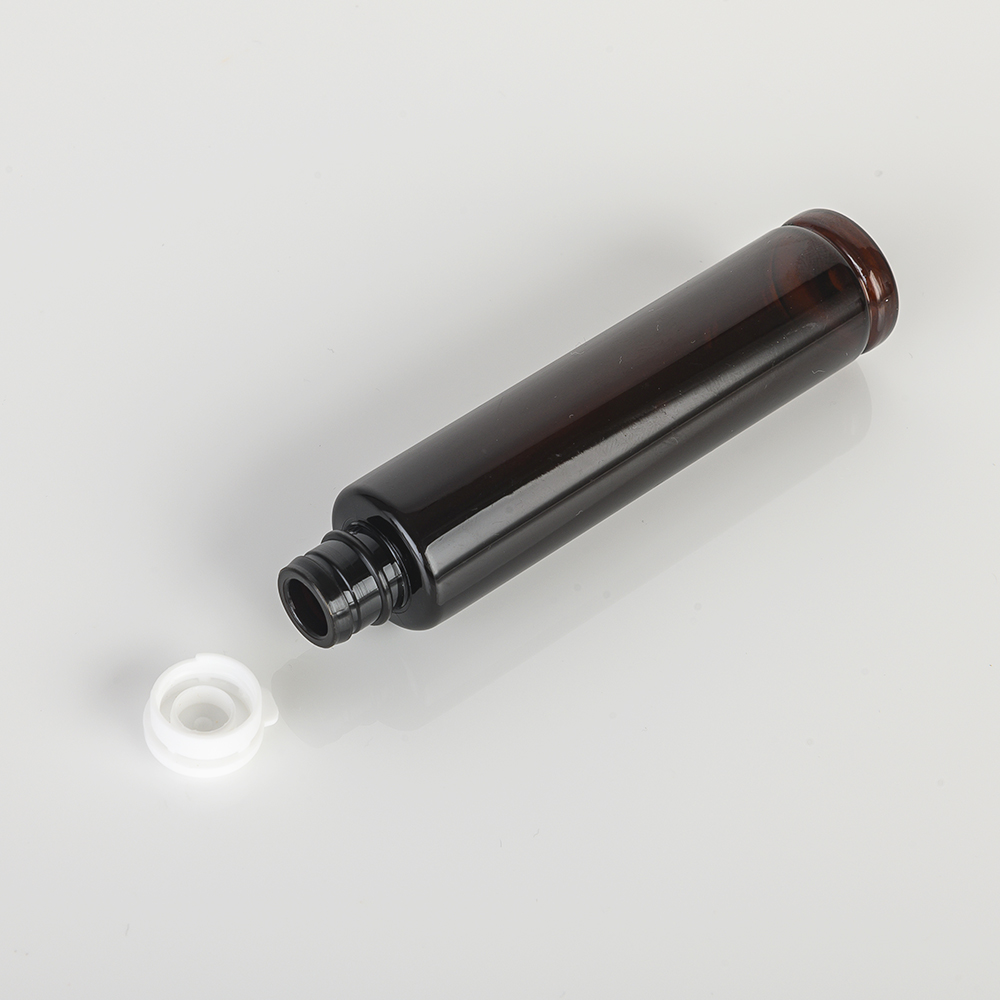
Ask your supplier about their average raw material inventory coverage in days, their supplier diversification strategy, and how they have historically responded to material shortages. The more resilient their material supply chain, the more reliably they can fulfill your large-scale packaging orders without interruption or substitution-related quality compromise.
For pharmaceutical liquid packaging like cough syrup bottles, any unverified resin substitution can have compliance and safety implications. A supplier that understands regulatory traceability requirements and documents material origins provides an additional layer of protection that becomes essential at high volumes.
Quality Consistency at Scale: The Real Challenge
Why Quality Degrades When Volume Increases
One of the most common pain points in large-scale packaging procurement is the quality gap between sample orders and bulk production. A supplier can produce flawless cough syrup bottles during qualification runs—because those batches receive elevated attention, careful setup, and close monitoring. The question is whether that quality holds when the same production line runs continuously for 72 hours filling a 500,000-unit order.
Quality at scale requires systematized processes, not skilled individual attention. It requires Statistical Process Control (SPC) systems, automated in-line inspection tools, and documented sampling protocols that detect drift before defects accumulate. Suppliers who rely on manual end-of-line inspection alone will inevitably deliver inconsistency in bulk cough syrup bottles orders—particularly in dimensions like neck finish diameter, wall thickness uniformity, and closure torque performance.
When evaluating a supplier's quality system, request their AQL (Acceptable Quality Level) data from recent bulk shipments. Review rejection rates, corrective action histories, and how quickly non-conformances are resolved. This data is a far more reliable predictor of large-scale performance than any sample run can be.
Regulatory Compliance Documentation at Volume
Pharmaceutical packaging for products like cough medicine is subject to regulatory scrutiny in virtually every major market. Whether you are supplying to domestic pharmacies or exporting, the cough syrup bottles used in your product must comply with applicable standards for material safety, leachables, and packaging integrity. At large scale, regulatory compliance documentation must scale proportionally.
A supplier ready for large-scale orders maintains batch-level traceability records, issues Certificates of Conformance (CoC) for every shipment, and has undergone third-party testing of their bottle materials against relevant pharmacopoeial standards. These are not optional add-ons—they are the baseline expectation for any serious buyer of cough syrup bottles in a regulated product category.
Confirm whether your supplier's quality management system is certified under ISO 9001 or a more specific standard. Ask for examples of documentation provided with past large-volume orders. A supplier who struggles to produce organized compliance records for a medium order will certainly fail to do so reliably at high volumes.
Logistics, Lead Time, and Order Management Capabilities
Warehousing and Buffer Stock Programs
Large-scale orders of cough syrup bottles create logistical complexity that extends well beyond the manufacturing floor. The finished bottles must be stored, protected from deformation or contamination, and shipped in coordinated batches aligned with your filling schedule. A supplier without adequate warehousing infrastructure becomes a bottleneck the moment your order volume exceeds their staging capacity.
Some suppliers offer vendor-managed inventory (VMI) or buffer stock programs specifically designed for high-volume pharmaceutical packaging clients. These arrangements allow you to maintain predictable supply without carrying the full inventory burden yourself. For buyers managing large-scale production of liquid medicines, having a supplier that proactively manages cough syrup bottles inventory on your behalf significantly reduces planning risk.
Ask about minimum and maximum stock levels, how quickly inventory can be replenished during unexpected demand spikes, and what happens if your order volume exceeds the reserved buffer. Clear contractual terms around these scenarios are a strong signal of supplier maturity and large-order readiness.
Lead Time Reliability Under Pressure
Quoted lead times and actual lead times are often two different things—especially when a supplier is juggling multiple large clients simultaneously. When evaluating whether your supplier can handle large-scale orders of cough syrup bottles, review their on-time delivery performance across a range of order sizes. A supplier with a strong track record at low volumes but no history of large-scale fulfillment is an untested risk.
Ask for case-specific references from clients who have placed orders of comparable volume to yours. Speak directly with those clients if possible. Understand how the supplier communicates during production, what early warning systems they have for delays, and what commitments they make around delivery date accuracy. Transparent communication during the production cycle is often more valuable than an optimistic promise made at the quotation stage.
For time-sensitive sectors like cough medicine manufacturing—where seasonality can compress your launch windows dramatically—the difference between a supplier who delivers cough syrup bottles on time consistently and one who delivers with frequent exceptions is the difference between capturing market opportunity and losing it.
Technical Support and Customization Capability at Scale
Tooling Investment and Design Flexibility
As your brand grows, your packaging needs evolve. You may need custom bottle shapes, branded color-matching in amber or light brown PET, specific neck finishes that integrate with proprietary caps, or embossed branding elements. A supplier that is genuinely ready for large-scale orders of cough syrup bottles has invested in proprietary tooling infrastructure and has an in-house or closely integrated design engineering team.
Tooling capability matters especially when scaling from standard to custom formats. If your supplier must outsource tooling fabrication, lead times extend and quality control weakens. Suppliers who own their tooling can make rapid adjustments, respond to design change requests, and maintain dimensional consistency across production runs—all of which become more valuable as order volumes grow.
When sourcing cough syrup bottles at scale, request documentation of existing molds, cavity count per tool, and documented cycle time per mold. Higher cavity counts mean lower per-unit cost and faster throughput, but only if the tooling precision is maintained. A well-managed supplier will have this data organized and accessible.
Cap and Closure Integration Testing
For pharmaceutical liquid products, the integrity of the bottle-closure system is paramount. Cough syrup bottles must pass leakage tests, child-resistant closure compliance checks (where applicable), and tamper-evidence verification. At large scale, any dimensional inconsistency between the bottle neck and the cap can result in systematic leakage failures across thousands of units—a catastrophic quality event.
A capable supplier conducts closure compatibility testing as part of their standard quality program and documents torque application ranges, seal integrity results, and cap fitment tolerances. They should be able to provide this data on request, covering not just their standard cap configurations but any custom cap-and-bottle system you intend to use.
This level of technical diligence becomes even more important when your cough syrup bottles order involves a new design, a new cap supplier, or a change in bottle material. Large-scale suppliers understand these integration risks and proactively manage them—rather than waiting for post-delivery complaints to surface.
Evaluating Supplier Readiness: A Practical Framework
The Supplier Audit Checklist Mindset
Rather than relying on supplier self-assessments, buyers of large-scale cough syrup bottles should approach evaluation through a structured audit framework. This means requesting facility audits or audit reports, reviewing quality management documentation, and verifying financial stability (because a financially stressed supplier is a supply continuity risk). An audit-ready supplier will welcome this scrutiny; an unprepared supplier will resist or delay it.
Key checklist categories include: production capacity documentation, raw material supply chain depth, quality system certifications, regulatory compliance records, warehouse and logistics capability, lead time performance history, and client reference availability. Each of these categories should be assessed not for theoretical capability but for demonstrated, verifiable performance. The distinction matters enormously when you are committing to a large-scale order.
Remember that sourcing cough syrup bottles at scale is a strategic decision, not a transactional one. The supplier you select becomes embedded in your production process. Their weaknesses become your vulnerabilities. Their strengths become your competitive advantages. Treating this evaluation with the same rigor you apply to formulation development or regulatory submission is entirely appropriate.
Signals That a Supplier Is Not Ready for Scale
Certain warning signs emerge consistently in pre-qualification conversations and should prompt immediate caution. If a supplier cannot provide documented monthly output figures for cough syrup bottles, that is a red flag. If they cannot explain their raw material sourcing strategy or show resin certifications, that is a risk. If their quality documentation for past shipments is disorganized or incomplete, that predicts future non-conformance under volume pressure.
Other warning signals include: an inability to provide client references for comparable order volumes, vague or unverifiable claims about machine capacity, reluctance to allow third-party audits, and a lack of dedicated account management for large-scale clients. Suppliers who are not ready for scale often compensate with aggressive pricing—which may seem attractive but ultimately transfers all execution risk to the buyer.
Conversely, suppliers who are genuinely prepared for large-scale orders of cough syrup bottles demonstrate operational confidence. They invite scrutiny, provide data proactively, offer structured onboarding for new high-volume clients, and communicate clearly about capacity windows and order commitment timelines. These behaviors are consistent across size, geography, and product category—because they reflect a mature supply chain culture.
FAQ
What minimum order quantity should I expect from a large-scale cough syrup bottles supplier?
Minimum order quantities (MOQs) vary depending on the bottle format, material, and whether custom tooling is involved. For standard cough syrup bottles in established mold configurations, many large-scale suppliers accept orders starting from 10,000 to 50,000 units per SKU. For custom formats requiring new tooling, MOQs may be higher to justify the tooling investment. Always clarify MOQ terms in writing before committing to a supplier relationship.
How do I verify that my cough syrup bottles supplier can actually meet a surge in demand?
The most reliable verification method is reviewing historical performance data. Ask for examples of how the supplier has responded to unplanned demand increases for cough syrup bottles in the past—specifically their response time, how quickly they ramped up production, and what was the resulting lead time compared to standard. Client references who experienced similar surge scenarios are the most credible validation source available.
What certifications should a pharmaceutical-grade cough syrup bottles supplier hold?
At minimum, look for ISO 9001 quality management certification and evidence of compliance with relevant pharmacopoeial standards for plastic containers in contact with liquid pharmaceuticals. Suppliers of cough syrup bottles intended for export markets should also demonstrate familiarity with destination-market regulatory requirements, including materials safety data and migration testing records where mandated.
Is price negotiation effective for large-scale cough syrup bottles orders?
Yes, volume typically provides meaningful pricing leverage for cough syrup bottles. However, sustainable large-scale sourcing requires balancing unit cost against total cost of ownership—including quality failure costs, logistics reliability, and the hidden costs of supply disruptions. Prioritizing the lowest price from a supplier who is not operationally ready for scale often results in significantly higher total costs once delays, rejects, and emergency sourcing are factored in.
Table of Contents
- Understanding What Large-Scale Readiness Really Means
- Quality Consistency at Scale: The Real Challenge
- Logistics, Lead Time, and Order Management Capabilities
- Technical Support and Customization Capability at Scale
- Evaluating Supplier Readiness: A Practical Framework
-
FAQ
- What minimum order quantity should I expect from a large-scale cough syrup bottles supplier?
- How do I verify that my cough syrup bottles supplier can actually meet a surge in demand?
- What certifications should a pharmaceutical-grade cough syrup bottles supplier hold?
- Is price negotiation effective for large-scale cough syrup bottles orders?