
 EN
EN
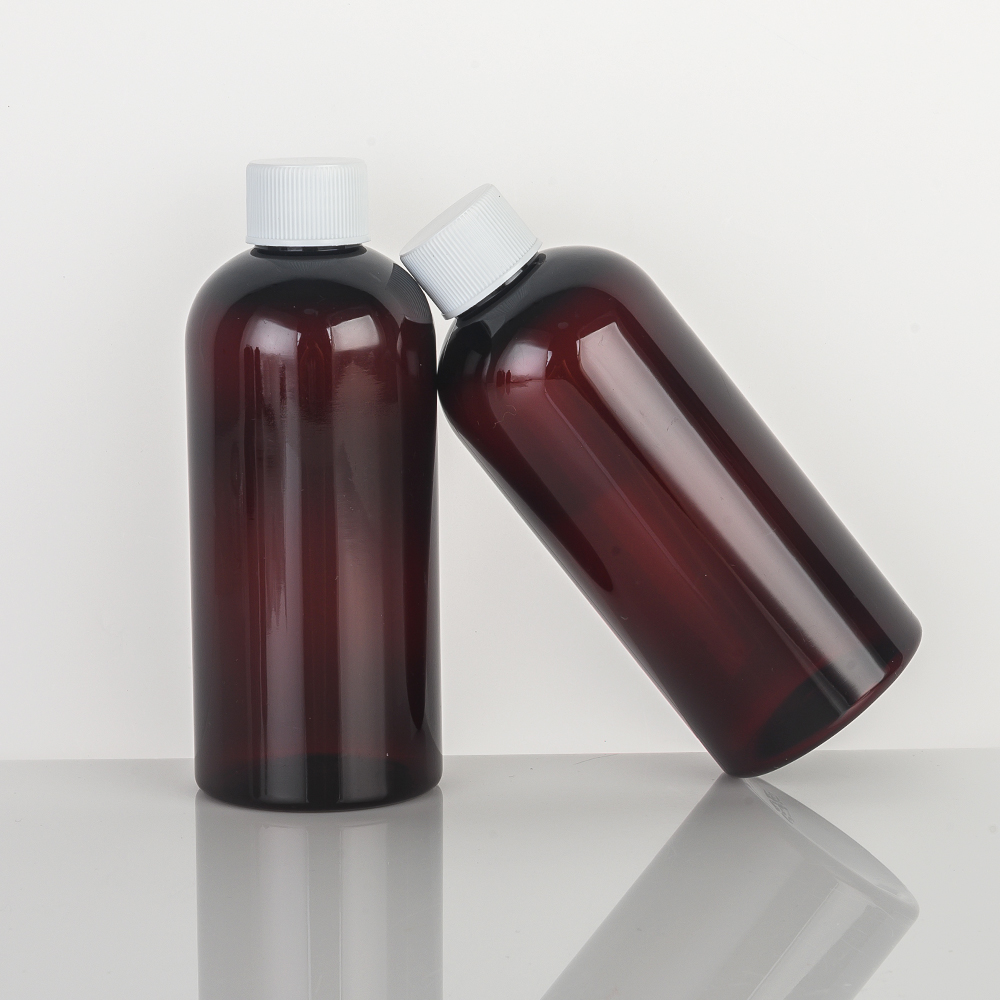
Selecting the right medicine bottle supplier is one of the most critical decisions a pharmaceutical manufacturer, distributor, or healthcare provider can make. A medicine bottle is far more than a simple container—it is a regulatory asset, a safety requirement, and a direct reflection of your commitment to product integrity. But not every medicine bottle supplier operates under the same standards, and the consequences of choosing an uncertified or inadequately regulated supplier can range from costly compliance violations to compromised patient safety.
The pharmaceutical industry operates under strict regulatory oversight, and every component that touches a medication—including the medicine bottle—must meet specific quality, safety, and manufacturing standards. When you work with a certified medicine bottle supplier, you gain assurance that your packaging meets or exceeds these requirements, protects your brand reputation, and supports your compliance obligations. This article explores what certification means for a medicine bottle supplier, why it matters, and how to evaluate whether your current or prospective supplier meets the standards your business demands.
Understanding Medicine Bottle Certification Standards
Regulatory Framework for Pharmaceutical Packaging
A certified medicine bottle supplier must demonstrate compliance with multiple regulatory bodies and industry standards. In the United States, the FDA governs pharmaceutical packaging materials, and a medicine bottle used for prescription or over-the-counter medications must be manufactured under FDA-compliant processes. The European Pharmacopoeia sets rigorous standards for medicine bottle materials, closure systems, and compatibility with active pharmaceutical ingredients. Similarly, the United States Pharmacopeia (USP) provides detailed specifications for glass and plastic medicine bottles, ensuring that a medicine bottle will not leach harmful substances or compromise medication stability. A truly certified medicine bottle supplier maintains accreditation or qualification from these bodies, not merely as a one-time achievement, but as an ongoing commitment verified through regular audits and testing.
Material and Safety Certifications
The material composition of a medicine bottle directly affects medication integrity and patient safety. A certified medicine bottle supplier sources raw materials that meet pharmacopeial standards for purity, chemical resistance, and compatibility. For glass medicine bottles, this means borosilicate or soda-lime glass formulations that resist thermal shock and chemical attack. For plastic medicine bottles, certification requires that the resin meets USP Class VI biocompatibility standards and has been tested for extractables and leachables. A medicine bottle made from uncertified or substandard plastic, for example, could leach polymer additives into liquid medications or cause capsules to degrade. Certification also covers child-resistant closure systems, tamper-evident features, and environmental sustainability measures, ensuring that a medicine bottle protects both the product and the end user throughout its shelf life.
Why Certification Directly Impacts Your Compliance and Risk Profile
Regulatory Audit Readiness and Documentation
When regulatory inspectors visit your facility, one of their first actions is to verify that all materials and components, including your medicine bottle supply chain, meet documented compliance standards. A certified medicine bottle supplier provides comprehensive documentation—certificates of analysis, material safety data sheets, batch traceability records, and third-party test results—that demonstrate a medicine bottle meets pharmacopeial specifications. Without this documentation, your organization cannot prove to auditors that your medicine bottles are suitable for pharmaceutical use, which can result in warning letters, import holds, or product recalls. The FDA and equivalent international authorities expect manufacturers to qualify their suppliers, and working with a certified medicine bottle supplier is a foundational element of that qualification process. When your medicine bottle supplier maintains active certifications and participates in regular audits, you gain defensible documentation that strengthens your compliance posture and reduces regulatory risk.
Product Recall Prevention and Liability Mitigation
A medicine bottle defect can trigger recalls that damage your brand, consume financial resources, and expose your company to liability. If a medicine bottle fails to protect its contents—allowing oxidation, contamination, or evaporation—medications may lose potency or become unsafe. If a medicine bottle's closure system fails, product integrity is compromised and patients face potential harm. A certified medicine bottle supplier has rigorous quality control processes, documented material sourcing, and traceability systems that significantly reduce the likelihood of defects reaching your production line. In the event of a problem, a certified medicine bottle supplier maintains complete batch records and can quickly identify which batches may be affected, enabling rapid response and focused recalls rather than broad product pulls. This level of accountability and transparency is typically only available from certified suppliers who understand the pharmaceutical supply chain and maintain documented systems to support investigation and remediation.
Key Certifications and Standards to Verify
ISO, Pharmacopeial, and Third-Party Accreditations
When evaluating a medicine bottle supplier, confirm that they hold ISO 13485 certification, which demonstrates that their quality management system meets international medical device standards. This certification indicates that the medicine bottle manufacturer operates under documented processes, maintains traceability, conducts regular internal audits, and manages changes to prevent defects. Request certificates confirming that the medicine bottle supplier's products have been tested and qualified to USP, EP (European Pharmacopoeia), or JP (Japanese Pharmacopoeia) standards, depending on your target markets. Third-party laboratory testing adds an additional layer of verification; a credible medicine bottle supplier will have commissioned independent testing of extractables and leachables, microbial limits, and chemical composition. Some medicine bottle suppliers also pursue certifications from industry bodies such as the Parenteral Drug Association (PDA) or the Healthcare Distribution Alliance (HDA), which further demonstrates their commitment to pharmaceutical standards and best practices. Ask for current, dated copies of these certifications and confirm their validity through direct contact with the certifying bodies if you have concerns.
Supply Chain and Environmental Certifications
Beyond pharmaceutical-specific certifications, a responsible medicine bottle supplier should demonstrate ethical sourcing and environmental stewardship. Look for certifications such as ISO 14001, which shows the medicine bottle supplier manages environmental impacts in manufacturing. Some medicine bottle suppliers pursue certifications from organizations like the Alliance for Sustainable Packaging or obtain third-party verification of recyclable and sustainable material content. While these certifications do not directly affect the safety of your medicine bottle, they reflect organizational maturity and commitment to responsible practices that may align with your company values and marketing positioning. A medicine bottle supplier that invests in environmental and ethical certifications is typically also investing in quality systems and continuous improvement, which supports the reliability and consistency of your medicine bottle supply.
How to Evaluate and Qualify a Medicine Bottle Supplier
Conducting Supplier Audits and Due Diligence
The first step in verifying that a medicine bottle supplier is certified is to request their complete quality documentation package. This package should include copies of all active certifications, audit reports, test result summaries, and a quality manual that outlines their medicine bottle manufacturing, testing, and control processes. Many pharmaceutical organizations conduct on-site supplier audits to verify that the medicine bottle supplier's documented systems are actually operational and effective. During an audit, you would verify that the medicine bottle supplier maintains clean manufacturing areas, performs regular equipment calibration, documents batch testing results, and has procedures in place to prevent cross-contamination and product mix-ups. If you do not have internal audit resources, many third-party inspection agencies specialize in supplier audits and can assess whether a medicine bottle supplier's operations align with stated certifications and your specific requirements. This due diligence investment is typically recovered many times over through avoided compliance problems and reduced supply chain disruptions.
Performance Monitoring and Long-Term Relationship Management
Certification is not a static achievement; it is an ongoing commitment. A medicine bottle supplier's certifications will expire and require renewal, and your role as a customer includes verifying that renewal documentation is current and that any audit findings are being addressed. Establish supplier scorecards that track on-time delivery, quality metrics such as defect rates, responsiveness to inquiries, and maintenance of valid certifications for your medicine bottle orders. Many pharmaceutical companies schedule annual supplier reviews with their medicine bottle suppliers, where quality performance is discussed, new regulatory requirements are communicated, and the relationship is strengthened. If a medicine bottle supplier's performance declines—for example, if delivery times slip or defects increase—this may signal that their certification systems are under stress or that key personnel have changed. Proactive monitoring and open communication help you catch potential issues before they impact your operations. A certified medicine bottle supplier that values your partnership will welcome these interactions as an opportunity to demonstrate their continued commitment to your success.
FAQ
What happens if I use an uncertified medicine bottle supplier?
Using an uncertified medicine bottle supplier exposes your organization to significant regulatory, financial, and reputational risks. Without documented compliance certifications, you cannot prove to auditors that your medicine bottles meet pharmacopeial standards, which can result in warning letters, product holds, or recalls. Uncertified suppliers may not perform extractables and leachables testing, material sourcing verification, or batch traceability, increasing the likelihood of product defects that could harm patients and damage your brand. Additionally, if a contaminated or defective medicine bottle reaches the market, liability claims and regulatory penalties can far exceed the cost savings from using a cheaper, uncertified supplier.
How do I verify that a medicine bottle supplier's certifications are current?
Request copies of all certification documents directly from the medicine bottle supplier and verify the expiration dates. For major certifications such as ISO 13485 or pharmacopeial qualifications, you can contact the certifying body directly to confirm that the medicine bottle supplier's accreditation is active and in good standing. Include verification of current certifications as a requirement in your supplier qualification checklist and establish a calendar reminder to follow up with the medicine bottle supplier 90 days before any certification expires. Many pharmaceutical organizations also include certification maintenance in their annual supplier review process to ensure compliance is ongoing.
Can a medicine bottle supplier be certified for some markets but not others?
Yes, a medicine bottle supplier may hold certifications for specific markets or product types. For example, a medicine bottle supplier might be qualified to USP standards for the U.S. market but may not hold EP certification for European markets. Some medicine bottle suppliers specialize in glass bottles and may not produce compliant plastic bottles, or they may be certified for non-sterile pharmaceuticals but not for injectable products. Always confirm that a medicine bottle supplier's certifications align with your specific product requirements, intended markets, and regulatory obligations before qualifying them as a supplier.