
 EN
EN
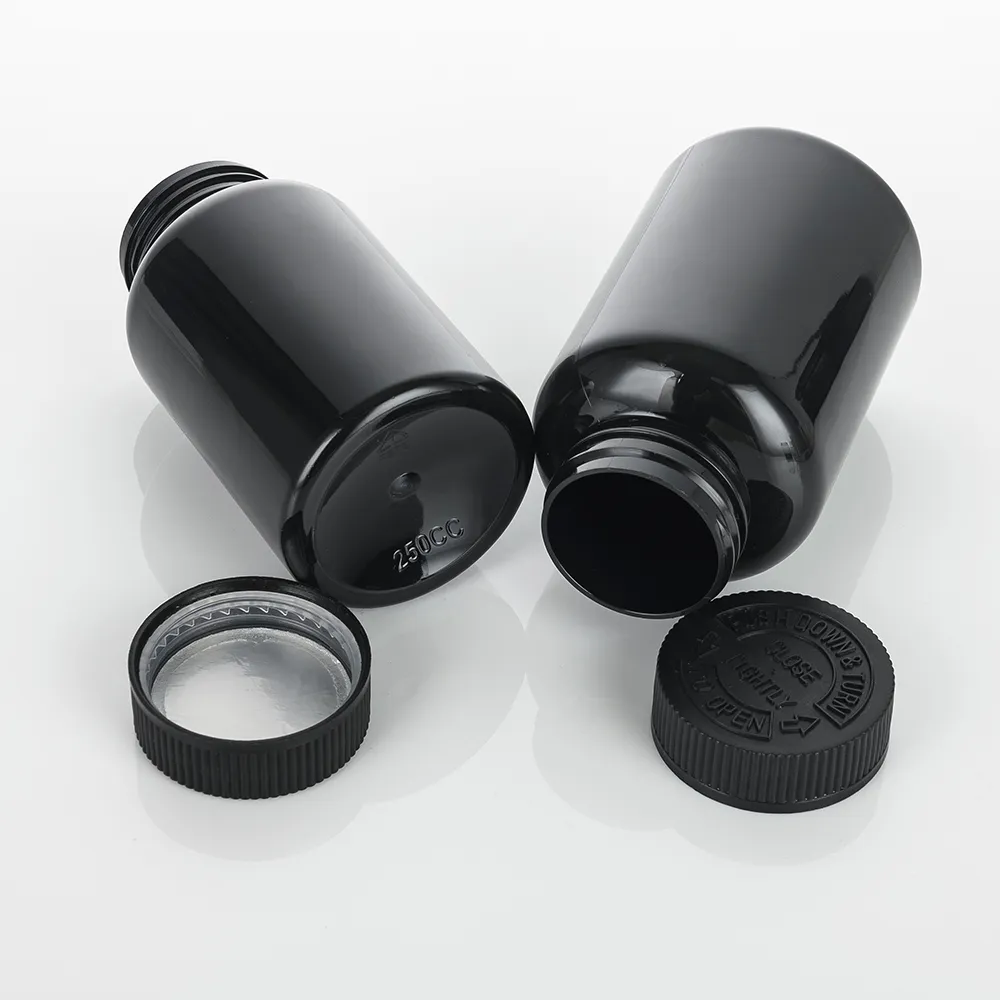
In a hospital environment, medication safety is not a preference — it is an absolute operational standard. Every day, nurses, pharmacists, and clinical staff handle hundreds of medications, and the physical vessel that stores those medications plays a far more critical role than most administrators acknowledge. A properly engineered pill container with a child-resistant or safety-lock mechanism is not simply a packaging choice — it is a front-line defense against accidental ingestion, unauthorized access, and serious medication errors that can have life-altering consequences for patients and staff alike.
Hospitals are complex ecosystems where vulnerable populations — including children in pediatric wards, elderly patients with cognitive impairments, and individuals in mental health units — are constantly in proximity to controlled substances and prescription medications. The design of a pill container used in these settings must therefore go well beyond basic containment. It must actively resist unauthorized opening, maintain clear labeling integrity, support regulatory compliance, and integrate seamlessly into clinical workflows. Understanding exactly why a safety-lock pill container is vital to hospital operations requires examining medication safety risks, regulatory demands, patient protection standards, and the practical realities of daily pharmaceutical management.
The Real Risks of Unsecured Medication Storage in Hospitals
Accidental Ingestion and Unauthorized Access
Hospital wards are shared spaces. Patients move through corridors, family members visit bedside stations, and curious or distressed individuals may attempt to access medications that are not intended for them. Without a safety-locked pill container, the risk of accidental ingestion rises dramatically — particularly in pediatric wards where children can manipulate simple caps with ease. A standard screw-top or snap-close pill container offers minimal resistance to a determined child or a disoriented elderly patient who mistakes someone else's medication for their own.
The consequences of an unsecured pill container in a hospital setting extend far beyond a minor incident. Opioids, benzodiazepines, cardiac medications, and anticoagulants stored in open or easily accessible containers can cause fatal overdoses if accessed by the wrong person. A safety-lock mechanism adds a deliberate barrier that requires a specific combination of push, twist, or squeeze to open — a sequence that most unintended users cannot perform without clear instruction. This physical design layer is one of the most cost-effective safety interventions hospitals can adopt at scale.
Diversion and Controlled Substance Risk
Medication diversion — the theft of prescription drugs by hospital staff or visitors for personal use or resale — is a recognized problem in healthcare institutions worldwide. A pill container that relies solely on labeling and trust offers no physical deterrent to someone with the intent to divert controlled substances. A safety-lock pill container, combined with tamper-evident seals and secure dispensing protocols, creates a multi-layer deterrent that auditors, regulators, and hospital compliance officers can document and defend.
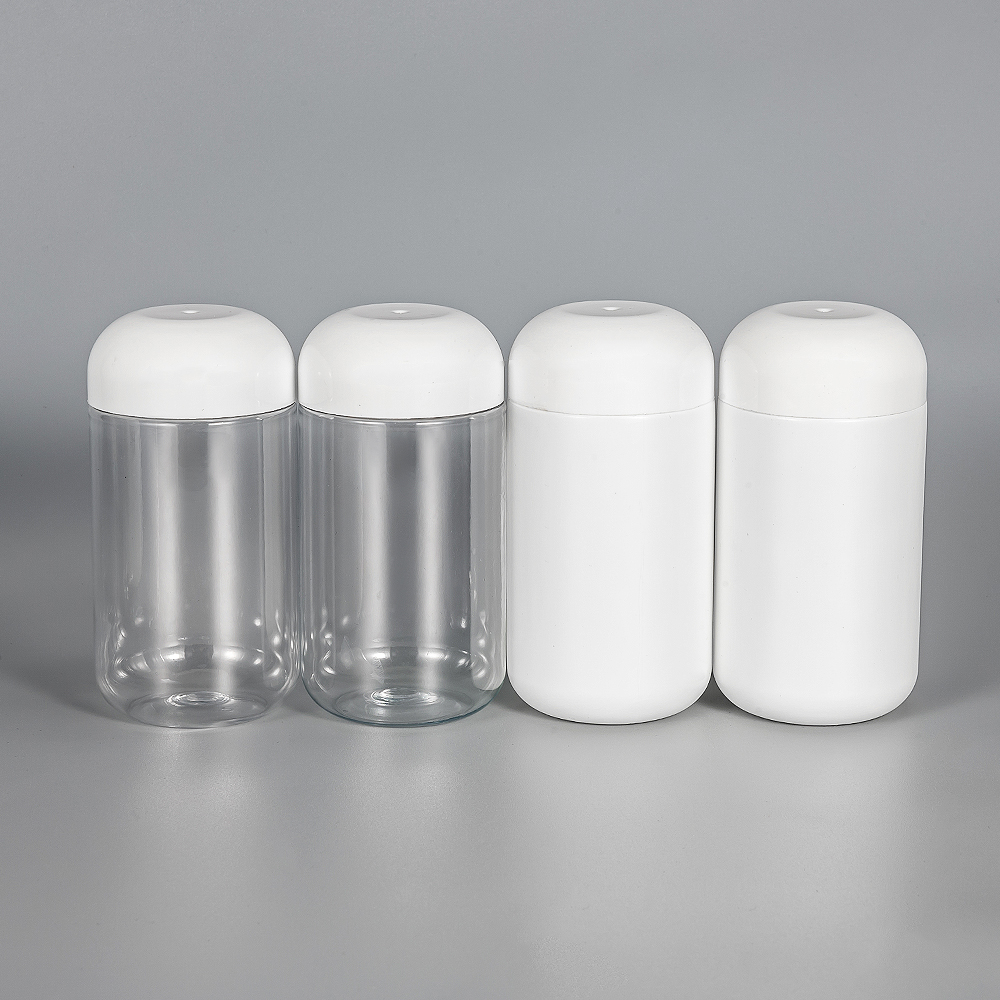
When a pill container incorporates a child-resistant closure that also shows evidence of tampering once opened, it becomes an accountability tool as well as a safety tool. Clinical teams can visually confirm whether a container has been previously accessed, supporting chain-of-custody practices for controlled substances. Hospitals that invest in properly designed pill container systems report fewer unexplained medication discrepancies and stronger compliance scores during regulatory inspections.
Regulatory Compliance and the Role of the Pill Container
Child-Resistant Packaging Standards in Medical Facilities
In many countries, child-resistant packaging requirements — originally established for retail pharmacy environments — have increasingly been adopted as best-practice standards for inpatient and outpatient hospital settings as well. Regulatory frameworks such as the Poison Prevention Packaging Act in the United States and equivalent legislation in the EU and Asia-Pacific markets require that specific classes of medications be dispensed in containers that meet certified child-resistance criteria. A pill container used in hospital dispensing must therefore not only meet clinical needs but must also demonstrate measurable resistance to opening by children under five years of age while remaining accessible to adult healthcare workers under time-sensitive conditions.
Hospitals that fail to meet these standards face significant regulatory liability, including inspection failures, fines, and — in extreme cases — contribution to patient harm litigation. The pill container is therefore a compliance asset. When procurement teams evaluate pharmaceutical packaging for hospital use, child-resistant closure certification should be treated as a non-negotiable requirement rather than a supplementary feature. Choosing a certified, safety-lock pill container protects the institution as much as it protects the patient.
Documentation, Traceability, and Pharmacy Workflow Integration
Modern hospital pharmacy operations are built around traceability. Every pill container that moves through a dispensing workflow carries labeling that connects it to a patient record, a prescribing physician, a batch number, and an expiration date. The structural integrity of the pill container is essential to the integrity of this documentation chain. If a container's closure fails — causing pills to scatter, labels to detach, or contents to be contaminated — the traceability of that medication is compromised and potentially dangerous clinical decisions may follow.
A high-quality pill container with a reliable safety-lock mechanism maintains its structural shape and closure integrity throughout the medication's journey from pharmacy to bedside. This supports barcode scanning workflows, automated dispensing cabinet restocking, and unit-dose packaging systems that depend on the container remaining sealed and properly labeled until the moment of administration. Hospitals that standardize on well-engineered pill container formats experience fewer workflow disruptions and fewer near-miss events tied to packaging failure.
Patient Safety Culture and the Symbolic Importance of Secure Packaging
Building Trust with Patients and Families
The design of a pill container communicates something important to patients and their families. When a medication is presented in a securely closed, clearly labeled, professionally designed pill container, it signals that the hospital takes medication safety seriously at every level — including the physical vessel. Patients who observe that their medications are stored and dispensed in safety-lock containers are more likely to perceive the institution as attentive, rigorous, and trustworthy. This perception matters for patient satisfaction outcomes and for reducing anxiety in clinical settings.
Families of pediatric patients or elderly patients are particularly sensitive to visible safety measures. A parent who sees that their child's medication is stored in a certified child-resistant pill container will feel reassured that accidental access has been proactively addressed. This visible commitment to safety is part of a broader patient safety culture that hospitals must actively cultivate — and the humble pill container, properly designed, contributes meaningfully to that culture.
Reducing Human Error Through Physical Design
Healthcare workers operate under extraordinary cognitive load. Nurses and pharmacists managing dozens of patients simultaneously are susceptible to error not because they are careless, but because the environment demands simultaneous attention to multiple complex tasks. A pill container design that distinguishes clearly between open and sealed states — through a safety-lock closure that audibly or visibly confirms engagement — reduces the opportunity for human error in medication preparation. When a clinician must actively overcome a deliberate locking mechanism, the physical act itself prompts a moment of conscious attention.
This cognitive speed bump built into the pill container's design has been shown in clinical usability studies to reduce instances where medications are left open, exposed, or incorrectly identified during preparation. The safety-lock mechanism is not just a barrier for unauthorized users — it is a workflow reinforcement tool for authorized ones. A well-designed pill container thus serves dual safety functions: keeping the wrong people out and keeping the right people alert.
Material Selection and Durability Requirements for Hospital-Grade Pill Containers
Why Material Quality Directly Affects Safety Performance
Not all pill container designs are created equal, and in hospital settings, material quality directly influences both safety performance and compliance longevity. PET plastic containers with child-resistant closure caps are widely recognized as a strong standard for pharmaceutical use because PET (polyethylene terephthalate) offers excellent chemical resistance, moisture barrier properties, and dimensional stability. A pill container made from inferior or non-pharmaceutical-grade plastics may deform under temperature variation, leach chemicals into medications, or allow the safety-lock mechanism to fail after minimal use.
Hospital pharmacy departments that procure in volume must evaluate pill container specifications carefully, including cap torque ratings, drop-test performance, UV resistance where light-sensitive medications are involved, and the durability of safety-lock engagement over repeated open-close cycles. A pill container that passes its safety-lock test on day one but fails after ten uses is a compliance liability. Procurement professionals should request certification documentation and consider real-world use conditions — including the speed at which clinical staff operate — when selecting the appropriate pill container for their institution.
The Relationship Between Container Design and Medication Integrity
Beyond access control, the pill container performs an essential role in preserving the physical and chemical integrity of the medications inside. Hospitals store medications across a wide range of environmental conditions, from ambient ward storage to refrigerated pharmacy drawers. A high-quality pill container must maintain a tight seal against humidity, air, and contamination regardless of temperature variation. The safety-lock cap design contributes to this by ensuring a consistent compression seal that does not loosen over time or under repeated handling.
Medications that degrade due to inadequate containment present a patient safety risk even when they are correctly administered. A pill container that fails as a moisture barrier may cause tablets to fragment, lose potency, or stick together — any of which can result in incorrect dosing. Hospitals that understand the full functional scope of the pill container recognize it not merely as a packaging form but as an active component of the medication safety system from storage through administration.
FAQ
What makes a pill container child-resistant in a clinical setting?
A child-resistant pill container uses a safety-lock closure that requires a simultaneous combination of physical actions — such as pressing down while turning — to open. In certified designs, this mechanism has been tested to confirm that children under five years of age cannot open it within a defined time frame, while adults without disabilities can open it with reasonable ease. In hospitals, this certification is critical for any ward where children or vulnerable patients may be present.
Are safety-lock pill containers difficult for nursing staff to open under time pressure?
Well-designed safety-lock pill containers are engineered to balance access resistance for unauthorized users with ease of use for trained adults. In clinical practice, most certified child-resistant pill container formats can be opened in a matter of seconds by a staff member who understands the mechanism. Proper staff orientation on container use, combined with ergonomic closure designs, ensures that safety performance does not negatively impact clinical workflow efficiency.
Does the type of pill container used affect hospital regulatory compliance?
Yes, significantly. Many regulatory frameworks governing pharmaceutical dispensing require that specific medication categories be stored and dispensed in certified child-resistant packaging. A hospital that uses non-compliant pill container formats for these medications may face regulatory citations during inspections. Choosing a pill container that meets applicable child-resistant packaging standards — and maintaining documentation of that compliance — is an essential part of hospital pharmacy accreditation and operational risk management.
How often should hospitals review their pill container specifications?
Hospital pharmacy teams should review pill container specifications at least annually, or whenever regulatory standards are updated, new medication categories are introduced, or patient population demographics change significantly. Changes in formulary — such as the addition of high-alert medications or pediatric-specific dosing units — may require a review of existing pill container formats to ensure that safety-lock performance and material specifications remain aligned with current clinical needs and compliance requirements.
Table of Contents
- The Real Risks of Unsecured Medication Storage in Hospitals
- Regulatory Compliance and the Role of the Pill Container
- Patient Safety Culture and the Symbolic Importance of Secure Packaging
- Material Selection and Durability Requirements for Hospital-Grade Pill Containers
-
FAQ
- What makes a pill container child-resistant in a clinical setting?
- Are safety-lock pill containers difficult for nursing staff to open under time pressure?
- Does the type of pill container used affect hospital regulatory compliance?
- How often should hospitals review their pill container specifications?