
 EN
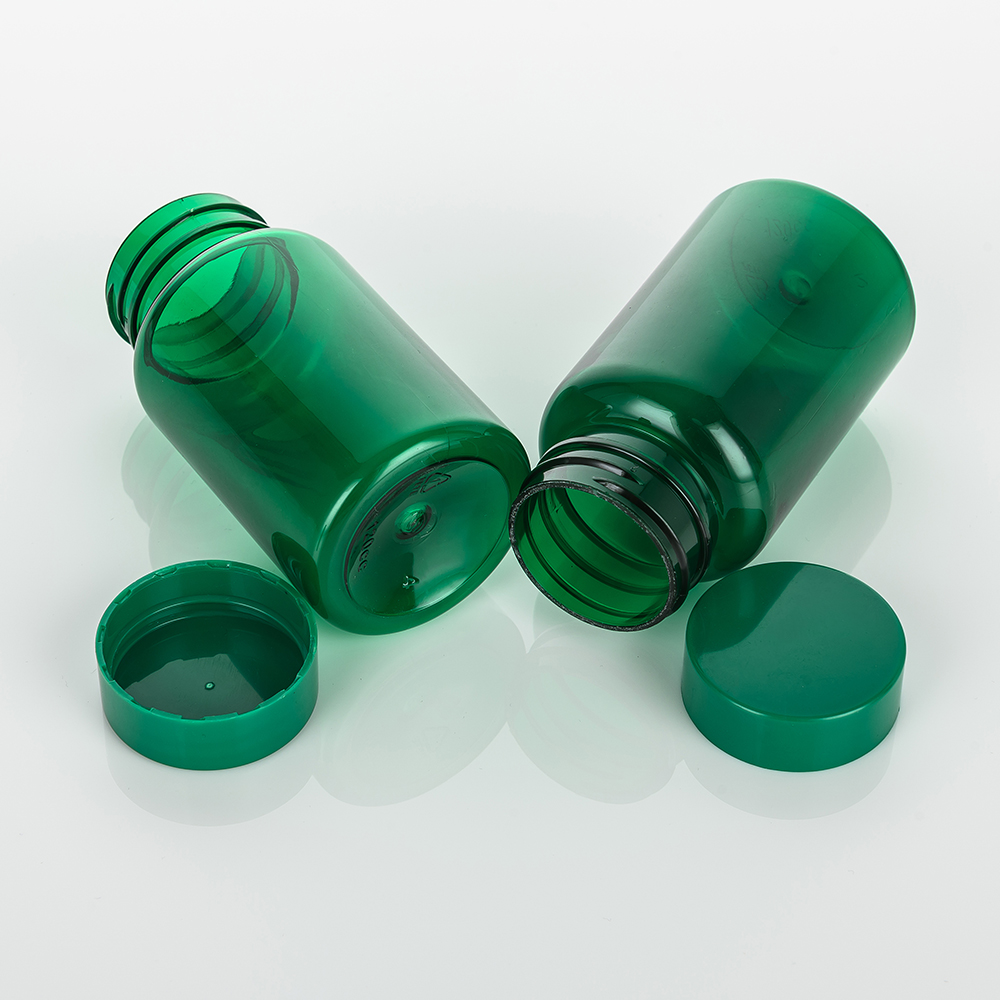
Induction sealing represents a critical quality control feature in modern pharmaceutical and nutritional packaging, and understanding whether your supplement bottle is compatible with this technology is essential for product integrity and consumer safety. Induction sealing creates an airtight, tamper-evident seal between the bottle cap and the container rim, preventing contamination and extending shelf life. Many manufacturers assume their chosen supplement bottle automatically works with induction sealing equipment, but compatibility depends on specific material composition, cap design, and structural properties that not all containers possess.
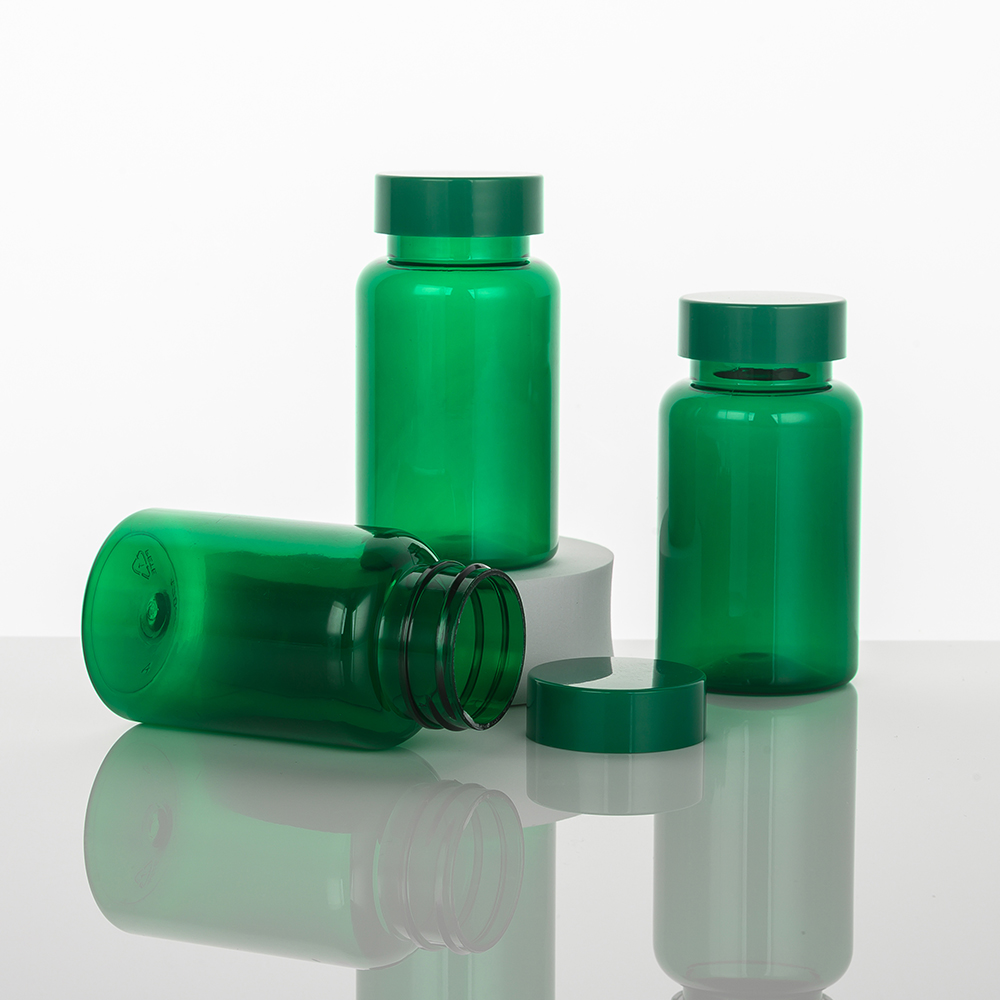
The induction sealing process works by applying electromagnetic energy that generates heat in conductive materials, typically aluminum foil liners, which then bond to the bottle opening and cap. A supplement bottle that lacks proper material compatibility or structural stability can fail to achieve an effective seal, leading to product spoilage, regulatory non-compliance, and customer dissatisfaction. This article explores the key factors determining whether your supplement bottle meets induction sealing requirements and how to verify compatibility before production begins.
Understanding Induction Sealing Technology and Bottle Requirements
How Induction Sealing Works with Container Design
Induction sealing operates through a precisely controlled electromagnetic field that excites aluminum foil or similar conductive materials embedded in the cap liner. When a supplement bottle enters the induction sealing zone, the radiofrequency energy heats the conductive liner to temperatures between 150 and 200 degrees Celsius within milliseconds. This heat softens the adhesive layer, creating a permanent bond between the cap and the bottle rim. The success of this process depends heavily on the supplement bottle having adequate rim thickness, proper thread geometry, and a stable chemical structure that resists deformation under heat stress.
The key requirement for any supplement bottle is that it must maintain structural integrity during the rapid heating cycle. If the bottle material lacks sufficient heat resistance or if the cap threads are poorly designed, the sealing equipment cannot create an airtight, reliable closure. Manufacturers selecting a supplement bottle should verify that the container design was engineered specifically for induction sealing applications rather than assuming generic compatibility. The bottle's neck finish, rim diameter, and cap seat geometry all influence whether induction sealing will succeed reliably across production batches.
Material Properties Essential for Compatibility
Most supplement bottle materials fall into two primary categories: rigid plastics such as PET and HDPE, or glass. PET bottles dominate the supplement market due to cost-effectiveness and lightweight properties, making them a popular choice for this application. A PET supplement bottle must meet specific technical standards to ensure induction sealing compatibility, including proper crystallinity levels, wall thickness consistency, and chemical stability at elevated temperatures. The bottle should be engineered to withstand the thermal shock of induction sealing without warping, cracking, or losing structural rigidity.
Glass supplement bottle containers offer inherent advantages for induction sealing because glass maintains complete structural integrity during the heating process and poses no chemical reaction risks. However, glass supplements require aluminum foil liners specifically designed for glass threads, and the bottle must have adequate rim thickness to support cap engagement. Alternatively, if your supplement bottle is made from HDPE or PP, verify that the material grade can tolerate the induction sealing temperature profile without softening or deformation. Material data sheets from the bottle manufacturer should explicitly confirm compatibility with induction sealing processes.
Identifying Material and Design Factors That Determine Compatibility
Cap and Liner Configuration for Supplement Bottles
The supplement bottle cap design is equally important as the container itself when assessing induction sealing compatibility. Induction sealing requires a cap that includes a conductive liner material, typically pulp or foam board with an aluminum foil layer, which responds to electromagnetic energy. The cap must have sufficient wall thickness to house this liner without compromising structural performance, and the liner must sit precisely within the cap's geometry to contact the bottle rim uniformly. A poorly designed supplement bottle cap with inadequate liner sizing or misaligned threading cannot generate a consistent seal despite proper container material.
When evaluating supplement bottle compatibility, examine the cap's dimensional tolerances and verify that the liner sits flush against the bottle rim without gaps or overlaps. The bottle's rim surface must be smooth and clean to allow the heated liner to form a complete seal. Many manufacturers overlook the importance of rim quality when selecting a supplement bottle, resulting in failed induction seals and product recalls. Custom testing through your supplier should confirm that the cap and supplement bottle combination achieves consistent seal strength across a statistically valid sample of containers.
Structural Stability and Thermal Performance
A supplement bottle's thermal performance directly impacts induction sealing success. The container must exhibit low thermal conductivity so that heat generated by the induction field concentrates in the cap liner rather than spreading through the bottle walls. If your supplement bottle conducts heat too efficiently, the bottle material itself may soften or degrade, leading to seal failure or package damage. This is particularly critical with thin-walled PET supplement bottle designs that prioritize cost reduction but sacrifice thermal stability.
Additionally, the supplement bottle must resist deformation during the rapid cooling phase that follows induction sealing. The sudden thermal gradient between the sealed cap area and the cooler bottle body can create internal stress. A well-engineered supplement bottle features optimized wall thickness distribution that absorbs this stress without warping or developing stress cracks. The bottle bottom should also be designed with reinforced geometry to prevent collapsing or pinch-line defects when subjected to external vacuum or pressure changes during the induction sealing process.
Testing and Verification for Your Supplement Bottle
Pre-Production Compatibility Testing
Before committing to production using a new supplement bottle design, conduct formal induction sealing trials under controlled conditions. Work with an experienced packaging engineer or your bottle supplier's technical team to test a statistically valid sample of empty supplement bottle units with your intended cap and liner combination. The testing should document seal strength measurements, visual inspection for incomplete seals or delamination, and pressure decay tests to confirm airtightness. This validation phase for your supplement bottle investment prevents costly production disruptions and quality failures downstream.
Request that your supplement bottle supplier provide technical documentation confirming induction sealing compatibility, including material certifications, thermal analysis data, and previous testing results with similar applications. Many reputable manufacturers of pharmaceutical-grade supplement bottle containers maintain comprehensive testing records and can supply independent laboratory reports proving compatibility. If your supplement bottle supplier cannot provide this documentation, consider this a significant risk flag and seek alternative suppliers before production launch.
Monitoring Seal Quality During Production
Once you begin production with your selected supplement bottle, implement continuous monitoring protocols to ensure seals remain consistent. Set up regular sampling schedules where finished supplement bottle units are inspected visually for seal continuity, and randomly select bottles for destructive testing to measure actual seal strength. Track any correlations between environmental factors like humidity, temperature variations, or supplement bottle batch differences and seal performance. If you notice degradation in seal quality despite consistent induction sealing equipment settings, the issue likely stems from supplement bottle material variation or dimensional drift from your supplier.
Maintain communication with your supplement bottle manufacturer regarding seal performance data. Suppliers value this feedback because it helps them optimize their production processes and ensure continued compatibility with your induction sealing equipment. Many quality issues with supplement bottle sealing can be resolved through minor adjustments to bottle wall thickness, cap design, or material specifications when identified early and addressed collaboratively with your packaging partner.
FAQ
Can any plastic supplement bottle work with induction sealing?
No, not all plastic materials are equally compatible with induction sealing. While PET and HDPE are the most common plastics used for supplement bottle containers, they must be manufactured with specific thermal properties and structural specifications to withstand induction sealing temperatures. A standard, off-the-shelf plastic supplement bottle from a general supplier may not meet these requirements. Always verify with your bottle manufacturer that the specific supplement bottle grade you are purchasing was engineered for induction sealing applications and includes technical documentation confirming compatibility.
What happens if my supplement bottle is not induction sealing compatible?
If your supplement bottle lacks induction sealing compatibility, the sealing process may produce weak, incomplete, or inconsistent seals that compromise product integrity. The supplement bottle material may warp or become discolored from exposure to induction heating, and the finished product will fail visual inspection and airtightness testing. Additionally, incompatible supplement bottle containers create regulatory compliance risks for pharmaceutical products requiring tamper-evident sealing. Discover induction sealing incompatibility early through testing rather than discovering it during full production runs, which would necessitate expensive recalls and bottle supplier changes.
How do I confirm that my chosen supplement bottle is induction sealing compatible?
Request a formal compatibility assessment from your supplement bottle manufacturer that includes material data sheets, thermal analysis reports, and testing results from similar pharmaceutical applications. Conduct your own pre-production trial run with sample supplement bottle units using your intended cap and liner combination, measuring seal strength and performing visual quality checks. Consult with your induction sealing equipment manufacturer regarding proper sealing parameters for your specific supplement bottle design. Establishing this verification process upfront ensures your supplement bottle choice aligns with your production requirements and prevents costly surprises after manufacturing begins.