
 EN
EN
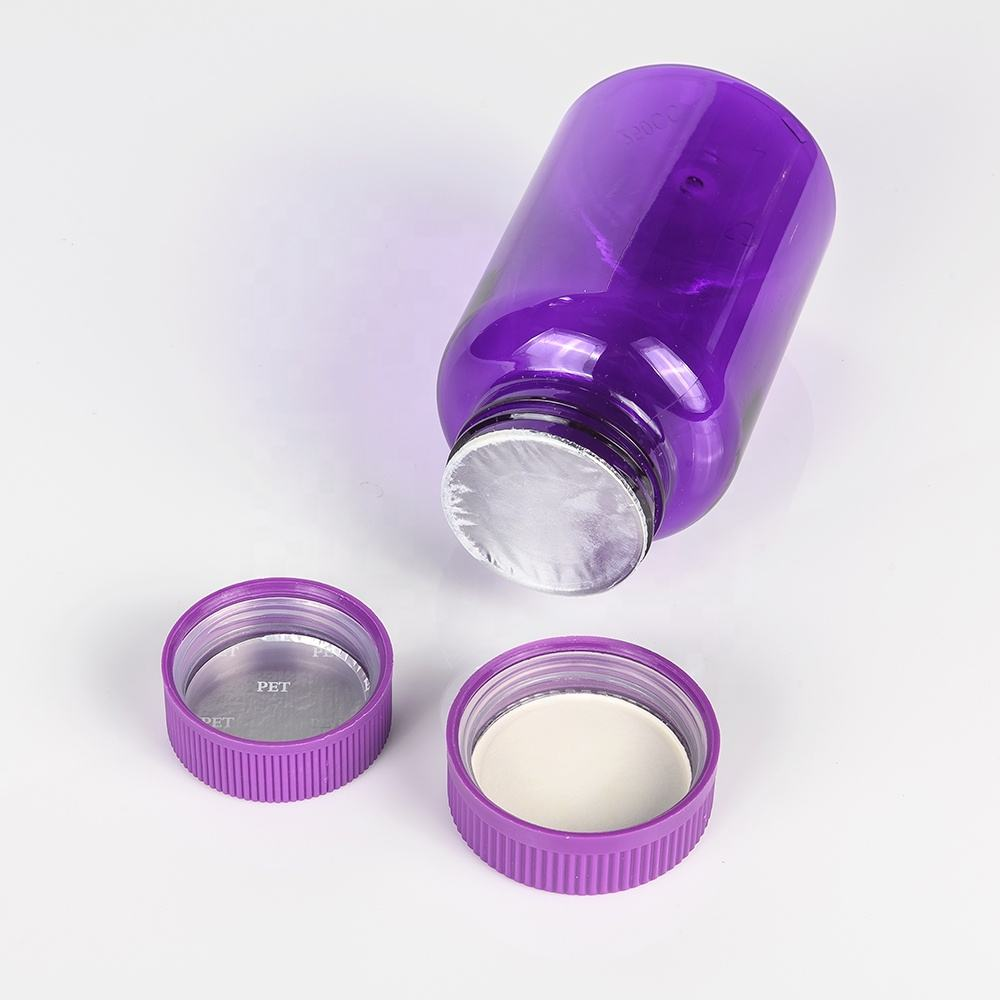
When sourcing packaging for nutritional supplements at scale, the material of a vitamin bottle is one of the most consequential decisions a brand or manufacturer will make. The wrong material can compromise product integrity, accelerate degradation, and ultimately undermine consumer trust. Whether you are formulating capsules, softgels, tablets, or powders, the container protecting those products must be selected with precision, not convenience.
In the context of bulk procurement, the stakes are even higher. A vitamin bottle used at volume must deliver consistent performance across thousands or even millions of units, resisting moisture, UV exposure, and physical stress throughout the supply chain. This article explores the most effective materials available for durable bulk vitamin bottle production, examining their properties, trade-offs, and the scenarios where each material delivers the greatest value.
Understanding What Makes a Vitamin Bottle Material Truly Durable
The Core Performance Criteria
Durability in a vitamin bottle is not a single property — it is the intersection of several material characteristics that together determine how well the container protects its contents over time. Barrier performance against moisture vapor transmission is among the most critical factors, as vitamins and mineral supplements are highly susceptible to humidity-induced degradation. A material that allows moisture ingress, even gradually, can cause tablets to clump, capsules to soften, and potency to diminish well before the stated expiry date.
Chemical resistance is equally important. The inner surface of a vitamin bottle must not react with the supplement formulation, leach plasticizers or additives into the product, or absorb volatile compounds that could alter efficacy or safety. For bulk applications, where production runs are large and recalls are expensive, this requirement is non-negotiable. Structural integrity under compression, stacking, and transport stress rounds out the core performance picture.
How Bulk Volume Demands Change the Material Equation
Brands purchasing packaging at high volumes operate under a different set of pressures than those buying small quantities for artisan or boutique products. The vitamin bottle material must support automated filling lines, tolerate consistent torque during capping, and maintain dimensional stability to ensure compatibility with labeling machinery. Any variability in wall thickness, neck finish, or overall rigidity will cause downstream production problems that multiply across a large run.
Cost-efficiency at scale is also tied to material choice. Certain materials offer excellent durability but at a manufacturing cost that is only justifiable for premium or pharmaceutical-grade products. For mainstream supplement brands, finding the right balance between performance and economy is the practical challenge at the heart of every material decision. The goal is a vitamin bottle that performs reliably across its entire intended shelf life without inflating the unit packaging cost unnecessarily.
PET Plastic: The Industry Standard for Bulk Vitamin Bottles
Why PET Dominates the Supplement Packaging Market
Polyethylene terephthalate, universally known as PET, is the most widely used material for a vitamin bottle in the global supplement industry. Its popularity is not accidental. PET offers an impressive combination of optical clarity, moisture barrier performance, chemical inertness, and recyclability that makes it a natural fit for nutritional supplement packaging. The material is also BPA-free in its standard form, which has become a baseline consumer expectation in health and wellness categories.
From a durability standpoint, PET provides excellent resistance to impact and deformation under normal handling conditions. A well-manufactured PET vitamin bottle will maintain its shape, neck finish accuracy, and label surface integrity across the full supply chain journey from filling facility to retail shelf or direct-to-consumer delivery. These properties make it the default choice for high-volume supplement brands seeking reliable, cost-effective packaging.
BPA-Free PET and Its Significance for Health Supplement Packaging
The BPA-free designation has moved from a marketing differentiator to a functional requirement in the supplement category. Consumers purchasing health products are particularly sensitive to any suggestion that their packaging could introduce harmful chemicals into the product. A vitamin bottle manufactured from BPA-free PET provides the assurance that no bisphenol compounds are present in the resin, eliminating a key concern in food-contact compliance.
Beyond consumer perception, BPA-free PET is compatible with a wide range of supplement formats, including tablets, hard capsules, softgels, and powders. Its low moisture vapor transmission rate helps preserve the dry, stable environment that most vitamin formulations require. For brands sourcing 225cc to 300cc containers in bulk — a common size range for standard supplement count packaging — BPA-free PET jars represent one of the most practical and commercially viable options available.
HDPE Plastic: The Workhorse Material for High-Protection Applications
The Structural and Barrier Strengths of HDPE
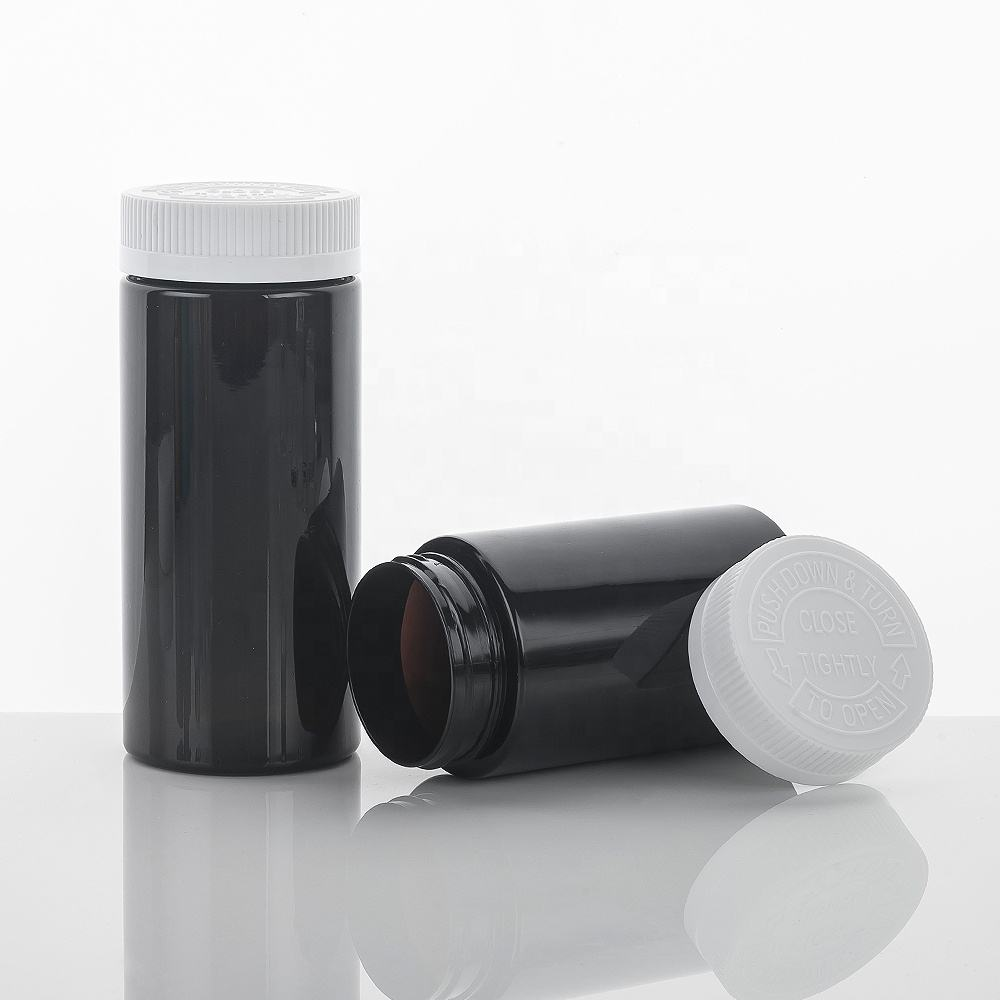
High-density polyethylene, or HDPE, is another dominant material in the vitamin bottle space, particularly favored for applications where moisture barrier performance is the primary concern. HDPE offers a lower moisture vapor transmission rate than PET, making it the preferred choice for hygroscopic formulations — those that readily absorb water from their environment. Probiotics, certain mineral supplements, and moisture-sensitive herbal blends are often better served by HDPE containers.
The material is also chemically resistant to a broad range of compounds and is notably impact-resistant, which matters in bulk shipping scenarios where containers may experience significant handling stress. HDPE vitamin bottle designs are typically opaque, which provides inherent UV protection without the need for additional tinting or coating. This combination of properties makes HDPE an excellent choice for brands that prioritize product stability above visual presentation.
When HDPE Is the Smarter Bulk Choice Over PET
The decision between HDPE and PET for a bulk vitamin bottle often comes down to the specific formulation and its environmental sensitivities. Products that require maximum protection from moisture — such as effervescent tablets, desiccant-dependent capsules, or powdered supplement blends — will generally benefit from HDPE's superior barrier performance. Brands operating in markets with high ambient humidity should give HDPE serious consideration for these product types.
HDPE is also highly compatible with induction sealing systems, which are commonly used to create a tamper-evident and hermetic seal beneath the cap. This adds another layer of protection for moisture-sensitive vitamins and reinforces the integrity of the vitamin bottle throughout its distribution lifecycle. From a cost perspective, HDPE is broadly competitive with PET, especially at bulk order volumes, and its recyclability aligns well with corporate sustainability commitments.
Glass: Premium Durability and Chemical Neutrality
The Material Properties That Make Glass a Premium Choice
Glass remains a relevant and valued material for a vitamin bottle in the premium and pharmaceutical segments, despite being heavier and more fragile than plastic alternatives. The most important advantage of glass is its absolute chemical neutrality. Glass will not leach any substance into the product it contains, making it the safest choice for formulations where even trace contamination would be unacceptable. This is particularly relevant for liquid vitamin preparations, high-potency extracts, and pharmaceutical-grade supplements.
Amber glass, which filters out UV radiation in the 250–500nm wavelength range, provides excellent protection for light-sensitive vitamins such as riboflavin, vitamin D, and certain antioxidants. For brands positioning their products at the premium end of the market, a glass vitamin bottle communicates quality, purity, and premium value in a way that resonates strongly with health-conscious consumers. The material's weight and tactile feel contribute to a perceived product quality that plastic alone cannot replicate.
The Practical Limitations of Glass in Bulk Supplement Packaging
While glass offers compelling material properties, its use in bulk supplement packaging involves trade-offs that must be carefully evaluated. The weight of glass increases freight costs substantially at scale, which can erode the cost advantages of bulk purchasing. Breakage rates during shipping and handling are another operational concern — a cracked or shattered vitamin bottle in a bulk shipment can contaminate adjacent products and create significant quality control issues.
For most mainstream supplement brands operating at volume, these practical challenges make glass a selective rather than universal choice. It remains best suited to product lines where the premium positioning and material benefits justify the additional cost and handling requirements. Brands that do choose glass for their vitamin bottle should invest in appropriate secondary packaging and shock-resistant shipping solutions to manage breakage risk effectively.
Material Selection Criteria: Making the Right Choice for Your Supplement Line
Matching Material to Formulation Sensitivity
The most important starting point in material selection is the specific sensitivity profile of the formulation being packaged. A vitamin bottle housing a fat-soluble vitamin softgel blend will have different requirements than one housing a water-soluble vitamin tablet. Fat-soluble vitamins such as A, D, E, and K are particularly susceptible to oxidation and light degradation, making low-oxygen-transmission materials and UV-inhibiting tints important considerations. Water-soluble vitamins, while generally more stable, still require reliable moisture barrier performance.
Brands working with complex multi-ingredient formulas face additional considerations, as certain compounds may react with plastic surfaces over prolonged contact. In these cases, sourcing test results or compatibility data from the vitamin bottle manufacturer is a responsible step before committing to a bulk order. Ensuring material-formulation compatibility at the outset prevents costly recalls and product quality disputes after launch.
Scalability, Compliance, and Sustainability Considerations
Beyond performance, a vitamin bottle material must meet all applicable regulatory standards for food-contact materials in the target market. In the United States, FDA regulations govern which materials are approved for contact with dietary supplements. In the European Union, EC Regulation 10/2011 sets similar standards for plastic food-contact materials. Ensuring compliance before finalizing material selection protects the brand from regulatory action and consumer harm.
Sustainability is an increasingly important factor in packaging decisions, particularly for health and wellness brands whose consumers often hold strong environmental values. Both PET and HDPE are widely accepted in curbside recycling programs in most major markets, giving them a practical sustainability advantage over multi-material or composite packaging solutions. A vitamin bottle that aligns with circularity principles supports the brand's broader environmental commitments without requiring a compromise on performance. As sustainability expectations continue to rise, material choice will increasingly function as both a packaging decision and a brand values signal.
FAQ
What is the most common material used for a bulk vitamin bottle?
PET plastic is the most widely used material for a bulk vitamin bottle in the supplement industry. It combines strong moisture barrier properties, chemical inertness, optical clarity, and cost-efficiency at scale. BPA-free PET in particular has become the industry standard for mainstream supplement brands sourcing high-volume packaging.
Is HDPE or PET better for moisture-sensitive vitamin formulations?
For highly moisture-sensitive formulations, HDPE typically offers superior barrier performance compared to standard PET. Its lower moisture vapor transmission rate makes it the preferred vitamin bottle material for probiotics, effervescent tablets, and other hygroscopic supplement formats, especially in humid distribution environments.
When should a brand choose glass over plastic for a vitamin bottle?
Glass is most appropriate when absolute chemical neutrality is required, such as for liquid vitamins or pharmaceutical-grade formulations, or when premium brand positioning demands the quality signals that glass provides. However, its weight, cost, and breakage risk make it a selective choice for a vitamin bottle in mainstream bulk supplement packaging.
Does the color or tint of a vitamin bottle affect product quality?
Yes, tinting can have a meaningful impact on product stability. Amber or opaque vitamin bottle designs block UV radiation that can degrade light-sensitive vitamins over time. Brands packaging fat-soluble vitamins, riboflavin, or photosensitive botanical extracts should prioritize UV-protective tinting or opaque materials to maintain potency through the full shelf life of the product.
Table of Contents
- Understanding What Makes a Vitamin Bottle Material Truly Durable
- PET Plastic: The Industry Standard for Bulk Vitamin Bottles
- HDPE Plastic: The Workhorse Material for High-Protection Applications
- Glass: Premium Durability and Chemical Neutrality
- Material Selection Criteria: Making the Right Choice for Your Supplement Line
- FAQ