
 EN
EN
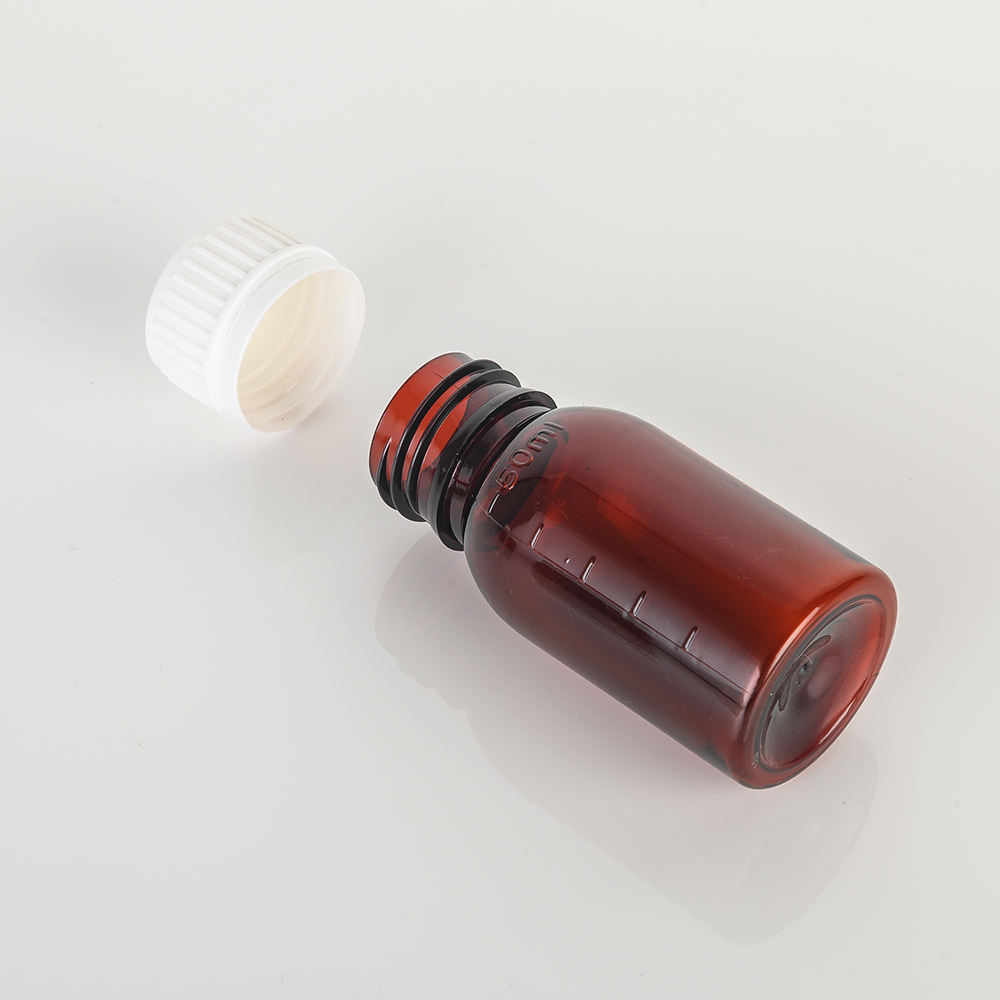
Choosing the right medicine bottle for your clinic is not simply a matter of picking any container that holds a liquid or solid pharmaceutical product. In a clinical setting, the integrity of the packaging directly affects patient safety, regulatory compliance, and the shelf life of the medications inside. Whether you are storing syrups, tablets, or liquid preparations, using a properly certified medicine bottle is a non-negotiable standard that every clinic administrator and pharmacist must understand.
The market is flooded with containers that look similar to a genuine medical-grade medicine bottle, but only specific products meet the standards required for pharmaceutical use. Understanding the key identifiers — from material composition and UV resistance to closure systems and regulatory markings — empowers clinic managers to make informed procurement decisions. This guide walks you through every critical factor you need to examine before selecting a medicine bottle for your healthcare facility.
Understanding What Makes a Medicine Bottle Medically Suitable
The Role of Material Safety in a Medicine Bottle
One of the first and most important criteria in identifying a medical-grade medicine bottle is the material from which it is made. Medical-grade containers must be manufactured from pharmaceutical-grade plastics or glass that do not interact chemically with the contents. Common approved materials include high-density polyethylene (HDPE), polyethylene terephthalate (PET), and pharmaceutical-grade glass — each selected based on the type of medication being stored.
A medicine bottle made from standard commercial-grade plastic may leach harmful compounds into the medication, especially when exposed to heat or light. Medical-grade plastics, by contrast, are produced in controlled environments under strict quality protocols and are tested for chemical inertness. When reviewing a supplier's product, always ask for documentation confirming the resin grade and material safety certifications applicable to pharmaceutical packaging.
PET is particularly valued in syrup and liquid pharmaceutical storage because it offers excellent clarity, allowing visual inspection of the contents, while maintaining strong resistance to chemical migration. A medicine bottle constructed from properly graded PET will also carry relevant food-contact or pharmaceutical-contact certifications, which should be verifiable through documentation provided by the manufacturer.
UV and Light Protection in Pharmaceutical Containers
Many medications are photosensitive, meaning direct exposure to light — particularly ultraviolet light — can cause them to degrade rapidly. A genuine medical-grade medicine bottle designed for photosensitive products will incorporate UV-blocking technology, typically achieved through amber or light-brown pigmentation of the container material. This is a standard design choice for pharmaceutical packaging and is especially common in syrup bottles.
A light-brown or amber medicine bottle visually signals UV protection, but it is important to verify this functionally. True UV-protective medical containers are tested to confirm their light-blocking performance across specified wavelength ranges. Look for technical data sheets from the manufacturer that confirm the percentage of UV light blocked and across which spectrum. A medicine bottle that only appears amber without verified UV performance may not adequately protect the medication inside.
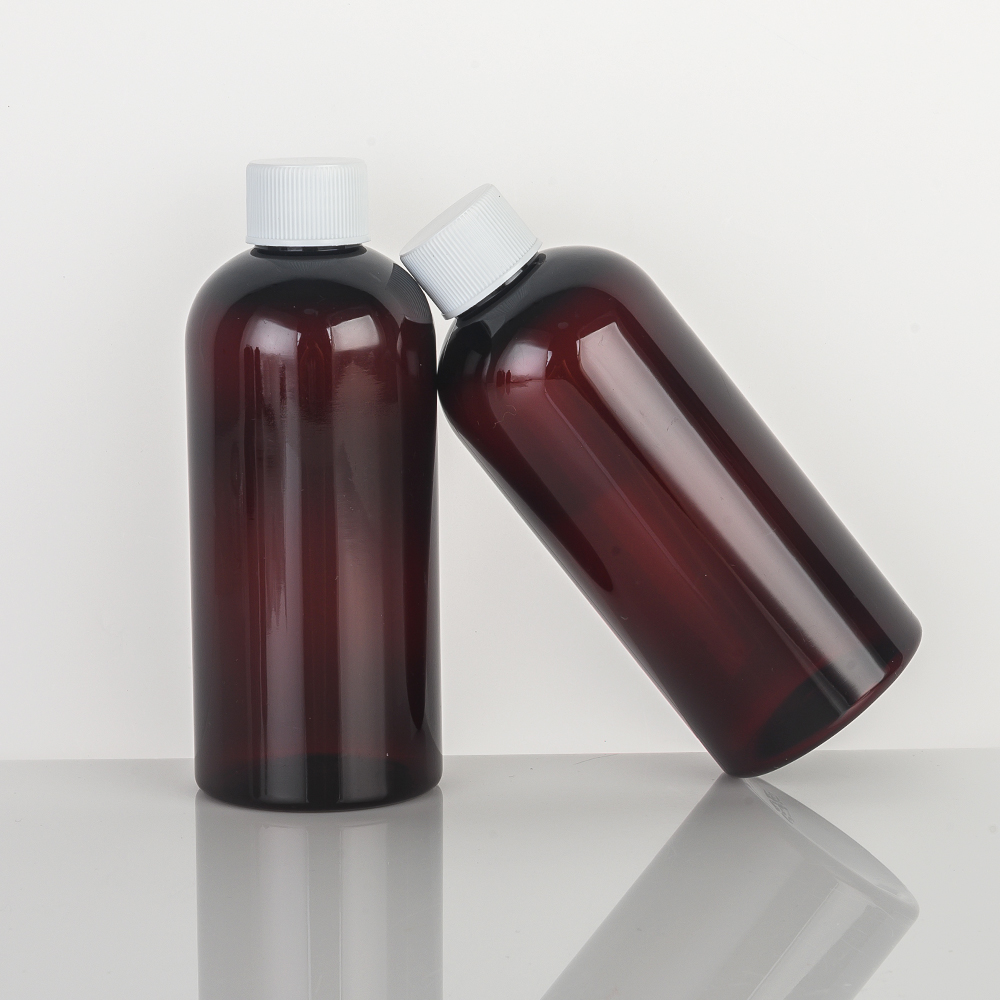
Clinics dispensing oral antibiotics, vitamins, or certain analgesic syrups should prioritize a light-brown or amber medicine bottle as part of their standard dispensing protocol. The color is not decorative — it is functional, and its pharmaceutical purpose is well-recognized internationally across dispensing standards.
Identifying Structural and Closure Quality Standards
Evaluating the Closure System of a Medicine Bottle
The closure system of a medicine bottle is a critical quality indicator that is often overlooked during procurement. A medical-grade bottle must have a cap or closure that creates a reliable, leak-proof seal under normal storage and transport conditions. Inadequate closures can allow contamination, moisture ingress, or spillage, all of which compromise medication safety and patient outcomes.
Screw-cap closures are among the most widely used in pharmaceutical packaging because they allow consistent, repeatable sealing without requiring specialized equipment. However, not all screw caps are created equal. A medical-grade medicine bottle with a screw cap should be evaluated for thread precision, cap torque specifications, and liner integrity. The inner liner of the cap — often made from foam, foil, or induction-sealed materials — provides a secondary barrier against contamination and oxidation.
When evaluating a medicine bottle for clinic use, request a leak-proof performance test report from the supplier. This test typically involves filling the bottle with liquid and subjecting it to various orientations and pressures to confirm no leakage occurs. Leak-proof certification is not just a marketing claim — it must be substantiated by actual test results for the product to be considered medically reliable.
Wall Thickness, Structural Integrity, and Dimensional Consistency
A medicine bottle intended for clinical use must demonstrate consistent wall thickness throughout its body. Thin or uneven walls can lead to deformation under pressure, cracking during transit, or failure during dispensing. Medical packaging standards require bottles to maintain structural integrity under defined load and impact conditions, which are tested during quality assurance processes at the manufacturing level.
Dimensional consistency is equally important, especially for clinics that use automated dispensing systems or labeling equipment. If a medicine bottle varies significantly in height, diameter, or capacity from batch to batch, it creates operational inefficiencies and increases the risk of labeling errors. Medical-grade suppliers are expected to maintain tight tolerances in dimensional specifications across production runs.
During product evaluation, physically inspect several samples from the same batch. A well-manufactured medicine bottle should feel uniform in weight, have no visible seam irregularities or surface defects, and hold precisely the stated volume without overflow or significant deviation. These physical checks are simple yet highly informative for assessing overall manufacturing quality.
Regulatory Markings and Certifications to Look For
Pharmaceutical Packaging Certifications and Standards
Regulatory markings are among the clearest signals that a medicine bottle meets medical-grade standards. Depending on the country or region of procurement, relevant standards may include compliance with pharmacopeial standards such as USP (United States Pharmacopeia), EP (European Pharmacopoeia), or equivalent national standards. These pharmacopeias define the specifications for container materials, extractables and leachables, and compatibility with various drug types.
A medical-grade medicine bottle will often carry documentation referencing compliance with ISO 15223 or ISO 11135 standards for sterile or pharmaceutical packaging contexts. Additionally, food-contact certification under regulations such as EU 10/2011 or FDA 21 CFR (Code of Federal Regulations) for plastic materials is a relevant indicator, even for pharmaceutical packaging, since these regulations govern the safety of plastics that contact consumable substances.
When sourcing a medicine bottle for your clinic, request a full documentation package from the supplier that includes material certificates, test reports, and any applicable third-party audit results. A credible pharmaceutical packaging supplier will have this documentation readily available and will not hesitate to share it. Absence of such documentation is a strong warning sign that the product may not meet medical-grade requirements.
Labeling Requirements and Traceability Features
A medical-grade medicine bottle must support clear, durable labeling that withstands the storage and handling conditions typical in clinical environments. The surface of the bottle should allow adhesion of standard pharmaceutical labels without peeling, bubbling, or degradation. Some medical bottles feature embossed text, molded-in graduations, or pre-printed scales that support accurate dispensing without reliance solely on paper labels.
Traceability is another hallmark of a genuinely medical-grade medicine bottle. Reputable manufacturers assign batch numbers, production dates, and material lot identifiers to each production run, enabling full traceability from raw material sourcing to finished packaging. This traceability is essential in clinical environments where recalls or adverse events may require rapid identification of affected packaging batches.
Clinics operating under pharmacy regulatory oversight or accreditation programs should confirm that their selected medicine bottle supplier maintains a documented quality management system, ideally certified to ISO 9001 or a pharmaceutical industry-specific standard such as GMP (Good Manufacturing Practice). These systemic quality controls are what guarantee consistency over time, not just in a single product sample.
Practical Evaluation Steps for Clinic Procurement Teams
Conducting a Physical and Documentary Assessment
When your clinic's procurement team receives samples of a medicine bottle under consideration, a structured evaluation process should be followed. Begin with a visual and tactile inspection of the bottle's surface, checking for discoloration, mold marks, rough seams, or inconsistencies in the base and neck finish. Any visible defects at the sample stage indicate quality control issues that will likely persist in bulk supply.
Next, conduct a practical fill test by filling the medicine bottle with the type of liquid or product it is intended to hold. Observe whether the closure seals completely without excessive force, and then invert the bottle and apply gentle pressure to check for any leakage. While this does not replace formal leak-proof test documentation, it provides an immediate, practical confirmation of basic closure performance.
Document review should run parallel to the physical assessment. Verify the material data sheets, pharmacopeial compliance statements, and any available test reports for the medicine bottle products you are evaluating. Compare specifications across multiple suppliers using the same criteria so that decisions are based on objective, comparable data rather than price alone.
Matching the Medicine Bottle to the Specific Medication Type
Not every medical-grade medicine bottle is appropriate for every type of medication. The compatibility between the container and its contents must be considered explicitly. For example, highly acidic liquid preparations may require a different container material than alkaline syrups. Oil-based preparations require bottles that demonstrate resistance to lipid absorption or swelling — a property that must be confirmed through compatibility testing data.
Volume capacity is a practical factor that aligns closely with clinical workflow. A 250cc medicine bottle is a common standard size for syrup dispensing in outpatient clinics, offering enough volume for a typical course of treatment while remaining manageable for patients and dispensing staff. Selecting standardized volumes helps streamline inventory management and reduces errors in dispensing quantities.
Clinics that dispense a variety of medication types should maintain a selection of medicine bottle formats suited to different drug categories. This ensures that the right container is always matched to the right product, rather than using a single container type for all medications irrespective of compatibility. Proper container-drug matching is a foundational element of pharmaceutical safety practice in clinical environments.
FAQ
What material is most commonly used in a medical-grade medicine bottle?
Medical-grade medicine bottle containers are most commonly produced from pharmaceutical-grade PET (polyethylene terephthalate) or HDPE (high-density polyethylene) for plastic variants, or borosilicate glass for glass variants. The selection depends on the medication type, required barrier properties, and compatibility requirements. PET is widely used for liquid syrups due to its clarity and chemical resistance.
How can I verify that a medicine bottle is genuinely leak-proof?
Request formal leak-proof test documentation from the supplier, which should detail the testing methodology, conditions, and pass criteria applied to that specific medicine bottle model. You can also conduct a basic in-house fill-and-invert check with water as a preliminary step, though this does not replace supplier-provided test data for regulatory or accreditation purposes.
Why is the amber or light-brown color important in a medicine bottle?
The amber or light-brown color in a medicine bottle is specifically engineered to block ultraviolet light, which can cause photosensitive medications to degrade. This UV protection is particularly critical for syrups and liquid preparations containing vitamins, antibiotics, or other light-sensitive active ingredients. The color should be confirmed as functionally UV-blocking, not merely cosmetic.
What documentation should I ask for when procuring a medicine bottle for my clinic?
When sourcing a medicine bottle, request material safety data sheets, pharmacopeial compliance certificates, leak-proof test reports, dimensional specification sheets, and proof of the manufacturer's quality management system certification (such as ISO 9001 or GMP compliance). This documentation package ensures that the packaging meets the medical-grade standards required for clinical pharmaceutical use.