
 EN
EN

The design of a medicine bottle might seem like a straightforward packaging decision, but the choice to use amber glass in pharmaceutical containers reveals a sophisticated understanding of chemical preservation and consumer protection. An amber medicine bottle is far more than an aesthetic choice; it represents a carefully engineered solution to one of the pharmaceutical industry's most persistent challenges: protecting active ingredients from degradation. Understanding the hidden benefits of an amber medicine bottle design helps both manufacturers and consumers appreciate why this particular packaging remains the gold standard across the healthcare sector.
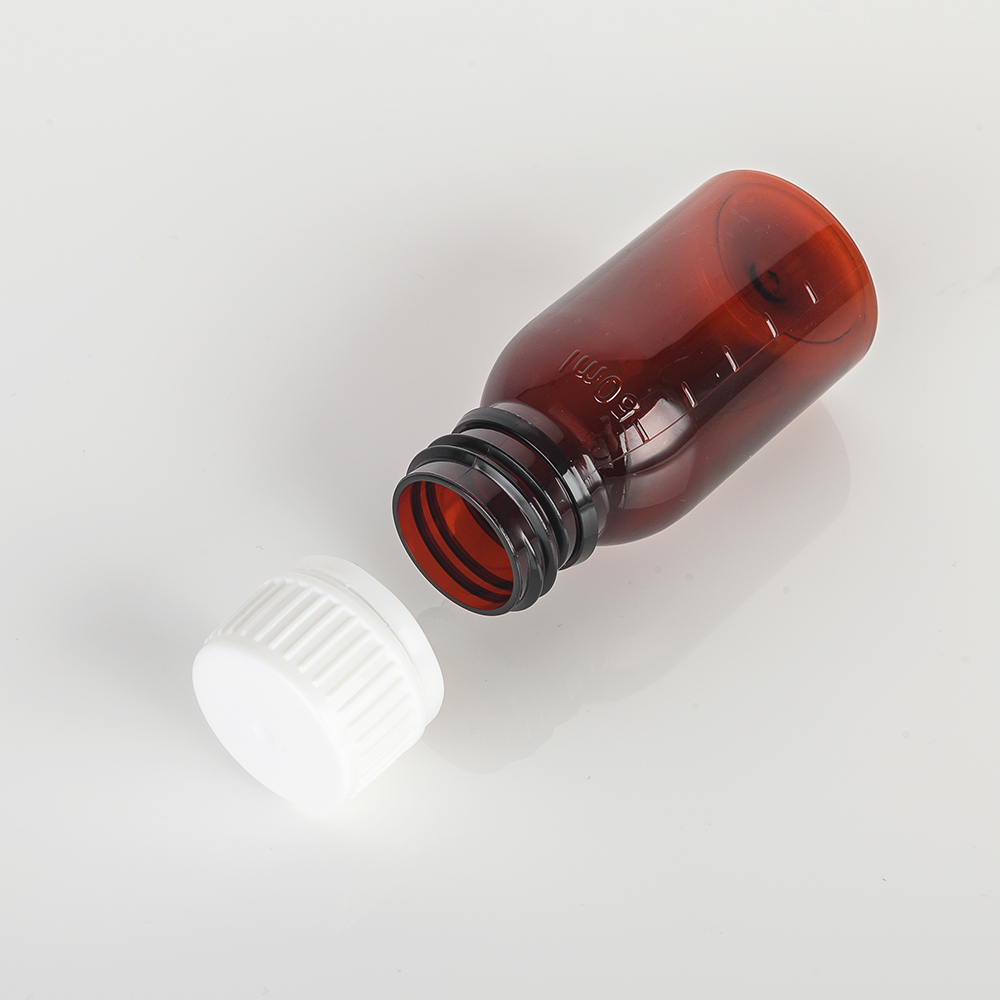
The hidden benefits of an amber medicine bottle extend well beyond simple light protection, touching on regulatory compliance, shelf-life extension, cost efficiency, and brand credibility. Pharmaceutical companies and healthcare providers who understand these advantages can make informed decisions about product packaging that directly impact medication efficacy and patient safety. This article explores the multifaceted benefits that make an amber medicine bottle the preferred choice in professional healthcare environments and retail pharmacy settings.
Light Protection and Chemical Stability
How Amber Glass Filters Harmful Wavelengths
An amber medicine bottle works through a scientifically proven principle: the amber color filters specific wavelengths of light that trigger photochemical degradation in pharmaceuticals. Most active pharmaceutical ingredients are sensitive to ultraviolet (UV) light in the 290–400 nanometer range, which causes oxidation and molecular breakdown. When you use an amber medicine bottle, the amber glass naturally blocks up to 99 percent of these harmful wavelengths while allowing visible light to pass through, enabling patients and healthcare professionals to see the contents clearly.
The effectiveness of an amber medicine bottle in protecting liquid formulations like syrups, tinctures, and suspensions is particularly significant because these preparations often contain volatile or light-sensitive compounds. Without proper light barriers, medicines stored in clear containers can lose potency within weeks or even days. An amber medicine bottle maintains the stability of these sensitive medications for months or years, directly translating to longer shelf lives and reduced waste in pharmacy inventory systems.
Extended Shelf Life and Potency Preservation
Pharmaceutical manufacturers face strict stability testing requirements, and the choice to package their products in an amber medicine bottle can extend the certified shelf life by 50 percent or more compared to clear glass alternatives. This extended stability period reduces the frequency of medication recalls due to degradation and improves overall supply chain efficiency. An amber medicine bottle essentially acts as a time preserver, slowing the natural oxidation processes that compromise medication potency and safety.
From a regulatory perspective, the use of an amber medicine bottle often allows manufacturers to claim longer dating periods on their labels, which reduces waste in healthcare facilities and retail pharmacies. When a medicine bottle retains its amber color and light-blocking properties throughout its shelf life, the medication inside maintains its therapeutic effectiveness, ensuring that patients receive the full expected benefit of their prescribed treatment.
Brand Perception and Regulatory Compliance
Professional Trust and Industry Standards
Healthcare professionals and consumers have developed strong associations between amber medicine bottle packaging and pharmaceutical quality and professionalism. This visual cue signals that the manufacturer invested in proper storage protection and adheres to industry best practices. An amber medicine bottle communicates trust and reliability, qualities that are invaluable in healthcare marketing and patient confidence building. Pharmaceutical companies that select amber medicine bottle packaging for their products often benefit from improved brand perception and higher patient compliance rates.
Regulatory bodies including the United States Pharmacopeia (USP) and the European Pharmacopoeia recommend amber medicine bottle containers for many light-sensitive medications. When a manufacturer chooses an amber medicine bottle for packaging, they demonstrate alignment with these established standards and best practices. This compliance with industry guidelines strengthens the product's credibility in professional healthcare settings and reassures both practitioners and patients about the product's quality and safety profile.
Pharmaceutical Packaging Regulations
Various pharmaceutical regulations and guidelines explicitly recommend or require specific packaging for different medication categories. An amber medicine bottle meets or exceeds these specifications for numerous drug classes, particularly those containing light-sensitive active ingredients. When a medicine bottle meets these regulatory standards, it simplifies the approval process for new pharmaceutical products and reduces the risk of packaging-related compliance issues during regulatory inspections.
The consistent use of an amber medicine bottle across different manufacturing facilities and geographic regions ensures that patients receive medications in standardized, protective packaging regardless of where the product is dispensed. This standardization supports regulatory harmonization efforts and strengthens the global pharmaceutical supply chain by establishing clear expectations for product protection and storage conditions.
Cost Efficiency and Supply Chain Advantages
Reduced Spoilage and Inventory Management
While an amber medicine bottle may carry a slightly higher initial cost than clear glass alternatives, the long-term financial benefits are substantial. Pharmacy chains and healthcare facilities that stock medications in amber medicine bottle containers experience significantly lower spoilage rates and reduced inventory obsolescence. An amber medicine bottle extends product shelf life, which means fewer medications expire before being dispensed, directly reducing waste and associated costs for healthcare facilities and retail pharmacy operations.
The financial advantage of using an amber medicine bottle becomes especially apparent in high-volume pharmacy environments where inventory turnover is critical. When a medicine bottle protects its contents for an extended period, pharmacy managers can optimize ordering cycles and reduce emergency restocking situations caused by rapid ingredient degradation. This efficiency improvement translates to lower operational costs and improved profitability for healthcare organizations and pharmaceutical distributors.
Logistics and Storage Flexibility
An amber medicine bottle provides flexibility in how medications are stored and displayed throughout the supply chain. Unlike many light-sensitive pharmaceuticals that require specialized climate-controlled storage or opaque shipping containers, medications packaged in an amber medicine bottle can tolerate more standard storage conditions. This flexibility reduces the complexity and cost of cold-chain management and specialized storage infrastructure, making distribution more economical for manufacturers and retailers.
The practical advantage of an amber medicine bottle extends to pharmacy shelving and retail display environments. While some medications require special lighting or storage cabinets, those packaged in an amber medicine bottle can be displayed under standard fluorescent lighting without rapid degradation concerns. This convenience improves inventory accessibility, simplifies pharmacy operations, and reduces the need for expensive specialized storage equipment in healthcare facilities and commercial pharmacy settings.
FAQ
Why should I choose an amber medicine bottle over clear glass containers?
An amber medicine bottle provides superior UV light protection that preserves medication potency and extends shelf life by 50 percent or more. Clear containers expose medications to harmful light wavelengths that trigger chemical degradation and reduce therapeutic effectiveness. An amber medicine bottle also signals quality to consumers, meets pharmaceutical industry standards, and reduces spoilage costs for healthcare facilities and pharmacies.
How effective is an amber medicine bottle at blocking harmful light?
An amber medicine bottle blocks approximately 99 percent of ultraviolet light in the 290–400 nanometer range that causes pharmaceutical degradation. This level of protection is sufficient to prevent photochemical reactions that compromise medication safety and efficacy. The effectiveness of an amber medicine bottle has been validated through decades of pharmaceutical stability testing and continues to meet regulatory requirements from organizations like the USP and European Pharmacopoeia.
Are there specific medications that require an amber medicine bottle?
Many light-sensitive medications, including certain vitamins, antibiotics, and liquid formulations like syrups and tinctures, benefit from or require medicine bottle containers made from amber glass. Pharmaceutical manufacturers determine packaging requirements based on stability testing results and regulatory recommendations. An amber medicine bottle is particularly important for any medication formulation that shows degradation under light exposure during shelf-life studies or clinical trials.