
 EN

The pharmaceutical industry is undergoing a significant transformation in how liquid medicines are packaged and delivered to patients. For decades, glass has dominated the storage and distribution of cough syrups and other liquid formulations, but this landscape is shifting rapidly toward plastic alternatives, particularly polyethylene terephthalate or PET. Understanding why cough syrup bottles made from PET are increasingly replacing traditional glass containers is essential for manufacturers, pharmacists, and healthcare professionals who need to stay informed about industry trends and material innovations.
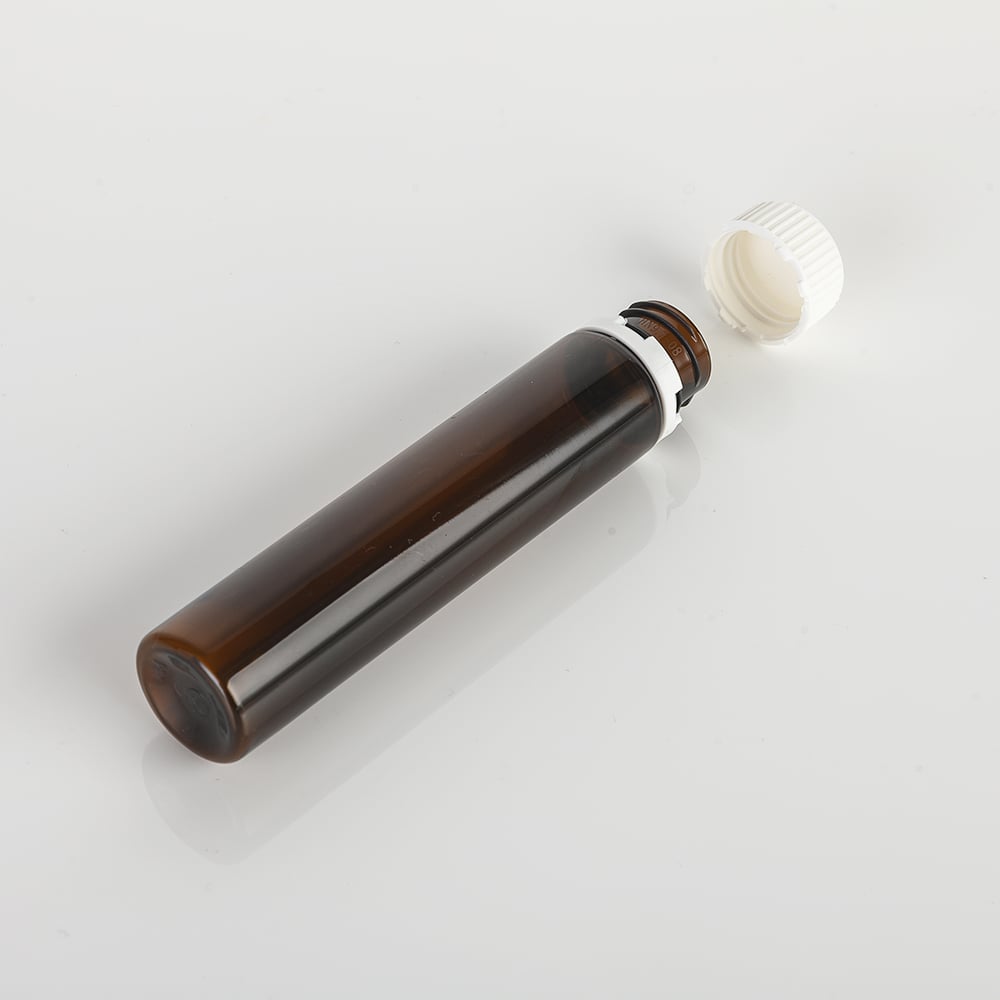
Cough syrup bottles represent a critical component of pharmaceutical packaging, and the materials used directly impact product stability, patient safety, and operational costs. The transition from glass to PET cough syrup bottles reflects advances in polymer science, regulatory compliance improvements, and growing recognition of practical advantages that extend far beyond simple cost reduction. This shift represents a fundamental reevaluation of what makes an ideal container for liquid pharmaceutical products.
Safety and Damage Resistance Advantages
Impact Resistance and Breakage Prevention
One of the most compelling reasons pharmaceutical companies are adopting PET cough syrup bottles is their superior resistance to physical damage compared to glass containers. Glass cough syrup bottles are inherently fragile, prone to breaking during manufacturing, packaging, transportation, and storage. A single dropped container or mishandled shipment can result in product loss, contamination risks, and waste. PET cough syrup bottles, by contrast, exhibit exceptional impact resistance, remaining intact even after significant drops or pressure. This resilience dramatically reduces spoilage rates throughout the supply chain and ensures that more product reaches patients safely.
Child Safety and Household Risk Mitigation
Glass cough syrup bottles present genuine safety hazards in household environments, particularly where children are present. Broken glass from shattered cough syrup bottles creates sharp fragments that pose lacerations, ingestion risks, and difficult cleanup challenges. Healthcare facilities and manufacturers recognize these dangers and increasingly prefer PET cough syrup bottles, which cannot shatter into dangerous shards. This makes them inherently safer for home use, pediatric applications, and storage in environments where accidental drops are common. The inherent safety profile of PET cough syrup bottles addresses both regulatory concerns and real-world patient protection needs.
Manufacturing Efficiency and Cost Optimization
Production Speed and Scalability
Manufacturing efficiency directly influences the economic viability of pharmaceutical packaging, and PET cough syrup bottles offer substantial advantages in production speed and scalability. Injection molding processes used to create PET cough syrup bottles operate far more rapidly than glass blowing techniques, enabling pharmaceutical manufacturers to increase output without proportional increases in labor or facility investments. This efficiency becomes particularly valuable during high-demand periods or emergency medication shortages. The ability to rapidly scale production of cough syrup bottles in PET format represents a significant operational advantage that translates to faster market response times and improved supply chain resilience.
Reduced Manufacturing Waste and Energy Consumption
The production of PET cough syrup bottles generates considerably less waste than glass manufacturing and requires lower energy inputs throughout the fabrication process. Glass cough syrup bottles demand high-temperature furnaces and involve substantial material loss during forming and quality control stages. PET cough syrup bottles, manufactured through cooler injection molding processes, consume less energy per unit and produce minimal scrap material. These efficiency gains reduce operational costs, lower carbon footprints, and make pharmaceutical manufacturers more environmentally responsible, aligning with contemporary sustainability expectations and regulatory pressure to minimize industrial waste.
Product Stability and Pharmaceutical Compliance
Light Protection and Chemical Inertness
Concerns about light degradation and chemical compatibility are critical considerations for any cough syrup bottles used in pharmaceutical applications. PET cough syrup bottles, particularly in brown or amber formulations, provide effective ultraviolet light protection comparable to colored glass, preventing photodegradation of light-sensitive active ingredients. Modern PET formulations maintain chemical inertness required for pharmaceutical applications, ensuring that cough syrup bottles do not interact with medication contents or compromise therapeutic efficacy. The material composition of PET cough syrup bottles meets stringent pharmaceutical standards, including FDA compliance for food and drug contact applications, making them fully suitable for regulated medical environments.
Moisture Barrier and Shelf Life Extension
Moisture infiltration represents a significant threat to liquid medication stability, potentially compromising cough syrup bottles' contents over time. Advanced PET formulations used in pharmaceutical cough syrup bottles incorporate moisture barriers that exceed traditional glass performance in many cases. The controlled permeability characteristics of properly manufactured PET cough syrup bottles allow formulators to optimize shelf life while maintaining product integrity throughout distribution and storage. This technical advancement means that manufacturers can confidently extend expiration dating for products stored in PET cough syrup bottles, improving inventory management and reducing medication waste in healthcare systems.
Environmental and Regulatory Considerations
Sustainability and End-of-Life Management
Environmental stewardship increasingly influences pharmaceutical packaging decisions, and cough syrup bottles made from PET present distinct advantages in sustainability compared to glass alternatives. PET is recyclable through established municipal programs, and recycled PET material can be reprocessed into new cough syrup bottles or alternative applications. Glass cough syrup bottles, while theoretically recyclable, are often contaminated with pharmaceutical residues that complicate recycling processes and may be rejected by collection facilities. The circular economy potential of PET cough syrup bottles appeals to environmentally conscious manufacturers and aligns with corporate sustainability commitments.
Regulatory Compliance and Quality Standards
Regulatory bodies worldwide have established comprehensive standards for pharmaceutical packaging, and PET cough syrup bottles now meet or exceed these rigorous requirements. USP (United States Pharmacopeia) standards, European Pharmacopoeia guidelines, and FDA regulations all recognize PET as suitable for liquid pharmaceutical packaging when properly formulated and tested. Manufacturers producing cough syrup bottles in PET format must verify material specifications, demonstrate chemical compatibility, and conduct stability testing comparable to glass containers. This regulatory acceptance, combined with extensive safety data supporting PET cough syrup bottles, has removed previous barriers to adoption and encouraged pharmaceutical companies to transition confidently from glass to superior alternatives.
FAQ
Are PET cough syrup bottles as effective at protecting medication as glass?
Yes, modern pharmaceutical-grade PET cough syrup bottles provide equivalent or superior protection compared to traditional glass when properly formulated and tested. Pharmaceutical manufacturers conduct comprehensive stability studies on cough syrup bottles to verify that PET formulations maintain product integrity throughout shelf life, meeting all regulatory requirements for moisture barriers, light protection, and chemical inertness. The shift toward PET cough syrup bottles reflects confidence in these materials' ability to preserve medication efficacy while offering additional practical and safety benefits.
Can patients return or recycle PET cough syrup bottles?
Most communities accept PET cough syrup bottles through standard plastic recycling programs, though patients should always rinse containers thoroughly and verify local recycling guidelines. Some pharmaceutical companies and pharmacies offer take-back programs for empty cough syrup bottles to ensure proper disposal and prevent environmental contamination. The recyclability of PET cough syrup bottles represents a significant environmental advantage over glass, supporting circular economy initiatives and reducing landfill waste.
Do PET cough syrup bottles meet pharmaceutical quality standards?
Absolutely, pharmaceutical-grade PET cough syrup bottles meet or exceed established standards including USP, European Pharmacopoeia, and FDA requirements for food and drug contact materials. Manufacturers of cough syrup bottles must verify that PET formulations contain no harmful additives, maintain chemical compatibility with specific medications, and demonstrate consistent performance across production batches. Rigorous testing protocols ensure that cough syrup bottles in PET format are fully compliant with pharmaceutical regulations and suitable for regulated medical applications.