
 EN
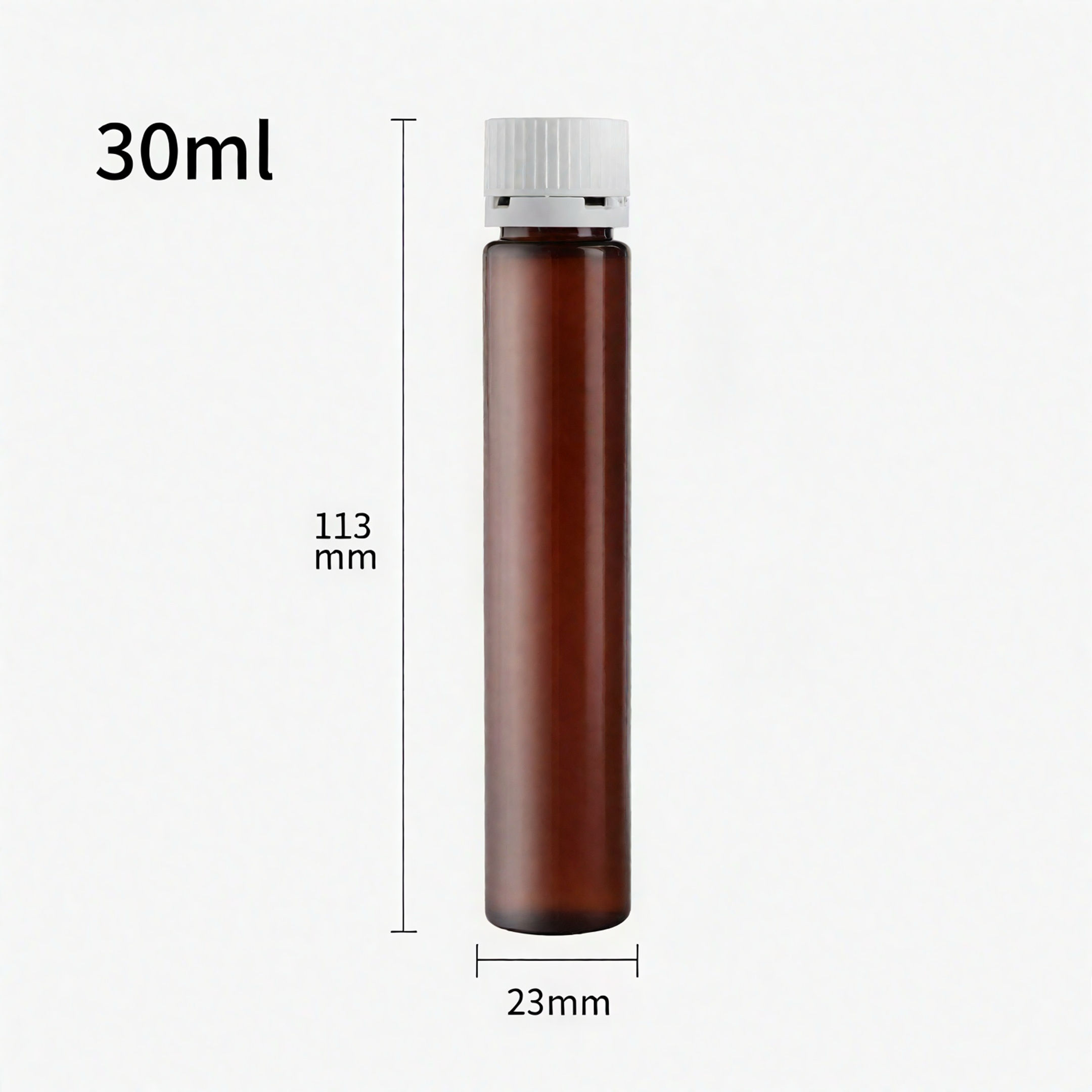
Pediatric cough syrup bottles represent a critical intersection of safety, functionality, and child-centered design in the pharmaceutical industry. Parents and healthcare providers depend on cough syrup bottles that deliver precise dosing while protecting young patients from accidental misuse or contamination. Understanding what makes cough syrup bottles suitable for pediatric medicine requires examining multiple design factors, regulatory compliance standards, and practical usability features that distinguish pediatric-grade packaging from general medicine containers.

The suitability of cough syrup bottles for pediatric applications extends beyond basic containment. These specialized cough syrup bottles must incorporate tamper-evident mechanisms, child-resistant closures, accurate measurement graduations, and materials that preserve medication stability while remaining completely safe for young users. Manufacturers who produce cough syrup bottles for pediatric applications face stringent regulatory requirements and real-world usability demands that shape every aspect of bottle design and functionality.
Safety Features that Define Pediatric Cough Syrup Bottles
Tamper-Evident Design in Cough Syrup Bottles
Tamper-evident technology represents one of the most fundamental safety characteristics of cough syrup bottles designed for pediatric use. When parents open a cough syrup bottle, they need immediate visual confirmation that no one has previously accessed the medication. Cough syrup bottles incorporate specialized caps with break-away bands, shrink-wrap seals, or integrated indicators that clearly show whether the bottle has been opened. This design element protects children by preventing accidental exposure to contaminated or altered medication.
The tamper-evident feature on cough syrup bottles serves dual purposes in pediatric settings. Parents gain confidence in medication safety, and healthcare systems maintain pharmaceutical integrity throughout the supply chain. Advanced cough syrup bottles now feature multi-layer tamper systems that make accidental or intentional tampering immediately visible, creating a critical barrier between the child and potential harm.
Child-Resistant Closures for Cough Syrup Bottles
Child-resistant closures represent another essential safety component that distinguishes cough syrup bottles suitable for pediatric medicine. These specialized caps require a combination of sequential actions—typically pushing down while twisting or applying specific pressure patterns—that are difficult for young children to perform independently but remain accessible to adults. Cough syrup bottles with certified child-resistant closures significantly reduce accidental poisoning incidents and unauthorized access by toddlers.
The engineering behind child-resistant cough syrup bottles balances safety with usability. Parents administering medication should open cough syrup bottles without excessive difficulty, while the closure simultaneously prevents small children from gaining access. This design challenge has spawned multiple closure technologies, all integrated into quality cough syrup bottles to meet regulatory standards and practical caregiver needs.
Measurement Accuracy and Dosing Precision in Cough Syrup Bottles
Clear Graduated Markings on Pediatric Cough Syrup Bottles
Accurate dosing depends entirely on clear, legible measurement graduations molded or printed onto cough syrup bottles. Pediatric cough syrup bottles feature precisely calibrated volume markings—typically in milliliters and often including teaspoon equivalents—that enable parents and caregivers to measure exact doses for different age groups. The clarity of these markings directly impacts medication accuracy and child safety, making graduated cough syrup bottles non-negotiable for pediatric applications.
High-quality cough syrup bottles incorporate wide-spaced graduation lines with bold numerals that remain visible even when syrup discoloration occurs. Some advanced cough syrup bottles add color-coding systems or embossed markers that further enhance measurement visibility. These design refinements ensure that caregivers can reliably measure correct doses without guesswork, directly reducing overdose risks and medication errors in pediatric settings.
Included Dosing Devices with Cough Syrup Bottles
Many pediatric cough syrup bottles ship with dedicated measuring devices—oral syringes, dosing cups, or calibrated spoons—that further enhance dosing accuracy. These accompanying tools standardize measurement across different caregivers and eliminate confusion about volume estimation. When cough syrup bottles arrive with precision dosing devices, the entire medication administration process becomes more consistent and safer for pediatric patients.
The integration of matching dosing tools with cough syrup bottles represents thoughtful pediatric-focused design. Parents no longer need to estimate or locate separate measuring instruments, reducing delays and potential errors during medication administration. Quality cough syrup bottles come packaged with appropriate devices, ensuring that dose accuracy remains high throughout the medication's shelf life.
Material Selection and Preservation in Cough Syrup Bottles
Pharmaceutical-Grade Materials in Cough Syrup Bottles
Cough syrup bottles suitable for pediatric use must be manufactured from materials that meet strict pharmaceutical standards and pose no leaching risks. High-density polyethylene (HDPE) and polyethylene terephthalate (PET) represent the most common materials for cough syrup bottles, chosen specifically for chemical inertness and child safety. These materials undergo rigorous testing to ensure they do not release harmful compounds when in contact with liquid medications, particularly important when pediatric patients will ingest the contents.
The selection of pharmaceutical-grade materials for cough syrup bottles reflects the healthcare industry's commitment to pediatric safety. Brown or amber-tinted cough syrup bottles provide additional protection against light degradation of sensitive formulations, extending medication stability and efficacy. When manufacturers choose appropriate materials for cough syrup bottles, they establish a foundation of safety that protects children throughout the medication's intended use period.
Leak-Proof and Airtight Sealing in Pediatric Cough Syrup Bottles
Leak-proof construction represents a practical necessity for cough syrup bottles intended for pediatric use. Spilled medication creates safety hazards, wastes expensive pharmaceuticals, and contaminates storage areas where children may play. Advanced cough syrup bottles incorporate multiple sealing technologies—compression seals, threaded cap systems, and plastic liners—that create airtight, leak-proof containers. This construction maintains medication integrity while preventing accidental spills during storage and transport.
The reliability of cough syrup bottles with leak-proof seals directly influences parental confidence and medication compliance. When caregivers know that cough syrup bottles will not leak in a diaper bag or medicine cabinet, they experience reduced anxiety about accidental spills and environmental damage. This practical reliability feature supports consistent medication administration and improved pediatric health outcomes.
Regulatory Compliance and Standards for Pediatric Cough Syrup Bottles
FDA and International Compliance Requirements
Cough syrup bottles distributed for pediatric use must comply with comprehensive regulatory frameworks established by the FDA and international pharmaceutical authorities. These regulations specify exact requirements for child-resistant closures, tamper evidence, material safety, labeling clarity, and measurement accuracy. Manufacturers of cough syrup bottles undergo extensive testing and documentation to demonstrate compliance before pediatric formulations reach consumers.
Understanding regulatory compliance creates confidence that cough syrup bottles meet objective safety standards rather than relying on marketing claims alone. Healthcare providers and parents can trust that properly certified cough syrup bottles have undergone rigorous evaluation and testing. This regulatory framework ensures consistent quality across all pediatric cough syrup bottles, protecting children across diverse populations and geographic regions.
Labeling and Documentation on Cough Syrup Bottles
Clear, comprehensive labeling directly impacts how caregivers use cough syrup bottles safely. Pediatric cough syrup bottles must display age-specific dosing instructions, active ingredients, warning statements, and storage requirements in large, legible text. All required information must appear on labels that resist fading, water damage, and misinterpretation, ensuring that dosing guidance remains accurate throughout the medication's shelf life.
Cough syrup bottles designed for pediatric applications often feature simplified labeling systems with pictorial instructions that support non-English speakers and caregivers with limited reading proficiency. By making dosing information universally accessible, quality cough syrup bottles reduce medication errors across diverse populations. This commitment to clear communication distinguishes pediatric-appropriate cough syrup bottles from standard pharmaceutical containers.
FAQ
Why do pediatric cough syrup bottles require child-resistant closures?
Child-resistant closures on cough syrup bottles prevent accidental poisoning and unauthorized access by young children while remaining accessible to adults. Federal regulations require child-resistant closures on all prescription and many over-the-counter medications, making them non-negotiable for cough syrup bottles. These specialized caps have demonstrably reduced pediatric poisoning incidents across decades of public health data.
How do graduated markings on cough syrup bottles improve medication safety?
Clear measurement graduations on cough syrup bottles enable precise dose administration, reducing the risk of overdose or underdose errors. When caregivers can accurately measure the prescribed volume, medication efficacy improves and adverse effects decrease. Cough syrup bottles with legible, well-positioned graduations eliminate guesswork and support consistent dosing across different administrators.
What materials are safest for pediatric cough syrup bottles?
Pharmaceutical-grade plastics like HDPE and PET represent the safest materials for cough syrup bottles, as they have been tested for chemical inertness and pose minimal leaching risks. Brown or amber-tinted cough syrup bottles provide additional protection against light degradation of sensitive formulations. Healthcare manufacturers select these specific materials to ensure that pediatric patients receive medication stored in safe, stable containers.