
 EN
EN
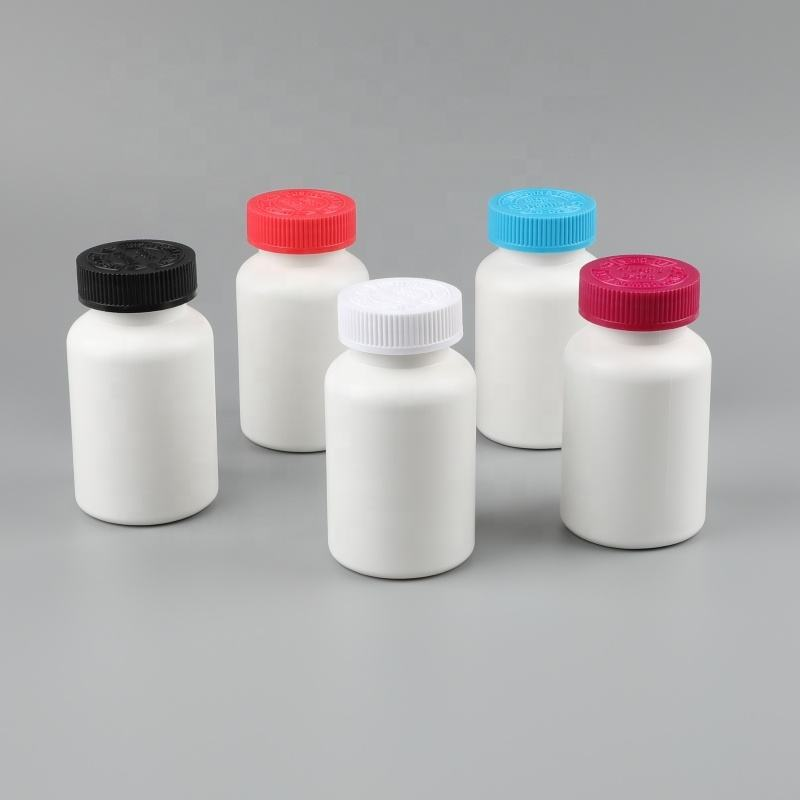
In the highly regulated world of pharmaceutical packaging, every design decision carries real-world consequences. A pill bottle is never just a container — it is a critical interface between the manufacturer's product integrity commitments and the patient's safety experience. When top pharmaceutical brands consistently gravitate toward one specific design format, it is not coincidental. It reflects years of regulatory learning, consumer behavior research, and supply chain optimization converging into a single packaging decision.
The HDPE screw-cap pill bottle in standard pharmaceutical sizing — spanning 60cc to 250cc — has become the preferred format across leading pharma brands globally. Understanding why requires a closer look at what makes this pill bottle design superior in terms of material science, compliance readiness, usability, and commercial efficiency. This article unpacks the specific functional, regulatory, and operational reasons that drive this preference, helping procurement teams and packaging engineers make more informed decisions.
Material Integrity and Product Protection
Why HDPE Dominates Pharmaceutical Bottle Manufacturing
High-density polyethylene, or HDPE, is the material of choice for pharmaceutical-grade pill bottle production because of its outstanding moisture barrier properties. Tablets and capsules are highly sensitive to humidity, and even minor moisture infiltration can accelerate degradation, affect dissolution rates, and ultimately compromise drug efficacy. HDPE creates a robust seal against ambient moisture that few other plastic materials can match at a comparable cost.
Beyond moisture resistance, HDPE offers excellent chemical inertness. It does not react with the active pharmaceutical ingredients stored inside the pill bottle, which is a non-negotiable requirement for drug packaging materials. Regulatory bodies including the FDA and ICH guidelines require that packaging materials not leach harmful substances into pharmaceutical products, and HDPE consistently meets these standards across a wide range of drug formulations.
HDPE also provides a favorable balance of rigidity and impact resistance. A pill bottle made from this material can withstand the mechanical stresses of shipping, stacking, and retail handling without cracking or deforming. This physical durability reduces product loss during distribution and protects the pills or capsules inside from physical damage caused by compression or drop impact during logistics.
Light Protection and Shelf Stability
Many pharmaceutical compounds are photosensitive, meaning that UV or visible light exposure can trigger chemical degradation. The standard opaque white or amber HDPE pill bottle format directly addresses this concern by blocking light transmission. This passive protection mechanism significantly extends the functional shelf life of light-sensitive tablets and capsules without requiring additional secondary packaging.
Shelf stability is a critical commercial parameter for pharma brands, as it determines expiry dates and the viable distribution window for their products. A pill bottle that can reliably maintain internal environmental conditions — controlling both moisture and light — allows brands to set longer shelf-life claims backed by real accelerated stability testing data. This translates directly into lower waste, better inventory planning, and stronger retailer confidence.
For solid dosage forms like tablets, film-coated capsules, and softgels, the combination of HDPE material and opaque construction in a standard pill bottle format is widely recognized as one of the most dependable packaging choices available in the market today.
Regulatory Compliance and Safety Features
Child-Resistant Screw Cap Design and Global Standards
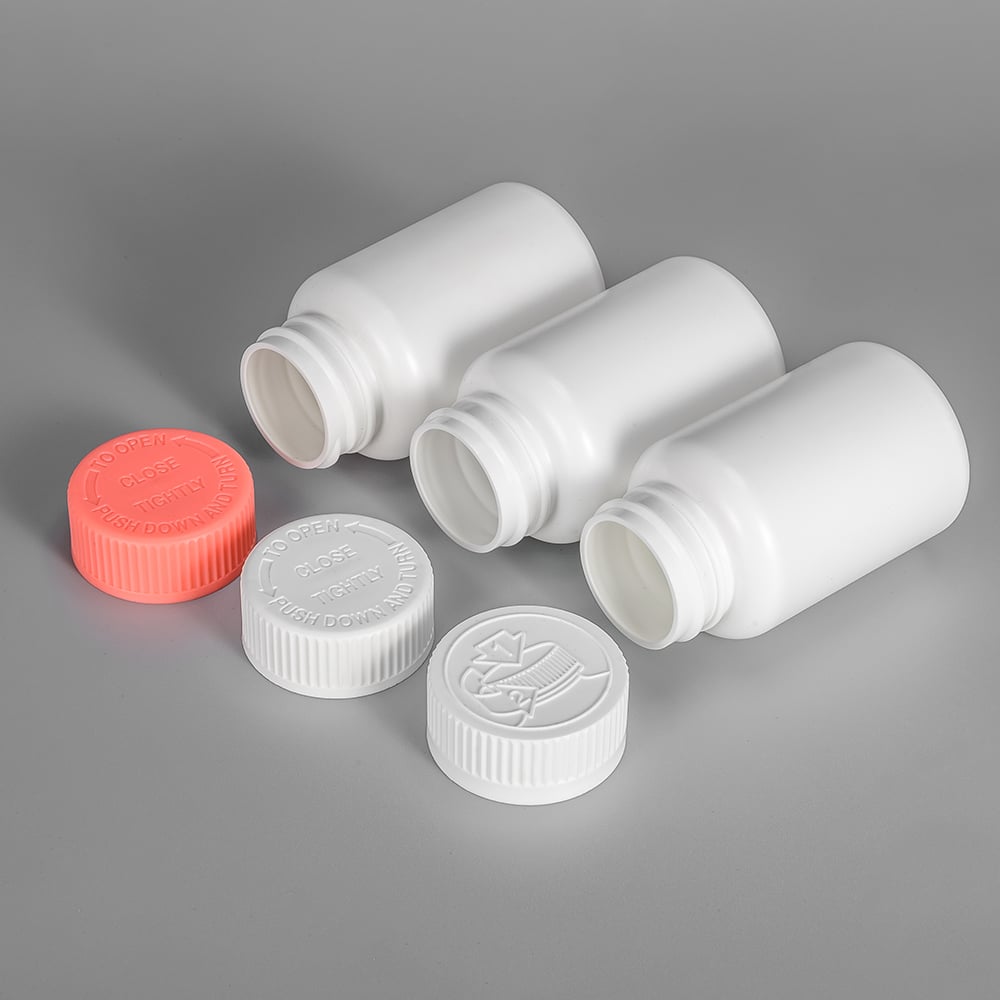
One of the most significant reasons top pharma brands prefer this specific pill bottle design is the compatibility of the screw-cap format with child-resistant closure systems. Under the Poison Prevention Packaging Act in the United States and equivalent legislation in the EU and other major markets, prescription and many OTC medications must use child-resistant closures. The HDPE pill bottle with a CRC-compliant screw cap satisfies these requirements straight out of the mold.
The push-and-turn or squeeze-and-turn mechanisms integrated into standard pharmaceutical screw caps require a combination of force and dexterity that young children typically cannot perform. This functional safety feature is built into the design of the pill bottle closure, making compliance automatic rather than an add-on consideration. For pharma brands distributing across multiple markets, this built-in compliance capability reduces regulatory friction considerably.
Adult accessibility is an equally important factor. Senior patients and individuals with limited hand strength or mobility must be able to open their medication reliably. The best child-resistant closures for pill bottles are engineered to balance these two requirements — secure enough to resist young children yet manageable for adults with varying grip capabilities. This engineering balance is precisely what makes the standard HDPE screw-cap pill bottle so broadly adopted.
Tamper Evidence and Supply Chain Trust
Tamper-evident features are an additional layer of consumer safety that the standard pill bottle design addresses through induction sealing, breakaway bands, or integrated inner seals. These features provide visual confirmation that a pill bottle has not been opened or compromised between the point of manufacture and the point of consumer use. In an era of increasing pharmaceutical supply chain scrutiny, tamper evidence is both a regulatory requirement and a brand trust signal.
Leading pharma brands understand that a compromised pill bottle discovered by a consumer represents not only a health risk but also an immediate threat to brand reputation and regulatory standing. The induction-seal liner option available for HDPE screw-cap pill bottles offers a cost-effective, reliably automated tamper-evidence solution that integrates seamlessly into high-speed filling lines.
Regulatory agencies increasingly require serialization and anti-counterfeiting measures at the product level. While these systems are often applied to labels, the structural design of the pill bottle itself plays a supporting role by providing a stable, flat labeling surface that is compatible with automated label application and vision inspection systems used in modern pharma packaging lines.
Standardized Sizing and Operational Efficiency
The Strategic Value of Multi-Size Compatibility
The 60cc to 250cc size range of the standard HDPE pill bottle format covers the most commercially relevant fill volumes for solid oral dosage pharmaceuticals. Whether a brand is packaging a 30-count blister alternative, a 90-count prescription supply, or a 200-count OTC supplement, there is a bottle size in this range that fits the exact fill weight and count without significant headspace waste. This sizing architecture is the result of decades of industry standardization and is well understood by contract manufacturers worldwide.
Standardization in pill bottle sizing also brings significant procurement benefits. When a pharma brand sources a pill bottle across this size family, it can typically use the same cap specification, the same label dimensions with minor adjustments, and the same sealing equipment settings across multiple SKUs. This harmonization reduces tooling costs, simplifies inventory management, and accelerates new product launches by leveraging existing packaging infrastructure.
For contract development and manufacturing organizations that serve multiple pharma clients, the widespread adoption of this specific pill bottle format means that changeover times between client projects are minimized. A filling line configured for one client's 120cc pill bottle can be adapted to another client's 150cc or 200cc bottle with minimal mechanical reconfiguration, which directly supports the efficiency economics of shared pharmaceutical manufacturing environments.
Labeling Real Estate and Branding Capability
The cylindrical surface geometry of the standard HDPE pill bottle provides a generous and predictable labeling area. Pharmaceutical labels must carry a significant amount of regulatory information — drug name, dosage instructions, lot number, expiry date, warnings, and in some markets, multilingual text requirements. The cylindrical body of the pill bottle accommodates full-wrap labels that provide far more text space than blister formats or sachets can offer.
For brand-oriented pharma companies, the labeling real estate on a pill bottle also serves as an important consumer-facing marketing asset. The consistent geometry of this format allows brands to create visually distinctive label designs that are reproducible across their portfolio and instantly recognizable on retail shelves. This brand consistency compounds over time, reinforcing consumer confidence and repeat purchase behavior.
The structural rigidity of the HDPE pill bottle ensures that labels adhere uniformly and do not wrinkle, bubble, or peel at the edges during storage or transit. Label adhesion performance on a rigid HDPE surface is well-characterized and reliable, making it far easier to validate and qualify the packaging component as part of the overall drug product filing.
Sustainability Trends and Future-Proofing Packaging Strategy
HDPE Recyclability and Circular Economy Alignment
As pharmaceutical companies face increasing pressure from regulators, investors, and consumers to demonstrate environmental responsibility, the recyclability profile of their packaging has become a material consideration. HDPE is one of the most widely recycled plastics globally, classified under resin code 2 and accepted in most municipal recycling programs in North America, Europe, and Australia. Choosing an HDPE pill bottle aligns a brand's packaging strategy with circular economy commitments without requiring a disruptive shift in manufacturing process.
The ability to incorporate post-consumer recycled HDPE content into pill bottle production is an additional pathway being explored by environmentally conscious pharma brands. While pharmaceutical-grade applications require careful validation of recycled material purity and regulatory acceptance, the technical feasibility of this approach continues to improve as recycling infrastructure and quality controls mature.
Compared to multilayer composite packaging or blister formats with aluminum foil layers, the monomaterial construction of an HDPE pill bottle is significantly simpler to recycle at end of life. This recyclability advantage supports Extended Producer Responsibility obligations increasingly mandated in European and other markets, giving brands that have standardized on this pill bottle format a structural compliance advantage going forward.
Design Continuity and Supply Chain Resilience
One underappreciated reason that top pharma brands prefer this specific pill bottle design is its supply chain depth. Because this format is the global standard, it is manufactured by a large number of qualified suppliers across multiple geographies. This supplier depth means that a pharma brand is not exposed to single-source risk for one of its most critical packaging components. In a post-pandemic world where supply chain resilience is a board-level priority, this is a genuinely strategic advantage.
The tooling maturity for the standard HDPE pill bottle also means that mold qualification timelines are short and dimensional consistency across production batches is high. For pharmaceutical products where packaging component specifications must be tightly controlled and documented in regulatory filings, this dimensional predictability reduces the frequency of specification deviations and the associated corrective action burden.
As new drug delivery formats, nutraceuticals, and OTC health products continue to enter the market at high velocity, the flexibility of this pill bottle design to serve diverse product categories without requiring fundamental engineering changes ensures that it will remain the preferred packaging format for the foreseeable future. It is not a legacy design — it is a continuously validated and refined standard that grows more entrenched with each successful product launch it supports.
FAQ
What makes HDPE the preferred material for a pharmaceutical pill bottle?
HDPE offers a combination of moisture resistance, chemical inertness, light-blocking capability, and structural durability that is difficult to match with alternative materials at the same cost point. These properties directly support drug product stability and regulatory compliance, which is why it has become the industry standard material for the pharmaceutical pill bottle format.
Are all pill bottle designs required to have child-resistant closures?
Not all pill bottle products require child-resistant closures, but prescription medications and many OTC drug categories do under legislation such as the US Poison Prevention Packaging Act. Pharma brands often choose child-resistant screw caps as a default for their pill bottle packaging to maintain a consistent safety standard and simplify regulatory submissions across different markets.
How does pill bottle sizing affect manufacturing efficiency?
Standardized pill bottle sizing in the 60cc to 250cc range allows manufacturers to use compatible caps, liners, and labeling equipment across multiple product SKUs. This interoperability reduces changeover time, lowers tooling investment, and simplifies inventory management, all of which contribute directly to lower per-unit production costs and faster time to market for new products.
Can the HDPE pill bottle format support sustainability goals for pharma brands?
Yes. HDPE is among the most recyclable plastics available and is accepted by recycling infrastructure in most major markets. The monomaterial construction of a standard HDPE pill bottle makes it easier to recycle than composite or multilayer packaging alternatives. Brands can also explore post-consumer recycled HDPE content integration as sustainability requirements tighten in major regulatory jurisdictions.