
 EN
EN
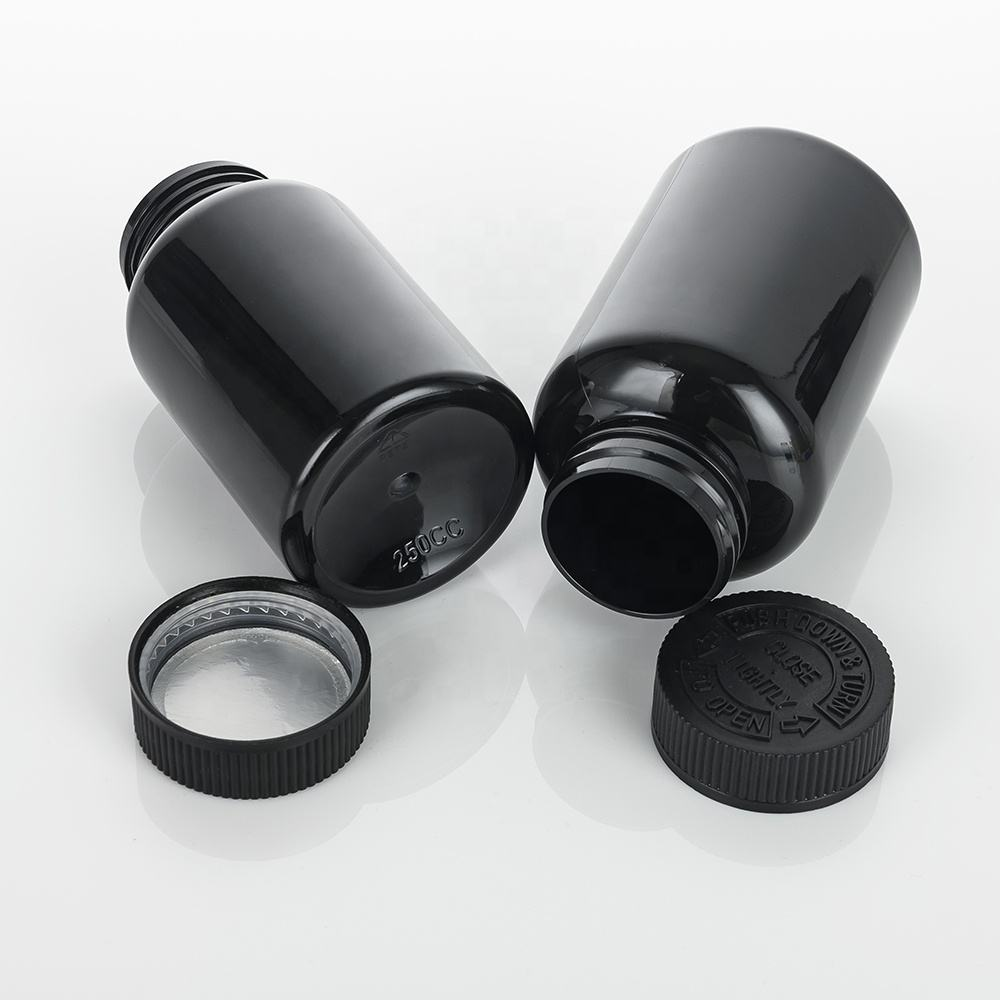
In the competitive landscape of health and wellness, the vitamin bottle is far more than a simple container. It is the first physical interaction a consumer has with a brand's product, and it carries a weight of expectation that extends well beyond its practical function. For brands operating in the supplement and nutraceutical space, investing in a high-quality vitamin bottle is not a cosmetic decision — it is a strategic one that directly impacts product integrity, consumer trust, and long-term market performance.
The global dietary supplement market continues to expand at a rapid pace, and with it, the demand for packaging solutions that meet both regulatory standards and consumer aesthetics. A well-engineered vitamin bottle must balance multiple performance criteria simultaneously — protecting sensitive formulations from moisture and UV exposure, enabling precise dispensing, reinforcing brand identity, and complying with child-resistant packaging mandates. Understanding what separates a high-quality vitamin bottle from an average one allows brands to make more informed sourcing decisions and build stronger customer relationships.
The Role of Material Selection in Vitamin Bottle Quality
Why PET and HDPE Remain Dominant Choices
Material selection is one of the most fundamental decisions in vitamin bottle design, and for good reason. The material determines moisture vapor transmission rates, oxygen barrier properties, chemical compatibility with supplement formulations, and the bottle's overall durability during shipping and storage. Polyethylene terephthalate, commonly known as PET, has become a standard in the supplement industry because it offers excellent clarity, reasonable barrier performance, and recyclability — all factors that matter both to brands and to environmentally conscious consumers.
High-density polyethylene, or HDPE, is another widely used material that offers superior moisture resistance and is particularly well-suited for powdered supplements or capsules that are sensitive to humidity. The choice between PET and HDPE is not arbitrary — it should be driven by the specific formulation being packaged and the storage conditions the product will face throughout its supply chain. A premium vitamin bottle manufacturer will guide brands through this material decision rather than defaulting to a single option.
Brands that prioritize material science in their packaging strategy benefit from extended shelf life, reduced product recalls, and fewer consumer complaints related to degraded potency. A vitamin bottle made from inferior or incompatible materials can accelerate oxidation, introduce off-flavors, or allow moisture ingress that renders the supplement ineffective before its stated expiration date.
The Impact of Wall Thickness and Structural Integrity
Beyond the base material, the structural design of a vitamin bottle plays a critical role in its real-world performance. Wall thickness directly influences the bottle's ability to resist compression during stacking in warehouse environments, as well as impact forces during shipping. Bottles that are too thin may deform under pallet pressure, compromising the seal and potentially contaminating the contents.
A high-quality vitamin bottle maintains consistent wall thickness throughout its structure, with particular reinforcement at the neck and base where mechanical stress is greatest. This consistency is a mark of precision manufacturing and cannot be achieved through low-cost, high-speed blow molding processes that prioritize output volume over dimensional accuracy. Brands that invest in structurally sound packaging reduce their exposure to costly product damage claims and damaged retailer relationships.
Closure Systems and Their Significance for Product Safety
Screw Cap Engineering and Airtight Sealing
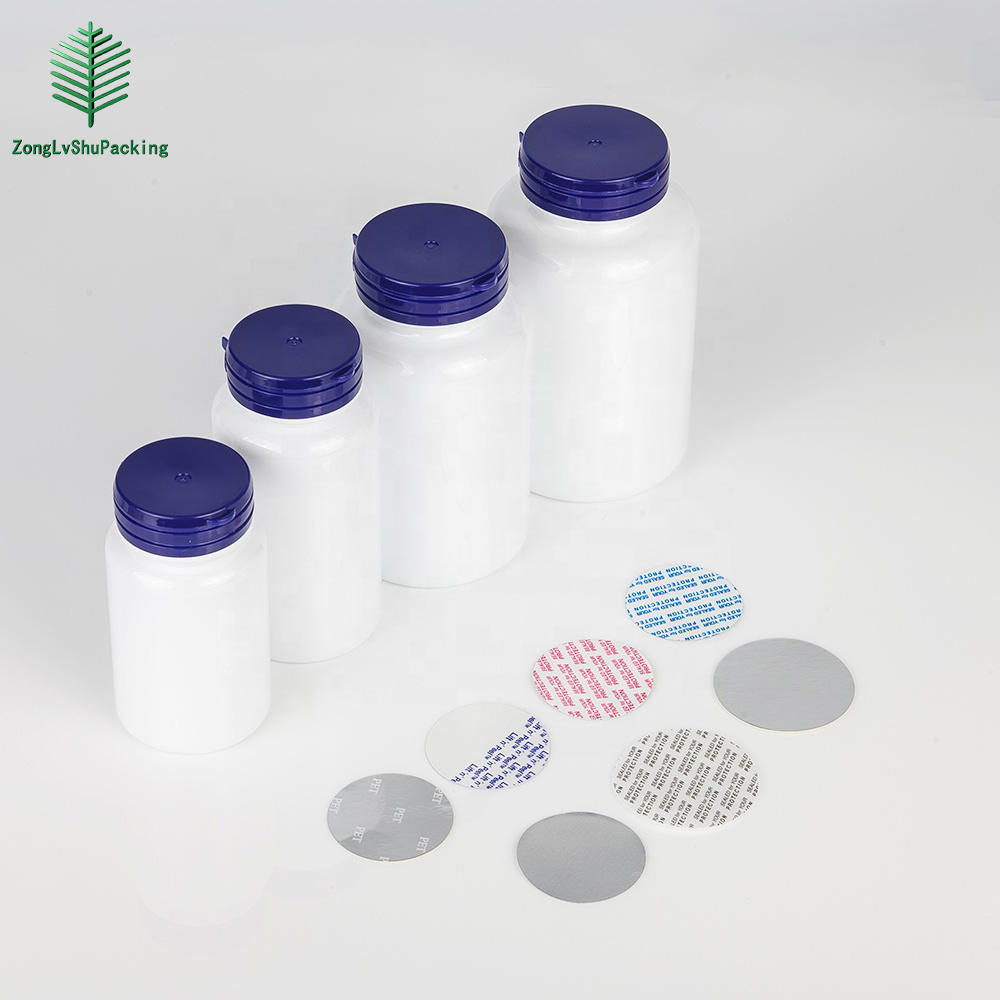
The closure system of a vitamin bottle is as important as the bottle itself. A poorly engineered screw cap can fail to maintain an airtight seal, allowing oxygen and moisture to enter and degrade sensitive vitamins, minerals, and botanical extracts over time. For brands that market products with high potency claims, an inadequate closure system undermines the very promise printed on the label.
High-quality screw caps are engineered with precise thread geometries that create consistent torque engagement, ensuring the closure achieves a reliable seal every time a consumer re-seals the bottle. Many premium vitamin bottle solutions incorporate induction-sealed inner liners as a secondary barrier against moisture and oxidation, providing an additional layer of product protection that consumers can see and trust when they first open the package.
The integration of desiccant inserts or oxygen absorbers within the closure system represents a further advancement in vitamin bottle design that brands targeting sensitive formulations should consider. This approach is particularly relevant for probiotic supplements, fish oil softgels, and other bioactive compounds that are highly susceptible to environmental degradation.
Child-Resistant and Tamper-Evident Features
Regulatory compliance is non-negotiable for any brand distributing supplements through retail channels in most major markets. Child-resistant closures are mandated for certain categories of dietary supplements in the United States under the Poison Prevention Packaging Act, and similar regulations apply in the European Union, Canada, and Australia. A vitamin bottle that fails to meet these requirements cannot legally be sold in regulated markets, exposing brands to significant legal and reputational risk.
Tamper-evident features — such as shrink bands, breakaway seals, and induction-sealed foil liners — serve a dual purpose. They protect consumers from tampered products, and they signal to retailers and consumers alike that the brand takes product safety seriously. In an era of heightened consumer awareness around supplement authenticity and safety, a vitamin bottle equipped with visible tamper-evidence is a commercial advantage as much as a regulatory requirement.
Aesthetics, Branding, and the Consumer Perception of Quality
How Visual Design Translates into Perceived Product Value
The visual impression a vitamin bottle creates at the point of sale or upon delivery is a powerful driver of consumer purchasing decisions and repeat purchase behavior. Research consistently demonstrates that packaging quality serves as a proxy for product quality in the minds of consumers — particularly in categories like dietary supplements where the actual product is not directly visible until the package is opened. Brands that invest in premium bottle designs with clean lines, premium finishes, and distinctive silhouettes communicate quality before a single capsule is consumed.
Surface treatment options such as gold plating, matte finishes, frosted textures, and custom colorways allow brands to differentiate their vitamin bottle from commodity packaging and create a product that feels genuinely premium. The vitamin bottle with multi-capacity capabilities and gold plating, for instance, exemplifies how functional packaging and luxurious aesthetics can be combined to serve both practical and brand-building objectives simultaneously.
Label application area, embossing possibilities, and the overall form factor of the bottle must be considered as part of a holistic brand identity system rather than as isolated packaging decisions. A vitamin bottle that has been designed in collaboration between the packaging supplier and the brand's creative team will always outperform a generic container that has been retrospectively decorated with a label.
Multi-Capacity Options and Retail Versatility
Brands frequently need to offer their formulations in multiple sizes to serve different consumer segments and retail channels. A vitamin bottle that is available across a consistent range of capacities — from starter sizes to family-sized options — allows brands to maintain a cohesive visual identity across their entire product lineup while meeting the commercial requirements of diverse retail environments.
Multi-capacity consistency also simplifies manufacturing logistics for brands, since the same closure system, label design, and visual language can be applied across the entire range. This approach reinforces brand recognition at the shelf level and makes line extensions far more straightforward from both a design and a supply chain perspective. Choosing a vitamin bottle supplier that offers true multi-capacity consistency rather than approximate visual matching is a distinction that serious brands should investigate before committing to a packaging solution.
Sustainability and Long-Term Brand Positioning
The Growing Consumer Demand for Eco-Responsible Packaging
Sustainability has moved from a niche concern to a mainstream expectation in the consumer goods sector, and the supplement industry is no exception. Brands that package their products in a vitamin bottle manufactured from recyclable materials, use reduced-weight designs, or incorporate post-consumer recycled content are positioning themselves favorably with an increasingly environmentally conscious consumer base.
The use of PET in vitamin bottle manufacturing is advantageous from a sustainability standpoint because PET has one of the highest recycling rates among plastic resins globally. Brands can communicate this recyclability on their packaging as part of a broader sustainability narrative, reinforcing both their environmental commitment and the quality of their packaging choices. This messaging resonates particularly strongly with millennial and Generation Z consumers, who are among the fastest-growing demographics in the supplement market.
Some brands are going further by exploring refillable vitamin bottle programs or incorporating biodegradable secondary packaging to reduce overall environmental impact. While these innovations are still emerging, brands that begin building sustainable packaging strategies now will be better positioned as regulatory pressure around single-use plastics increases in key global markets.
Packaging Compliance and Global Market Access
For brands with international distribution ambitions, the vitamin bottle must be designed to meet the regulatory requirements of multiple jurisdictions simultaneously. This includes not only child-resistant closure mandates and tamper-evidence requirements but also restrictions on certain colorants, labeling surface area requirements, and mandatory recycling symbols in various markets.
Working with a vitamin bottle supplier that has demonstrated experience navigating global packaging compliance requirements is a significant strategic advantage. It reduces the risk of costly mid-launch reformulations or the need to maintain separate packaging lines for different markets. A high-quality vitamin bottle designed with global compliance in mind from the outset is ultimately more cost-effective than one that must be modified retrospectively to meet market-specific demands.
FAQ
What materials are most commonly used in a high-quality vitamin bottle?
High-quality vitamin bottle products are most commonly made from PET or HDPE plastics. PET offers excellent clarity and recyclability, making it popular for consumer-facing supplement packaging. HDPE provides superior moisture resistance, which makes it a preferred choice for humidity-sensitive formulations such as powdered vitamins and probiotic capsules. The selection between these materials should be based on the specific formulation, storage conditions, and target market requirements.
How does closure design affect the shelf life of supplements in a vitamin bottle?
The closure system of a vitamin bottle is critical to maintaining product integrity throughout its shelf life. A well-engineered screw cap creates a reliable airtight seal that prevents oxygen and moisture ingress, which are the primary agents of supplement degradation. Induction-sealed inner liners add a secondary protective barrier, and desiccant or oxygen-absorber inserts can further extend the effective potency of sensitive formulations by controlling the internal atmosphere of the sealed bottle.
Why does the aesthetic quality of a vitamin bottle matter for brand success?
Consumers use packaging as a direct signal of product quality, particularly in categories like dietary supplements where the product itself is not visible before purchase. A premium-looking vitamin bottle with distinctive design elements — such as gold plating, clean silhouettes, or quality finishes — communicates brand values and positions the product at a higher perceived quality tier. This perception influences both initial purchase decisions and long-term brand loyalty, making packaging aesthetics a legitimate commercial investment rather than a purely cosmetic one.
What should brands look for when selecting a vitamin bottle supplier?
Brands should evaluate vitamin bottle suppliers based on their material expertise, manufacturing precision, regulatory compliance knowledge, capacity range consistency, and ability to support custom design requirements. Suppliers with documented experience in multi-capacity offerings, surface treatment capabilities, and global regulatory compliance are particularly valuable for brands with growth ambitions. Requesting product samples and reviewing quality control documentation are essential steps before committing to a long-term packaging partnership.
Table of Contents
- The Role of Material Selection in Vitamin Bottle Quality
- Closure Systems and Their Significance for Product Safety
- Aesthetics, Branding, and the Consumer Perception of Quality
- Sustainability and Long-Term Brand Positioning
-
FAQ
- What materials are most commonly used in a high-quality vitamin bottle?
- How does closure design affect the shelf life of supplements in a vitamin bottle?
- Why does the aesthetic quality of a vitamin bottle matter for brand success?
- What should brands look for when selecting a vitamin bottle supplier?