
 EN
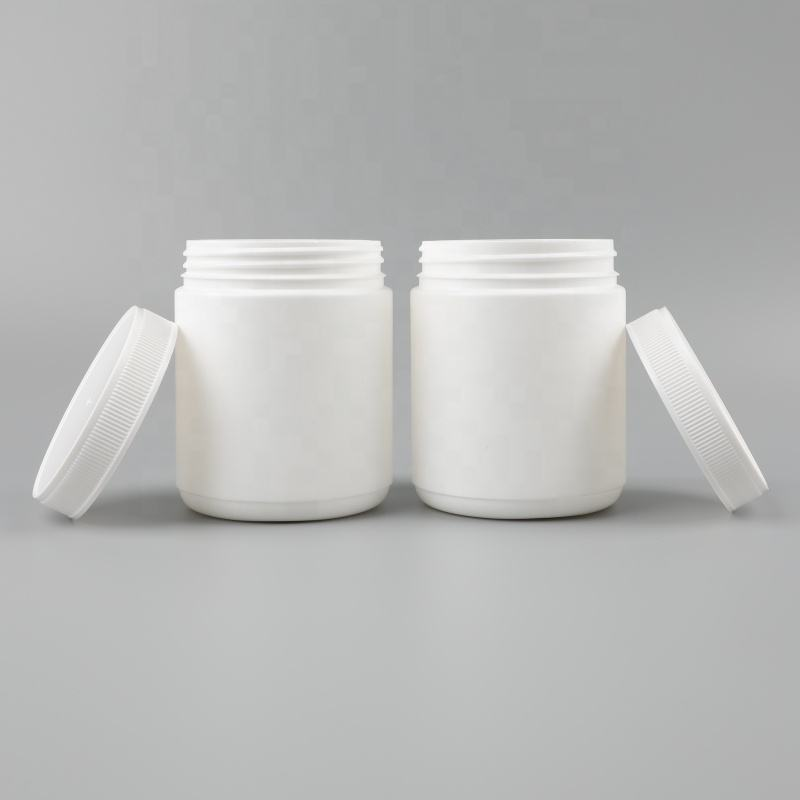
Protein powder is a valuable investment for fitness enthusiasts, athletes, and anyone serious about nutrition. Yet many people overlook one critical aspect of ownership: proper storage. A moisture-proof protein powder container is not just a convenience—it's a necessity for protecting your supplement investment and ensuring every scoop delivers consistent quality. Without adequate protection, your protein powder risks degradation, clumping, and loss of nutritional potency long before the expiration date.
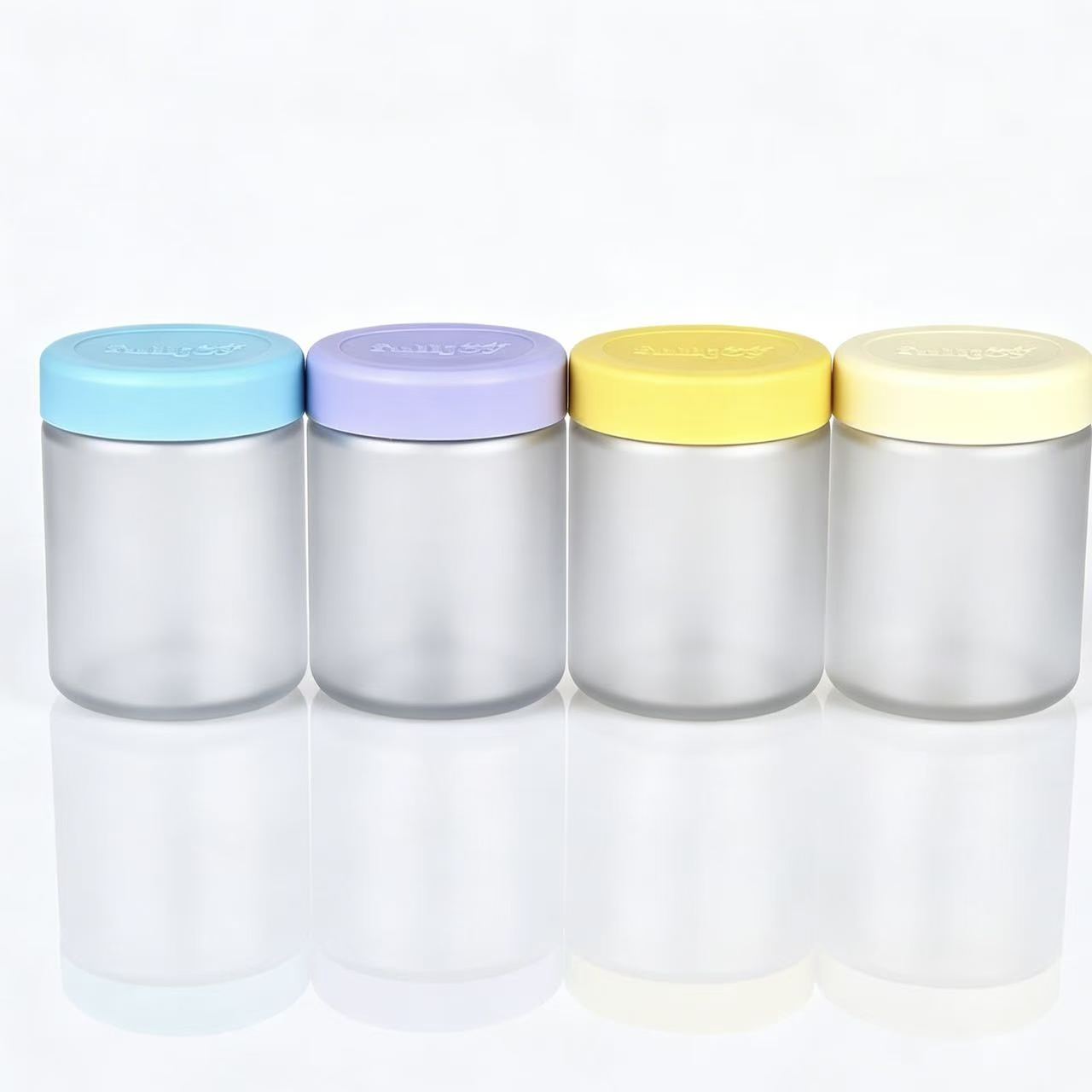
The market offers many storage options, but a truly effective protein powder container must meet specific requirements. Temperature control, humidity barriers, and light protection all play essential roles in maintaining powder integrity. This article explores why investing in a moisture-proof protein powder container is one of the smartest decisions you can make for your supplement storage strategy.
How Moisture Damages Protein Powder Quality
Understanding Moisture Absorption
Protein powder naturally attracts moisture from the air through a process called hygroscopic absorption. When exposed to humid environments, water molecules migrate into the powder structure, binding with protein particles and creating clumping. This clumping makes the powder difficult to mix and reduces its usability. A moisture-proof protein powder container prevents this absorption by creating a sealed barrier between the powder and ambient humidity. The tighter the seal and the more advanced the material, the longer your protein powder container can protect your investment.
Chemical Degradation and Potency Loss
Beyond clumping, moisture accelerates oxidation—a chemical process that breaks down amino acids and reduces the nutritional value of your supplement. Once moisture penetrates a protein powder container, oxidation happens faster, especially if the container is also exposed to light and heat. Studies show that protein powders stored in standard bags lose measurable potency within weeks of opening. A dedicated moisture-proof protein powder container slows this degradation dramatically, preserving amino acid profiles and ensuring you receive the labeled nutritional benefit with each serving.
Key Features of Effective Protein Powder Containers
Material Selection and Barrier Technology
Not all protein powder container materials offer equal protection. High-density polyethylene (HDPE) and similar food-grade plastics provide robust moisture barriers when properly formulated. The best protein powder container combines thick walls with a tight-sealing lid featuring a gasket or rubber seal. Light-blocking formulations, such as opaque or matte-black protein powder container designs, add an extra layer of defense by preventing photodegradation. When selecting a protein powder container, look for labeling that specifies moisture-barrier properties and food-grade certification to ensure safety and performance.
Seal Quality and Long-Term Storage
A protein powder container is only as effective as its seal. Screw caps with dual-thread designs and reinforced seals significantly outperform simple snap-fit lids. The best protein powder container options include vacuum-sealed or airtight lids that maintain integrity through repeated opening and closing. Over time, cheaper lids lose their elasticity, allowing moisture to creep in. Investing in a premium protein powder container with proven seal durability ensures protection that lasts throughout the shelf life of your supplement, protecting both opened and unopened products.
Practical Benefits Beyond Moisture Protection
Convenience and Portion Control
Beyond preservation, a well-designed protein powder container simplifies daily use. Many protein powder container models feature graduated measurements or integrated scoops, reducing waste and ensuring consistent portions. Stackable designs save refrigerator or pantry space, while transparent or semi-transparent protein powder container options let you monitor stock levels at a glance. These practical features make your protein powder container more than just storage—it becomes an active part of your nutrition routine, reducing the friction between intention and action.
Cost-Effectiveness and Waste Reduction
High-quality protein powder is expensive. A single container of premium whey or plant-based protein often costs $40 to $80 or more. Without proper storage in a moisture-proof protein powder container, you risk losing significant value to spoilage. A protein powder container that costs $15 to $30 upfront pays for itself by preventing the loss of even one container of supplement. Over a year, families and serious athletes who buy protein powder in bulk see dramatic savings when using a dedicated protein powder container. The financial case for proper storage is straightforward and compelling.
Selection Criteria for Your Protein Powder Container
Environmental and Usage Factors
Your climate and storage location influence which protein powder container works best. Those in humid regions require thicker-walled or dual-barrier protein powder container designs. Gym bags and portable use demand durable, leak-proof protein powder container construction. Home pantry storage allows for larger capacity protein powder container options. Assess your specific environment—humidity levels, temperature fluctuations, and storage duration—before choosing. A protein powder container rated for tropical climates offers better protection than a basic model in high-moisture settings.
Compatibility and Versatility
The ideal protein powder container adapts to multiple uses beyond protein storage. Repurposing your protein powder container for flour, sugar, nuts, or dried herbs extends its value throughout your kitchen. Food-grade certification ensures safety for all dry goods. Look for a protein powder container with a neutral design and clear labeling options. This versatility means your investment in a quality protein powder container supports your entire food storage system, making it a smarter purchase than single-use alternatives.
FAQ
How long does protein powder stay fresh in a moisture-proof protein powder container?
In a high-quality moisture-proof protein powder container stored in a cool, dry place, unopened protein powder typically maintains full potency for 18 to 24 months, well beyond the standard expiration date. Once opened, a sealed protein powder container preserves quality for 6 to 12 months depending on environmental conditions. The exact timeframe depends on the container's seal quality, storage temperature, and how frequently you open it. A protein powder container with vacuum-seal technology or airtight gaskets performs significantly better than standard bags.
Can I use a regular plastic container as a protein powder container?
While a basic plastic container is better than keeping protein powder in an opened bag, it may not offer adequate moisture protection unless it has a truly airtight seal and food-grade certification. Standard kitchen containers often lack the material thickness and sealing technology found in purpose-built protein powder container models. For optimal protection, choose a protein powder container specifically designed for supplement or food storage. The difference in performance between a generic container and a dedicated moisture-proof protein powder container becomes obvious within weeks of use.
What is the best way to organize multiple protein powder containers?
Stackable protein powder container designs maximize pantry or refrigerator space and keep your supplements organized. Label each protein powder container clearly with the flavor, purchase date, and expiration date to maintain inventory and rotation. Store protein powder containers in a cool, dry location away from direct sunlight and heat sources. Many users designate a dedicated shelf or cabinet for their protein powder container collection. This organization approach ensures you use older containers first while maintaining easy access and preventing accidental mixing or confusion.