
 EN
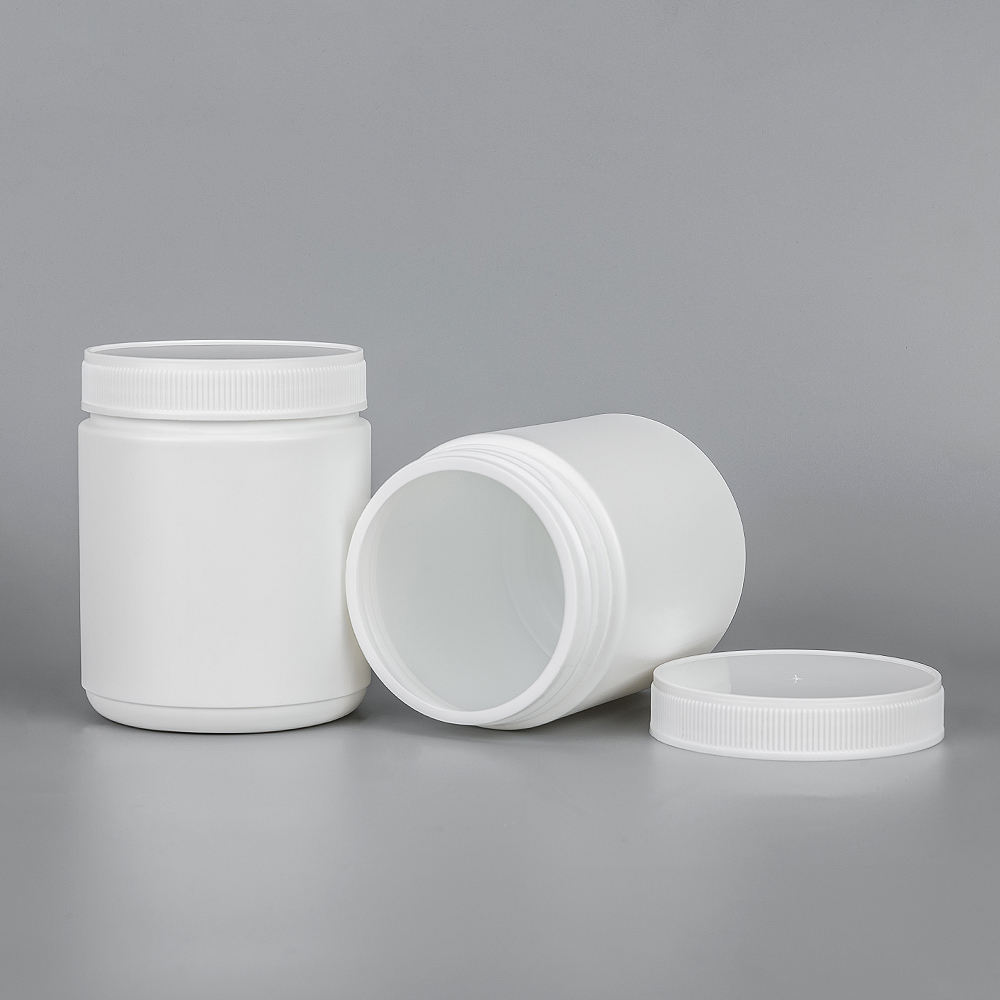
The choice of a protein powder container extends far beyond mere aesthetics or convenience. Today's health-conscious consumers and fitness enthusiasts demand packaging that protects product integrity while reflecting their environmental and health values. A protein powder container must balance food safety, sustainability, and brand trust in an increasingly competitive market. Understanding the composition, certifications, and eco-friendly attributes of your protein powder container is essential for manufacturers, retailers, and end consumers alike.
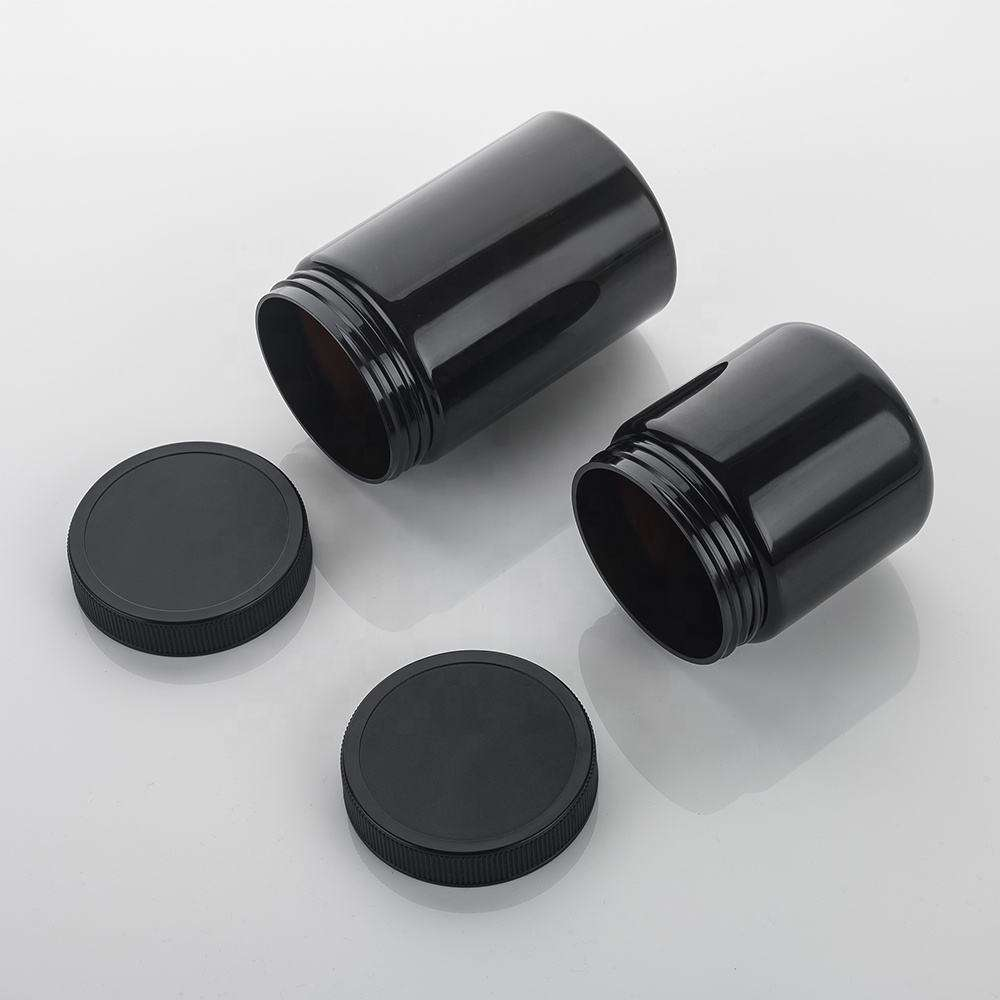
The global demand for cleaner labeling and safer packaging materials has transformed how brands approach protein powder container design. BPA-free certification and eco-friendly materials are no longer premium differentiators—they are baseline expectations. This shift reflects both regulatory pressure and genuine consumer concern about chemical leaching, environmental impact, and long-term health outcomes. Selecting the right protein powder container directly influences customer perception, retention, and brand loyalty.
Why BPA-Free Matters in Protein Powder Container Selection
Understanding BPA and Its Risks
Bisphenol A (BPA) is an industrial chemical used in polycarbonate plastics and epoxy resins found in many traditional protein powder container designs. When a protein powder container contains BPA, the chemical can leach into the product, especially when exposed to heat, moisture, or acidic ingredients common in protein formulations. Scientific studies have linked BPA exposure to hormonal disruption, metabolic concerns, and other health risks. This risk is particularly relevant for athletes and fitness enthusiasts who consume protein regularly, making BPA-free certification a critical safety standard for any responsible protein powder container manufacturer.
BPA-Free Certification Standards
A genuinely BPA-free protein powder container should carry third-party certifications from recognized authorities such as FDA food-contact approval or NSF International standards. These certifications confirm that the protein powder container materials have undergone rigorous testing and meet strict safety thresholds. When evaluating a protein powder container, look for explicit labeling stating 'BPA-free' alongside regulatory approval marks. This transparency builds consumer confidence and demonstrates the manufacturer's commitment to safety standards beyond marketing claims.
Eco-Friendly Materials and Sustainable Protein Powder Container Design
Alternative Materials for Modern Protein Powder Container Solutions
Modern protein powder container alternatives include high-density polyethylene (HDPE), polypropylene (PP), and even plant-based materials like polylactic acid (PLA). These materials provide the structural integrity and barrier properties necessary for food protection while reducing environmental footprint compared to traditional plastics. HDPE protein powder containers, for example, are recyclable, widely accepted in municipal programs, and resistant to chemical degradation. A premium protein powder container made from HDPE combines safety, durability, and environmental responsibility in a single solution.
Recyclability and End-of-Life Impact
The true sustainability of a protein powder container depends not only on material composition but also on its post-consumer lifecycle. A protein powder container designed for easy recycling—marked with clear resin codes, minimal multi-material components, and compatibility with standard recycling streams—significantly reduces landfill burden. Brands that invest in compostable or biodegradable protein powder container options demonstrate leadership in environmental stewardship. Consumers increasingly prefer brands whose protein powder container choices align with circular economy principles, making sustainable packaging a competitive advantage.
Practical Implementation and Brand Differentiation
Balancing Cost, Performance, and Sustainability in Protein Powder Container Choices
Switching to a BPA-free, eco-friendly protein powder container involves upfront investment but delivers measurable returns through brand reputation and customer loyalty. Manufacturers must evaluate the total cost of ownership, including material cost, production efficiency, and supply chain resilience. A well-designed protein powder container protects product freshness, extends shelf life, and reduces waste through superior sealing and barrier technology. The investment in premium protein powder container materials often results in fewer customer complaints, reduced returns, and enhanced perceived value.
Communication and Transparency in Protein Powder Container Marketing
Effective marketing of a BPA-free, eco-friendly protein powder container requires clear, honest communication backed by verifiable certifications. Vague claims like 'green' or 'natural' without specific standards undermine credibility. Instead, brands should prominently display certification logos, material composition details, and recycling instructions on the protein powder container label and website. This transparency builds trust with informed consumers who recognize the genuine commitment behind sustainable protein powder container design. Third-party verification adds authority and differentiates your protein powder container from competitors making unsubstantiated claims.
FAQ
What certifications should a BPA-free protein powder container have?
A reliable BPA-free protein powder container should display FDA food-contact certification, NSF International standards, and clear labeling stating 'BPA-free.' Third-party testing from independent laboratories ensures the protein powder container meets rigorous safety thresholds. Additional certifications like ISO standards or specific regional approvals (EU, Canada) provide extra assurance. Always verify certifications on the manufacturer's website or product documentation rather than relying on marketing claims alone for your protein powder container purchase.
How do I know if a protein powder container is truly eco-friendly?
A truly eco-friendly protein powder container displays a resin identification code (usually 1-7), is made from recyclable or compostable materials, and accepts take-back programs or refill options. Check if the protein powder container manufacturer publishes environmental impact reports or life-cycle assessments. Look for certifications from organizations like the Sustainable Packaging Coalition or similar bodies. Avoid protein powder container products making vague 'green' claims without specific material composition or third-party verification. The most transparent brands provide detailed sustainability information about their protein powder container design choices.
Does a BPA-free protein powder container cost significantly more?
Modern BPA-free and eco-friendly protein powder container options have become increasingly cost-competitive as manufacturing scales up and consumer demand grows. While premium protein powder container materials may cost 5–15% more than legacy plastics, this difference is often offset by reduced waste, improved customer retention, and brand premiums consumers willingly pay. For bulk buyers and manufacturers, the long-term value of a quality protein powder container far exceeds the marginal material cost. Many brands find that investing in superior protein powder container quality directly improves profitability through customer loyalty and reduced product loss.