
 EN
EN
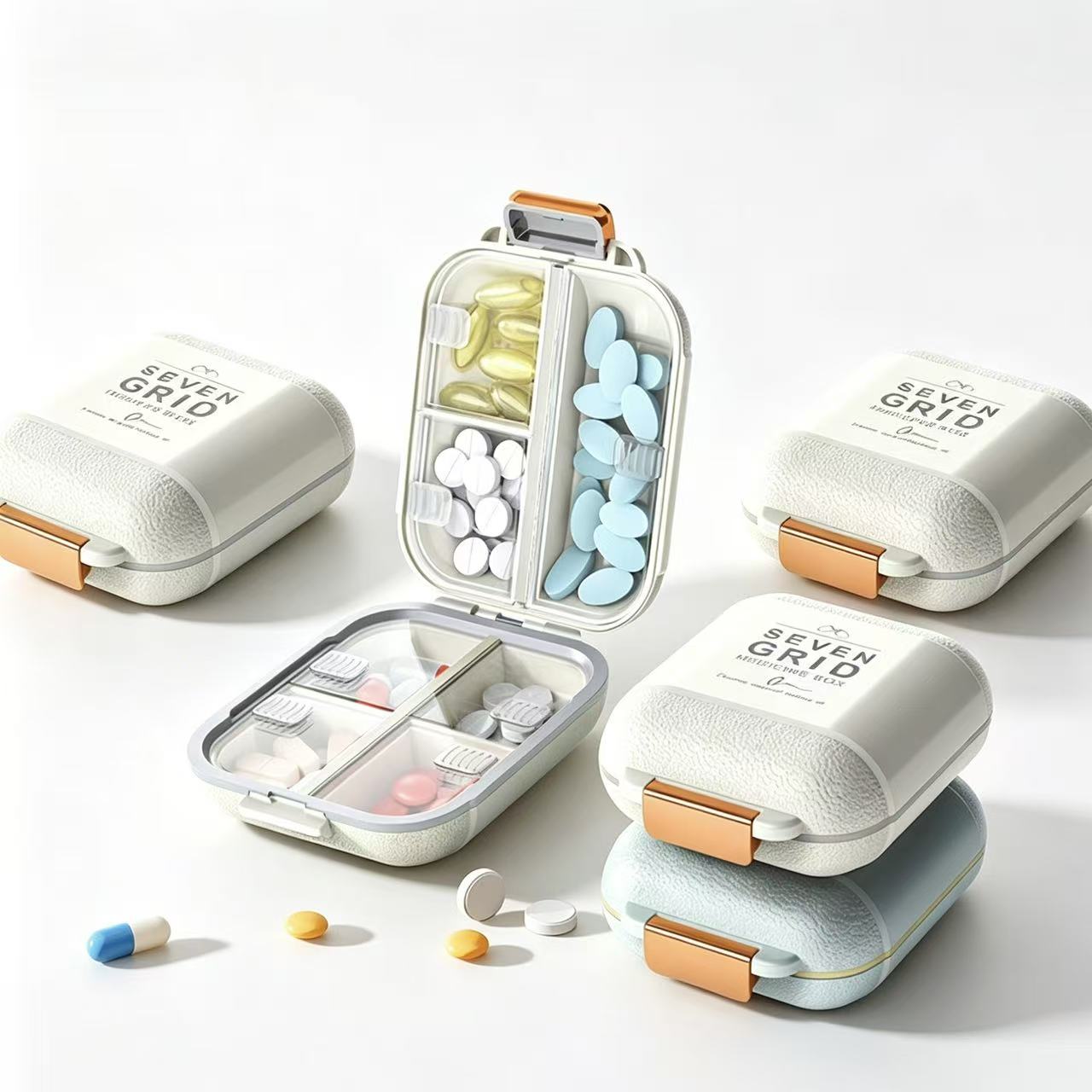
When it comes to managing multiple medications or supplements, the physical tools a person uses can make a profound difference in their daily habits. A well-designed pill container is far more than a simple storage vessel — it serves as a behavioral cue, a safety mechanism, and a compliance tool all at once. Research across healthcare and pharmacy settings consistently shows that patients who use structured, compartmentalized storage systems are significantly more likely to adhere to their prescribed or recommended dosing schedules than those who rely on memory alone.
This is especially relevant for B2B buyers — from pharmacies and healthcare distributors to wellness brands and clinical packaging suppliers — who need to make informed decisions about the pill container formats they source or recommend. Understanding how multi-compartment designs influence real-world user behavior helps purchasing managers, product developers, and healthcare coordinators choose the right packaging solutions for their end users. This article explores the practical mechanisms by which a multi-compartment pill container drives better compliance, reduces dosing errors, and supports long-term medication routines.
The Compliance Problem in Medication Management
Why Users Miss Doses
Medication non-compliance is one of the most persistent challenges in both clinical and consumer healthcare settings. Studies in pharmacy and public health consistently identify forgetfulness as the leading reason patients miss doses, accounting for the majority of reported non-adherence. When a person's daily pill container requires them to remember not only whether they took a dose but also which specific medications were included, the cognitive load becomes a genuine obstacle.
The issue is compounded when users manage multiple medications at different times of day. Without a structured system, it becomes nearly impossible to confirm at a glance whether a morning dose has already been taken. This uncertainty often leads to either skipping a dose out of caution or accidentally doubling up — both of which can have clinical consequences. The design of the pill container a person uses directly mediates how easy or difficult this decision becomes.
For B2B buyers, this creates a real opportunity. When the packaging solution you supply reduces confusion at the point of use, you are adding measurable value beyond the container itself. A thoughtfully structured pill container becomes part of the healthcare outcome, not just a logistics item.
How Physical Design Shapes Behavior
Behavioral design principles suggest that reducing friction in a desired behavior significantly increases the likelihood that the behavior occurs consistently. A multi-compartment pill container reduces friction in two specific ways: it pre-organizes doses so users do not need to count tablets each day, and it provides immediate visual feedback about whether a compartment has already been accessed.
This kind of passive prompting is far more reliable than active reminders like phone alarms or sticky notes, which users habituate to and begin ignoring over time. The pill container itself becomes the reminder — a physical object that is part of the daily routine rather than an external interruption. When a user picks up their pill container and sees that Tuesday's compartment is still full, the action required is obvious and immediate.
From a packaging design standpoint, this means that the number of compartments, the labeling system, the ease of opening, and the clarity of the layout are not aesthetic choices — they are functional compliance features. B2B buyers who understand this can make much stronger product arguments to their clients and downstream customers.
Key Design Features That Drive Compliance
Compartment Count and Time-of-Day Segmentation
The most basic multi-compartment pill container organizes doses by day of the week. However, more advanced formats go further, dividing each day into morning, noon, evening, and bedtime slots. This time-of-day segmentation is particularly valuable for users on complex medication regimens, such as elderly patients managing chronic conditions or individuals following structured supplement protocols.
When a pill container is pre-loaded with the correct pills for each specific time slot, the user's only responsibility is to open the right compartment at the right time. This shift from active cognitive management to passive physical action is one of the most powerful ways that pill container design reduces the risk of missed or duplicated doses. The fewer decisions a user must make at the moment of dosing, the higher the likelihood of correct behavior.
For distributors and healthcare packaging buyers, this means sourcing pill container options that can accommodate the likely complexity of your end user's medication needs. A container with insufficient compartments will fail to deliver the compliance benefit, even if the build quality is excellent.
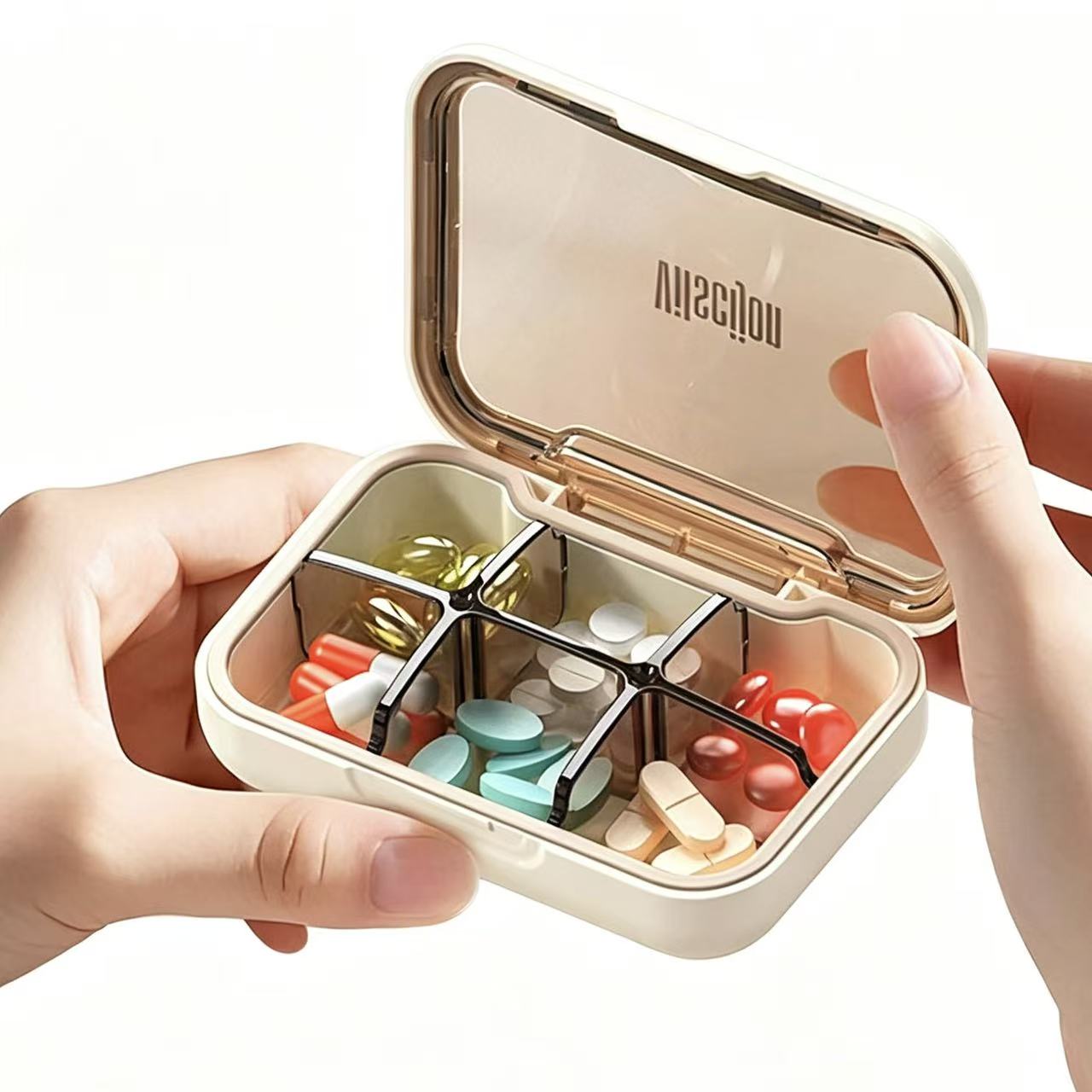
Labeling Clarity and Visual Differentiation
A pill container that clearly labels each compartment with day abbreviations, time icons, or color-coded lids significantly outperforms one that relies on the user to keep track mentally. Visual differentiation between compartments removes the need for interpretation and makes the correct action self-evident. This is especially important for elderly users or those with mild cognitive impairment, where readability and intuitive navigation are critical compliance factors.
Color-coding is particularly effective. When each day of the week or each time-of-day slot is associated with a distinct color, users can quickly confirm their position in the dosing cycle without reading text. A pill container that uses raised tactile markers in addition to color provides an additional accessibility layer for visually impaired users, broadening the compliance benefit across a wider population.
For commercial buyers specifying or sourcing pill container products, these labeling and visual design features should be treated as functional requirements rather than optional enhancements. They directly affect the end user's experience and the likelihood that your product delivers the compliance outcome it promises.
The Role of Material and Build Quality in Daily Use
Durability and Ease of Opening
A pill container that is difficult to open will quickly fall out of regular use, regardless of how well-organized its compartments are. Stiff snap lids, excessively tight screw caps, or fragile hinge mechanisms all create friction at the critical moment of use — and friction, as discussed earlier, is the enemy of habitual compliance. For elderly users or those with arthritis or limited hand strength, this physical barrier can be the difference between consistent dosing and complete abandonment of the system.
HDPE (high-density polyethylene) is widely favored in pharmaceutical and consumer wellness packaging precisely because it strikes an effective balance between structural rigidity and lightweight usability. A pill container made from HDPE resists cracking under repeated daily use, holds its shape across a range of temperatures, and maintains a consistent closure feel over time. These material properties translate directly into a reliable user experience that supports ongoing compliance.
B2B buyers should evaluate pill container options not only on compartment design but also on the material specification and the mechanism of each individual lid or closure. A container that serves its user well for weeks or months without mechanical failure is one that will continue to support the compliance habits it helped establish.
Portability and Lifestyle Fit
A multi-compartment pill container that cannot travel with the user is one that will be left at home on the days it is needed most. Compact formats, secure closures that prevent accidental opening in a bag, and lightweight materials all contribute to the portability of a pill container and therefore to its effectiveness as a compliance tool.
This is particularly relevant for working adults, frequent travelers, and active older adults who move between environments throughout the day. A pill container that fits into a pocket or handbag compartment, closes securely, and does not rattle or leak integrates into daily life without requiring the user to alter their routine. When the container fits the lifestyle, the lifestyle carries the container — and the compliance behavior follows naturally.
For B2B buyers serving wellness brands or pharmacy retail channels, portability features are a strong differentiator that end users actively seek and value. Specifying pill container dimensions and closure types that address the portability need helps position your product offering competitively without relying on price alone.
Multi-Compartment Pill Containers in Healthcare and Wellness Settings
Applications in Pharmacy and Clinical Dispensing
In pharmacy settings, multi-compartment pill container systems are used in blister packaging, adherence packaging, and unit-dose dispensing programs specifically because they have a documented positive effect on patient compliance. Pharmacies that switch from standard single-bottle dispensing to organized multi-dose systems report measurable improvements in refill rates, patient engagement, and clinical outcomes — all of which translate to business value for the pharmacy itself.
For clinical distributors and healthcare packaging buyers, the multi-compartment pill container is therefore not just a product feature — it is a service delivery tool. Prescribing the right packaging format as part of a broader medication management program demonstrates clinical awareness and supports the outcomes that payers, providers, and patients all care about.
When sourcing pill container solutions for clinical or pharmacy clients, buyers should pay attention to the fill compatibility of each compartment — specifically whether common tablet and capsule sizes fit comfortably without jamming or rattling excessively. A well-sized compartment also signals quality and care in product design, reinforcing trust in the brand behind it.
Wellness, Supplement, and Consumer Brand Applications
Outside clinical settings, multi-compartment pill container formats are increasingly popular in the consumer wellness space. Supplement brands, nutraceutical companies, and direct-to-consumer health programs all benefit from the compliance-boosting effect of organized dosing systems. When a consumer wellness product comes with a structured pill container as part of the package, it signals to the customer that the brand has invested in their success, not just their purchase.
This has real commercial implications. Users who consistently take their supplements are more likely to notice the product's effects, report satisfaction, and reorder. A pill container that drives compliance therefore drives repeat business. For wellness brands evaluating their packaging options, the multi-compartment pill container is not a cost — it is a retention mechanism and a differentiator in a crowded market.
For B2B buyers and packaging suppliers working in the wellness sector, this framing helps elevate the conversation from unit cost to customer lifetime value. Positioning the pill container as a brand experience asset rather than a commodity helps justify quality investments and builds longer-term supplier relationships.
Selecting the Right Pill Container for Your Application
Matching Container Format to User Profile
The optimal pill container for any given application depends on the specific user profile and the complexity of the dosing regimen. For elderly users managing multiple chronic conditions, a weekly pill container with four time-of-day compartments per day offers the most structured support. For working adults on a single daily supplement, a simple seven-day pill container with one compartment per day is likely sufficient and more practical to carry.
B2B buyers serving healthcare institutions, pharmacy chains, or wellness brands should consider the end user profile carefully before finalizing a pill container specification. Matching the container's complexity to the actual dosing complexity ensures that the product adds value rather than creating new confusion. An overly segmented container can be as counterproductive as an undersized one if it overwhelms the user.
Volume capacity is another critical variable. A pill container compartment must be large enough to hold the actual number and size of tablets or capsules a user needs at each dosing time. HDPE bottles ranging from 60cc to 250cc offer a practical spectrum of capacity options that can accommodate everything from a single daily capsule to a multi-tablet morning regimen.
Evaluating Closure Systems and Safety Standards
Screw cap closures are a reliable and widely used option for pill container products, offering a secure seal that protects contents from moisture and contamination between uses. For household settings where young children may be present, child-resistant closure standards add an important safety layer without sacrificing usability for the intended adult user.
For clinical or pharmacy-grade applications, buyers should confirm that the pill container meets relevant regulatory or industry standards for pharmaceutical packaging, including material safety certifications and closure performance testing. These compliance credentials are increasingly expected by institutional buyers and are a valuable differentiator in tender and procurement processes.
Ultimately, the most effective pill container is one that the user will actually use consistently — one that fits their routine, accommodates their medications, opens easily, and travels with them through their day. When these functional criteria are met, the multi-compartment design does its work quietly and reliably, supporting the compliance behavior that is the entire point of the system.
FAQ
How does a multi-compartment pill container reduce dosing errors?
A multi-compartment pill container reduces dosing errors by pre-organizing medications into clearly labeled time slots, eliminating the need for the user to count or identify pills at each dosing moment. When a compartment is empty, the user can immediately see that the dose has been taken. When it is full, the action required is clear. This visual feedback loop removes the guesswork that leads to missed or doubled doses, particularly for users managing complex multi-medication regimens.
What materials are best suited for a daily-use pill container?
HDPE (high-density polyethylene) is widely regarded as one of the best materials for a daily-use pill container because it is lightweight, durable, resistant to moisture, and chemically compatible with a wide range of pharmaceutical and supplement ingredients. It maintains structural integrity under daily use and temperature variations, and it can be manufactured with consistent closure performance. For pharmacy-grade applications, HDPE also meets pharmaceutical packaging material standards in most regulatory frameworks.
Can a pill container be used for supplements as well as prescription medications?
Yes, a pill container is suitable for both prescription medications and dietary supplements. The key considerations are compartment size — ensuring each compartment can accommodate the tablets or capsules in the user's regimen — and closure integrity, which protects contents from moisture and contamination. Many consumers and wellness brands use multi-compartment pill container formats specifically for supplement routines, taking advantage of the same compliance-boosting design features that benefit clinical medication management.
What should B2B buyers look for when sourcing pill container products in bulk?
B2B buyers sourcing pill container products at scale should evaluate material specification (particularly HDPE for durability and pharmaceutical compatibility), compartment count and sizing relative to the target user profile, closure mechanism reliability, labeling and visual differentiation features, and any relevant compliance certifications. Portability, child-resistance options, and minimum order quantities are also practical factors. Beyond unit cost, buyers should assess how the pill container's design serves the end user's compliance needs, since product performance directly affects customer satisfaction and repeat business.