
 EN
EN
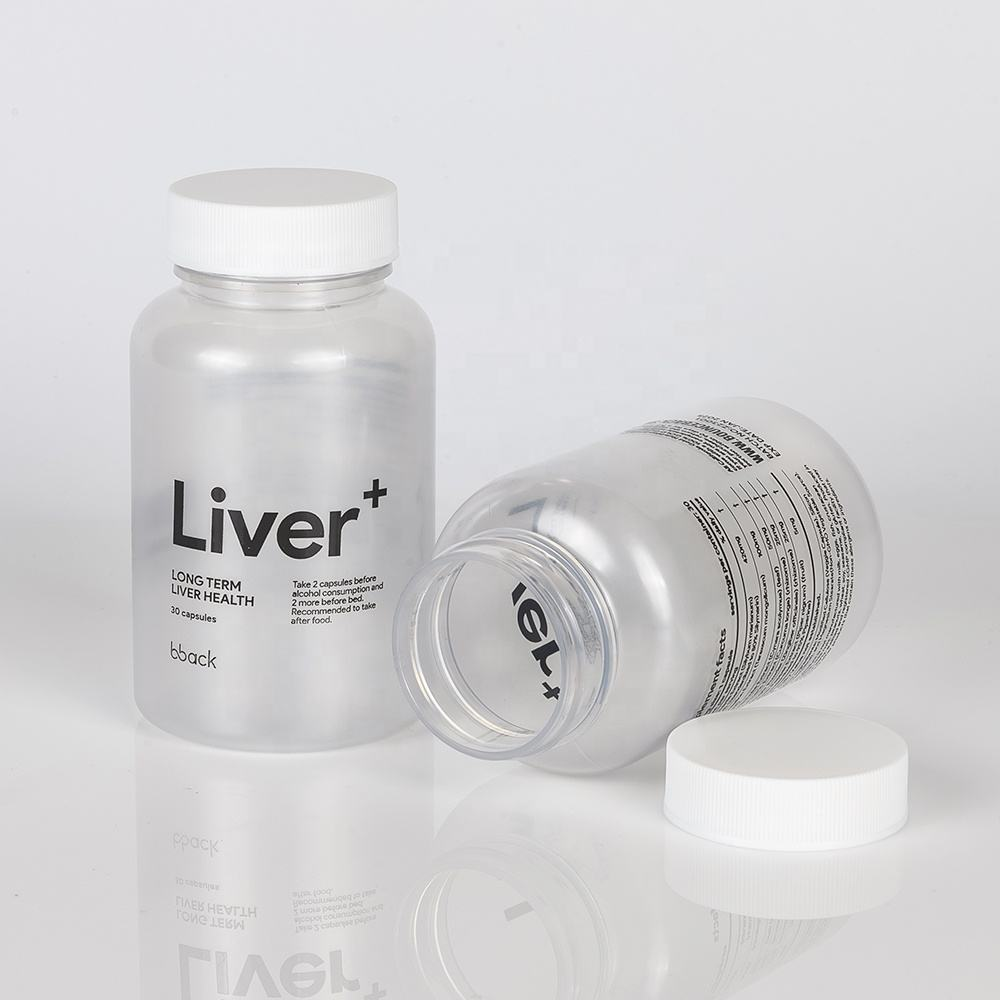
When it comes to storing oil-based supplements, the packaging you choose has a direct and measurable impact on product quality, potency, and shelf life. A standard vitamin bottle may seem sufficient at first glance, but oils are among the most light-sensitive substances used in the nutraceutical and supplement industry. Exposure to ultraviolet radiation triggers oxidation, accelerates rancidity, and can degrade the very nutrients you are paying for. Choosing the right vitamin bottle is not merely an aesthetic decision — it is a fundamental quality-control choice.
This article explores why UV-protective design is one of the most important features to look for in a vitamin bottle intended to house oil-based formulations. Whether you are a supplement brand manager, a contract packager, or a retailer evaluating product storage standards, understanding the science and practical reasoning behind UV-protective vitamin bottle selection will help you make more informed, defensible decisions for your product line.
The Science Behind UV Damage to Oil-Based Supplements
How UV Light Breaks Down Oils
Ultraviolet light carries enough energy to break chemical bonds within unsaturated fatty acids, which are the primary structural components of most nutritional oils. This process, known as photo-oxidation, generates free radicals that react with oxygen and further degrade the oil. The result is a cascading breakdown that cannot be reversed once initiated.
Common oil-based supplements such as fish oil, flaxseed oil, vitamin E oil, and CBD oil are all highly susceptible to UV-induced degradation. Even indirect sunlight filtering through a window can be enough to initiate this process over time. A high-quality vitamin bottle with UV-blocking properties acts as a physical barrier that prevents these destructive photon interactions from ever reaching the product inside.
From a chemical standpoint, the deterioration triggered by UV exposure leads to the formation of peroxides and aldehydes — compounds that not only reduce therapeutic value but may introduce undesirable flavors and odors. In a competitive supplement market, product consistency is non-negotiable, making UV-protective packaging a strategic investment rather than a luxury.
Why Oils Are More Vulnerable Than Dry Supplements
Dry powder supplements and tablets are generally more stable under light exposure because their chemical structures are less reactive in solid form. Oils, by contrast, contain mobile unsaturated molecules that interact rapidly with light energy, especially when combined with ambient heat or oxygen. This is why the vitamin bottle format matters so much more for oil-based products than for their powdered counterparts.
Omega-3 fatty acids, for example, are among the most nutritionally valuable components in fish oil — but they are also among the first to degrade under UV exposure. A vitamin bottle that fails to block UV rays can reduce omega-3 potency significantly within weeks of retail shelf display. For brands that tout the bioavailability and purity of their formulations, this kind of silent degradation represents a serious threat to customer satisfaction and brand reputation.
Additionally, fat-soluble vitamins such as vitamin A, D, E, and K — frequently delivered in oil suspension — are photosensitive by nature. These vitamins have known instability profiles under light exposure, which is precisely why pharmaceutical-grade packaging standards have long emphasized dark or UV-blocking containers. Applying the same logic to consumer supplement packaging is not overcautious — it is scientifically sound.
Key Reasons to Choose a UV-Protective Vitamin Bottle for Oils
Preserving Nutritional Potency from Shelf to Consumer
A supplement's value is entirely dependent on the bioactive content it delivers at the point of consumption. If a vitamin bottle allows UV light to interact with the contents during distribution, retail display, or home storage, the consumer is not receiving the product they purchased. This gap between labeled potency and actual potency is a compliance risk as well as an ethical one.
Choosing a UV-protective vitamin bottle ensures that the product inside retains its intended formulation integrity throughout its stated shelf life. This matters for both standard softgel oil capsules and liquid oil formats, where direct UV exposure is even more problematic. Brands that invest in UV-blocking packaging can legitimately stand behind their potency claims with greater confidence.
Retailers also benefit from stocking products in UV-protective vitamin bottle formats because it reduces the likelihood of quality complaints, returns, or shelf pull-backs due to rancidity or discoloration. The packaging becomes a silent quality guarantor that protects every party in the supply chain.
Extending Shelf Life Without Additives
Many supplement brands face pressure to minimize artificial preservatives in their formulations. Consumers increasingly demand clean-label products with shorter, more recognizable ingredient lists. UV-protective vitamin bottle packaging offers a way to extend product stability without relying on synthetic antioxidants or chemical stabilizers that may conflict with brand positioning.
By physically blocking the UV wavelengths most responsible for oxidation, a well-designed vitamin bottle can meaningfully extend shelf life under real-world storage conditions. This is especially valuable for premium oil-based products where the formulation itself is a selling point and cannot be compromised by aggressive preservation chemistry.
A UV-protective vitamin bottle essentially does the preservation work passively — no additional ingredients, no processing changes, no consumer-facing complexity. For brands looking to align packaging decisions with clean-label commitments, UV protection is one of the most practical tools available.
Material and Design Factors in UV-Protective Vitamin Bottle Selection
Understanding UV-Blocking Materials
Not all opaque-looking containers offer meaningful UV protection. The actual UV-blocking capability of a vitamin bottle depends on the specific polymer formulation used, the pigmentation or additive package incorporated, and the wall thickness of the container. A bottle that appears solid may still transmit UV wavelengths that cause photodegradation.
PET (polyethylene terephthalate) vitamin bottle formats are among the most widely used in the supplement industry, and they can be formulated with UV-absorbing additives that block harmful wavelengths without compromising the container's aesthetic. Amber-colored PET, for instance, offers excellent UV protection and is a well-recognized standard in both pharmaceutical and nutraceutical packaging. The vitamin bottle solutions available today increasingly combine UV protection with premium aesthetics, making it easier for brands to deliver both functionality and shelf appeal.
HDPE is another material commonly used in vitamin bottle construction. While naturally more opaque, HDPE containers can also be enhanced with UV stabilizers. The choice between PET and HDPE will often depend on secondary factors like clarity preferences, chemical compatibility with the oil formulation, and closure system requirements.
The Role of Closure Design and Seal Integrity
A UV-protective vitamin bottle is only as effective as its complete sealing system. Even the best UV-blocking container loses its protective advantage if the cap-to-neck interface allows light ingress or oxygen transmission. For oil-based products, both are serious concerns that need to be addressed at the design stage.
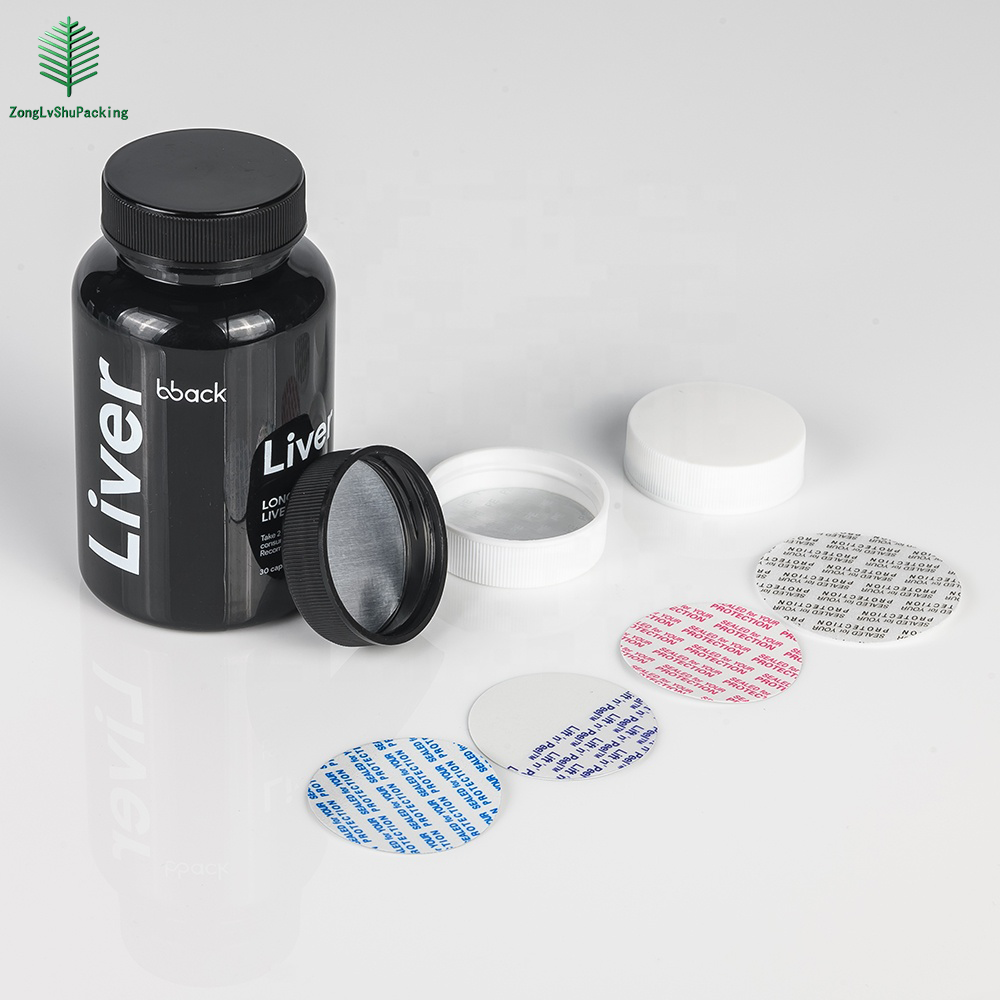
Screw-cap closures with induction liners or inner seals provide a high level of protection against both light and oxygen exposure at the bottle neck — the most vulnerable interface on any vitamin bottle. Child-resistant closures that incorporate a tamper-evident feature further reinforce the package integrity that UV-protective formatting is designed to deliver.
When evaluating a vitamin bottle for oil-based supplements, the closure system should be treated as an integrated part of the UV and oxidation protection strategy — not a secondary feature. Brands that invest in premium UV-blocking containers but pair them with inadequate closures are leaving a significant vulnerability unaddressed.
Business and Branding Implications of UV-Protective Packaging
Consumer Trust and Label Claims
Sophisticated supplement consumers are increasingly aware of packaging science. When a vitamin bottle prominently communicates UV-protective features — through color, material transparency statements, or on-label claims — it signals quality and attention to detail that builds consumer confidence. This is particularly true in premium and specialty oil product categories where informed buyers are the norm.
UV-protective packaging also supports the credibility of purity and potency claims printed on the label. A brand stating that its fish oil is free from oxidation markers or that its vitamin D oil meets a guaranteed potency through expiry is making a claim that is much easier to substantiate when the vitamin bottle itself is designed to prevent degradation pathways. The packaging becomes part of the product story.
This alignment between packaging choice and label claim strengthens regulatory defensibility as well. Regulatory bodies expect that supplement packaging decisions account for known stability risks, and a UV-protective vitamin bottle is a demonstrable effort to meet that standard for photosensitive oil-based formulations.
Differentiation in a Competitive Market
In a crowded supplement market, packaging differentiation is a real and underutilized competitive lever. A premium vitamin bottle with visible UV-protective design cues — such as amber coloring, gold-plated accents, or opaque walls — communicates quality before the consumer reads a single word of copy. This visual shorthand helps products stand out on physical shelves and in digital product photography.
Brands that operate in the premium oil supplement segment, including specialty omega blends, botanical oil extracts, and functional oil-based serums, benefit especially from elevated vitamin bottle aesthetics. A packaging format that combines UV protection with premium visual identity signals confidence in both the product and the brand behind it.
Investing in a UV-protective vitamin bottle is not simply a technical decision — it is a brand architecture decision. The container you choose communicates values, commitment to quality, and respect for the consumer's investment. In markets where trust drives purchasing decisions, that communication carries real commercial weight.
FAQ
Does any vitamin bottle provide UV protection, or do I need a specific type?
Not every vitamin bottle provides meaningful UV protection. Clear or standard-colored containers typically allow UV light to pass through freely. To achieve effective UV blocking, you need a vitamin bottle made with UV-absorbing materials, additives, or pigmentation — such as amber PET, UV-stabilized HDPE, or opaque containers with verified UV-blocking properties. Always verify UV protection specifications with the packaging supplier when sourcing for oil-based products.
Can I use a UV-protective vitamin bottle for all types of oil supplements?
Yes, a UV-protective vitamin bottle is appropriate for virtually any oil-based supplement, including fish oil, flaxseed oil, CBD oil, vitamin D3 in oil, and botanical extracts in oil suspension. All of these formulations contain photosensitive components that benefit from reduced UV exposure. The specific container material and closure system should be selected based on the chemical compatibility of the oil formulation to ensure no interaction between the oil and the packaging material occurs.
How does UV protection in a vitamin bottle differ from dark storage practices?
Dark storage practices — such as keeping products in cabinets or away from windows — reduce UV exposure during use but do not protect products during retail display, transit, or when left on countertops. A UV-protective vitamin bottle provides continuous, automatic protection regardless of how or where it is stored. It is a passive and reliable safeguard that does not depend on consumer behavior, making it a more robust solution than relying solely on storage guidance.
Is a UV-protective vitamin bottle more expensive, and is the cost justified?
UV-protective vitamin bottle formats may carry a modest cost premium over standard clear containers, but the cost is typically well justified. Prevented product degradation, reduced returns, stronger label claim credibility, and enhanced consumer trust all represent measurable returns on that packaging investment. For premium or specialty oil-based supplements where the formulation itself is a core brand differentiator, the cost of degraded product quality far outweighs the incremental packaging cost of UV protection.
Table of Contents
- The Science Behind UV Damage to Oil-Based Supplements
- Key Reasons to Choose a UV-Protective Vitamin Bottle for Oils
- Material and Design Factors in UV-Protective Vitamin Bottle Selection
- Business and Branding Implications of UV-Protective Packaging
-
FAQ
- Does any vitamin bottle provide UV protection, or do I need a specific type?
- Can I use a UV-protective vitamin bottle for all types of oil supplements?
- How does UV protection in a vitamin bottle differ from dark storage practices?
- Is a UV-protective vitamin bottle more expensive, and is the cost justified?