Premium Bottle of Pill Solutions - Pharmaceutical Packaging for Safety and Compliance

All Categories

Get a Free Quote

Our representative will contact you soon.
Email
Mobile/WhatsApp
Name
Company Name
Message
0/1000

bottle of pill

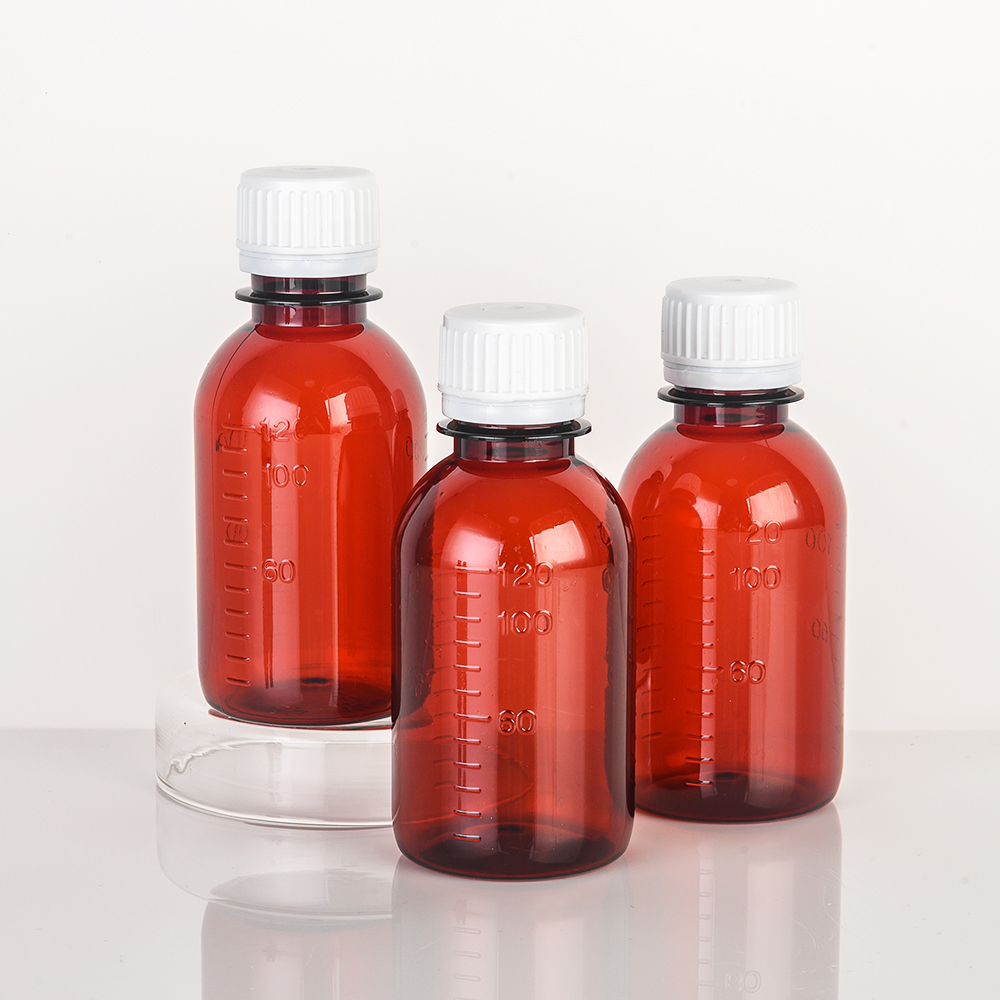
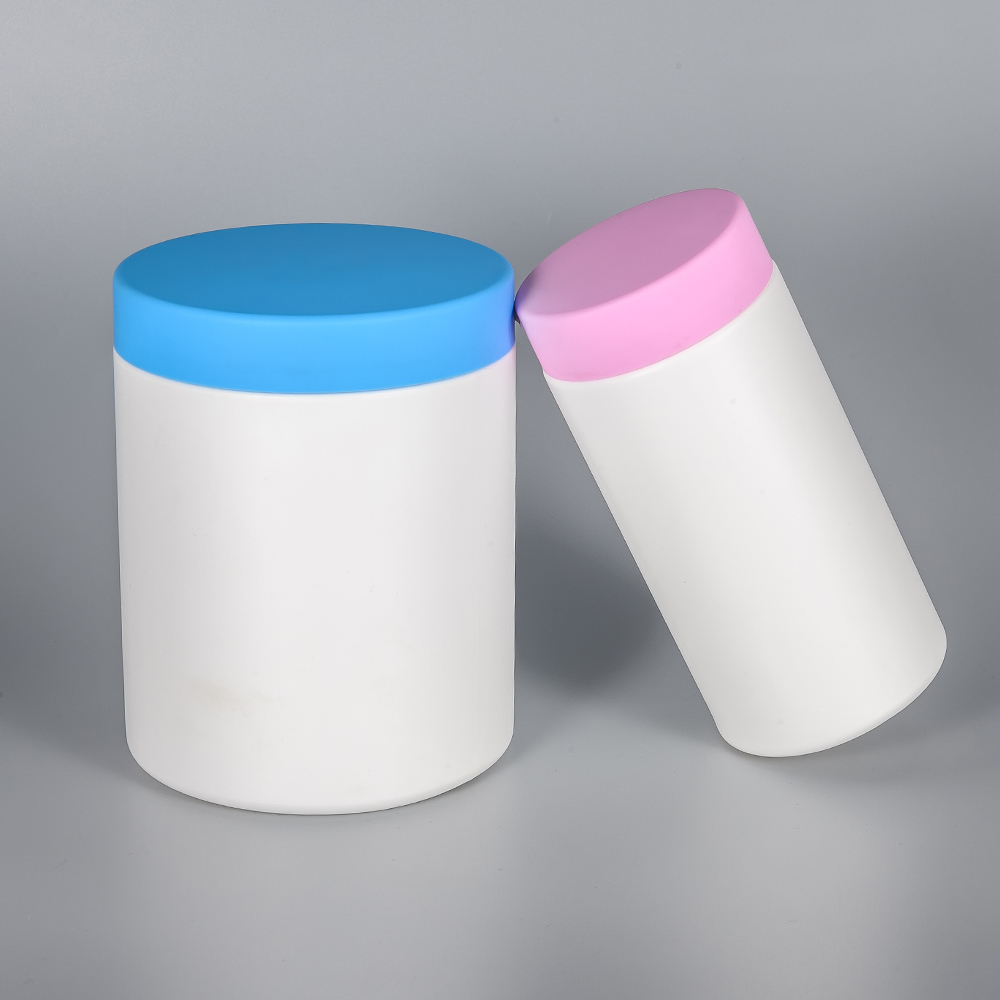
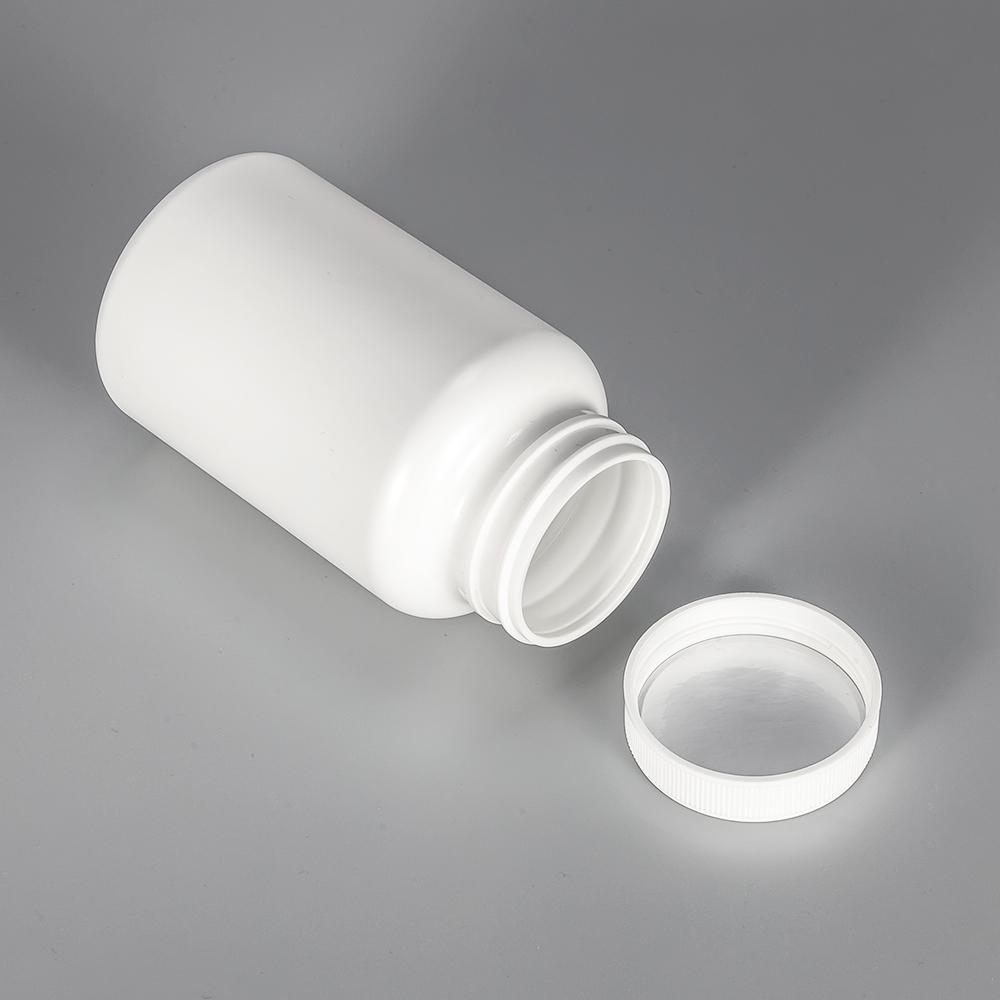
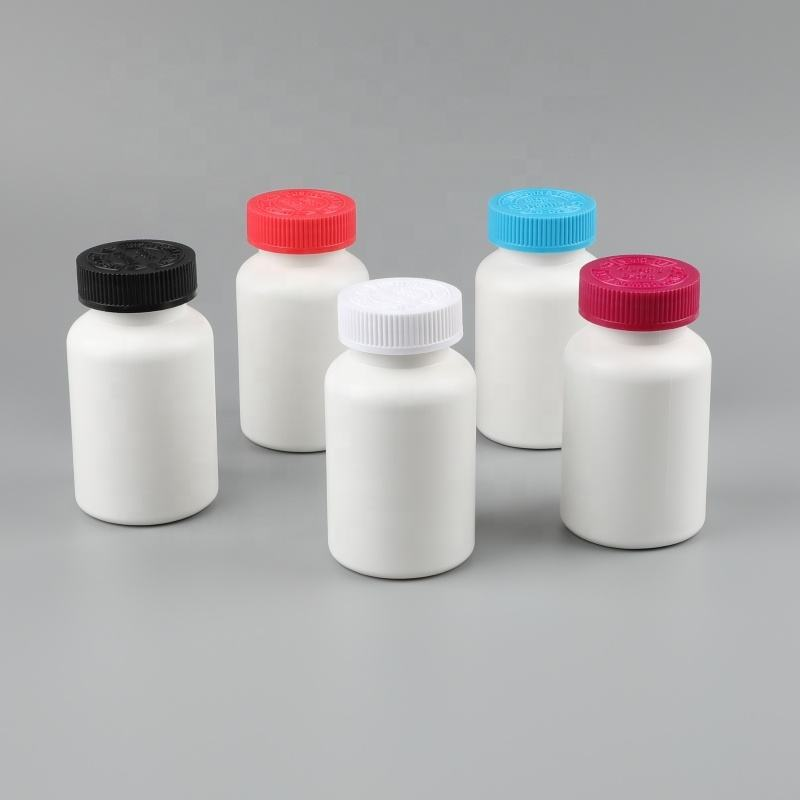
A bottle of pill represents an essential pharmaceutical packaging solution designed to safely store, preserve, and dispense various types of medications, supplements, and vitamins. This specialized container serves as the primary interface between healthcare products and consumers, playing a critical role in maintaining medication efficacy and ensuring patient safety. The bottle of pill comes in various materials including high-density polyethylene, polypropylene, amber glass, and child-resistant plastics, each offering distinct protective properties against environmental factors such as moisture, light, and oxygen exposure. Modern bottle of pill designs incorporate advanced sealing mechanisms, tamper-evident features, and precise labeling areas to communicate vital information including dosage instructions, expiration dates, and active ingredients. The pharmaceutical industry relies heavily on these containers to meet stringent regulatory standards set by organizations like the FDA and WHO, ensuring that medications reach consumers in optimal condition. A typical bottle of pill features a threaded neck finish that accommodates various closure types, from simple screw caps to sophisticated child-resistant closures that prevent accidental ingestion by children while remaining accessible to adults. The capacity of a bottle of pill ranges from small 15cc containers for travel-size supplements to large 500cc bottles for long-term medication storage. Manufacturing processes employ blow molding, injection molding, or glass forming techniques to create bottles with consistent wall thickness, structural integrity, and precise dimensional tolerances. The bottle of pill also serves marketing functions, with customizable shapes, colors, and labeling options that help pharmaceutical companies differentiate their products while maintaining compliance with healthcare packaging regulations and enhancing brand recognition in competitive markets.

Popular Products

The bottle of pill delivers numerous practical benefits that directly impact consumer safety, medication effectiveness, and overall healthcare management. First and foremost, these containers provide superior protection against environmental degradation, with specialized materials blocking harmful UV rays that can break down sensitive pharmaceutical compounds, while moisture barriers prevent humidity from compromising pill integrity and potency. The secure closure systems featured on every bottle of pill ensure that medications remain uncontaminated throughout their shelf life, protecting against airborne bacteria, dust particles, and other external pollutants that could render treatments ineffective or dangerous. Consumers benefit from the convenience and portability that a bottle of pill offers, allowing them to safely transport medications during travel, store prescriptions in medicine cabinets, and maintain organized healthcare routines without worrying about damage or spillage. The child-resistant features integrated into most bottle of pill designs provide peace of mind for parents and caregivers, significantly reducing the risk of accidental poisoning incidents while still allowing authorized adults to access medications quickly when needed. These containers also support proper medication adherence through clear labeling surfaces that display critical information in readable formats, helping patients follow prescribed regimens accurately and avoid potentially dangerous dosing errors. From a cost perspective, the bottle of pill represents an economical packaging solution that combines durability with affordability, reducing replacement costs and minimizing waste compared to alternative packaging methods. The standardized sizing and threading of these containers enables compatibility with various dispensing systems used in pharmacies, hospitals, and home healthcare settings, streamlining the distribution process and reducing logistical complications. Healthcare providers appreciate how the bottle of pill facilitates accurate inventory management through batch coding and tracking capabilities, ensuring quality control and enabling rapid recalls if safety concerns arise. Environmental considerations have also improved, with many manufacturers now producing recyclable bottle of pill options that reduce ecological impact while maintaining the protective properties essential for pharmaceutical applications. The versatility of these containers extends beyond prescription medications to include over-the-counter supplements, vitamins, and herbal remedies, providing consistent packaging standards across the entire spectrum of oral healthcare products and building consumer trust through familiar, reliable presentation.

Tips And Tricks

Our advantage

10

Mar

Our advantage

View More
TAIZHOU ZONG LV SHU PACKING CO., LTD

17

Mar

TAIZHOU ZONG LV SHU PACKING CO., LTD

View More

Get a Free Quote

Our representative will contact you soon.
Email
Mobile/WhatsApp
Name
Company Name
Message
0/1000

bottle of pill

Advanced Material Technology for Maximum Medication Protection

Advanced Material Technology for Maximum Medication Protection

The bottle of pill utilizes cutting-edge material science to deliver unparalleled protection for pharmaceutical contents, ensuring that medications maintain their therapeutic effectiveness from manufacturing through consumption. High-density polyethylene (HDPE) represents one of the most popular materials for producing a bottle of pill, offering exceptional resistance to chemical interactions that could compromise medication stability while providing impact resistance that prevents breakage during shipping and handling. This polymer creates an effective moisture barrier, particularly crucial for medications that degrade when exposed to humidity, such as effervescent tablets or moisture-sensitive antibiotics. Amber-colored variations of the bottle of pill incorporate UV-blocking pigments directly into the plastic matrix, filtering out light wavelengths between 290 and 450 nanometers that are known to accelerate photodegradation of light-sensitive compounds including certain antibiotics, vitamins, and hormone treatments. Glass options for a bottle of pill provide the ultimate chemical inertness, eliminating any possibility of leaching or interaction between container and contents, which proves essential for highly reactive medications or long-term storage applications exceeding two years. The molecular structure of materials used in a bottle of pill undergoes rigorous testing to ensure compliance with USP Class VI standards for biological reactivity, confirming that no harmful substances migrate from the packaging into the medication. Advanced coextruded bottle of pill designs layer multiple materials to combine benefits, such as an inner HDPE layer for chemical resistance surrounded by an outer barrier layer that blocks oxygen transmission, critical for preventing oxidation of sensitive formulations. Manufacturers employ sophisticated quality control measures including spectroscopy and chromatography to verify that each batch of bottle of pill material meets pharmaceutical-grade specifications before production begins. The thermal stability of materials used in a bottle of pill allows these containers to withstand temperature fluctuations during storage and transportation without warping, cracking, or compromising seal integrity, maintaining protection whether medications travel through hot warehouses or cold distribution chains. This technological sophistication in material selection transforms the simple bottle of pill into a scientifically engineered protective system that extends medication shelf life, reduces waste from spoiled products, and ultimately delivers better health outcomes by ensuring patients receive medications at full potency.
Innovative Closure Systems Balancing Safety and Accessibility

Innovative Closure Systems Balancing Safety and Accessibility

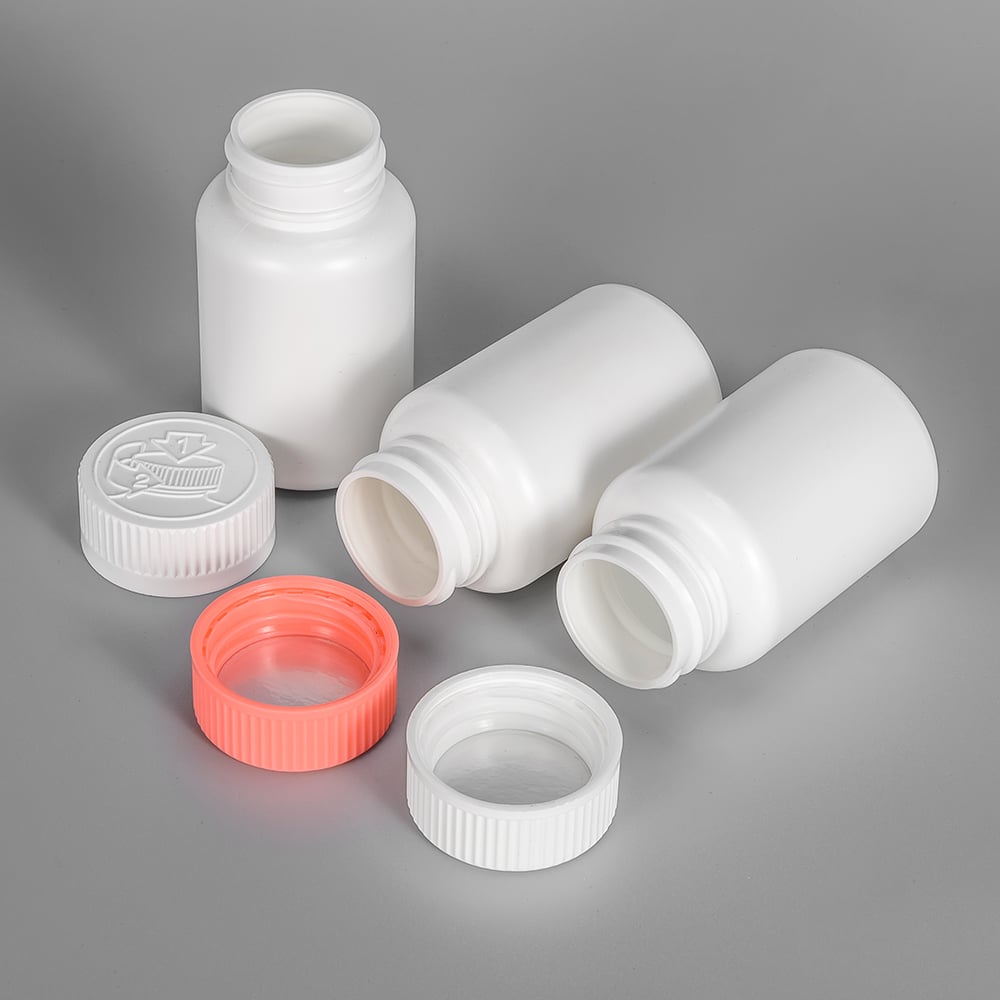
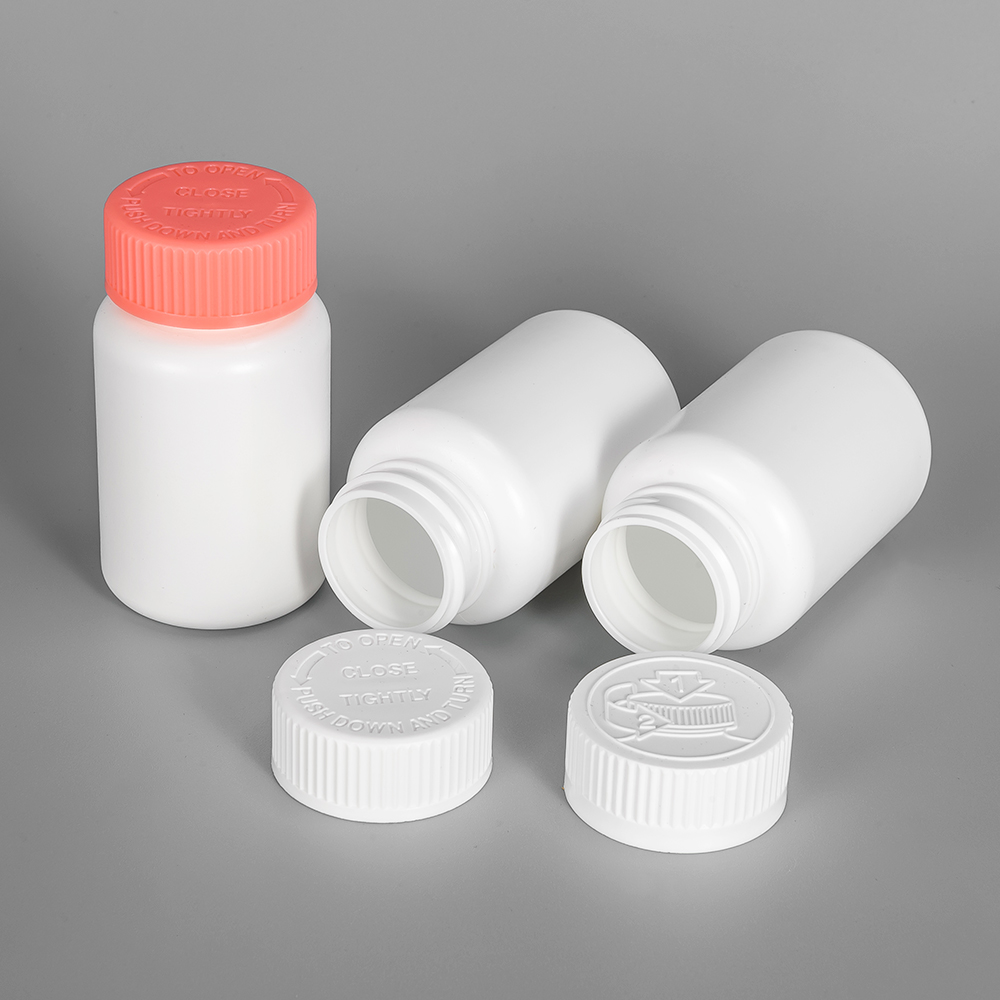
The closure mechanism on a bottle of pill represents a critical engineering achievement that must simultaneously prevent unauthorized access by children while remaining easily operable for elderly patients, individuals with arthritis, and others with limited dexterity. Child-resistant closures on a bottle of pill typically employ push-and-turn mechanisms that require users to apply downward pressure while rotating the cap, a coordinated motor skill that young children under five years old typically cannot perform, thereby preventing an estimated thousands of accidental poisoning incidents annually according to safety statistics. Continuous thread closures provide the most common sealing method for a bottle of pill, featuring helical threads molded into both the bottle neck and cap interior that create a tight seal through multiple rotations, with precision manufacturing ensuring consistent engagement that prevents cross-threading or incomplete sealing. Snap-cap designs offer an alternative closure style for a bottle of pill, particularly suited for supplements and non-prescription products where child resistance may not be mandated, providing quick access through a simple press-fit mechanism that still maintains adequate seal integrity for moisture protection. Tamper-evident features integrated into bottle of pill closures include breakaway bands that visibly separate from the cap upon first opening, perforation rings that leave obvious evidence of tampering, and induction seals that bond to the bottle rim through electromagnetic heating, providing consumers with confidence that their medications have not been compromised before purchase. The torque requirements for opening a bottle of pill undergo careful calibration during manufacturing, typically ranging from 2 to 7 inch-pounds for child-resistant closures, balancing security against accessibility to ensure compliance with both CPSC regulations for child resistance and ADA considerations for individuals with disabilities. Senior-friendly variations of the bottle of pill feature larger diameter caps that provide better grip surface area, textured surfaces that prevent slipping during operation, and alternative non-child-resistant options clearly marked for households without young children. Linerless closure technology represents an innovation in bottle of pill design, eliminating the separate liner component while maintaining seal integrity through precisely molded sealing surfaces, reducing manufacturing complexity and eliminating a potential failure point. The thread design on a bottle of pill follows industry standards including 20-400, 28-400, and 33-400 designations that indicate neck diameter and thread style, ensuring universal compatibility with caps from different manufacturers and facilitating pharmacy operations.
Comprehensive Labeling Solutions Enhancing Patient Safety and Compliance

Comprehensive Labeling Solutions Enhancing Patient Safety and Compliance

The exterior surface of a bottle of pill serves as a critical information delivery platform that communicates essential medical data, usage instructions, and safety warnings directly to patients and caregivers at the point of use. Pharmaceutical labeling on a bottle of pill must comply with stringent FDA regulations requiring specific information hierarchy, minimum font sizes for critical warnings, and standardized formatting for active ingredient listings, ensuring consistent presentation across all medications regardless of manufacturer. High-quality pressure-sensitive labels applied to a bottle of pill utilize medical-grade adhesives that maintain permanent bonding across temperature ranges from refrigeration to room temperature storage, preventing label detachment that could result in dangerous identification errors or dosing mistakes. The cylindrical geometry of most bottle of pill designs provides substantial labeling area, typically accommodating primary labels spanning 180 to 270 degrees of circumference plus auxiliary labels for multilingual instructions, pharmacy prescription information, and supplementary warnings. Variable data printing technology enables customization of each individual bottle of pill during pharmacy dispensing, adding patient names, prescribing physician information, fill dates, and specific dosing schedules that personalize medication management and reduce confusion when patients manage multiple prescriptions. Barcode integration on bottle of pill labels facilitates automated inventory tracking, enables point-of-sale scanning for efficient pharmacy operations, and supports emerging smart home healthcare systems that can automatically reorder medications when supplies run low. Color-coding schemes applied to bottle of pill labels help patients quickly distinguish between different medications, with some healthcare systems implementing standardized color associations for medication categories such as heart medications, diabetes treatments, or pain management prescriptions. Scratch-off labels on a bottle of pill protect sensitive information like online account access codes for prescription management portals while extended-content labels feature multiple panels that fold out to provide comprehensive drug information, potential side effects, and interaction warnings without requiring separate package inserts that patients might discard or lose. Braille embossing and large-print options make bottle of pill labeling accessible to visually impaired patients, while pictographic instructions supplement text-based directions for patients with limited literacy or non-native language speakers. The label durability on a bottle of pill must withstand repeated handling, exposure to oils from skin contact, and potential moisture from bathroom storage environments without smudging, fading, or peeling, maintaining legibility throughout the medication's usable life and ensuring critical safety information remains always accessible to users.

Get a Free Quote

Our representative will contact you soon.
Email
Mobile/WhatsApp
Name
Company Name
Message
0/1000