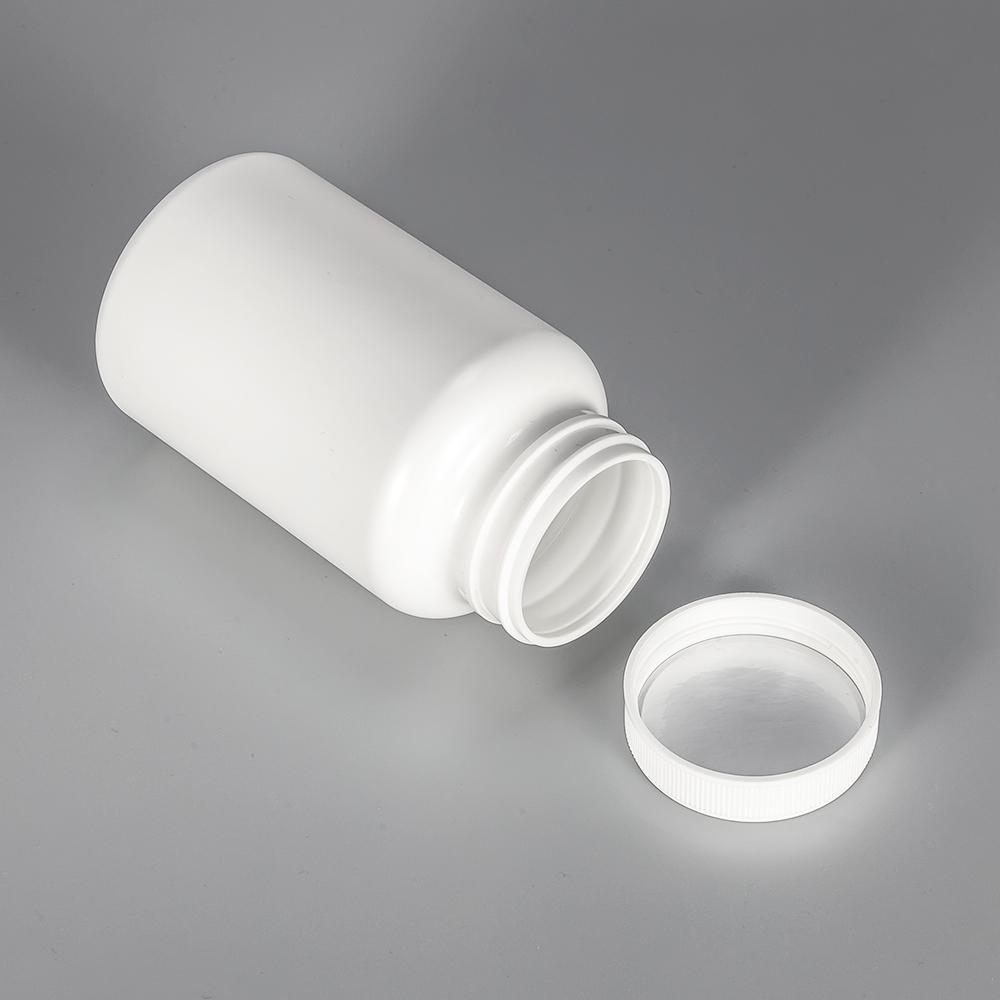
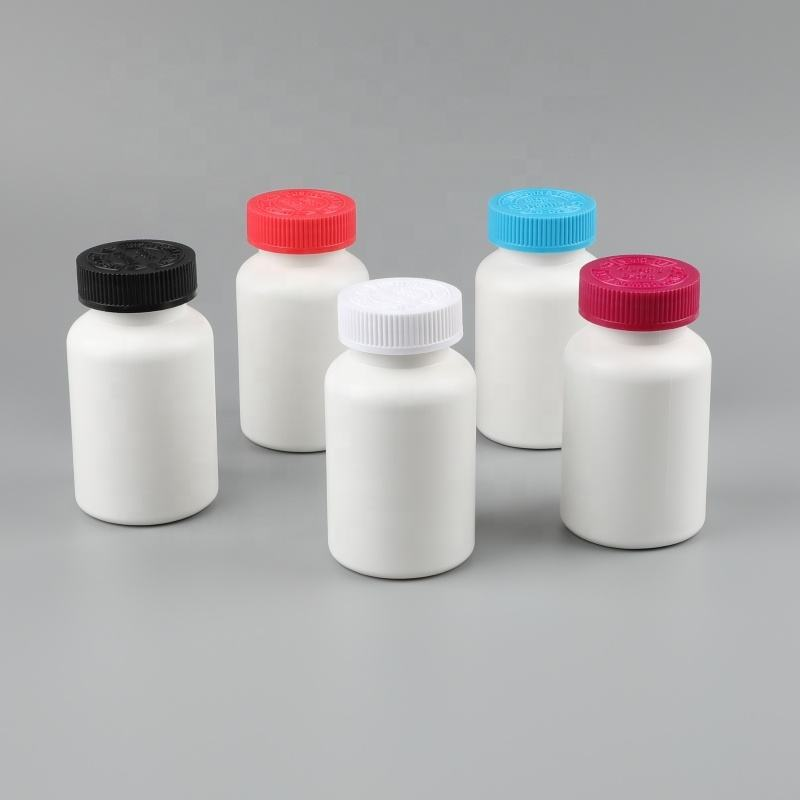
bottle of pill
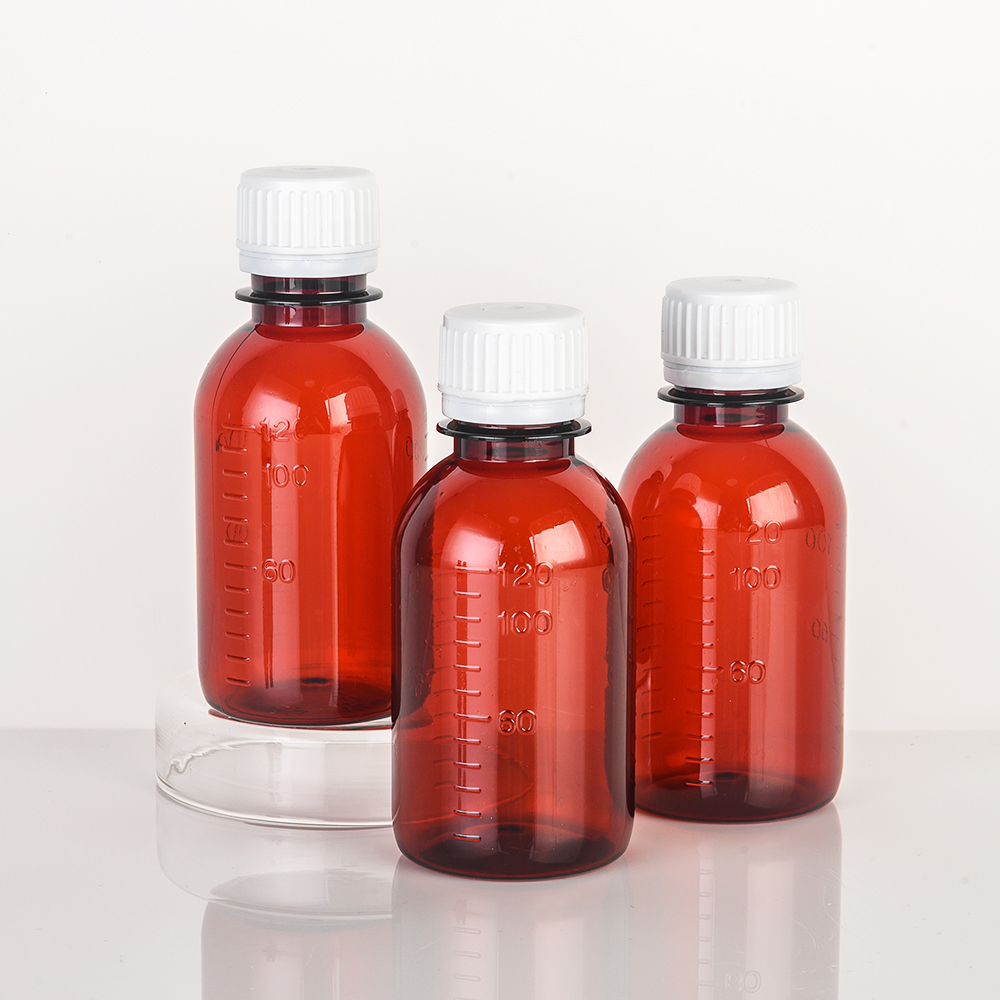
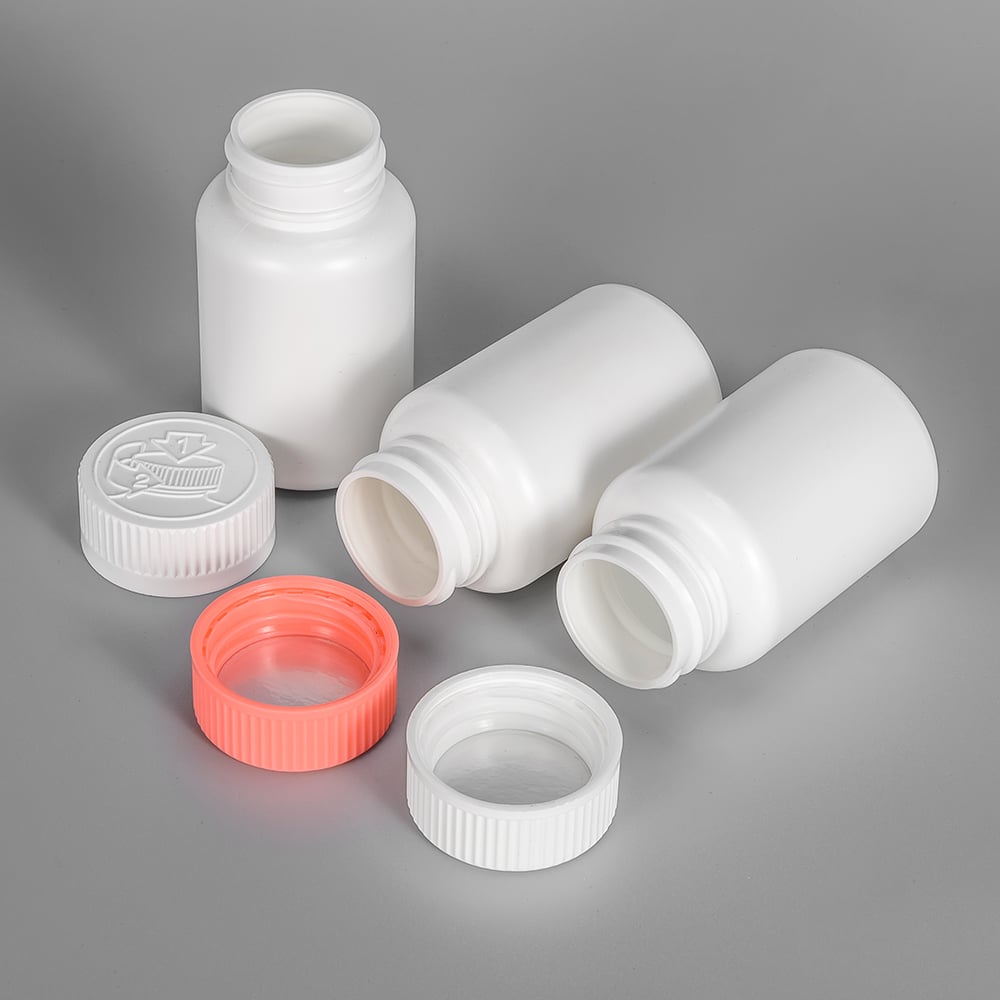
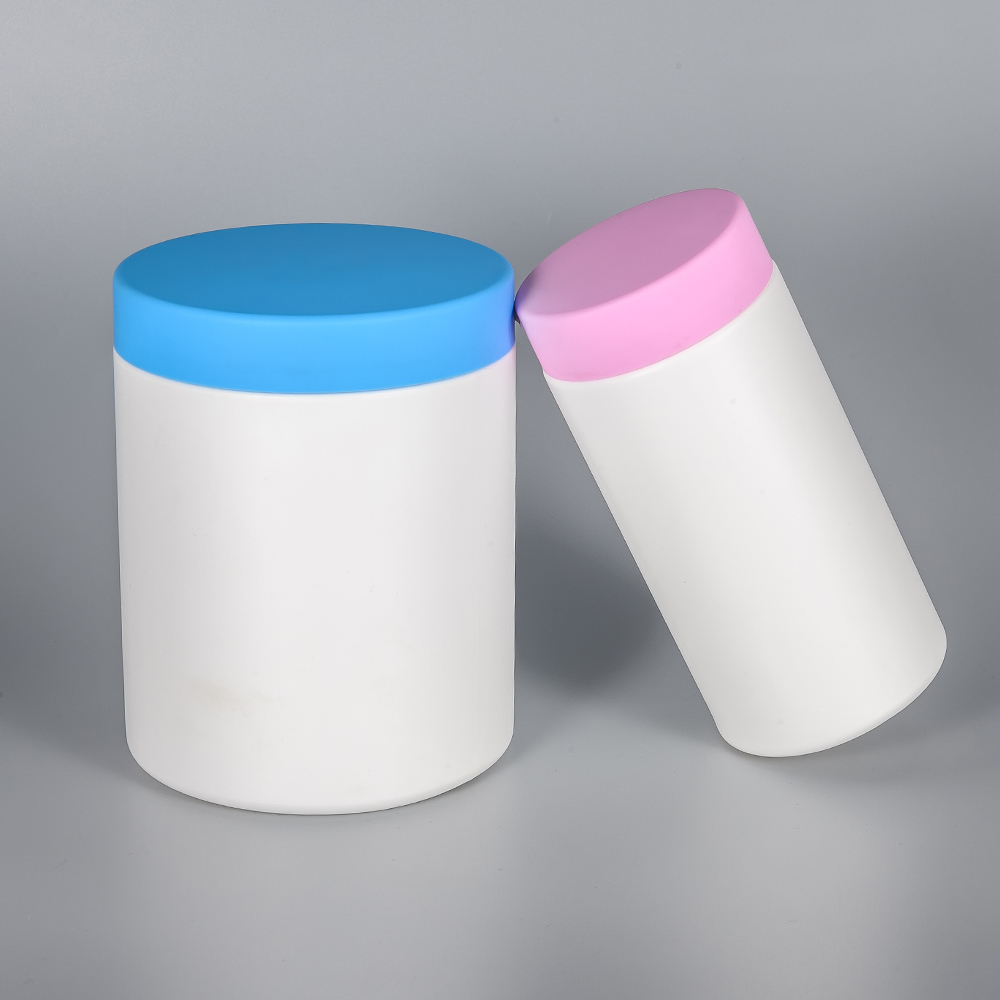
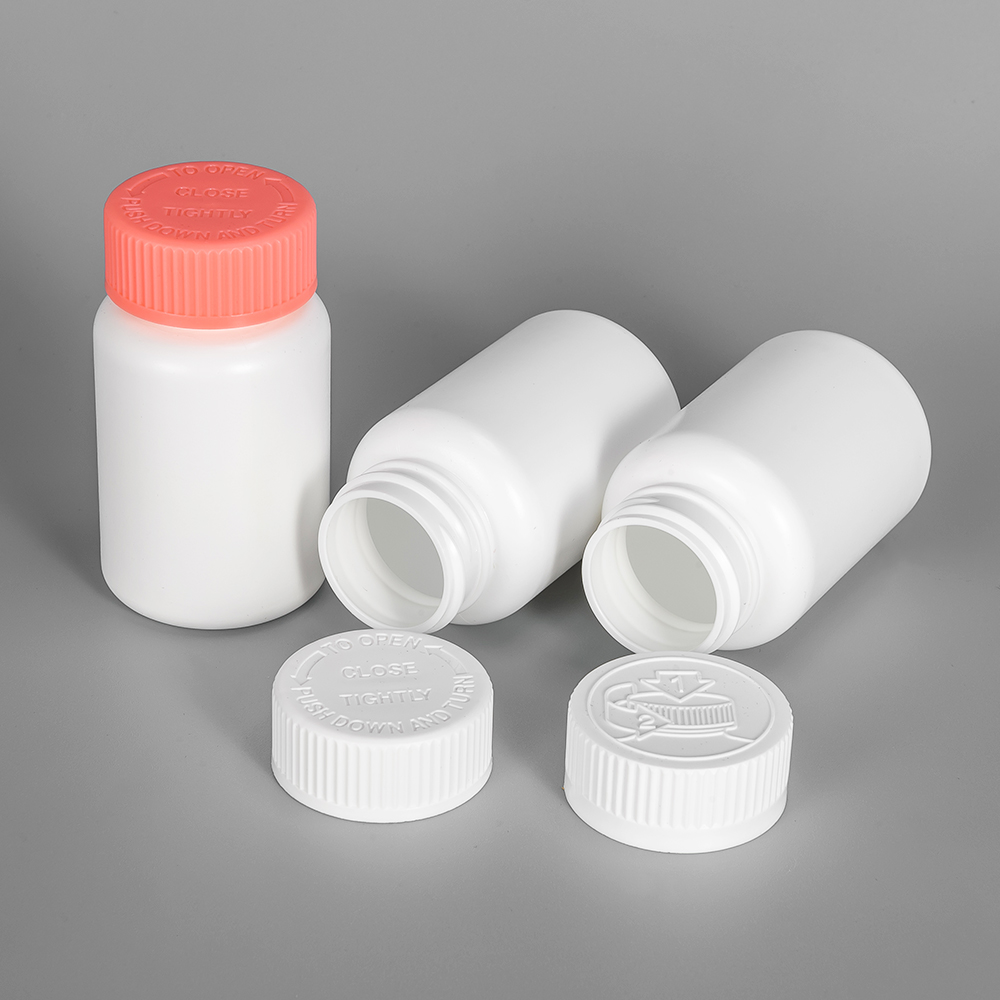
A bottle of pill represents a fundamental pharmaceutical packaging solution designed to safely store and dispense medication for patients worldwide. The bottle of pill serves as an essential container that protects medications from environmental factors such as moisture, light, and air exposure, ensuring drug efficacy and safety throughout the product's shelf life. Modern bottles of pill incorporate advanced manufacturing technologies, including child-resistant caps and tamper-evident seals, which provide critical security features for household medication storage. The bottle of pill typically features clear labeling areas where patients can easily identify their medication, dosage instructions, and expiration dates. These containers come in various sizes, from small 30-count bottles to larger 90-count formats, accommodating different prescription lengths and patient needs. The technological features integrated into contemporary bottle of pill designs include UV-protective materials that shield light-sensitive medications and moisture-barrier coatings that maintain optimal humidity levels inside the container. Applications for the bottle of pill extend across multiple healthcare settings, including retail pharmacies, hospitals, long-term care facilities, and home healthcare environments. The versatility of a bottle of pill makes it suitable for storing vitamins, supplements, and over-the-counter medications alongside prescription pharmaceuticals. Each bottle of pill undergoes rigorous quality testing to meet pharmaceutical industry standards and regulatory compliance requirements, ensuring reliability and safety for end users. The design evolution of the bottle of pill continues to improve user accessibility, particularly for elderly patients and those with dexterity challenges, incorporating ergonomic features and easier-to-open mechanisms while maintaining security standards.

 EN
EN