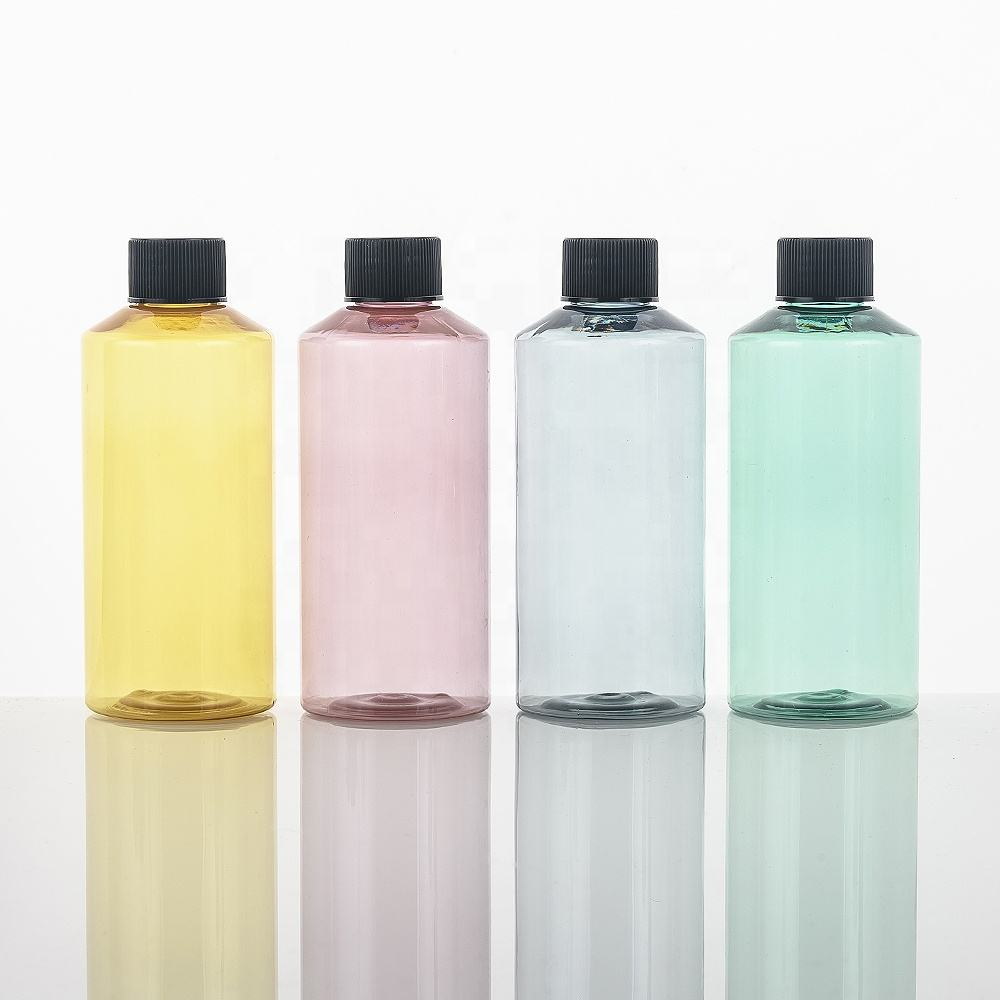
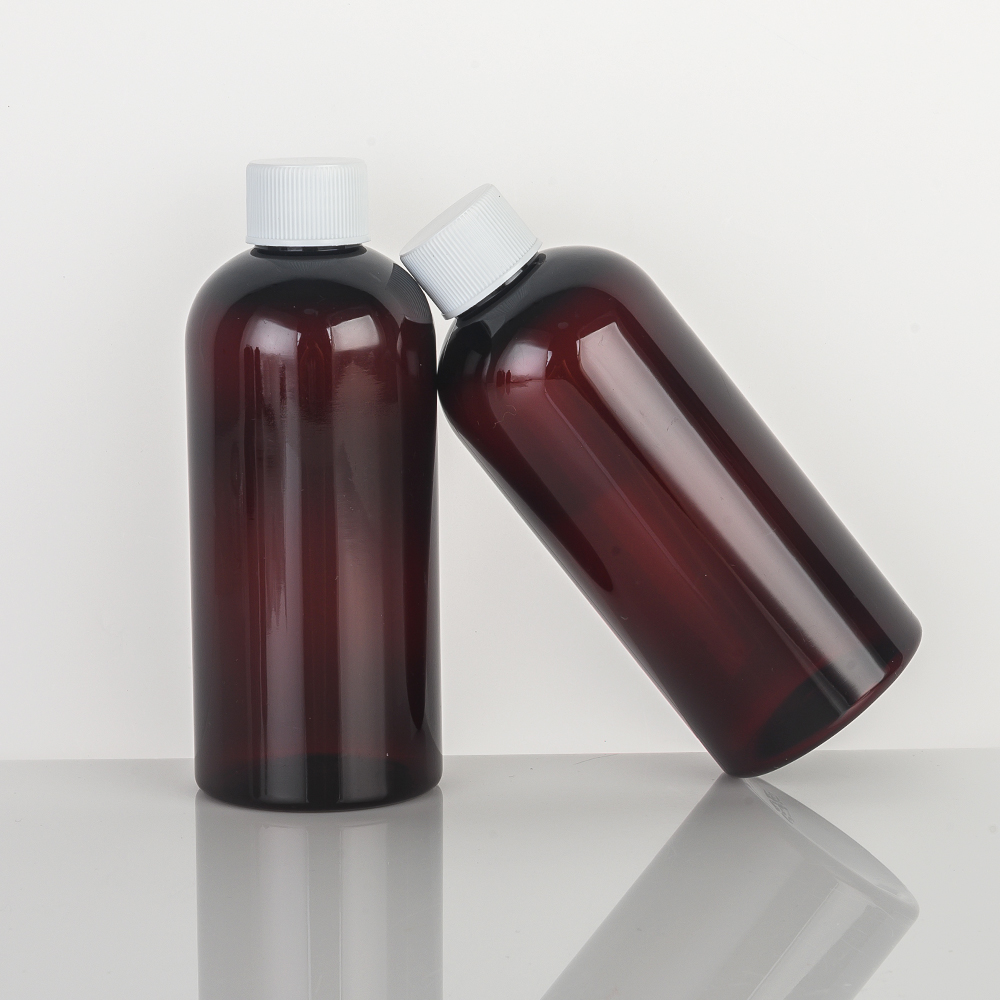
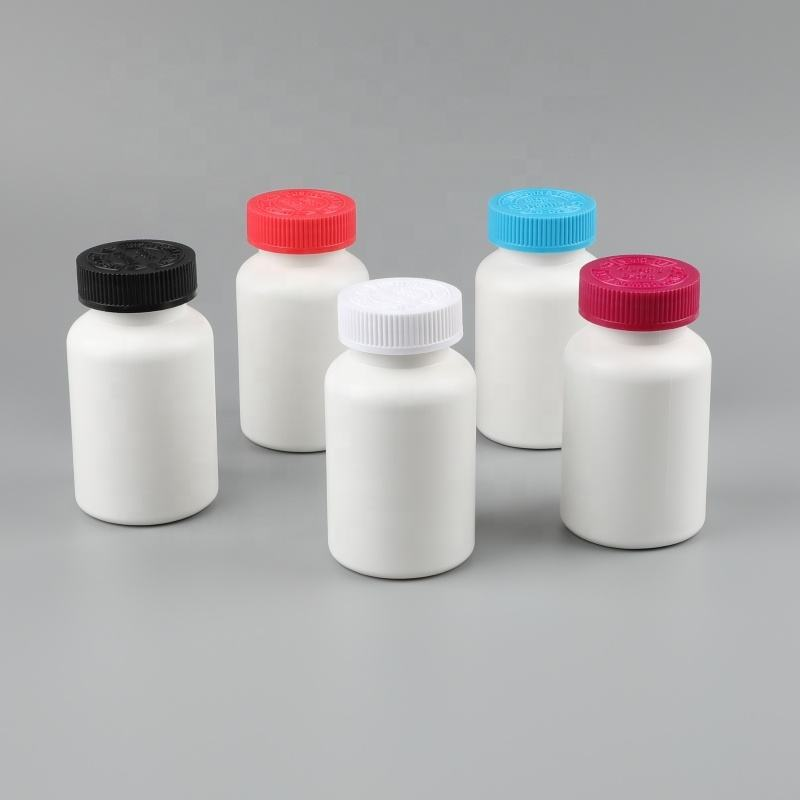
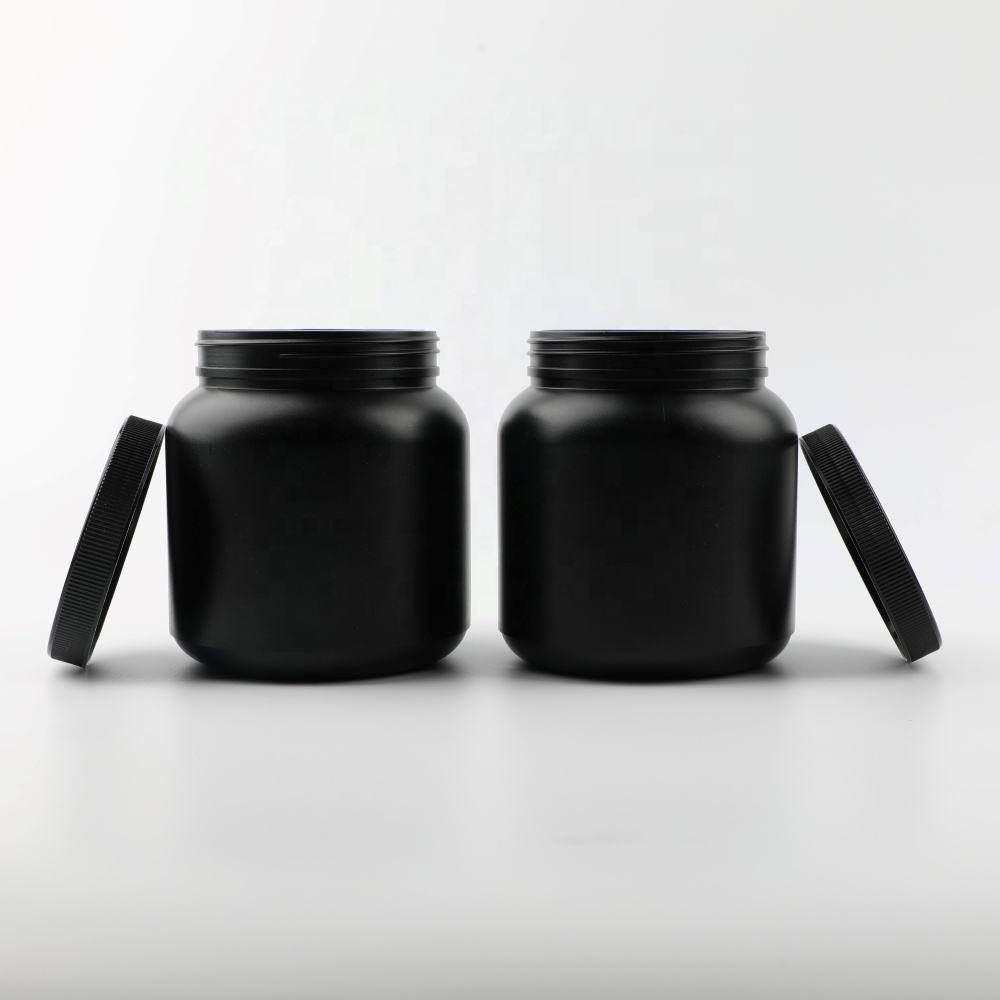
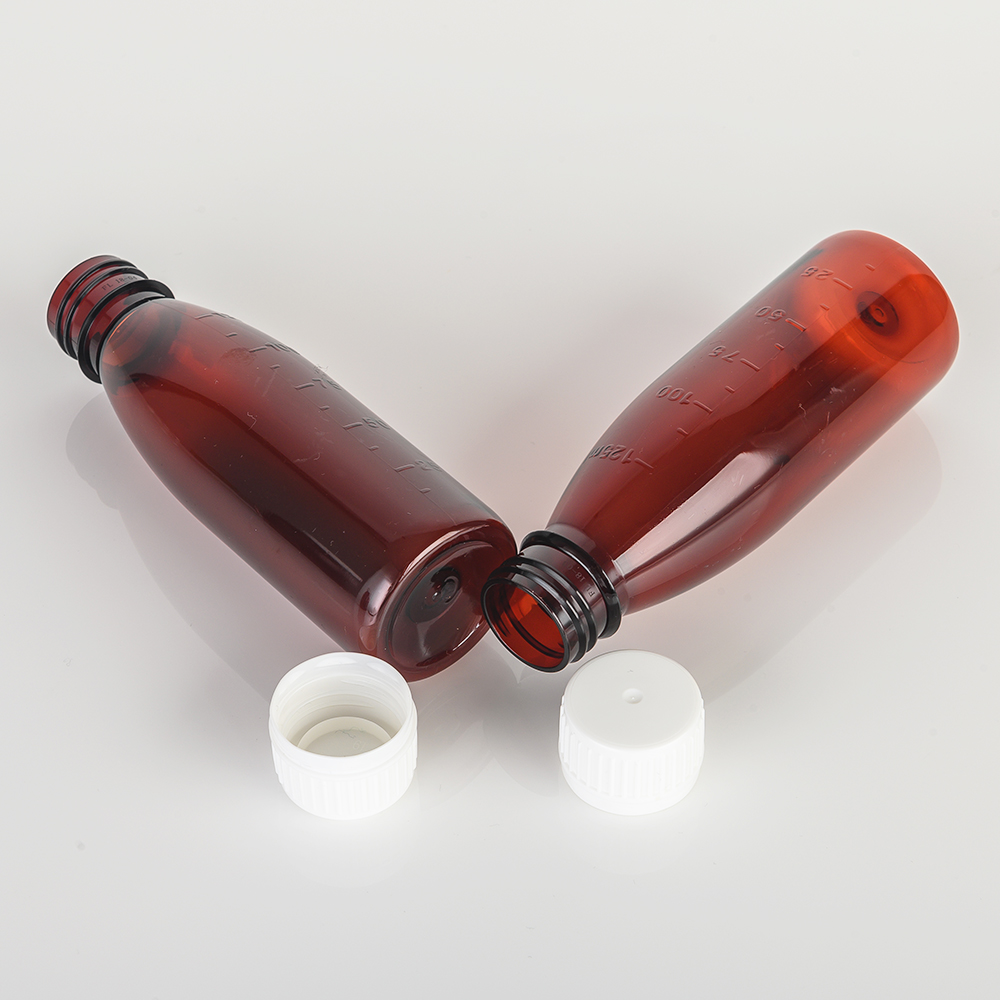
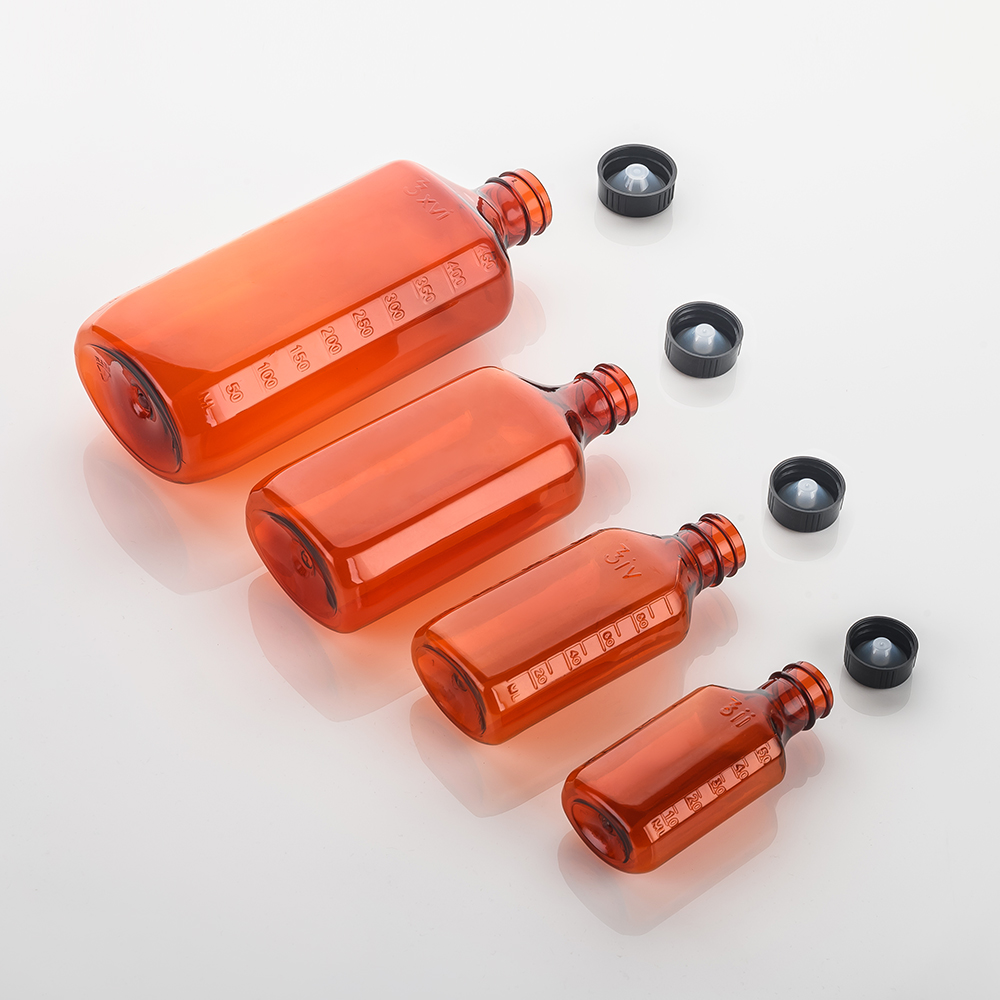
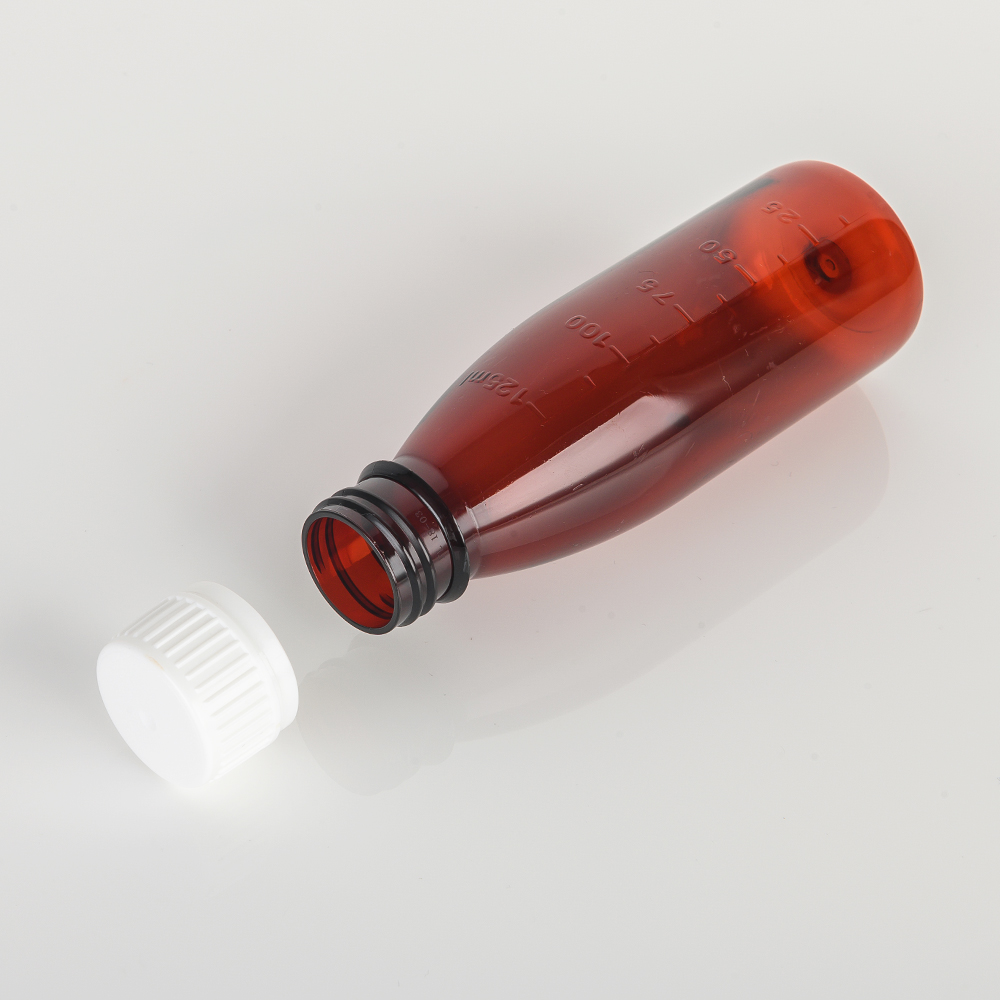
marron na plastik na bote ng gamot
Ang mga brown na plastik na bote para sa gamot ay mahalagang lalagyan para sa pag-iimbak at pagbibigay ng gamot sa mga setting ng pangangalagang pangkalusugan, retail, at tahanan. Ang mga espesyalisadong bote na ito ay nagpaprotekta sa mga gamot mula sa eksposur sa liwanag, na panatilihin ang kanilang lakas at epekto sa mahabang panahon. Ang mga brown na plastik na bote para sa gamot ay may mga katangian na nakakablock sa UV na nagpaprotekta sa mga sensitibong sangkap mula sa pagkasira dahil sa ultraviolet radiation. Ang madilim na amber na kulay ay lumilikha ng perpektong kapaligiran para sa pagpapanatili ng integridad ng gamot habang nagpapahintulot pa rin ng malinaw na pagtingin sa loob nito sa pamamagitan ng mga translucent na panel. Ang mga brown na plastik na bote para sa gamot ay ginagawa mula sa mga materyales na may kalidad para sa gamot na sumusunod sa mahigpit na mga pamantayan sa kaligtasan at kalidad. Kasama sa mga pangunahing teknolohikal na katangian nito ang mga takip na pambata na nakakaiwas sa hindi sinasadyang pag-access, mga marka ng sukat na eksaktong nakakalibrate para sa tumpak na dosis, at mga secure na threaded closure na nagtiyak ng leak-proof na pag-iimbak. Ang mga bote na ito ay available sa iba't ibang sukat, kadalasan mula 30 milliliters hanggang 500 milliliters, upang tugunan ang iba't ibang dami ng gamot at mga kinakailangan ng reseta. Ang mga brown na plastik na bote para sa gamot ay may mga advanced na disenyo na nagpapadali ng paghawak at pag-iimbak sa mga medicine cabinet, pharmacy, at klinikal na kapaligiran. Ang versatility ng aplikasyon ng mga brown na plastik na bote para sa gamot ay umaabot sa mga reseta, over-the-counter na gamot, dietary supplement, at herbal remedy. Ang mga healthcare provider, pharmacist, at pasyente ay umaasa sa mga brown na plastik na bote para sa gamot upang mapanatili ang stability ng gamot at maiwasan ang kontaminasyon. Ang matibay na konstruksyon nito ay tumutugon sa mga pagbabago ng temperatura at kahalumigmigan, na ginagawa itong angkop para sa iba't ibang kondisyon ng pag-iimbak sa buong lifecycle nito.

 EN
EN