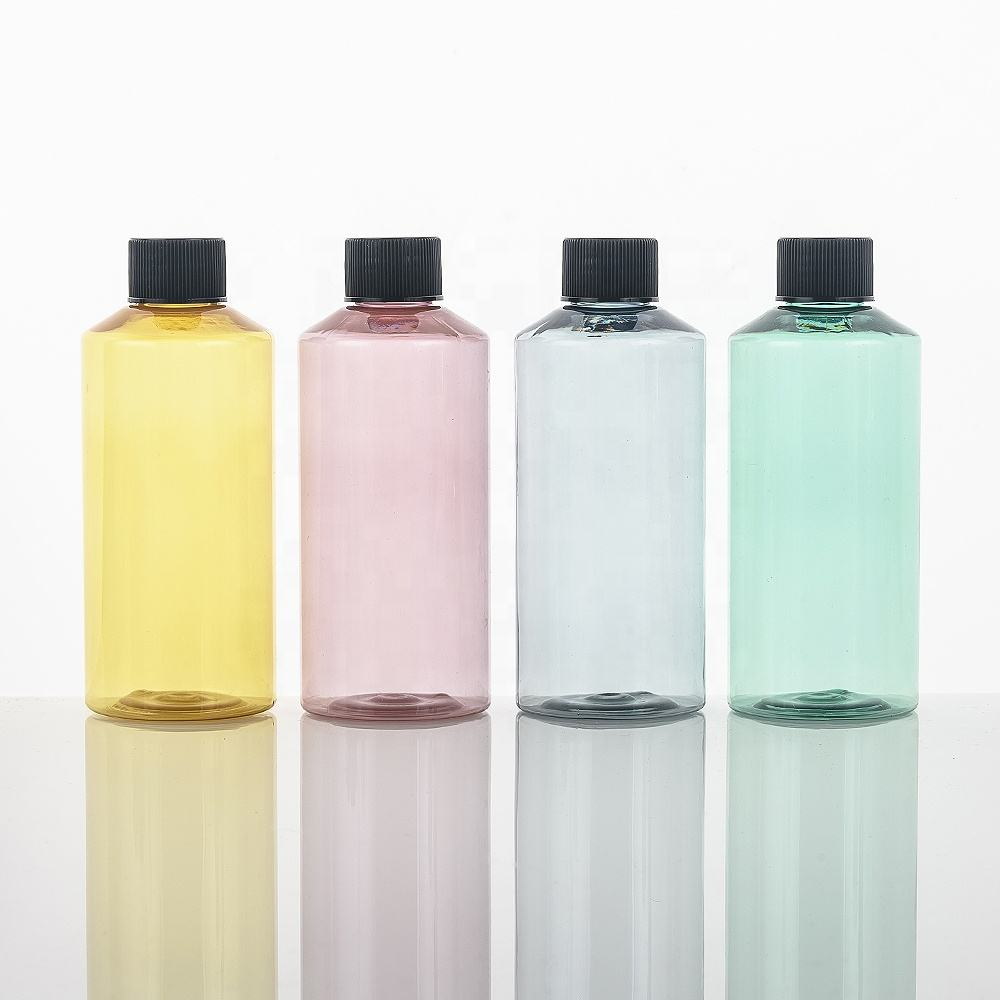
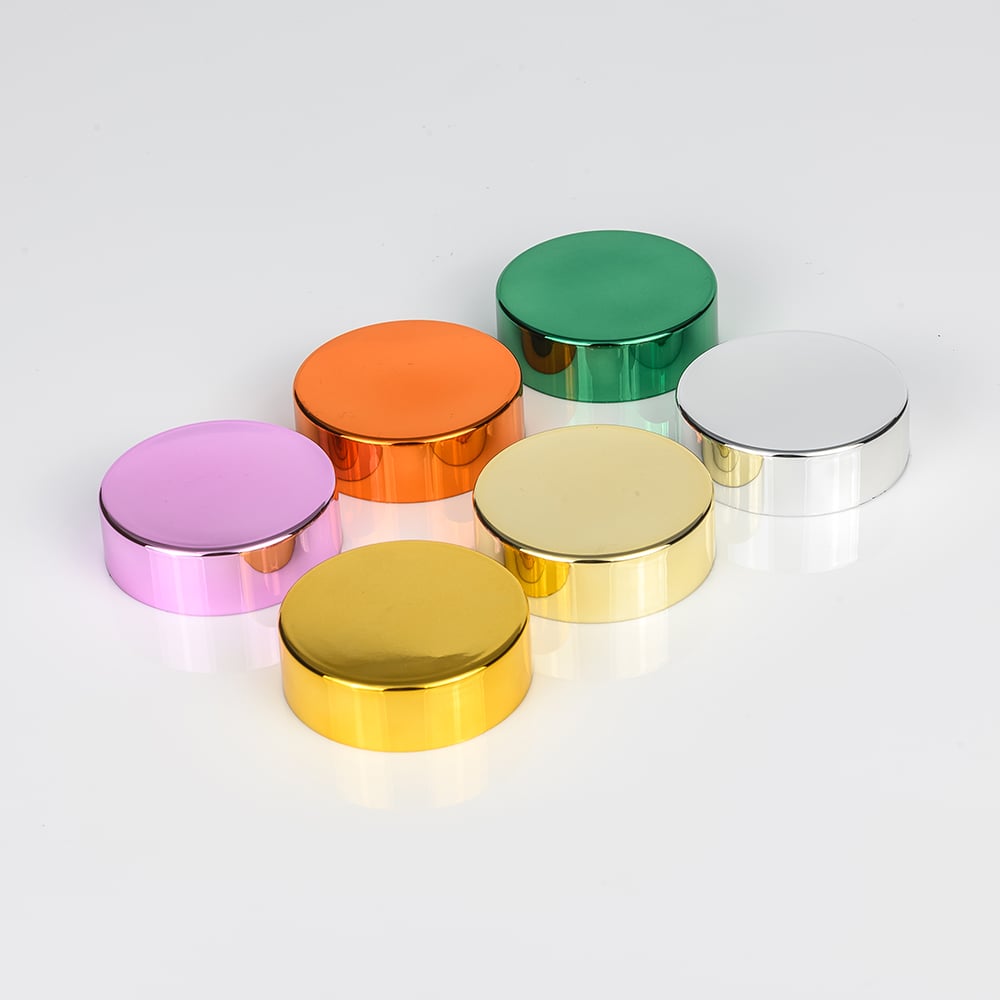
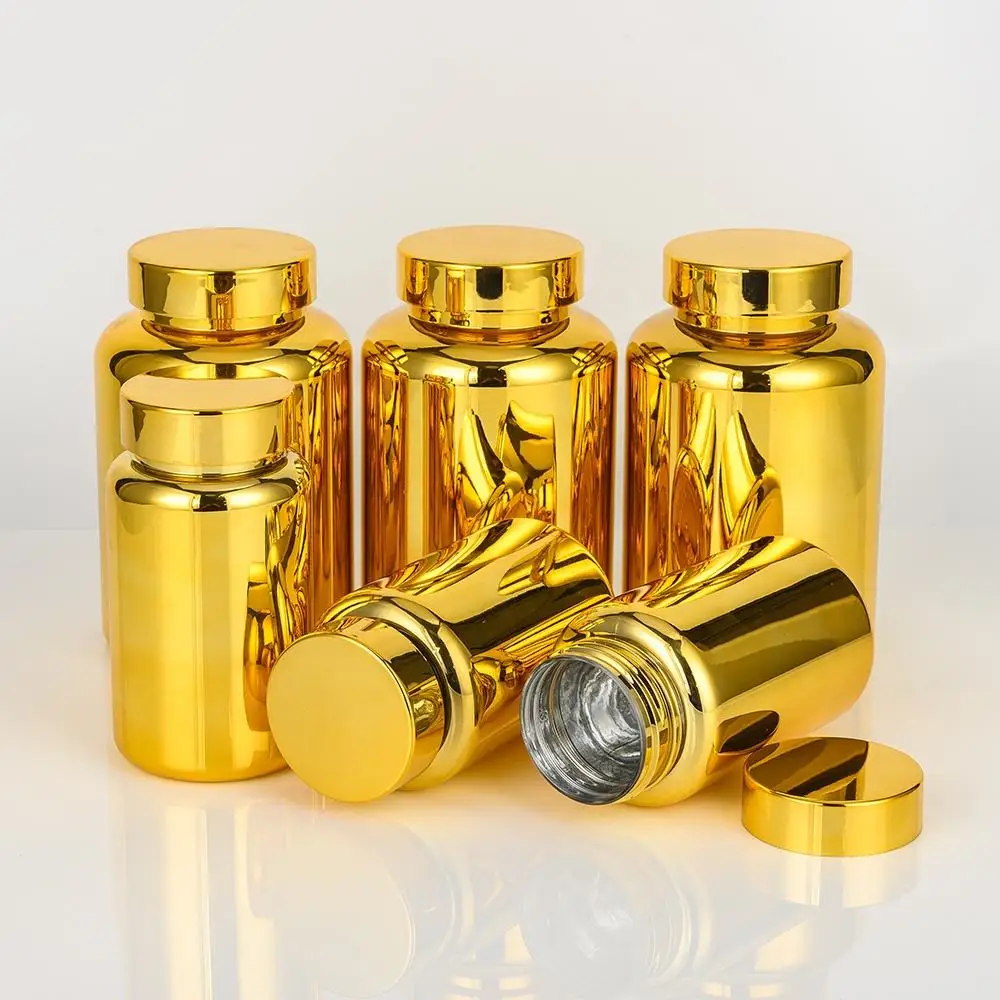
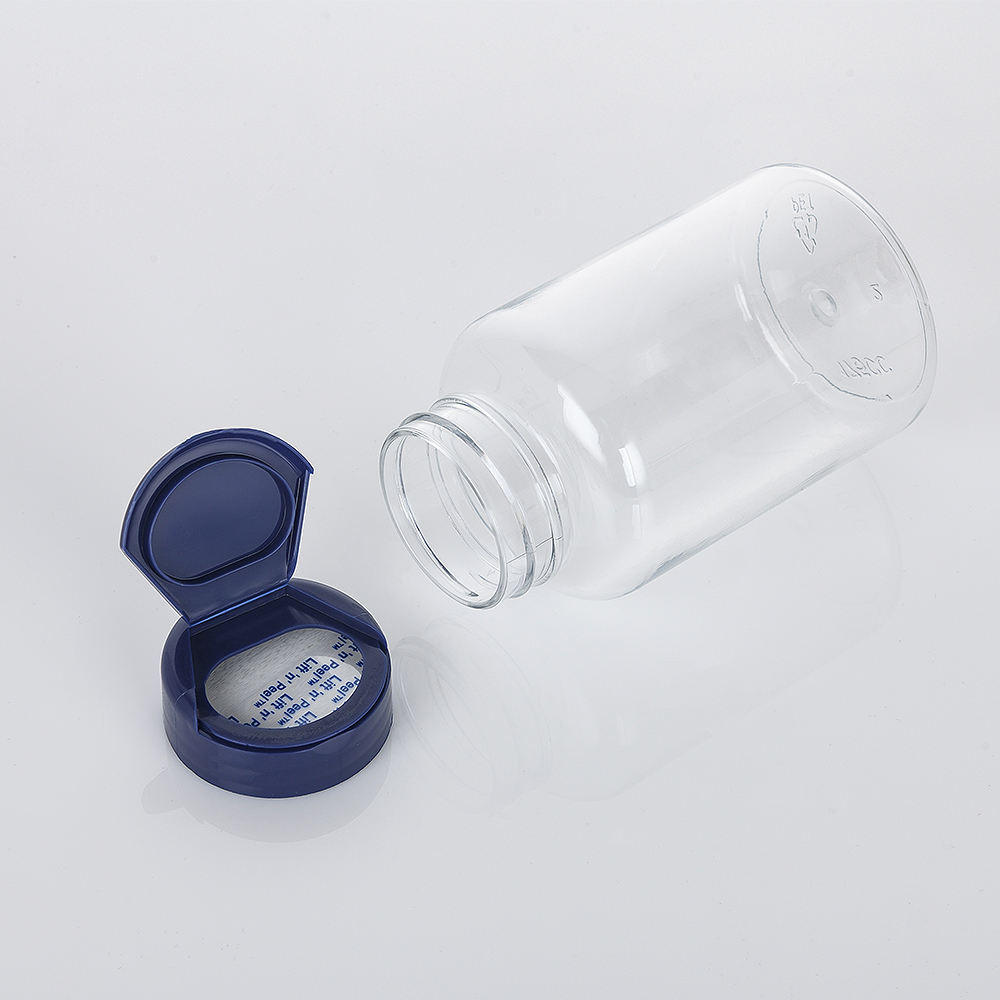
Premium Medications Bottle Solutions - Safe Pharmaceutical Packaging for Optimal Drug Protection

All Categories

Get a Free Quote

Our representative will contact you soon.
Email
Mobile/WhatsApp
Name
Company Name
Message
0/1000

medications bottle

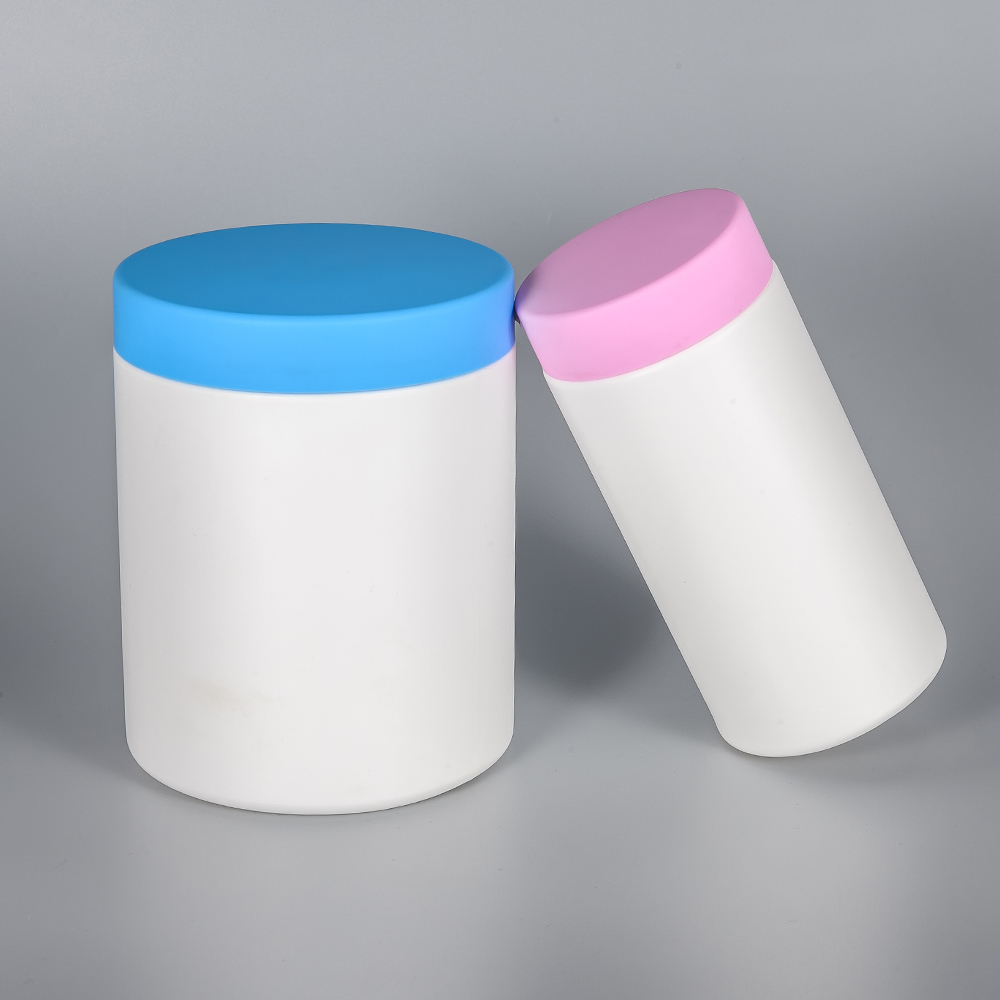
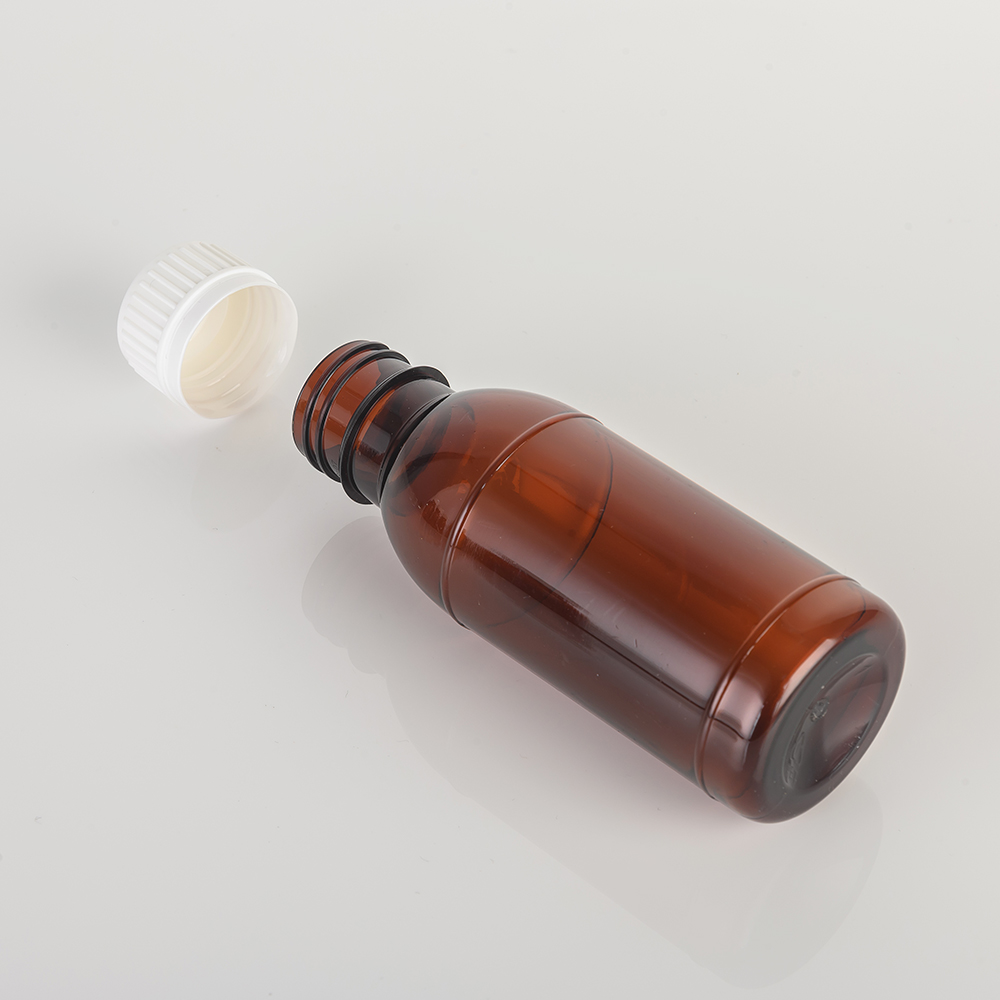
The medications bottle represents a critical component in pharmaceutical packaging and healthcare delivery systems, serving as the primary container for storing, preserving, and dispensing various forms of medication. These specialized containers are engineered to meet stringent safety standards while ensuring the integrity and efficacy of pharmaceutical products throughout their shelf life. A medications bottle is designed with multiple protective features that safeguard contents from environmental factors such as moisture, light, ultraviolet radiation, and oxygen exposure, all of which can degrade medication quality. Modern medications bottles incorporate advanced materials including high-density polyethylene, polypropylene, amber-colored glass, and specialized plastics that provide optimal barrier properties. The functional design of a medications bottle typically includes child-resistant closures that comply with regulatory requirements, tamper-evident seals that ensure product authenticity, and clearly labeled surfaces that display essential information such as dosage instructions, expiration dates, and safety warnings. These containers serve diverse applications across retail pharmacies, hospital settings, long-term care facilities, and home healthcare environments. The medications bottle comes in various sizes ranging from small containers for limited-dose prescriptions to larger formats for bulk medications or long-term therapy supplies. Technological innovations have enhanced the medications bottle with features like integrated desiccants for moisture control, light-blocking materials that extend medication stability, and ergonomic designs that facilitate easy opening for patients with limited dexterity. The manufacturing process for a medications bottle follows rigorous quality control protocols to ensure consistency, sterility, and compliance with pharmaceutical regulations established by health authorities worldwide. Whether containing tablets, capsules, liquids, or powders, the medications bottle maintains product purity while providing convenient access for patients and healthcare providers alike, making it an indispensable tool in modern medical treatment and pharmaceutical distribution systems.

New Product Recommendations

The medications bottle delivers numerous practical benefits that directly impact patient safety, medication effectiveness, and overall healthcare quality. First and foremost, these containers provide exceptional protection that keeps medications potent and effective until their intended use. The barrier properties prevent harmful elements from compromising medication quality, which means patients receive treatments that work as intended by manufacturers and prescribed by healthcare providers. This protection translates into better health outcomes and reduced waste from spoiled medications. The child-resistant closure system built into most medications bottles significantly reduces accidental poisoning incidents among young children, providing peace of mind for parents and caregivers. These safety mechanisms require specific manipulation techniques that children typically cannot perform, yet remain accessible enough for adults and elderly patients who need regular medication access. The tamper-evident features offer assurance that medications remain uncontaminated from manufacturing through final consumption, building consumer confidence in pharmaceutical products. Patients can immediately identify if a medications bottle has been opened or compromised before purchase, enabling informed decisions about product safety. The clear labeling space on a medications bottle allows pharmacies to affix detailed instructions, warnings, and patient information in easy-to-read formats. This clarity helps prevent medication errors, missed doses, and adverse drug interactions by keeping critical information readily visible. The compact and stackable design of medications bottles facilitates efficient storage in medicine cabinets, pharmacy shelves, and healthcare facilities where space optimization matters. Patients can organize multiple prescriptions neatly, while pharmacies can maximize inventory capacity without sacrificing accessibility. The durability of medications bottles withstands normal handling, transportation, and storage conditions without breaking or leaking, unlike fragile alternatives. This robustness reduces medication loss and ensures patients receive full prescribed quantities. The variety of available sizes allows pharmacists to match container capacity precisely to prescription quantities, minimizing excess packaging waste while ensuring adequate protection. Environmental considerations have led to recyclable medications bottle options that support sustainability goals without compromising protective functions. The standardized designs enable automated dispensing systems in pharmacies to process prescriptions efficiently, reducing wait times and improving customer service. For patients managing chronic conditions requiring multiple medications, the uniform appearance and labeling of medications bottles simplifies medication management routines and reduces confusion. The cost-effectiveness of medications bottles compared to alternative packaging solutions keeps medication prices more affordable while maintaining quality standards. Healthcare systems benefit from reduced overhead costs associated with medication storage, handling, and distribution when using standardized medications bottle formats that integrate seamlessly with existing infrastructure and processes.

Tips And Tricks

Our advantage

10

Mar

Our advantage

View More
TAIZHOU ZONG LV SHU PACKING CO., LTD

17

Mar

TAIZHOU ZONG LV SHU PACKING CO., LTD

View More

Get a Free Quote

Our representative will contact you soon.
Email
Mobile/WhatsApp
Name
Company Name
Message
0/1000

medications bottle

Advanced Protection Technology That Preserves Medication Integrity

Advanced Protection Technology That Preserves Medication Integrity

The medications bottle incorporates sophisticated protective technologies that work synergistically to maintain pharmaceutical product quality throughout extended storage periods and varying environmental conditions. At the core of this protection lies carefully selected materials that create effective barriers against the primary threats to medication stability. Amber-colored glass and specialized tinted plastics used in medications bottle construction block ultraviolet and visible light wavelengths that can trigger photochemical degradation reactions in light-sensitive compounds. This light protection is particularly crucial for medications containing ingredients that break down when exposed to illumination, such as certain antibiotics, vitamins, and biological products. The molecular structure of high-density polyethylene and polypropylene materials provides exceptional moisture barrier properties that prevent water vapor from penetrating the medications bottle and causing hydrolytic degradation of moisture-sensitive formulations. Many medications bottles feature integrated desiccant systems within the closure or as separate inserts that actively absorb residual moisture from the internal atmosphere, creating an ultra-dry environment ideal for hygroscopic medications. The tight-sealing closure mechanisms on medications bottles create oxygen barriers that limit oxidation reactions that can reduce medication potency and generate harmful degradation products. Advanced liner technologies within bottle caps utilize multi-layer foil and polymer combinations that provide superior sealing performance while maintaining compatibility with various medication formulations. The chemical inertness of materials used in medications bottle manufacturing ensures no leaching of container components into medications, preventing contamination and maintaining product purity. Rigorous testing protocols verify that medications bottles do not interact chemically with contents under accelerated aging conditions that simulate years of real-world storage. The structural integrity of medications bottles withstands temperature fluctuations, mechanical stress during shipping, and repeated opening and closing cycles without compromising protective functions. This durability ensures consistent protection from the moment medications leave manufacturing facilities through the final dose administration. The combination of these protective features in a medications bottle extends shelf life, reduces medication waste, improves treatment effectiveness, and ultimately delivers better health outcomes for patients who depend on pharmaceutical products maintaining their therapeutic properties throughout the prescribed treatment duration.
User-Centered Design Features That Enhance Safety and Accessibility

User-Centered Design Features That Enhance Safety and Accessibility

The medications bottle exemplifies thoughtful design that balances stringent safety requirements with practical usability considerations for diverse patient populations. Child-resistant closure systems represent one of the most critical safety innovations integrated into medications bottle design, employing mechanical principles that require simultaneous actions or specific manipulation sequences beyond the cognitive and physical capabilities of young children. These closures typically utilize push-and-turn mechanisms, squeeze-and-turn functions, or alignment-dependent opening systems that adults can operate with brief instruction while remaining effectively child-proof. However, modern medications bottle designs recognize that child resistance must not become a barrier for elderly patients, individuals with arthritis, or those with limited hand strength and dexterity. Manufacturers have responded by developing senior-friendly alternatives that maintain safety standards while incorporating ergonomic enhancements such as larger gripping surfaces, textured finishes for improved traction, and reduced torque requirements for opening. Some medications bottle designs include reversible caps that provide child-resistant protection when installed one direction but offer easy-open functionality when flipped, giving patients flexibility based on household needs. The labeling area on a medications bottle is strategically designed to accommodate comprehensive information while maintaining readability. Curved or flat label panels provide sufficient space for pharmacy-generated labels containing patient names, medication names, dosage instructions, prescriber information, pharmacy details, and refill data. The surface treatments on medications bottles ensure labels adhere securely without peeling or becoming illegible from handling or moisture exposure. Transparent or translucent medications bottle options allow visual inspection of contents without opening, enabling patients to monitor remaining quantities and verify medication appearance for quality assurance. Graduated measurement markings molded into liquid medications bottles facilitate accurate dose measurement, particularly important for pediatric formulations and titrated therapies where precise dosing is critical. The neck and opening dimensions of medications bottles are optimized for dispensing efficiency, allowing tablets and capsules to flow smoothly without jamming while preventing multiple-unit spillage. Tactile features including raised markings or distinctive cap shapes assist visually impaired patients in medication identification through touch alone. The overall size and shape proportions of medications bottles consider grip comfort, one-handed operation potential, and storage convenience in standard medicine cabinets and pharmacy bag dimensions.
Regulatory Compliance and Quality Assurance That Build Trust

Regulatory Compliance and Quality Assurance That Build Trust

The medications bottle manufacturing and usage protocols operate within comprehensive regulatory frameworks that ensure consistent quality, safety, and performance across pharmaceutical supply chains. Regulatory authorities including the Food and Drug Administration, European Medicines Agency, and corresponding national health organizations establish detailed specifications that medications bottles must satisfy before approval for pharmaceutical use. These requirements address material composition, ensuring that plastics, glass, and closure components meet pharmaceutical grade standards with verified biocompatibility and absence of extractable substances that could contaminate medications. The medications bottle production facilities operate under Good Manufacturing Practice regulations that mandate controlled environments, validated processes, and documented quality systems ensuring batch-to-batch consistency. Every stage of medications bottle manufacturing undergoes rigorous testing protocols that verify dimensional accuracy, closure torque specifications, moisture barrier performance, light transmission properties, and structural integrity under stress conditions. Quality control laboratories perform extractables and leachables studies on medications bottles to identify and quantify any compounds that might migrate from packaging materials into medication formulations, ensuring patient safety. Stability testing programs evaluate how medications bottles protect contents under various storage conditions, including elevated temperatures, high humidity, and light exposure scenarios that simulate real-world distribution and storage environments. The medications bottle supply chain includes traceability systems that track materials from raw material suppliers through manufacturing, distribution, and final pharmacy dispensing, enabling rapid identification and response if quality issues emerge. Child-resistant effectiveness testing follows standardized protocols using child test panels and senior adult panels to verify that closures meet safety thresholds while remaining functional for intended users. Tamper-evident features on medications bottles undergo validation testing to ensure visible evidence of unauthorized access appears reliably across expected handling conditions. Documentation requirements for medications bottles include certificates of analysis, material safety data sheets, and regulatory compliance statements that provide pharmacies and healthcare systems with verification of quality standards. The standardization of medications bottle specifications across pharmaceutical industries facilitates interoperability with automated dispensing equipment, labeling systems, and inventory management technologies used in modern pharmacy operations. Continuous improvement initiatives within medications bottle manufacturing incorporate feedback from pharmacists, patients, and healthcare providers to refine designs that better serve practical needs while maintaining regulatory compliance. This commitment to quality assurance and regulatory adherence ensures that every medications bottle performs its protective and functional roles reliably, supporting the broader pharmaceutical mission of delivering safe, effective treatments to patients worldwide.

Get a Free Quote

Our representative will contact you soon.
Email
Mobile/WhatsApp
Name
Company Name
Message
0/1000