Premium Prescription Medication Bottles - Safe, Durable Pharmacy Containers for Optimal Drug Storage

All Categories

Get a Free Quote

Our representative will contact you soon.
Email
Mobile/WhatsApp
Name
Company Name
Message
0/1000

prescription medication bottle

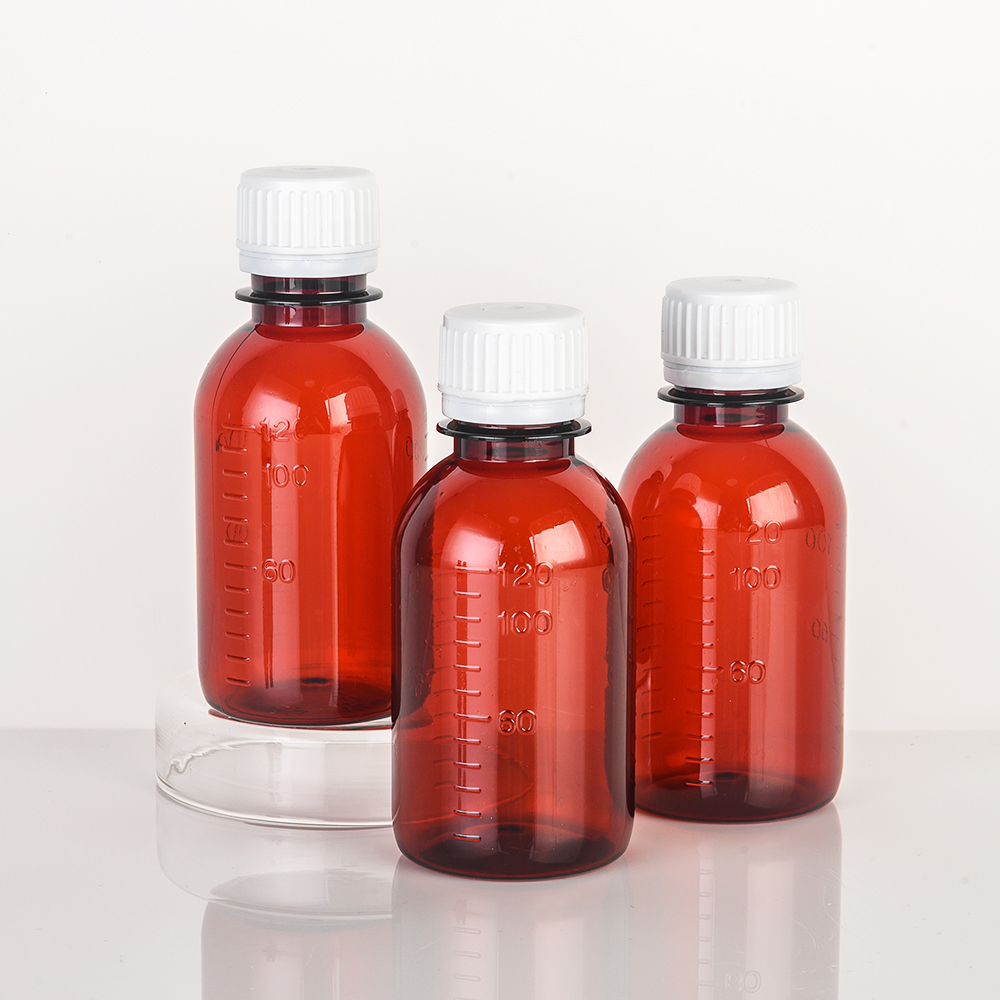
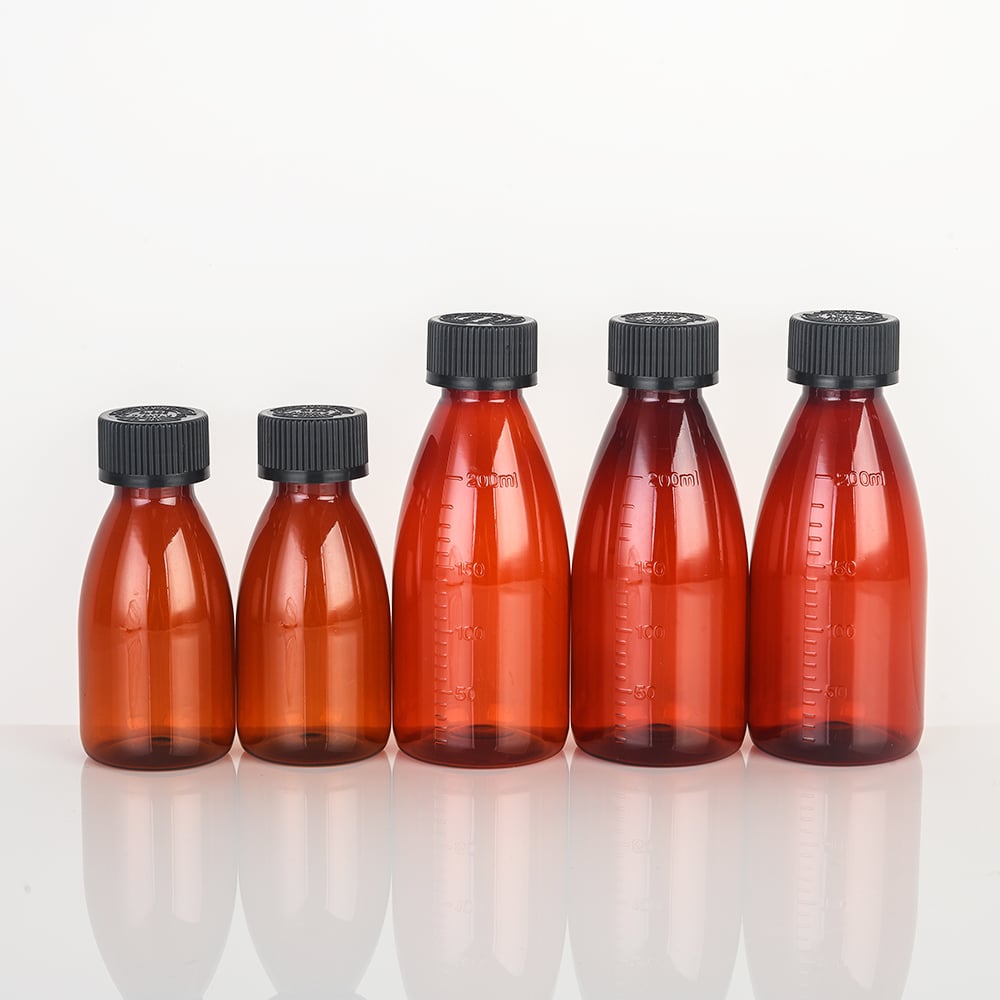
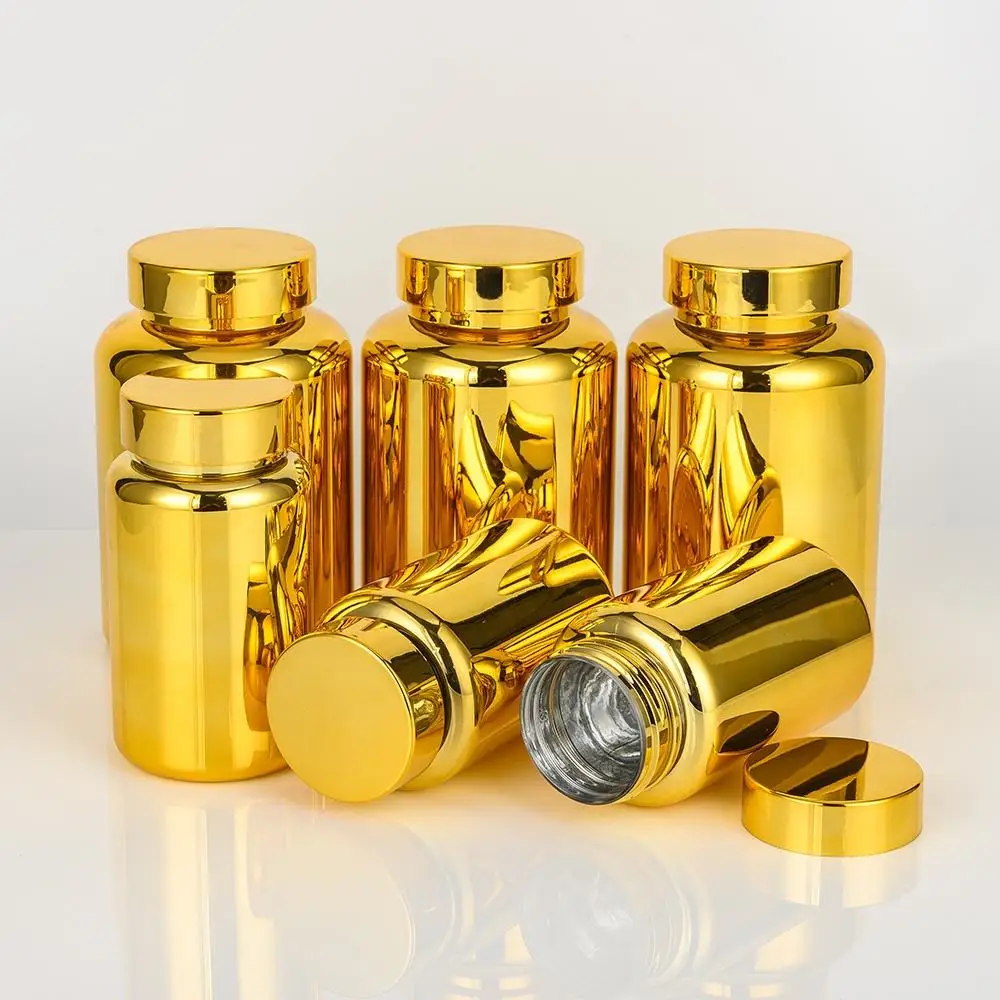
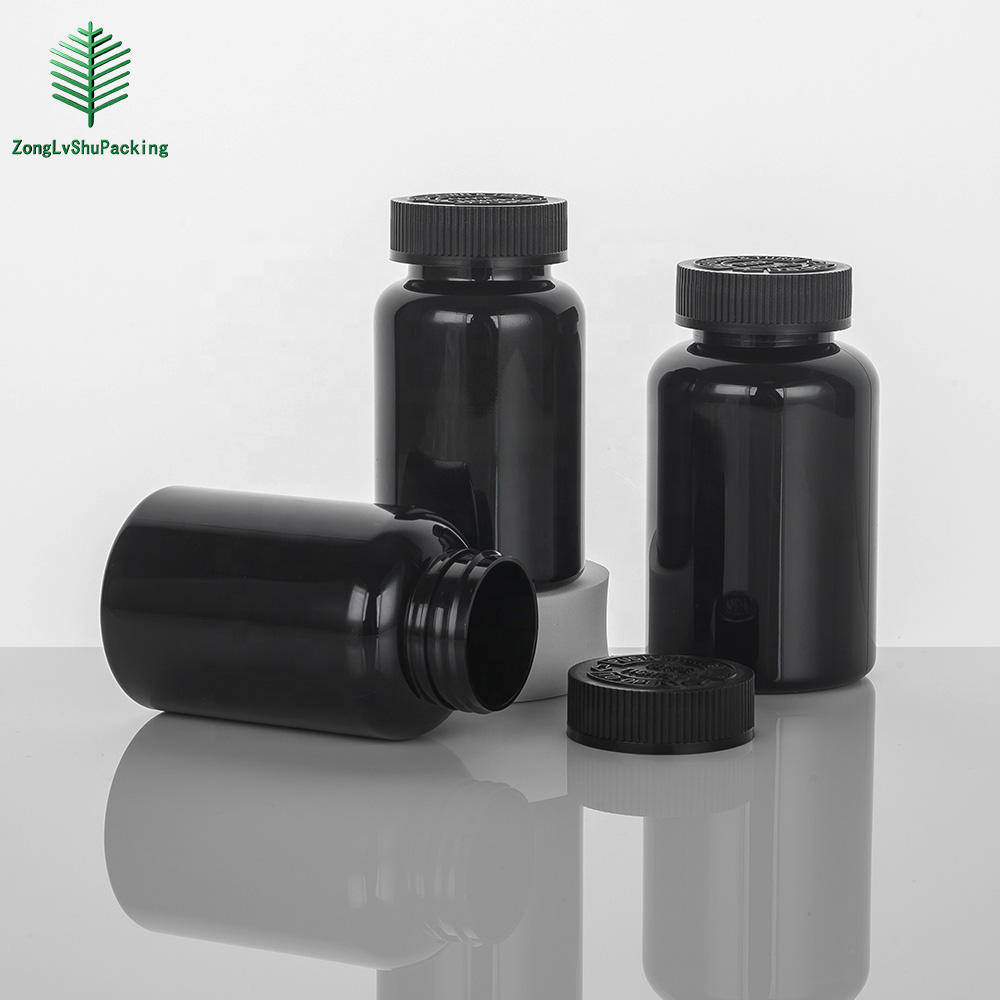
A prescription medication bottle serves as an essential container specifically designed to store, protect, and dispense pharmaceutical drugs prescribed by healthcare professionals. This specialized packaging solution plays a critical role in maintaining medication integrity, ensuring patient safety, and facilitating proper drug administration. The prescription medication bottle represents far more than a simple storage vessel; it functions as a comprehensive system that safeguards therapeutic substances while providing crucial information to patients and caregivers. Modern prescription medication bottles incorporate multiple design elements that address safety concerns, regulatory compliance, and user convenience. These containers typically feature amber or opaque materials that shield light-sensitive medications from degradation caused by ultraviolet exposure. The prescription medication bottle includes child-resistant closures that prevent accidental ingestion by young children, a feature mandated by safety regulations in numerous countries. Each container displays vital information including patient name, prescribing physician details, medication name and dosage, administration instructions, refill information, and pharmacy contact details. The prescription medication bottle accommodates various medication forms, from tablets and capsules to liquid suspensions and powdered substances requiring reconstitution. Advanced prescription medication bottles now integrate smart technology features such as electronic monitoring systems, reminder mechanisms, and connectivity options that synchronize with mobile applications. These innovations transform the traditional prescription medication bottle into an intelligent healthcare tool that supports medication adherence and treatment effectiveness. The standardized design of prescription medication bottles enables efficient pharmacy workflows, automated dispensing systems, and inventory management processes. Healthcare providers rely on these containers to maintain chain of custody, ensure accurate medication identification, and minimize dispensing errors. The prescription medication bottle construction utilizes medical-grade plastics or glass materials that resist chemical interactions with pharmaceutical compounds, preventing contamination or potency loss. Regulatory agencies establish strict guidelines governing prescription medication bottle specifications, labeling requirements, and safety features to protect public health and ensure consistent quality across the pharmaceutical supply chain.

Popular Products

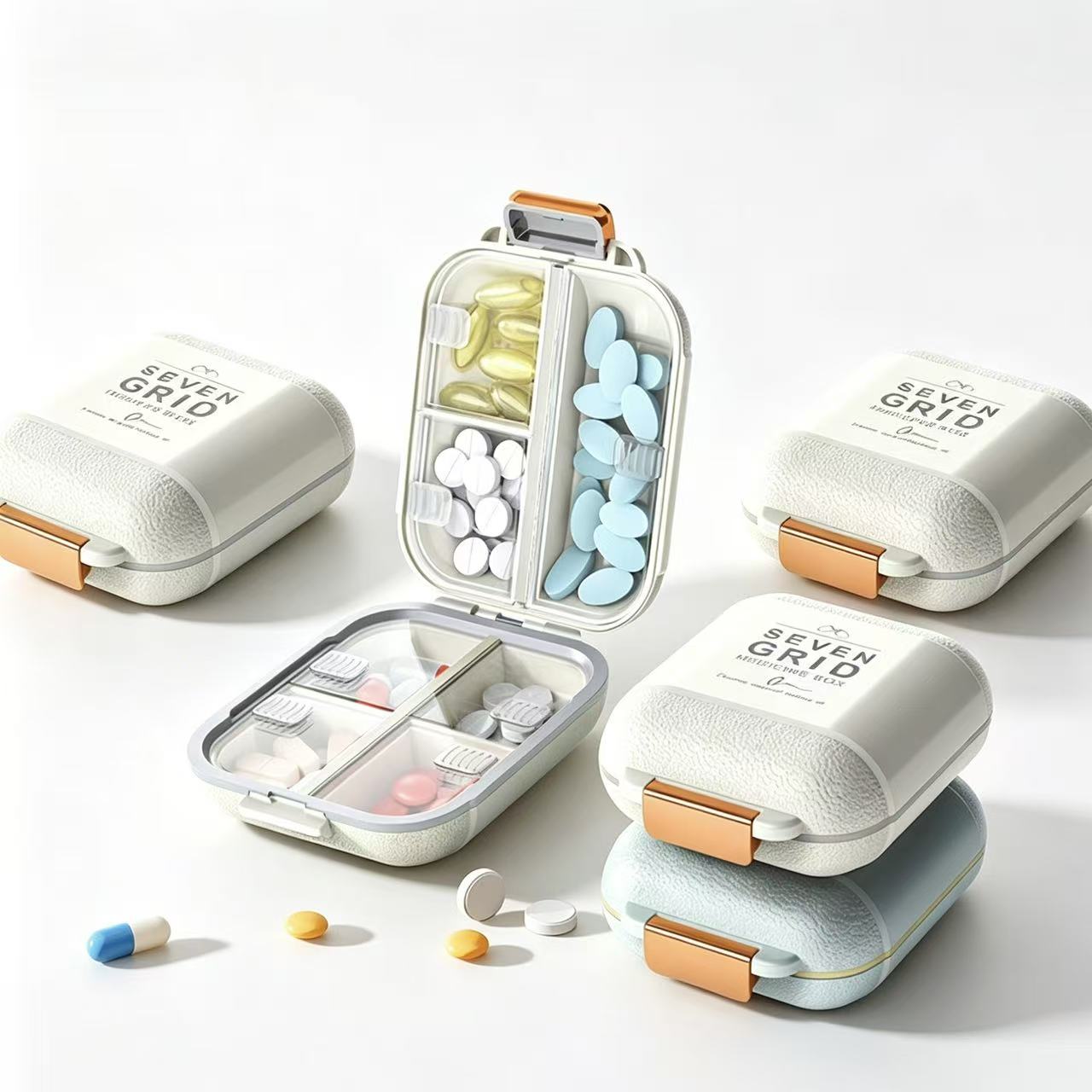
The prescription medication bottle delivers numerous practical benefits that directly improve patient outcomes and simplify medication management for individuals and families. First and foremost, these containers provide superior protection for valuable pharmaceutical substances by creating a barrier against environmental factors that could compromise medication quality. The prescription medication bottle shields contents from moisture, air, light, and temperature fluctuations that might otherwise reduce drug efficacy or cause premature expiration. Patients benefit from clearly printed labels that eliminate confusion about medication identity, proper dosing schedules, and administration methods. The prescription medication bottle design incorporates ergonomic features that make opening and closing the container manageable for users with limited dexterity, arthritis, or other physical challenges, while simultaneously maintaining child-resistant properties that keep young children safe. These containers offer exceptional durability that withstands daily handling, transportation in purses or bags, and storage in various household environments without cracking or leaking. The prescription medication bottle enables accurate dose counting, helping patients track their medication supply and anticipate when refills become necessary. Pharmacists appreciate how prescription medication bottles streamline dispensing operations, allowing rapid filling, labeling, and verification processes that improve efficiency and reduce wait times. The standardized sizes and shapes of prescription medication bottles facilitate organized storage in medicine cabinets, travel kits, and pill organizers, making it easier for patients to maintain their treatment regimens. Cost-effectiveness represents another significant advantage, as prescription medication bottles provide robust protection and functionality at reasonable prices that keep healthcare expenses manageable. The prescription medication bottle supports medication adherence by serving as a visible reminder to take prescribed doses according to schedule. Family caregivers find prescription medication bottles invaluable for managing multiple medications for elderly relatives or dependents with complex treatment plans. The tamper-evident features built into prescription medication bottles give patients confidence that their medications remain uncontaminated from pharmacy to home. Environmental considerations have improved as manufacturers develop prescription medication bottles using recyclable materials that reduce ecological impact while maintaining safety and performance standards. The prescription medication bottle accommodates customization options including large-print labels for visually impaired patients, multilingual instructions for diverse populations, and color-coding systems that help differentiate between multiple prescriptions. Healthcare systems benefit from the traceability that prescription medication bottles provide through barcode scanning and serialization technologies that combat counterfeit drugs and enable efficient recalls when necessary. The prescription medication bottle represents an affordable, reliable, and user-friendly solution that enhances medication safety, supports treatment compliance, and contributes to better health outcomes for patients across all demographics and medical conditions.

Latest News

Our advantage

10

Mar

Our advantage

View More
TAIZHOU ZONG LV SHU PACKING CO., LTD

17

Mar

TAIZHOU ZONG LV SHU PACKING CO., LTD

View More

Get a Free Quote

Our representative will contact you soon.
Email
Mobile/WhatsApp
Name
Company Name
Message
0/1000

prescription medication bottle

Advanced Child-Resistant Safety Mechanisms That Protect Families

Advanced Child-Resistant Safety Mechanisms That Protect Families

The prescription medication bottle incorporates sophisticated child-resistant closure systems that represent one of its most valuable safety features, providing peace of mind for parents and caregivers while maintaining accessibility for adult users. These specialized caps require specific manipulation techniques such as simultaneous pushing and turning motions that young children typically cannot perform due to insufficient hand strength, coordination, or cognitive understanding. The prescription medication bottle safety closure meets rigorous testing standards established by regulatory authorities, ensuring that a significant percentage of children under five years cannot open the container within a specified timeframe, while adults can access their medications without excessive difficulty. This critical safety feature has dramatically reduced accidental pediatric poisonings since its widespread implementation, preventing thousands of emergency room visits annually. The prescription medication bottle design balances security with usability, recognizing that overly complicated closures might discourage medication adherence among elderly patients or individuals with arthritis and reduced manual dexterity. Manufacturers continuously refine prescription medication bottle closure mechanisms based on real-world feedback, developing variations that accommodate diverse patient populations including seniors who benefit from easier-open versions when no children reside in the household. The prescription medication bottle child-resistant feature extends beyond the cap itself, encompassing the entire container design including proper threading, secure sealing, and tamper-evident bands that indicate if someone has previously opened the bottle. Pharmacists can provide prescription medication bottles with reversible caps that offer child-resistant protection on one orientation and simplified access when flipped, giving patients flexibility based on their household circumstances. The prescription medication bottle safety system works in conjunction with educational initiatives that encourage proper storage practices, reminding families to keep medications in secure locations beyond children's reach even with protective closures in place. Testing protocols for prescription medication bottle closures involve both child-resistance evaluations using actual children in controlled settings and senior-friendly assessments with elderly volunteers to ensure accessibility remains adequate. The engineering behind prescription medication bottle safety closures reflects decades of research into human factors, biomechanics, and behavioral psychology, resulting in designs that effectively discriminate between adult intentional access and child exploratory behavior. Modern prescription medication bottle innovations include smart closures with electronic locks, biometric authentication, or smartphone connectivity that provide additional security layers while generating adherence data for healthcare providers.
Comprehensive Labeling Systems That Prevent Medication Errors

Comprehensive Labeling Systems That Prevent Medication Errors

The prescription medication bottle features extensive labeling capabilities that serve as the primary communication tool between healthcare providers, pharmacists, and patients, delivering essential information that ensures safe and effective medication use. Every prescription medication bottle displays a carefully organized label containing multiple data elements required by regulatory standards and pharmacy best practices, including patient identification, medication name in both brand and generic forms, strength and quantity, prescribing physician information, pharmacy details, prescription number, fill date, and expiration date. The prescription medication bottle label provides explicit administration instructions using clear language that specifies dosing frequency, timing relative to meals, and special handling requirements such as refrigeration or protection from sunlight. These instructions on the prescription medication bottle eliminate ambiguity about proper medication use, reducing the risk of dosing errors that could lead to treatment failure or adverse reactions. The prescription medication bottle labeling system incorporates color-coding schemes, symbols, and icons that provide visual cues helping patients quickly identify specific medications within collections of multiple prescriptions. Auxiliary labels affixed to prescription medication bottles highlight critical warnings about potential side effects, drug interactions, dietary restrictions, and activities to avoid such as operating machinery or consuming alcohol. The prescription medication bottle accommodates large-print labels for patients with visual impairments, ensuring that essential medication information remains accessible regardless of age-related vision changes or eye conditions. Multilingual labeling options for prescription medication bottles serve diverse communities, presenting instructions in Spanish, Chinese, Vietnamese, and other languages prevalent in specific geographic areas, thereby improving comprehension and adherence among non-English speakers. Barcode technology integrated into prescription medication bottle labels enables scanning at multiple points throughout the healthcare system, facilitating accurate dispensing verification, inventory tracking, patient safety checks, and efficient prescription refill processing. The prescription medication bottle label design follows standardized formats that create consistency across different pharmacies, helping patients quickly locate relevant information even when filling prescriptions at various locations during travel or after relocating. Advanced prescription medication bottles now feature dynamic labeling with QR codes or NFC tags that link to comprehensive digital resources including medication guides, instructional videos, drug interaction checkers, and direct communication channels with pharmacy teams. The prescription medication bottle labeling system supports medication reconciliation processes by providing healthcare providers with detailed information about all medications a patient currently takes, enabling better coordination of care and identification of potential conflicts. Pharmacists customize prescription medication bottle labels based on individual patient needs, adding personalized reminders, simplified instructions for cognitive impairment, or enhanced warnings for high-risk medications requiring extra vigilance.
Optimal Material Construction That Preserves Medication Potency

Optimal Material Construction That Preserves Medication Potency

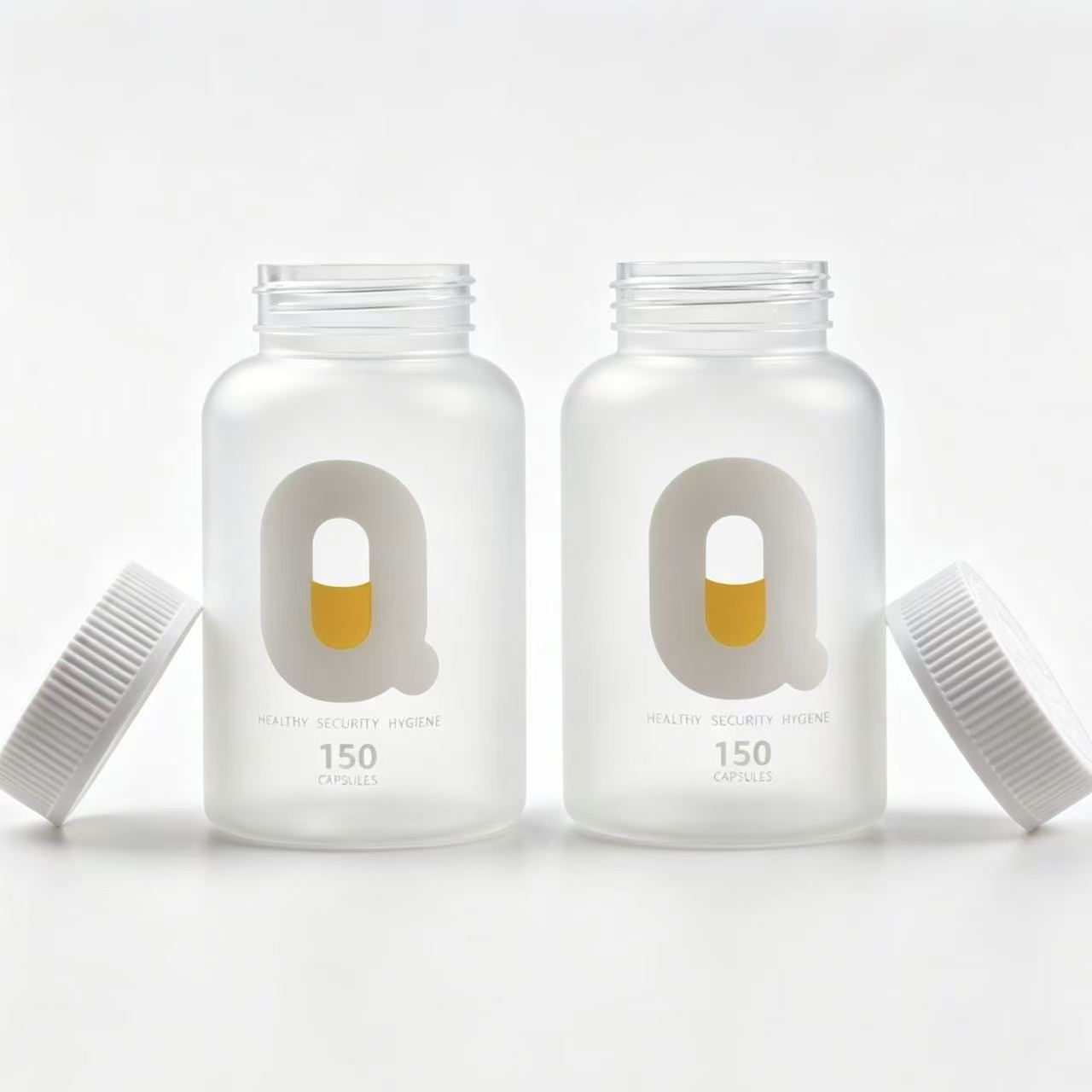
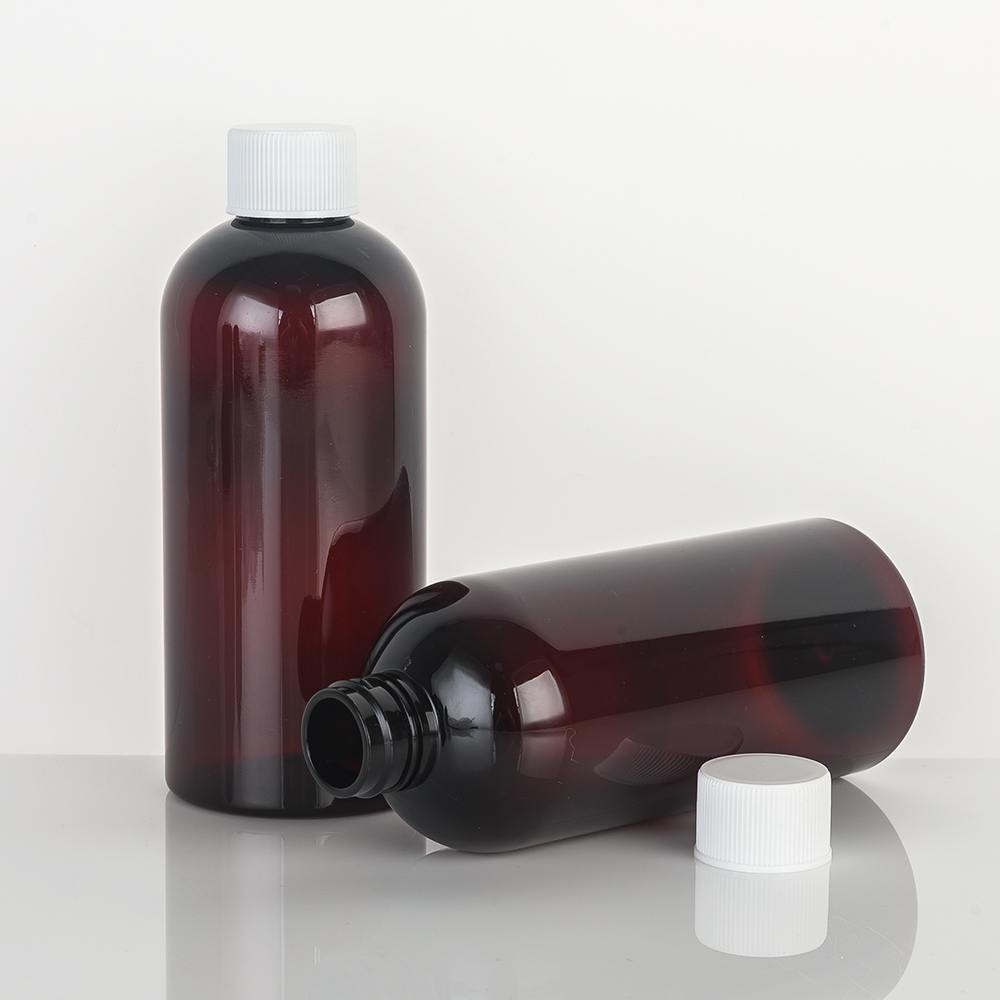
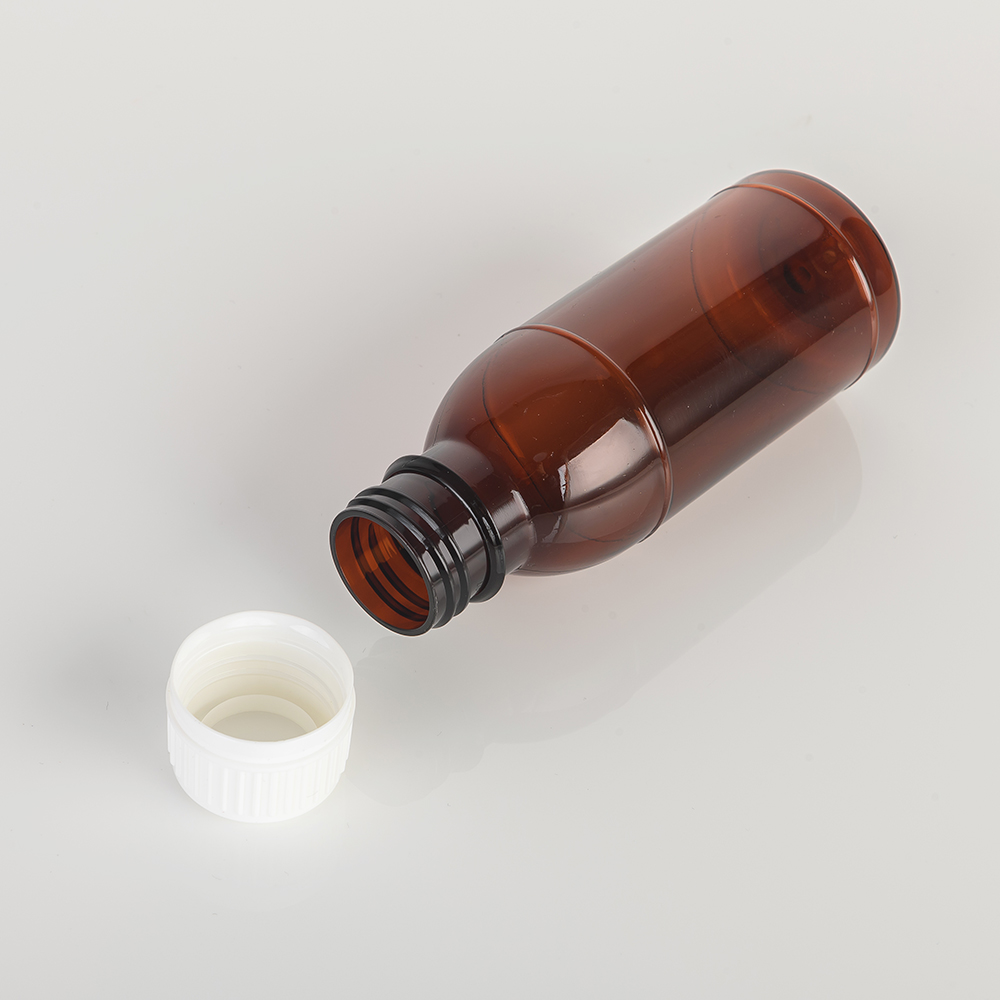
The prescription medication bottle utilizes carefully selected pharmaceutical-grade materials that protect medication integrity throughout the product's shelf life, ensuring that patients receive full therapeutic benefits from their prescribed treatments. High-density polyethylene and polypropylene plastics commonly used in prescription medication bottle manufacturing provide excellent barriers against moisture infiltration, which is particularly crucial for medications sensitive to humidity that might degrade or lose potency when exposed to water vapor. The prescription medication bottle constructed from amber-colored plastic or brown glass blocks harmful ultraviolet and visible light wavelengths that cause photodegradation in light-sensitive medications including certain antibiotics, vitamins, and cardiovascular drugs. This protective tinting in prescription medication bottle materials extends medication shelf life significantly compared to clear containers that allow light transmission. The prescription medication bottle material selection considers chemical compatibility with diverse pharmaceutical compounds, ensuring that container components do not leach into medications or react with active ingredients in ways that alter drug composition or effectiveness. Rigorous testing protocols evaluate prescription medication bottle materials for interactions with specific medication classes, verifying that plastics remain inert even during extended storage periods or exposure to temperature variations encountered during shipping and home storage. The prescription medication bottle construction incorporates appropriate wall thickness that provides structural integrity preventing breakage during handling while maintaining portability and minimizing material waste. Manufacturers engineer prescription medication bottle plastics to withstand repeated opening and closing cycles without degradation of threads or closure mechanisms that might compromise seal integrity. The prescription medication bottle materials meet stringent safety standards for food-contact substances as many medications require ingestion, ensuring that no harmful chemicals migrate from the container into contents that patients will consume. Advanced prescription medication bottles feature desiccant-integrated caps or oxygen-absorbing liners that actively remove moisture and oxygen from the internal atmosphere, providing enhanced protection for highly sensitive formulations. The prescription medication bottle material science continues evolving with development of sustainable alternatives including bio-based plastics and enhanced recyclability features that reduce environmental impact without compromising protective performance. Temperature resistance represents another critical property of prescription medication bottle materials, enabling containers to withstand both refrigeration requirements for certain medications and exposure to elevated temperatures during summer storage or shipping. The prescription medication bottle design incorporates proper clearances and tolerances that account for thermal expansion and contraction, maintaining seal integrity across temperature ranges. Quality control processes for prescription medication bottle manufacturing include extensive testing for impurities, dimensional accuracy, closure torque specifications, and moisture vapor transmission rates that verify each container meets pharmaceutical packaging standards. The prescription medication bottle material composition provides transparency in clear versions that allow visual inspection of tablet count and condition, helping patients monitor their supply while opaque versions protect light-sensitive formulations without sacrificing durability or functionality.

Get a Free Quote

Our representative will contact you soon.
Email
Mobile/WhatsApp
Name
Company Name
Message
0/1000