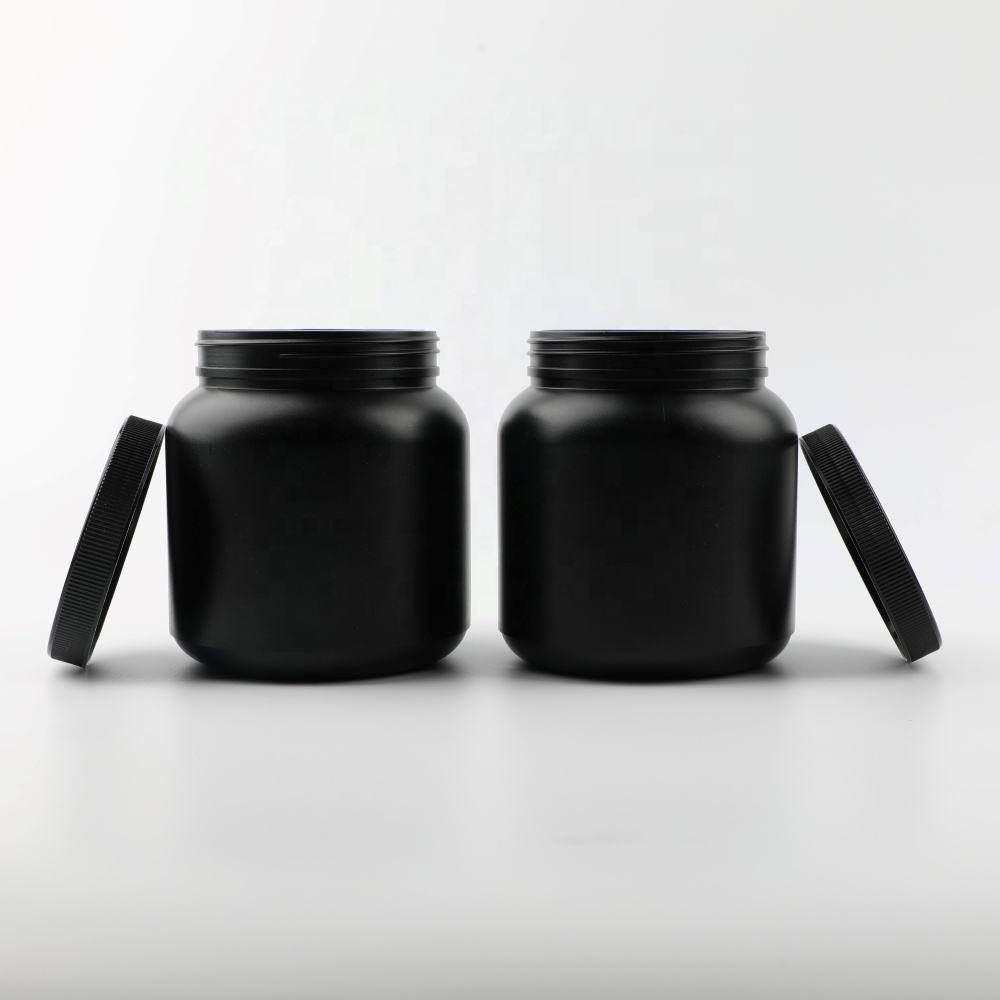
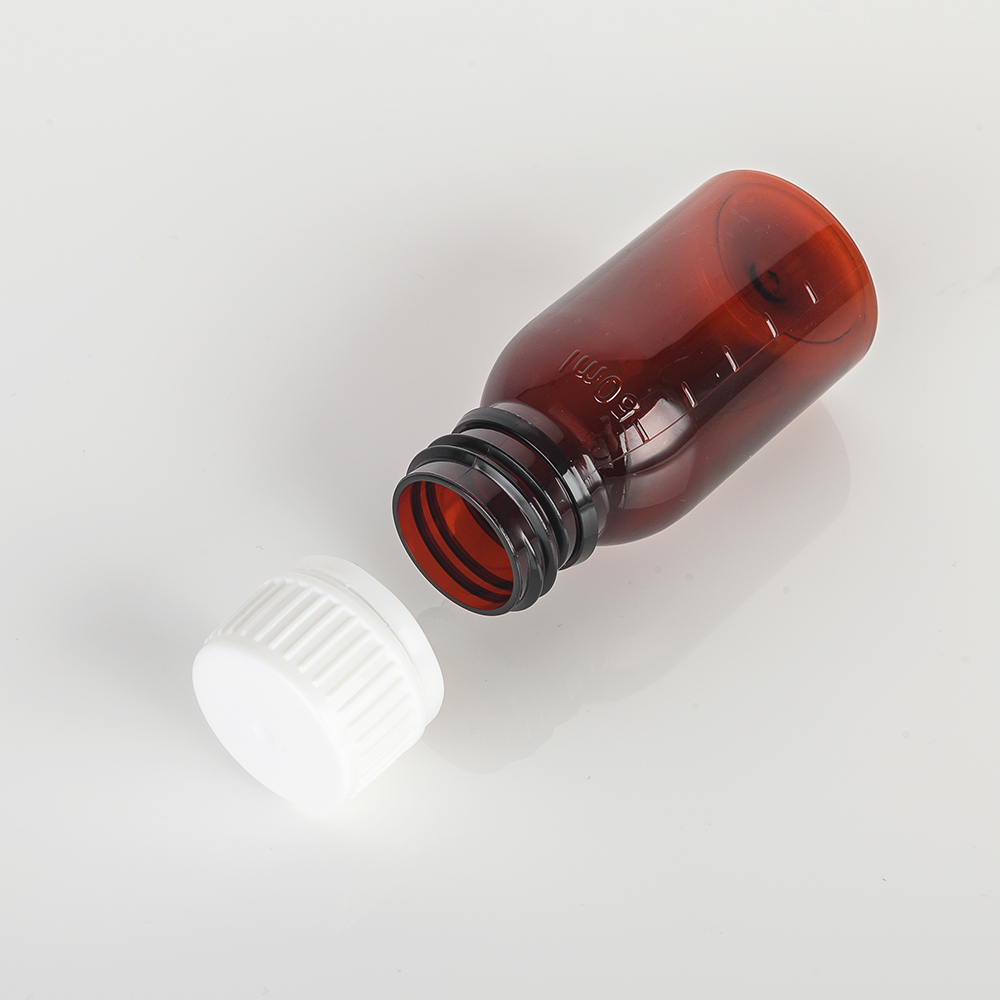
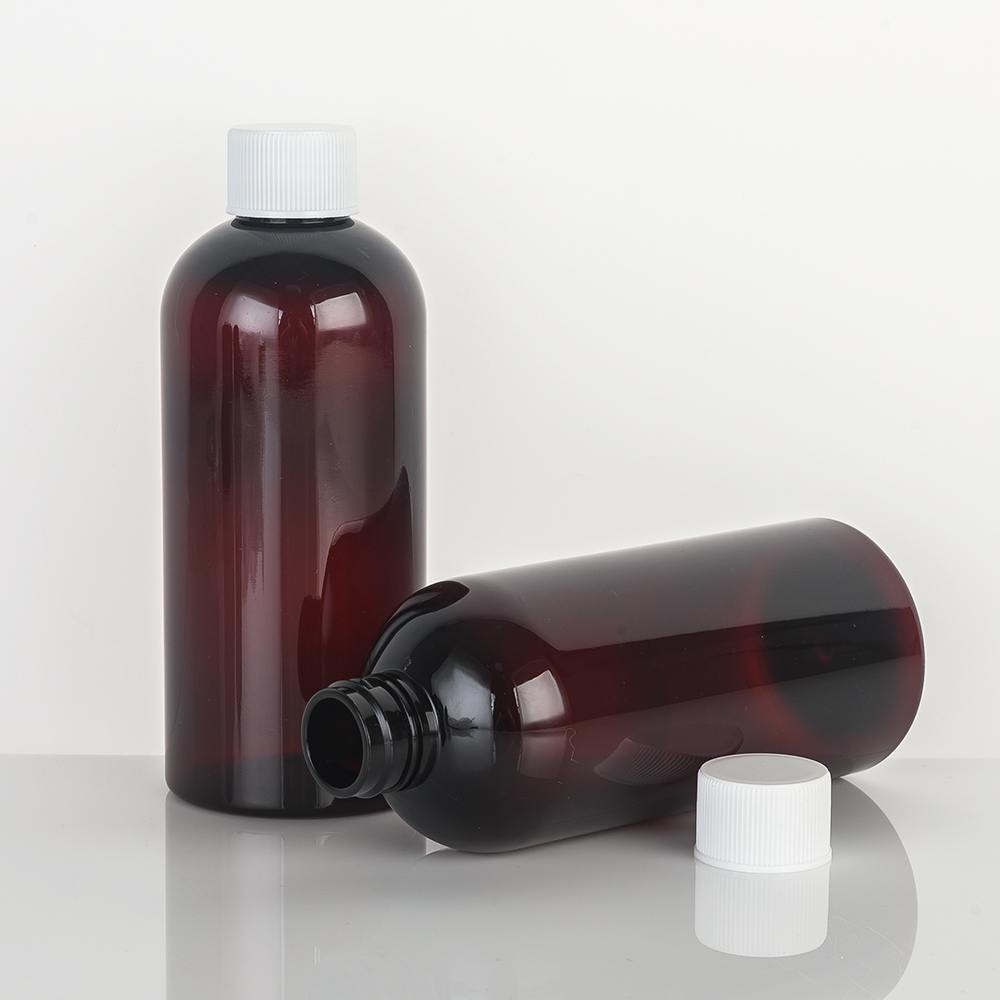
medicine vials
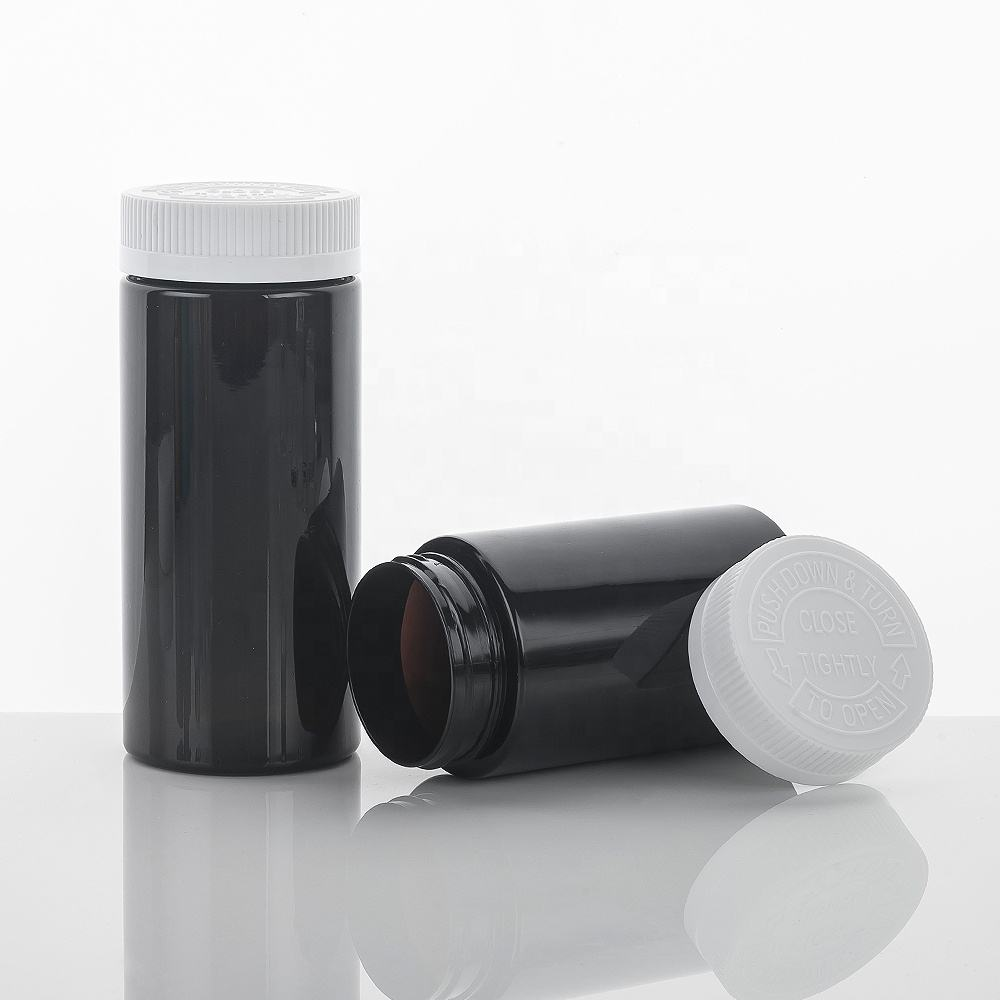
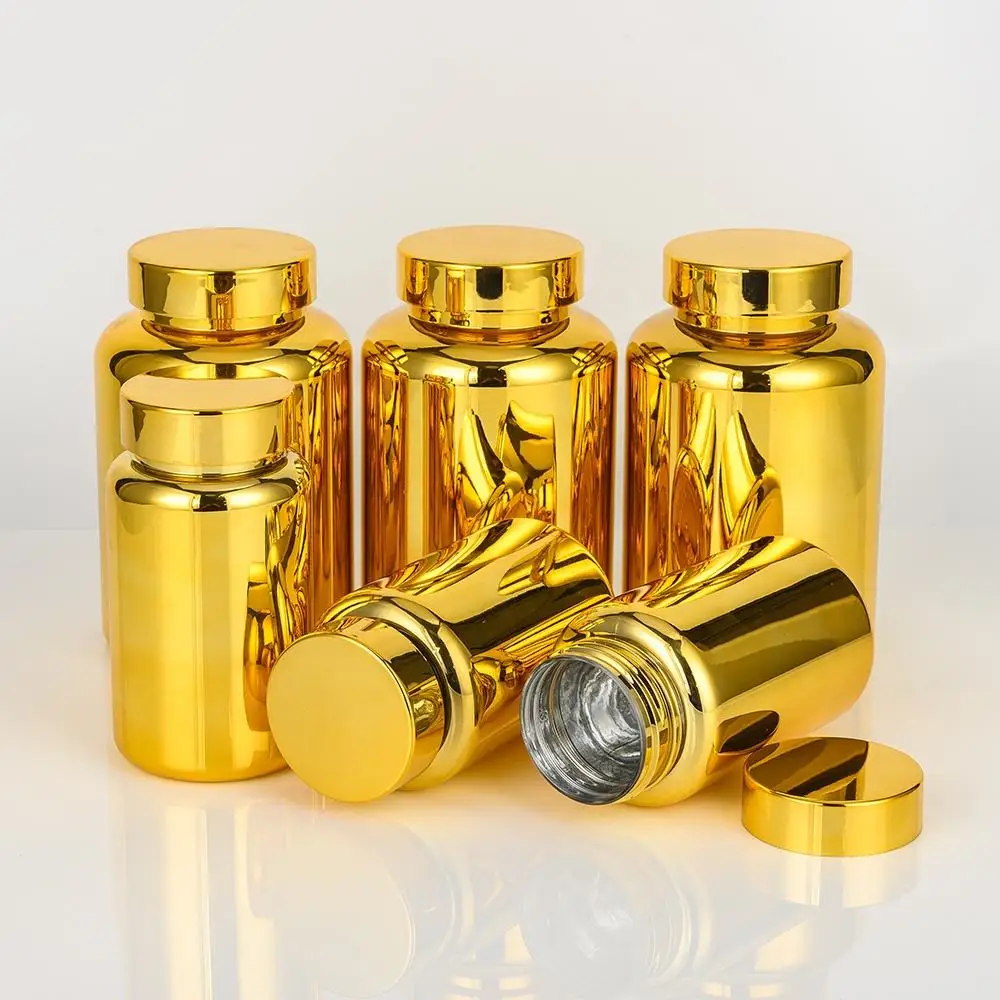
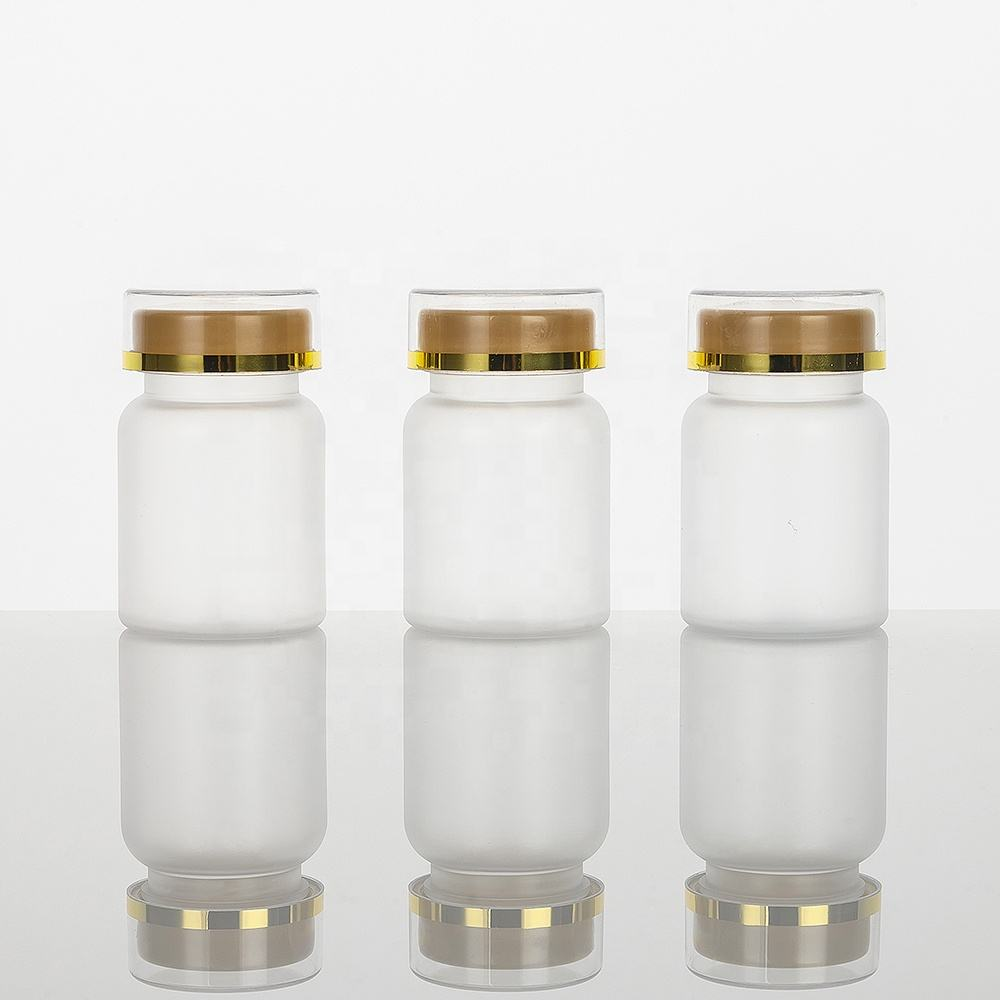
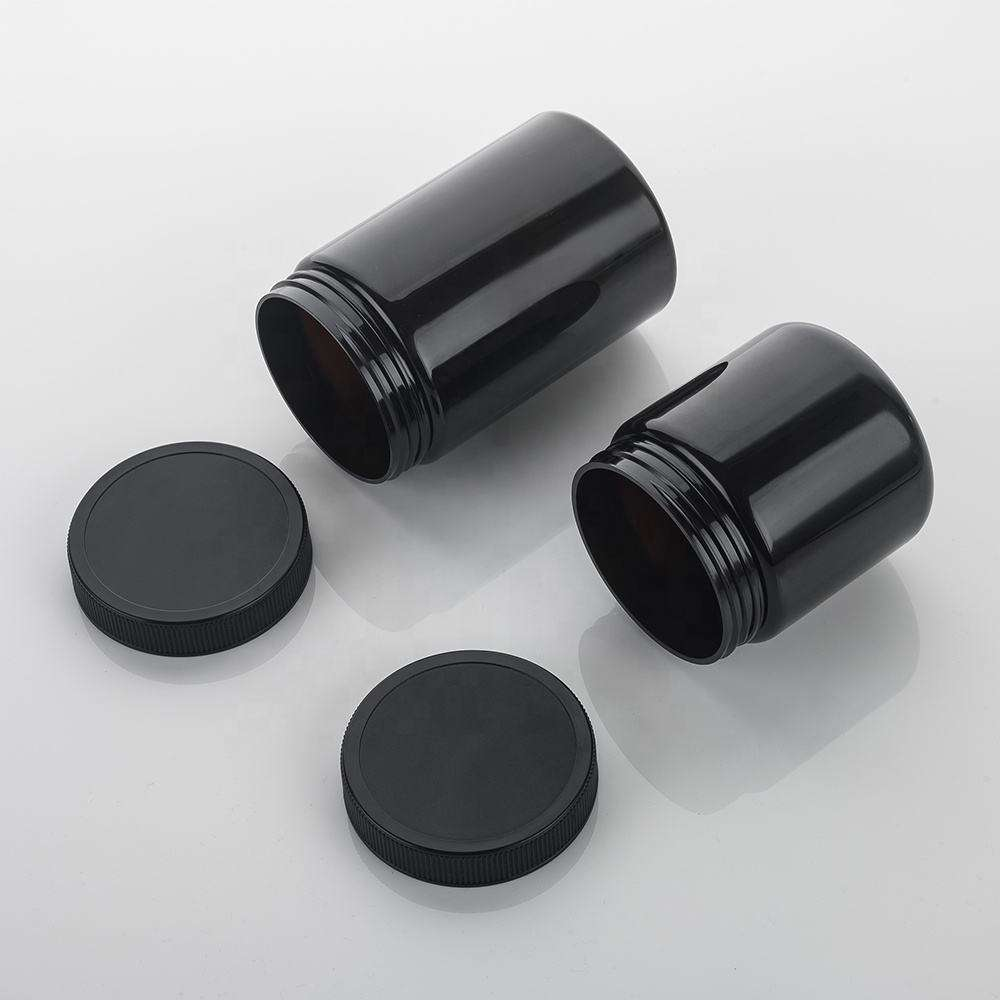
Medicine vials represent essential pharmaceutical containers designed to safely store and preserve medications in precise doses. These specialized medicine vials serve critical functions across healthcare environments, from hospitals to pharmacies and research laboratories. The primary purpose of medicine vials is to maintain medication integrity while preventing contamination and ensuring accurate dosing for patients.
Modern medicine vials incorporate advanced technological features that distinguish them from basic storage containers. These vials typically feature rubber stoppers that create airtight seals, protecting contents from environmental exposure and bacterial intrusion. The glass composition used in pharmaceutical-grade medicine vials resists chemical reactions with stored medications, ensuring stability and efficacy throughout the product's shelf life.
Medicine vials come in various sizes, ranging from single-dose containers to multi-dose formats, accommodating different treatment requirements and patient populations. The transparent design of medicine vials allows healthcare professionals to quickly verify medication volume, color, and presence of particulates. Modern medicine vials include tamper-evident features and clear labeling areas for medication identification and expiration dates.
Applications for medicine vials span diverse medical fields including vaccines, antibiotics, biologics, and specialized treatments. Hospitals utilize medicine vials for injectable medications administered during emergency care and routine procedures. Pharmaceutical manufacturers depend on quality medicine vials for product stability and regulatory compliance. Research institutions employ medicine vials for storing clinical trial compounds and laboratory samples requiring precise preservation conditions.

 EN
EN