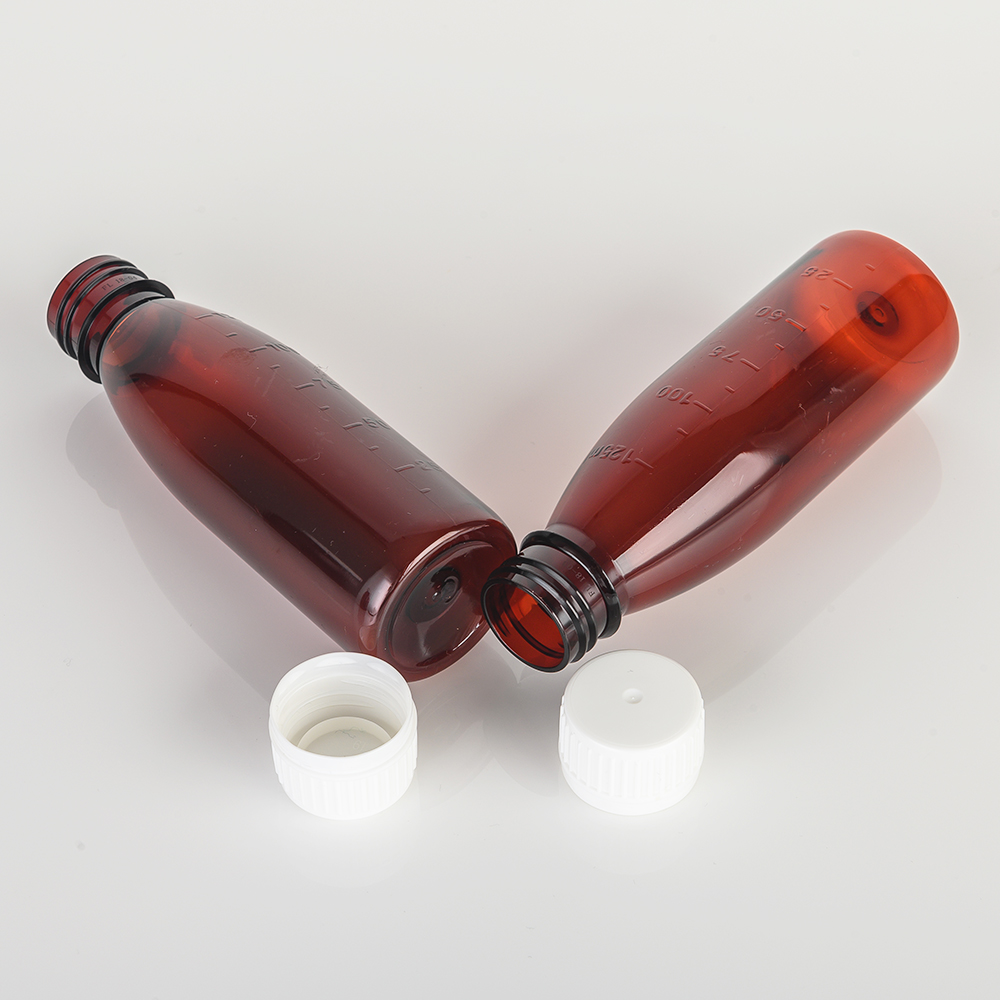
Plastic Bottle Medicine: Advanced Pharmaceutical Packaging Solutions for Safety and Convenience

All Categories

Get a Free Quote

Our representative will contact you soon.
Email
Mobile/WhatsApp
Name
Company Name
Message
0/1000

plastic bottle medicine

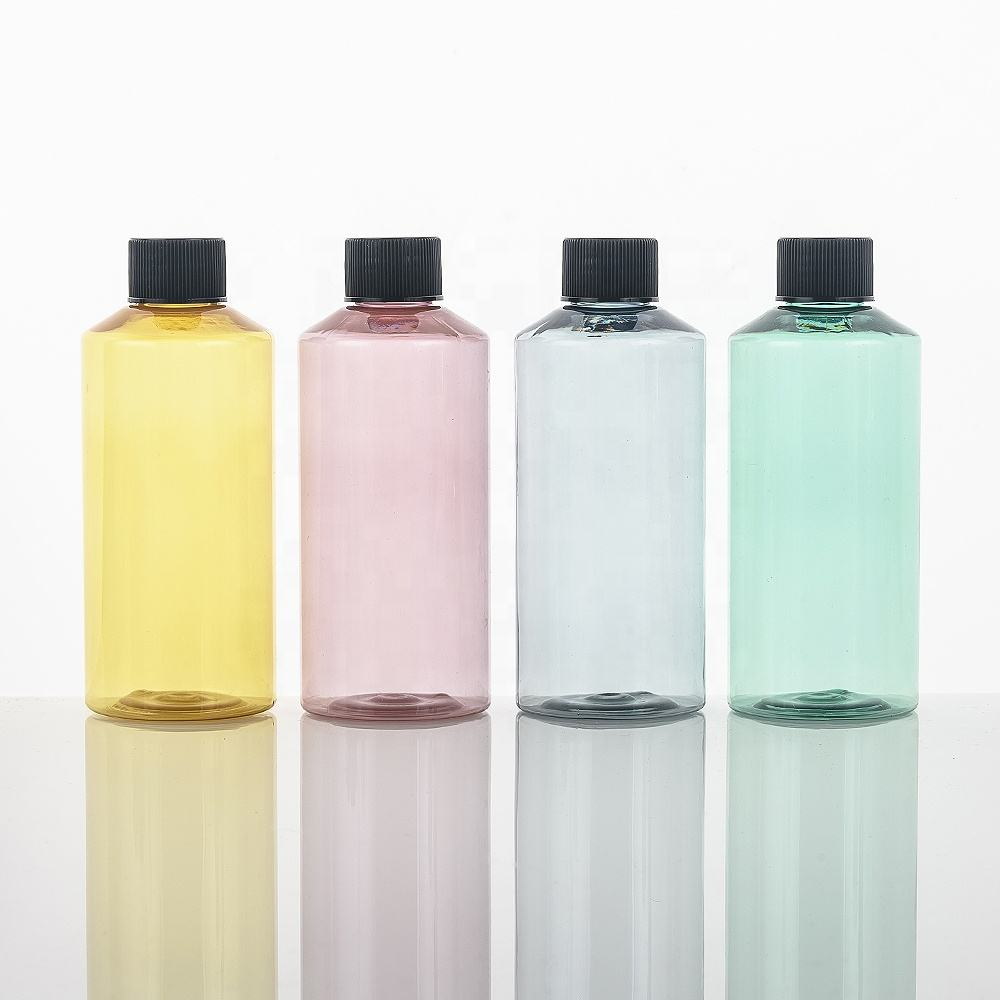
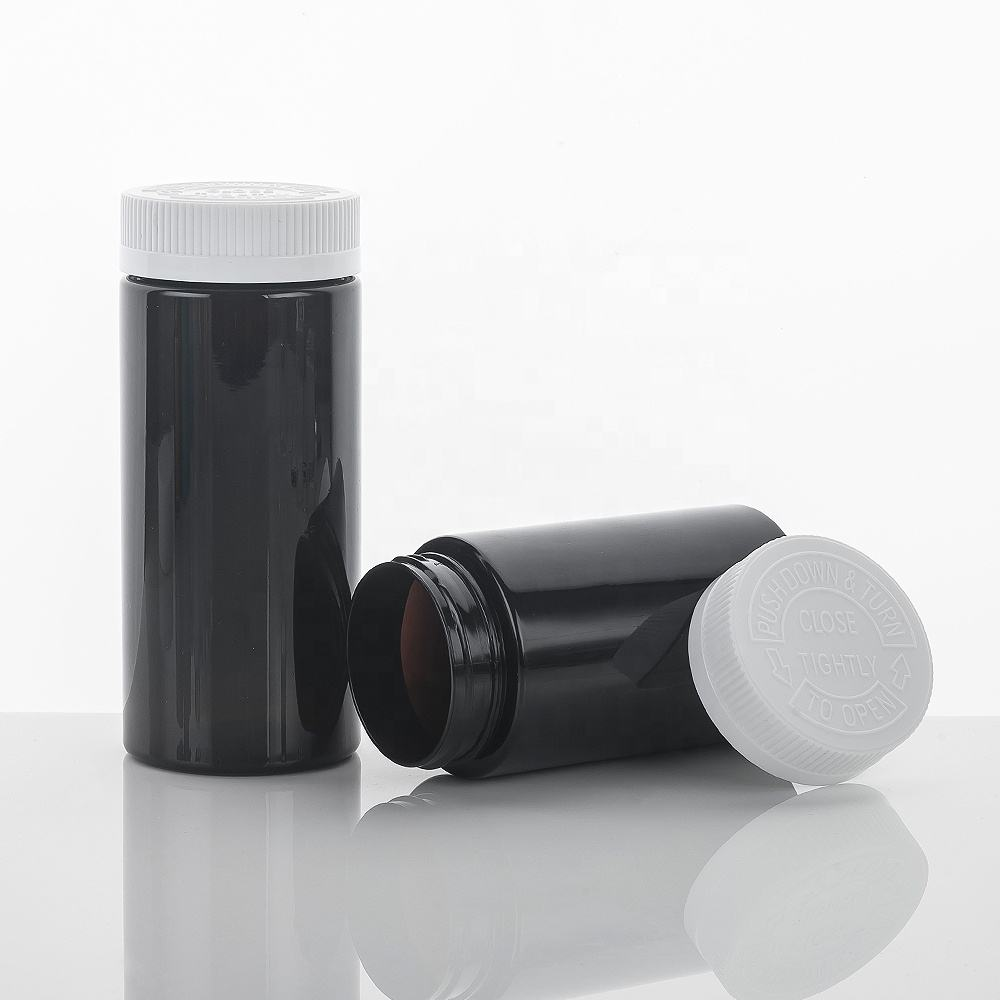
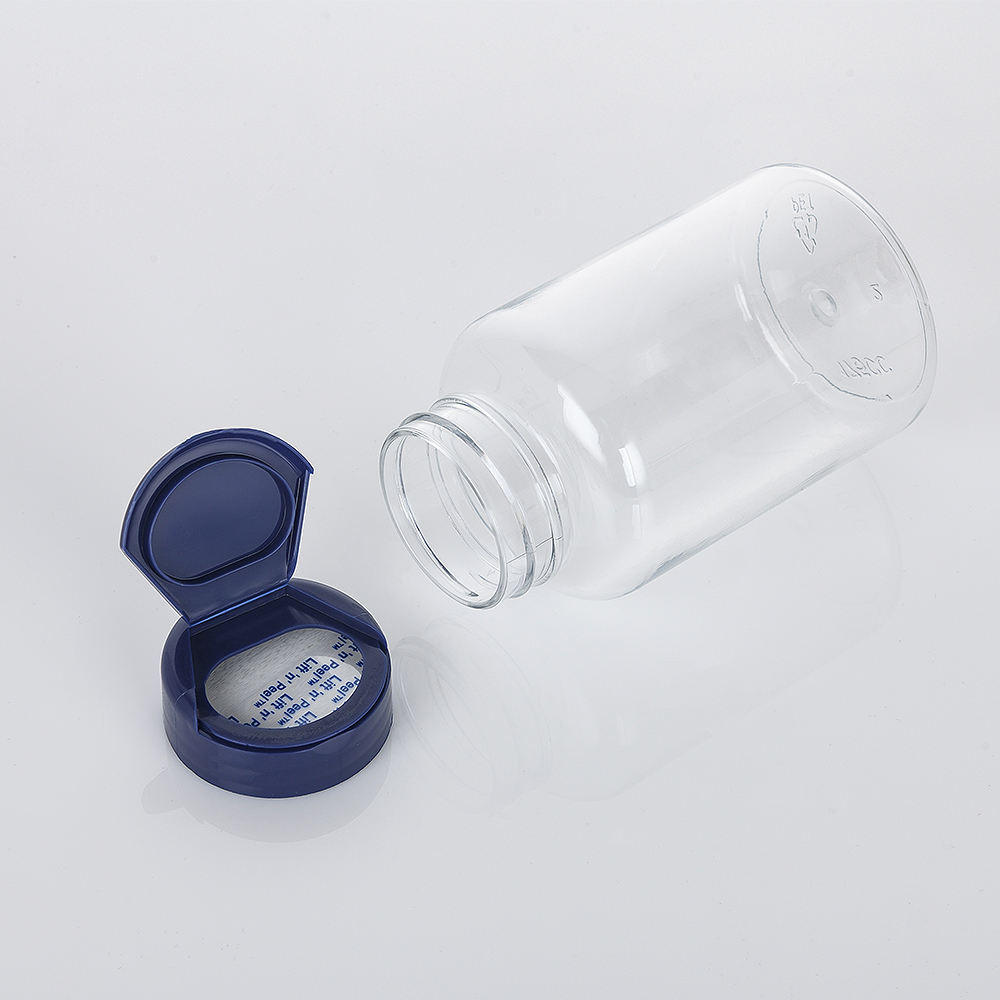
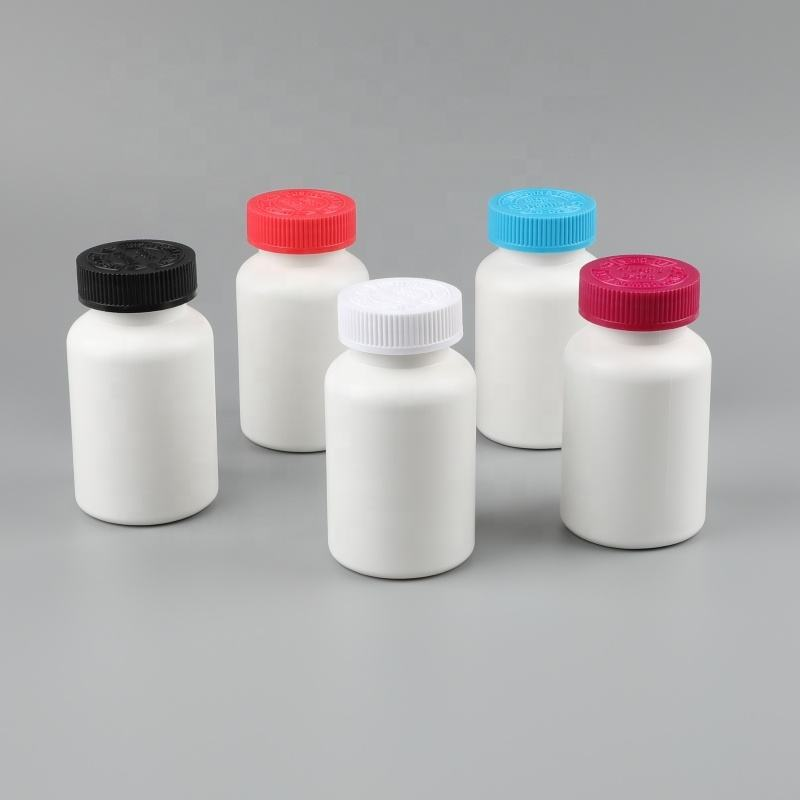
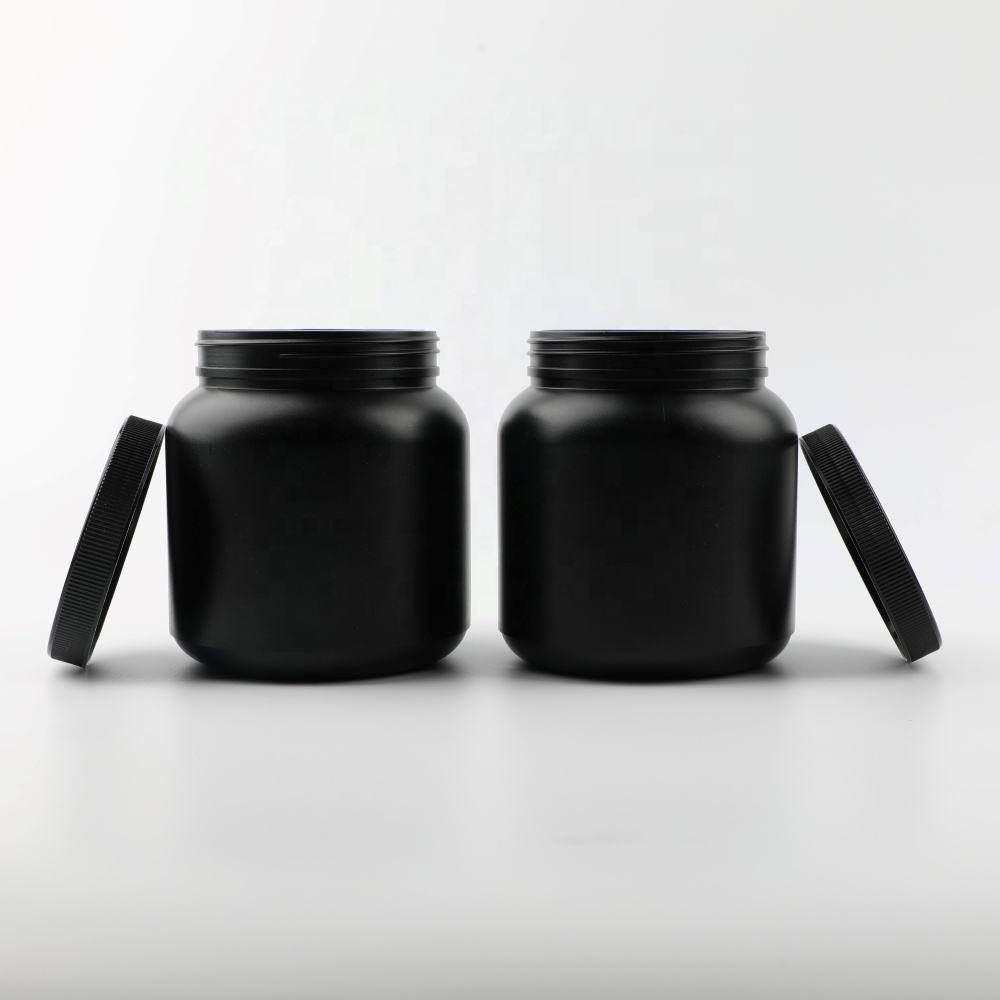
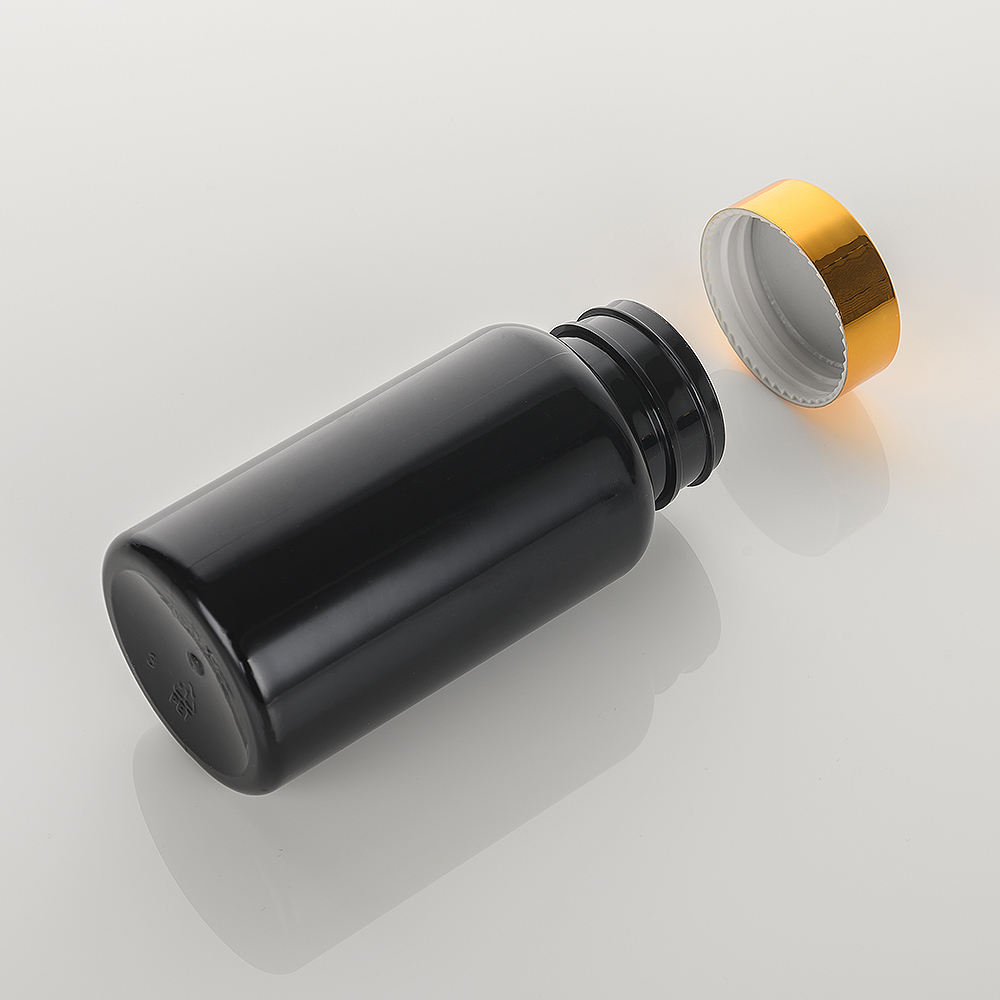
Plastic bottle medicine containers have revolutionized pharmaceutical packaging by offering secure, lightweight, and cost-effective solutions for storing and dispensing medications. These specialized containers are manufactured from high-grade pharmaceutical polymers, primarily polyethylene terephthalate, high-density polyethylene, and polypropylene, ensuring compatibility with various drug formulations. The main function of plastic bottle medicine packaging is to protect pharmaceutical products from environmental factors such as moisture, light, oxygen, and contamination while maintaining drug stability throughout the shelf life. Modern plastic bottle medicine designs incorporate child-resistant closures, tamper-evident seals, and precise dosing mechanisms to enhance safety and usability. Technological features include advanced barrier properties that prevent permeation of gases and vapors, UV-protective additives for light-sensitive medications, and compatibility with high-speed automated filling lines in pharmaceutical manufacturing facilities. The versatility of plastic bottle medicine containers allows them to accommodate solid dosage forms like tablets and capsules, liquid formulations including syrups and suspensions, and even powdered medications requiring reconstitution. Applications span across prescription medications, over-the-counter drugs, dietary supplements, vitamins, and herbal remedies. The pharmaceutical industry relies heavily on plastic bottle medicine packaging due to its ability to meet stringent regulatory requirements set by organizations such as the FDA and EMA. These containers undergo rigorous testing for extractables and leachables to ensure no harmful substances migrate into the medication. The lightweight nature of plastic bottle medicine packaging reduces transportation costs and carbon footprint compared to traditional glass alternatives. Manufacturing processes employ injection molding, blow molding, and extrusion techniques to create bottles in various sizes ranging from small 15ml containers to large 1000ml bottles. The plastic bottle medicine industry continues to innovate with smart packaging technologies, including digital labels, NFC chips for authentication, and integrated sensors that monitor storage conditions, ensuring optimal medication efficacy and patient safety throughout the product lifecycle.

Popular Products

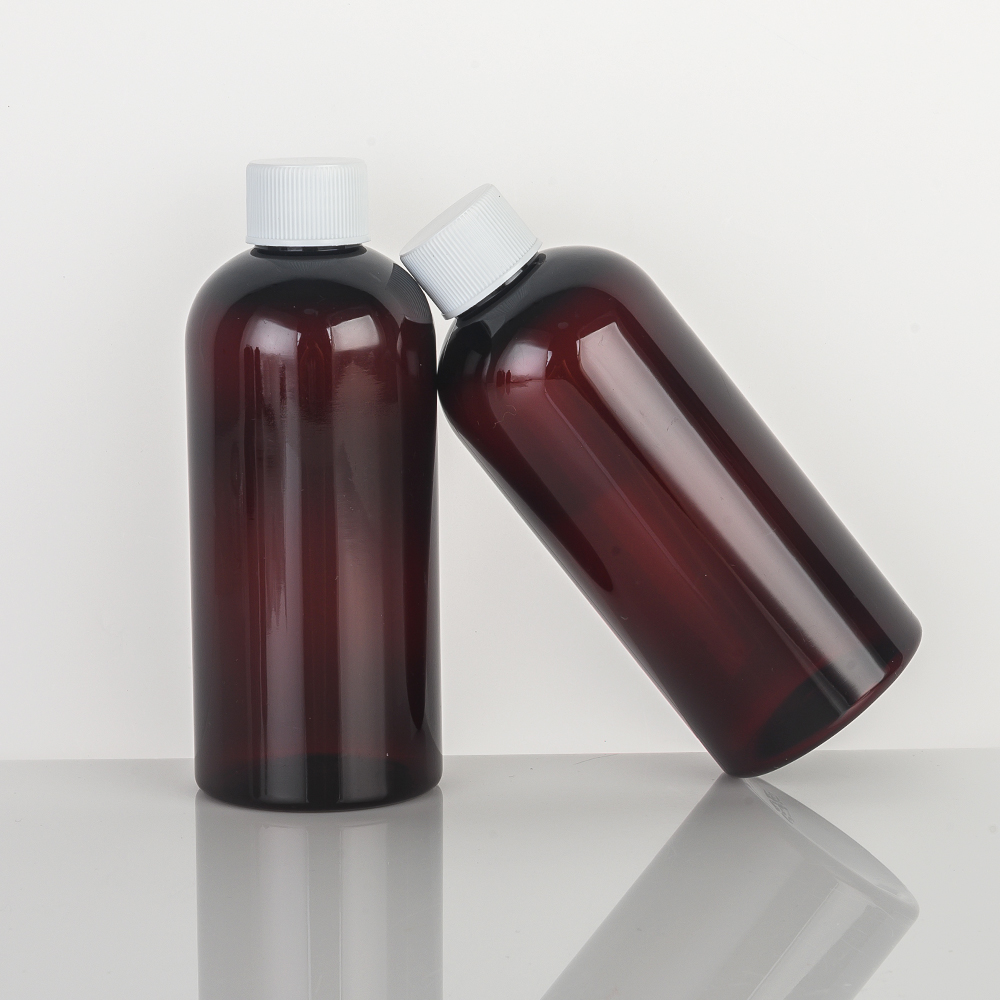
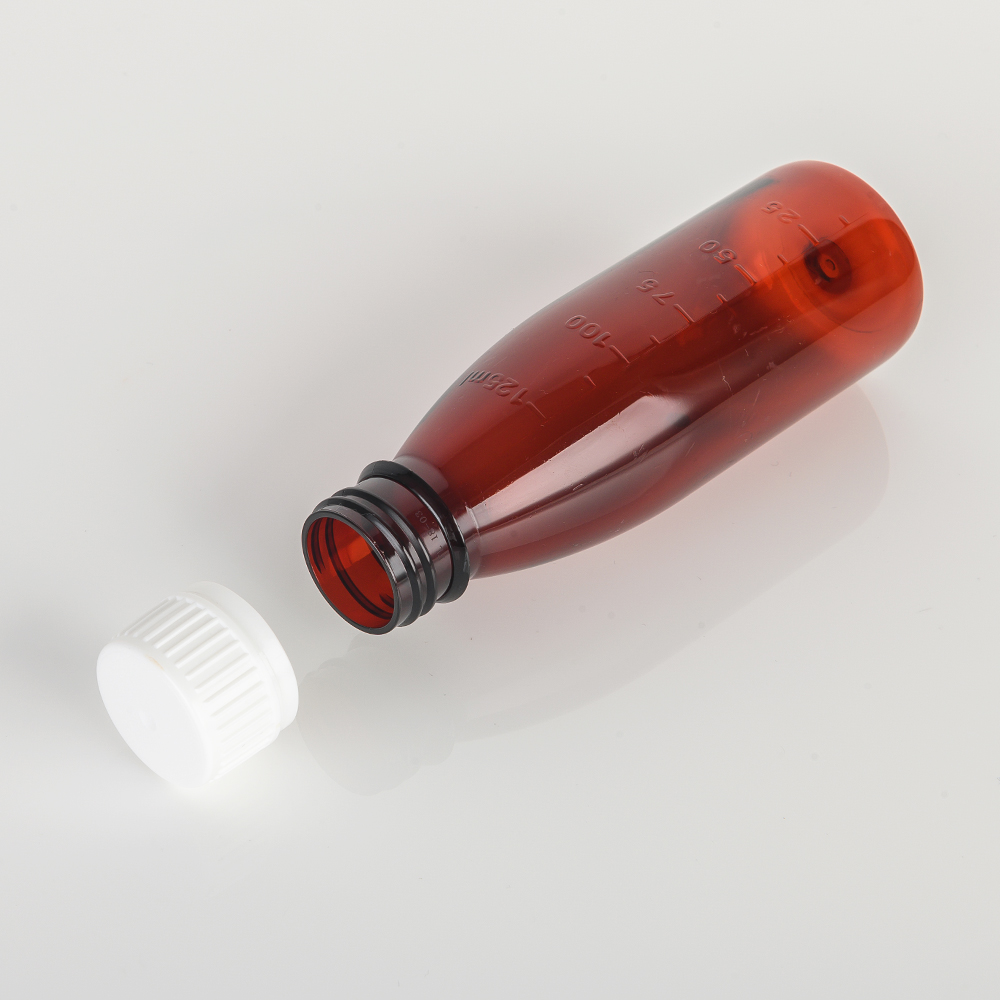
Choosing plastic bottle medicine containers offers numerous practical benefits that directly impact both healthcare providers and patients. First and foremost, these containers provide superior durability compared to glass alternatives, significantly reducing breakage risks during transportation, storage, and daily handling. This unbreakable quality makes plastic bottle medicine particularly valuable in home healthcare settings where elderly patients or individuals with limited dexterity handle medications regularly. The lightweight construction reduces shipping expenses substantially, allowing pharmaceutical companies to lower distribution costs while minimizing environmental impact through reduced fuel consumption during transport. Patients appreciate the convenience factor as plastic bottle medicine containers are easier to carry in purses, travel bags, or pockets without adding excessive weight or creating safety concerns. The design flexibility of plastic bottle medicine packaging enables manufacturers to create ergonomic shapes with easy-grip surfaces, wide-mouth openings for simplified access, and integrated measuring devices for accurate dosing. Cost-effectiveness represents another significant advantage, as plastic bottle medicine production requires less energy and raw materials compared to glass manufacturing, resulting in lower per-unit costs that translate to more affordable medication prices for consumers. The material versatility allows customization for specific pharmaceutical needs, including amber-colored bottles for photosensitive drugs, opaque containers for moisture-sensitive formulations, and transparent designs for visual inspection of contents. Safety features integrated into plastic bottle medicine packaging provide peace of mind for families with children, as child-resistant caps require specific manipulation techniques that prevent accidental ingestion while remaining accessible for adults. The moisture barrier properties of modern plastic bottle medicine containers protect hygroscopic medications from humidity-related degradation, extending shelf life and maintaining therapeutic efficacy. Compatibility with various closure systems, including screw caps, flip-tops, and dropper assemblies, makes plastic bottle medicine suitable for diverse medication types and administration methods. Environmental considerations have improved dramatically with recyclable plastic bottle medicine options manufactured from materials that enter circular economy systems, reducing landfill waste. The chemical resistance of pharmaceutical-grade plastics ensures no interaction with acidic, alkaline, or oil-based medications, preserving drug integrity and patient safety. Manufacturing efficiency enables rapid production scaling to meet sudden demand surges, as demonstrated during public health emergencies when medication supply chains require immediate expansion. Temperature stability allows plastic bottle medicine containers to withstand varying storage conditions without structural compromise, maintaining protective properties across refrigerated, room temperature, and elevated temperature environments encountered during global distribution networks.

Practical Tips

Our advantage

10

Mar

Our advantage

View More
TAIZHOU ZONG LV SHU PACKING CO., LTD

17

Mar

TAIZHOU ZONG LV SHU PACKING CO., LTD

View More

Get a Free Quote

Our representative will contact you soon.
Email
Mobile/WhatsApp
Name
Company Name
Message
0/1000

plastic bottle medicine

Advanced Barrier Protection Technology Ensures Medication Integrity

Advanced Barrier Protection Technology Ensures Medication Integrity

The barrier protection technology incorporated into plastic bottle medicine containers represents a critical advancement in pharmaceutical packaging science that directly safeguards medication quality and patient health outcomes. Modern plastic bottle medicine manufacturing employs sophisticated multi-layer construction techniques and specialized polymer formulations that create effective barriers against oxygen, moisture vapor, and light transmission. These protective properties are essential because many pharmaceutical compounds undergo degradation when exposed to environmental elements, potentially rendering medications ineffective or even harmful. The oxygen barrier capabilities of plastic bottle medicine containers prevent oxidative degradation of sensitive active pharmaceutical ingredients, particularly important for compounds like vitamins, antibiotics, and certain cardiovascular medications that rapidly deteriorate in oxygen-rich environments. Moisture protection stands equally crucial, as hygroscopic medications absorb atmospheric humidity, leading to physical changes such as clumping, dissolution, or chemical hydrolysis that compromise therapeutic efficacy. Plastic bottle medicine designs incorporate desiccant systems within closures or as separate inserts to maintain optimal internal humidity levels throughout the product shelf life. Light-blocking properties protect photosensitive medications from ultraviolet and visible light degradation, achieved through pigmentation additives or amber-colored resins that filter harmful wavelengths while allowing visual inspection when necessary. The technological sophistication extends to molecular-level engineering where polymer chains are optimized for minimal permeability, creating tortuous pathways that dramatically slow the diffusion of gases and vapors through container walls. Testing protocols for plastic bottle medicine barrier performance include accelerated stability studies under extreme temperature and humidity conditions, ensuring containers maintain protective properties throughout anticipated storage durations and distribution challenges. Pharmaceutical manufacturers select specific plastic bottle medicine materials based on drug compatibility studies, considering factors such as pH sensitivity, organic solvent content, and essential oil components that might interact with packaging materials. The development of high-barrier plastic bottle medicine options has enabled shelf-life extensions for many medications, reducing waste from expired products and improving supply chain efficiency. Quality assurance processes verify that each plastic bottle medicine unit meets predetermined barrier specifications through rigorous sampling and instrumental analysis measuring oxygen transmission rates, water vapor permeation, and light transmission percentages. These protective features translate directly to patient benefits by ensuring medications retain full potency from manufacturing through final consumption, maximizing therapeutic effectiveness and justifying patient trust in pharmaceutical products.
User-Centric Design Features Enhance Medication Adherence and Safety

User-Centric Design Features Enhance Medication Adherence and Safety

The user-centric design philosophy embedded in modern plastic bottle medicine containers addresses critical challenges in medication adherence, accessibility, and safety that directly impact treatment outcomes across diverse patient populations. Ergonomic considerations shape every aspect of plastic bottle medicine development, from bottle diameter and grip texture to closure mechanisms and labeling placement, recognizing that packaging design significantly influences whether patients correctly and consistently take prescribed medications. Child-resistant closures integrated into plastic bottle medicine containers employ sophisticated mechanical designs requiring simultaneous pressing and turning motions that challenge young children while remaining manageable for most adults, though senior-friendly alternatives offer easier opening mechanisms for elderly patients with arthritis or reduced hand strength. The transparent or translucent nature of many plastic bottle medicine designs enables visual medication verification, allowing patients and caregivers to confirm pill count, detect moisture intrusion, and identify product authenticity before consumption, building confidence in medication quality. Tactile features molded into plastic bottle medicine surfaces provide sensory feedback for visually impaired individuals, including raised symbols, textured grip zones, and distinct shape profiles that enable differentiation between multiple medications through touch alone. Wide-mouth openings characteristic of quality plastic bottle medicine containers facilitate easier medication retrieval, particularly beneficial for patients with tremors, limited fine motor control, or visual impairments who struggle with narrow-neck bottles requiring precise hand-eye coordination. Integrated measuring devices within plastic bottle medicine packaging eliminate dosing errors common with separate measuring tools, incorporating graduated medicine cups as caps or built-in droppers calibrated for accurate liquid medication administration. The lightweight construction of plastic bottle medicine containers reduces physical strain for patients managing multiple medications, elderly individuals with limited strength, or caregivers transporting medications between locations, improving overall treatment compliance. Labeling surfaces on plastic bottle medicine containers accommodate large-print text, high-contrast color schemes, and comprehensive medication information including drug names, dosage instructions, warning symbols, and expiration dates, supporting informed patient decision-making. Tamper-evident features provide visible evidence of unauthorized access, typically through breakaway bands or seal indicators that reassure patients about product integrity from pharmacy to home. The stackable and space-efficient design of standardized plastic bottle medicine containers optimizes storage in medicine cabinets, facilitating organized medication management systems that reduce missed doses and accidental double-dosing incidents. Compatibility with smart home systems and medication reminder devices represents emerging functionality, with some plastic bottle medicine designs incorporating sensors or RFID tags that interface with mobile applications to track medication adherence patterns and send refill reminders.
Sustainable Manufacturing and Regulatory Compliance Drive Industry Leadership

Sustainable Manufacturing and Regulatory Compliance Drive Industry Leadership

The plastic bottle medicine industry demonstrates exceptional commitment to sustainable manufacturing practices and stringent regulatory compliance that establishes these containers as responsible choices meeting both environmental stewardship goals and pharmaceutical safety standards demanded by global health authorities. Environmental consciousness permeates modern plastic bottle medicine production through adoption of recycled content integration, bio-based polymer alternatives, and circular economy principles that minimize virgin plastic consumption and reduce manufacturing carbon footprints. Leading plastic bottle medicine manufacturers have implemented closed-loop recycling programs accepting returned containers for reprocessing into new pharmaceutical-grade packaging, demonstrating feasibility of sustainable lifecycles within highly regulated pharmaceutical applications. Energy-efficient manufacturing processes for plastic bottle medicine production utilize advanced molding technologies that reduce cycle times, minimize material waste through precision forming, and recover thermal energy for facility heating or electricity generation, substantially lowering environmental impact per unit produced. Regulatory compliance represents non-negotiable priority in plastic bottle medicine manufacturing, with production facilities maintaining certifications including ISO 15378 for primary pharmaceutical packaging, Good Manufacturing Practice standards, and country-specific authorizations from agencies like the FDA, EMA, and other national health authorities. Material selection for plastic bottle medicine applications follows exhaustive validation protocols documenting biocompatibility, extractables and leachables profiles, chemical resistance characteristics, and stability under sterilization processes when required for specific pharmaceutical applications. Traceability systems embedded throughout plastic bottle medicine supply chains enable complete documentation from raw material sourcing through final product delivery, supporting recall capabilities and quality investigations when potential issues arise. Testing laboratories affiliated with plastic bottle medicine manufacturers conduct continuous verification of mechanical properties, barrier performance, closure integrity, and dimensional specifications, ensuring every batch meets predetermined acceptance criteria before release to pharmaceutical customers. The regulatory landscape governing plastic bottle medicine containers continues evolving with increasing focus on sustainability metrics, prompting industry innovation in biodegradable polymers, reduced-weight designs maintaining protective performance, and alternative materials derived from renewable resources rather than petroleum feedstocks. Transparency initiatives within the plastic bottle medicine sector provide pharmaceutical partners and ultimately patients with detailed environmental product declarations quantifying carbon footprint, water consumption, and recyclability percentages, enabling informed purchasing decisions aligned with corporate sustainability commitments. International harmonization efforts facilitate plastic bottle medicine acceptance across multiple markets through standardized testing methodologies and mutual recognition agreements between regulatory agencies, reducing duplicative validation requirements and accelerating new product introductions. The combination of environmental responsibility and regulatory excellence positions plastic bottle medicine containers as future-focused packaging solutions that balance patient safety, product protection, cost-effectiveness, and ecological consciousness, establishing industry leadership in pharmaceutical packaging innovation and responsible manufacturing practices that benefit all stakeholders throughout the healthcare ecosystem.

Get a Free Quote

Our representative will contact you soon.
Email
Mobile/WhatsApp
Name
Company Name
Message
0/1000