Plastic Drug Vials - Durable Pharmaceutical Packaging Solutions for Safe Medication Storage

All Categories

Get a Free Quote

Our representative will contact you soon.
Email
Mobile/WhatsApp
Name
Company Name
Message
0/1000

plastic drug vials

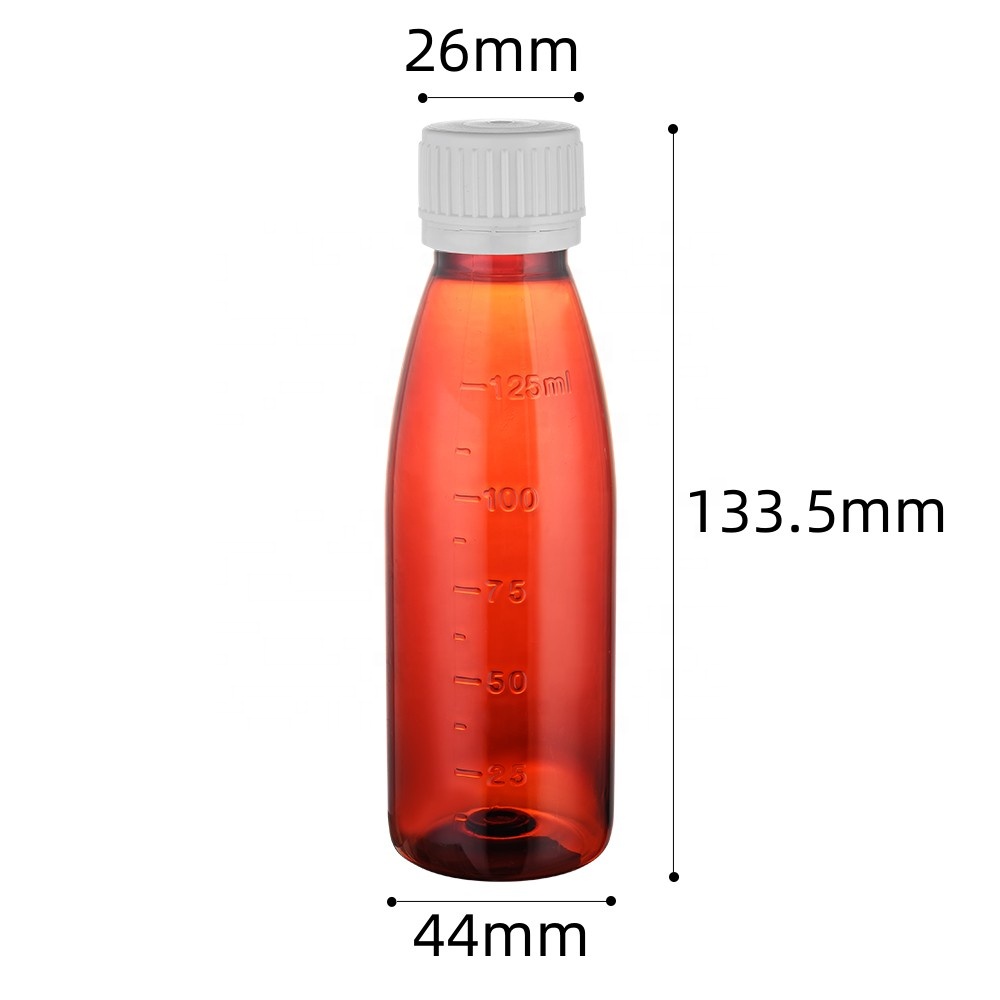
Plastic drug vials represent a revolutionary advancement in pharmaceutical packaging, offering modern healthcare facilities and pharmaceutical manufacturers a reliable, cost-effective solution for storing and dispensing medications. These specialized containers are engineered from high-grade pharmaceutical polymers that meet stringent regulatory standards while providing exceptional protection for various drug formulations. Plastic drug vials serve as essential vessels for liquid medications, powdered substances, and lyophilized products, ensuring drug stability and patient safety throughout the product lifecycle. The main functions of plastic drug vials include preserving medication integrity by creating protective barriers against moisture, oxygen, and light contamination. They facilitate accurate dosing through precise volume measurements and enable safe transportation across distribution networks. These vials incorporate tamper-evident features that provide visual confirmation of product security, giving healthcare providers and patients confidence in medication authenticity. Technologically, plastic drug vials utilize advanced polymer science, typically manufactured from materials such as polypropylene, polyethylene, or cyclic olefin copolymers that demonstrate excellent chemical resistance and biocompatibility. The manufacturing process involves precision molding techniques that create consistent wall thickness and dimensional accuracy, critical factors for automated filling operations. Many plastic drug vials feature break-resistance characteristics that significantly reduce the risk of container failure during handling and transportation. Applications for plastic drug vials span multiple healthcare sectors, including hospitals, pharmacies, clinical laboratories, and home healthcare settings. They accommodate various medication types, from antibiotics and vaccines to insulin and biologics. Veterinary medicine also relies heavily on plastic drug vials for animal medications. The versatility of plastic drug vials makes them indispensable in emergency medical services, where durability and lightweight properties prove essential. Research institutions and pharmaceutical development facilities use these vials during drug formulation studies and clinical trials, benefiting from their consistency and reproducibility in experimental protocols.

Popular Products

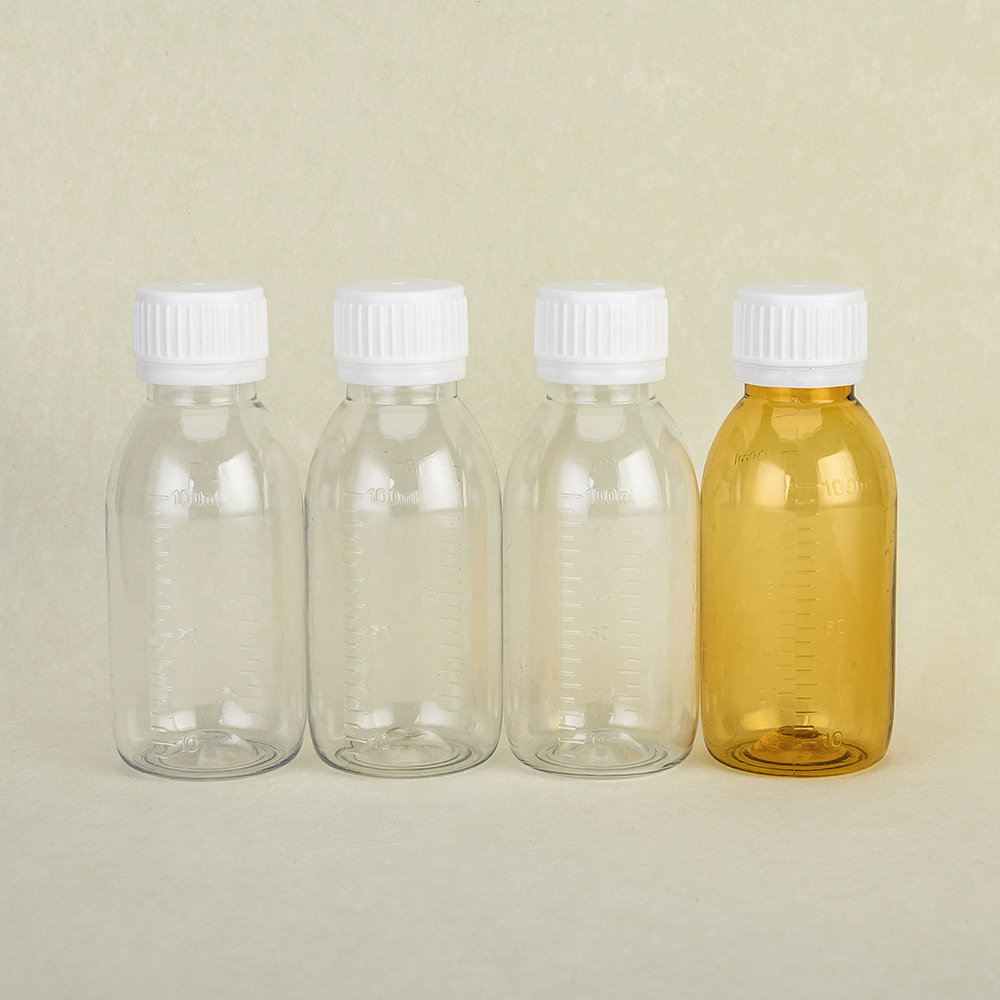
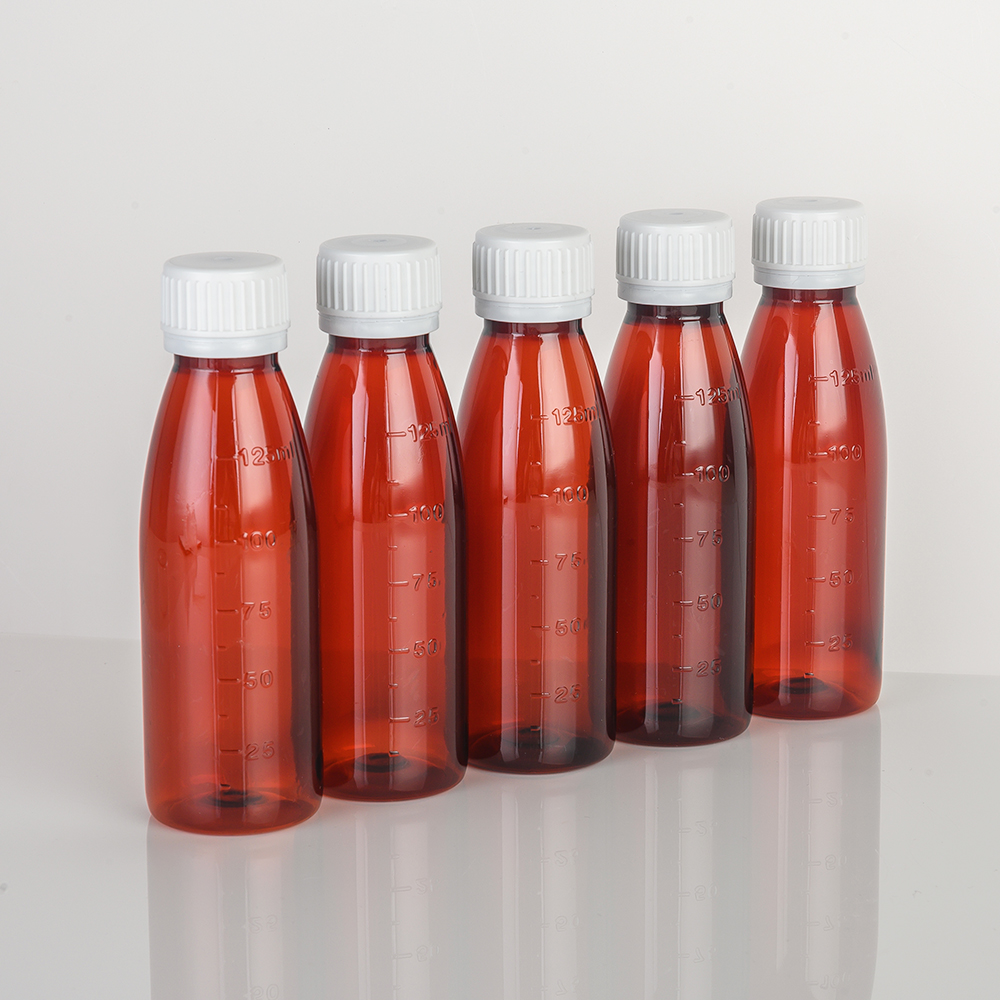
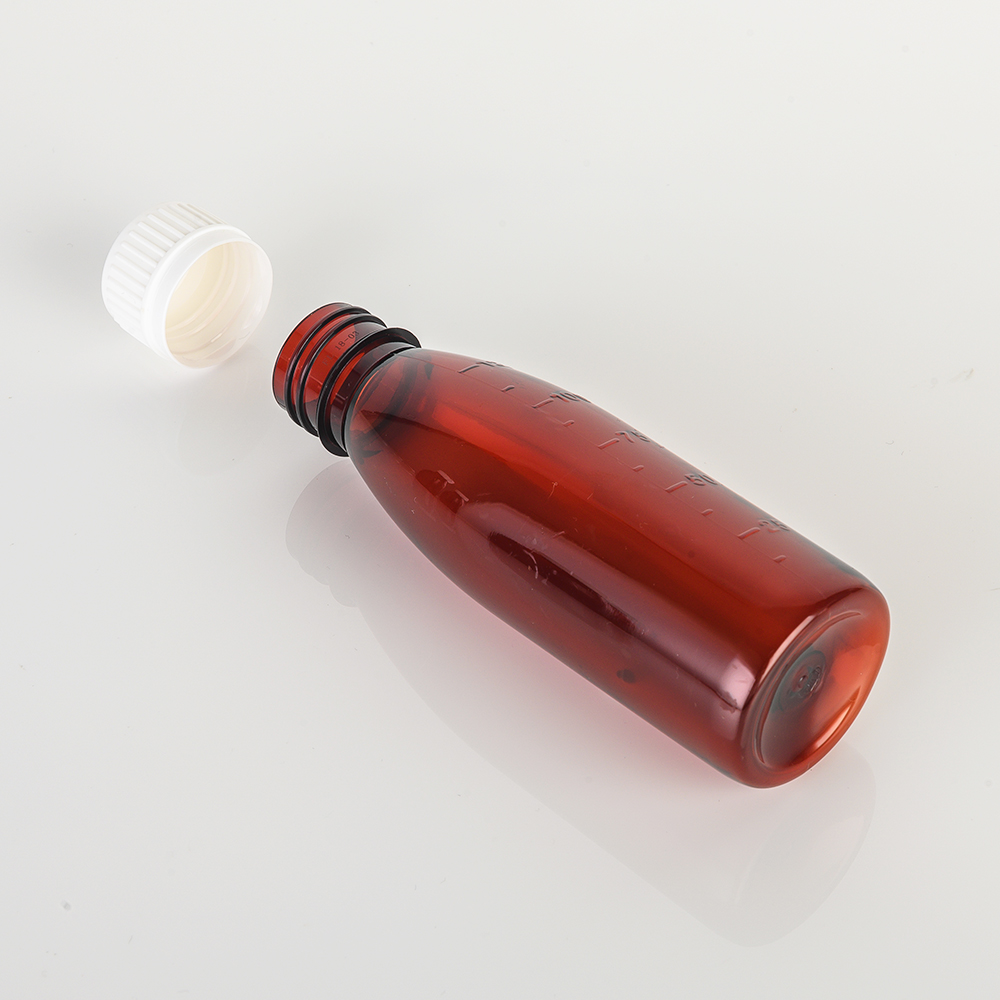
Plastic drug vials deliver numerous practical benefits that directly impact operational efficiency and patient outcomes in healthcare environments. The lightweight nature of these containers significantly reduces shipping costs compared to traditional glass alternatives, allowing pharmaceutical companies and distributors to optimize logistics budgets while maintaining product quality. This weight advantage also makes handling easier for healthcare workers, reducing physical strain during daily medication preparation tasks and minimizing workplace injury risks. The shatter-resistant properties of plastic drug vials provide a major safety enhancement in busy clinical settings where accidental drops and impacts occur frequently. Unlike glass containers that create dangerous sharp fragments when broken, plastic drug vials remain intact or break into blunt pieces, protecting healthcare personnel and patients from potential lacerations and contamination incidents. This durability translates into reduced product loss and waste, improving inventory management and cost control for healthcare facilities operating under tight budget constraints. Temperature resilience represents another significant advantage, as plastic drug vials withstand extreme temperature variations encountered during cold chain transportation and storage without cracking or compromising structural integrity. This thermal stability ensures medication efficacy remains uncompromised from manufacturing facilities to end users, particularly important for temperature-sensitive biologics and vaccines. The manufacturing process for plastic drug vials allows for integrated design features such as tamper-evident caps, color-coding systems, and measurement markings that enhance usability and medication safety protocols. These built-in features eliminate the need for additional accessories, streamlining medication preparation workflows and reducing procedural complexity for nursing staff. Cost-effectiveness extends beyond initial purchase prices, as plastic drug vials require less energy to produce and transport than glass alternatives, contributing to lower overall environmental impact and operational expenses. The chemical inertness of pharmaceutical-grade polymers ensures compatibility with diverse drug formulations, preventing unwanted interactions that could compromise medication stability or potency. Healthcare facilities benefit from simplified disposal procedures, as many plastic drug vials qualify for standard medical waste protocols without requiring specialized glass disposal containers. The transparent or translucent properties of plastic drug vials enable visual inspection of contents, allowing healthcare providers to quickly identify contamination, precipitation, or discoloration before administration. This visual clarity supports quality assurance processes and enhances patient safety measures. Customization options for plastic drug vials accommodate specific pharmaceutical requirements, including various sizes, shapes, and closure systems that align with automated dispensing equipment and standardized medication protocols, ultimately improving workflow efficiency and reducing medication errors in clinical practice.

Latest News

Our advantage

10

Mar

Our advantage

View More
TAIZHOU ZONG LV SHU PACKING CO., LTD

17

Mar

TAIZHOU ZONG LV SHU PACKING CO., LTD

View More

Get a Free Quote

Our representative will contact you soon.
Email
Mobile/WhatsApp
Name
Company Name
Message
0/1000

plastic drug vials

Superior Impact Resistance and Safety Features

Superior Impact Resistance and Safety Features

The exceptional impact resistance of plastic drug vials represents a transformative safety feature that addresses critical vulnerabilities inherent in traditional pharmaceutical packaging. This characteristic stems from advanced polymer engineering that creates molecular structures capable of absorbing and dispersing impact energy without fracturing. When plastic drug vials experience drops, collisions, or compression forces during transportation and handling, the material flexes rather than shatters, maintaining container integrity and preventing medication loss. This resilience proves particularly valuable in high-pressure healthcare environments such as emergency rooms, ambulances, and busy hospital pharmacies where rapid medication preparation occurs under time constraints. The safety implications extend beyond preventing container breakage to eliminating the hazardous glass fragments that pose serious injury risks to healthcare workers and patients. In pediatric and psychiatric settings, where patient behavior may be unpredictable, plastic drug vials provide an additional security layer by removing potential weapons or self-harm implements from the environment. The break-resistant nature also reduces contamination risks associated with glass particles entering medication preparations, a concern that can lead to serious patient complications and liability issues. From an operational perspective, this durability translates into measurable cost savings through reduced product waste and fewer replacement orders. Pharmaceutical facilities report significantly lower breakage rates during automated filling and packaging processes when using plastic drug vials, improving production efficiency and reducing downtime for equipment cleaning after glass breakage incidents. The impact resistance remains consistent across temperature ranges, meaning frozen medications for long-term storage maintain container integrity without the thermal shock vulnerabilities that affect glass. This property proves essential for vaccine distribution programs and biologic medications requiring ultra-cold storage conditions. Insurance and risk management professionals recognize the liability reduction associated with plastic drug vials, as facilities experience fewer worker compensation claims related to glass injuries and patient safety incidents involving broken containers. The material properties also facilitate compliance with workplace safety regulations and accreditation standards that emphasize hazard reduction in healthcare settings. Transportation companies prefer plastic drug vials because they withstand the vibrations, impacts, and handling variations typical in distribution networks without requiring excessive protective packaging materials. This advantage streamlines supply chain operations and reduces the environmental footprint associated with secondary packaging materials designed to protect fragile glass containers.
Chemical Compatibility and Drug Stability Preservation

Chemical Compatibility and Drug Stability Preservation

Plastic drug vials manufactured from pharmaceutical-grade polymers demonstrate remarkable chemical compatibility that ensures medication stability and efficacy throughout storage periods and usage lifecycles. The molecular structure of materials such as cyclic olefin copolymers and polypropylene creates inert surfaces that resist chemical interactions with drug compounds, preservatives, and formulation additives commonly used in pharmaceutical preparations. This chemical inertness prevents leaching of container components into medications, a critical consideration for injectable drugs and sensitive biologic formulations where even trace contamination can trigger adverse reactions or compromise therapeutic effectiveness. The barrier properties of plastic drug vials protect contents from environmental factors that degrade medication quality, including moisture vapor transmission, oxygen permeation, and ultraviolet light exposure. Advanced polymer formulations incorporate molecular designs that create tortuous pathways for gas molecules, significantly slowing permeation rates and extending medication shelf life without requiring additional protective packaging layers. These barrier characteristics prove especially important for hygroscopic drugs that absorb moisture from the atmosphere and for oxygen-sensitive compounds that undergo oxidative degradation when exposed to air. Pharmaceutical manufacturers conduct extensive compatibility studies during container selection, evaluating drug-plastic interactions through accelerated stability testing protocols that simulate long-term storage conditions. Plastic drug vials consistently demonstrate stability performance matching or exceeding glass containers for most medication categories, while offering additional advantages in specialized applications. The customization possibilities inherent in polymer selection allow formulators to match container materials with specific drug requirements, choosing materials with optimal barrier properties, chemical resistance profiles, and sterilization compatibility based on individual product needs. This tailored approach contrasts with the one-size-fits-all limitations of glass packaging, enabling more precise control over medication preservation conditions. The non-reactive surface of plastic drug vials maintains consistent pH levels in buffered solutions, prevents protein adhesion in biologic formulations, and resists degradation from aggressive cleaning and sterilization procedures required in pharmaceutical manufacturing. Quality assurance processes benefit from the consistency and reproducibility of plastic drug vials, as modern manufacturing techniques produce containers with uniform wall thickness, dimensional accuracy, and material properties that eliminate batch-to-batch variations affecting drug stability. Regulatory agencies worldwide have established comprehensive guidelines for plastic pharmaceutical packaging materials, and manufacturers of plastic drug vials maintain compliance with United States Pharmacopeia standards, European Pharmacopoeia requirements, and international quality management systems that verify material suitability and safety for drug contact applications.
Operational Efficiency and Cost-Effectiveness Benefits

Operational Efficiency and Cost-Effectiveness Benefits

The operational advantages of plastic drug vials transform pharmaceutical workflows and inventory management practices through multiple efficiency-enhancing characteristics that reduce costs while improving service delivery. The lightweight construction of plastic drug vials generates substantial savings in transportation expenses, as shipping costs correlate directly with package weight in freight calculations. Pharmaceutical distributors moving large medication volumes realize immediate cost reductions when transitioning from glass to plastic containers, with weight savings often exceeding fifty percent for equivalent product volumes. This economic benefit extends throughout the supply chain, from manufacturer to distributor to healthcare facility, creating cumulative savings that improve profit margins and allow competitive pricing strategies. The durability of plastic drug vials reduces inventory shrinkage from breakage during storage and handling, eliminating the hidden costs associated with damaged products that must be written off as losses. Healthcare facilities report improved inventory accuracy and reduced emergency reordering when using plastic drug vials, as stock remains intact through normal handling processes and accidental drops that would destroy glass containers. Automated dispensing systems and robotic pharmacy operations achieve higher throughput rates with plastic drug vials because equipment designers can optimize handling mechanisms without accommodating glass fragility constraints. The containers move through conveyor systems, sorting equipment, and packaging machinery at faster speeds with lower rejection rates, improving overall operational efficiency and reducing labor costs per unit processed. Sterilization procedures become more flexible with plastic drug vials, as materials withstand various sterilization methods including gamma irradiation, ethylene oxide treatment, and autoclave processes without degradation. This versatility allows pharmaceutical manufacturers to select optimal sterilization approaches based on product requirements rather than container limitations, potentially reducing processing times and energy consumption. Storage efficiency improves through the design flexibility of plastic drug vials, which can be manufactured in space-saving configurations and stacking geometries that maximize warehouse capacity utilization. The containers nest together efficiently and resist crushing under stacking loads, allowing higher storage densities than glass alternatives that require protective spacing to prevent breakage. Healthcare facilities with limited pharmacy space particularly value this storage advantage, as medication inventories occupy less floor space while maintaining accessibility and organization. The consistent quality of plastic drug vials reduces quality control inspection time and costs, as modern manufacturing processes produce containers with minimal dimensional variations and defects compared to glass manufacturing where imperfections occur more frequently. Disposal costs decrease with plastic drug vials through simplified waste management protocols and reduced weight in medical waste streams. Many healthcare facilities implement recycling programs for plastic pharmaceutical containers, further reducing disposal expenses and supporting environmental sustainability initiatives. The total cost of ownership calculation for plastic drug vials demonstrates clear economic advantages when factoring initial purchase price, transportation costs, breakage rates, storage requirements, handling labor, and disposal expenses across the complete product lifecycle.

Get a Free Quote

Our representative will contact you soon.
Email
Mobile/WhatsApp
Name
Company Name
Message
0/1000