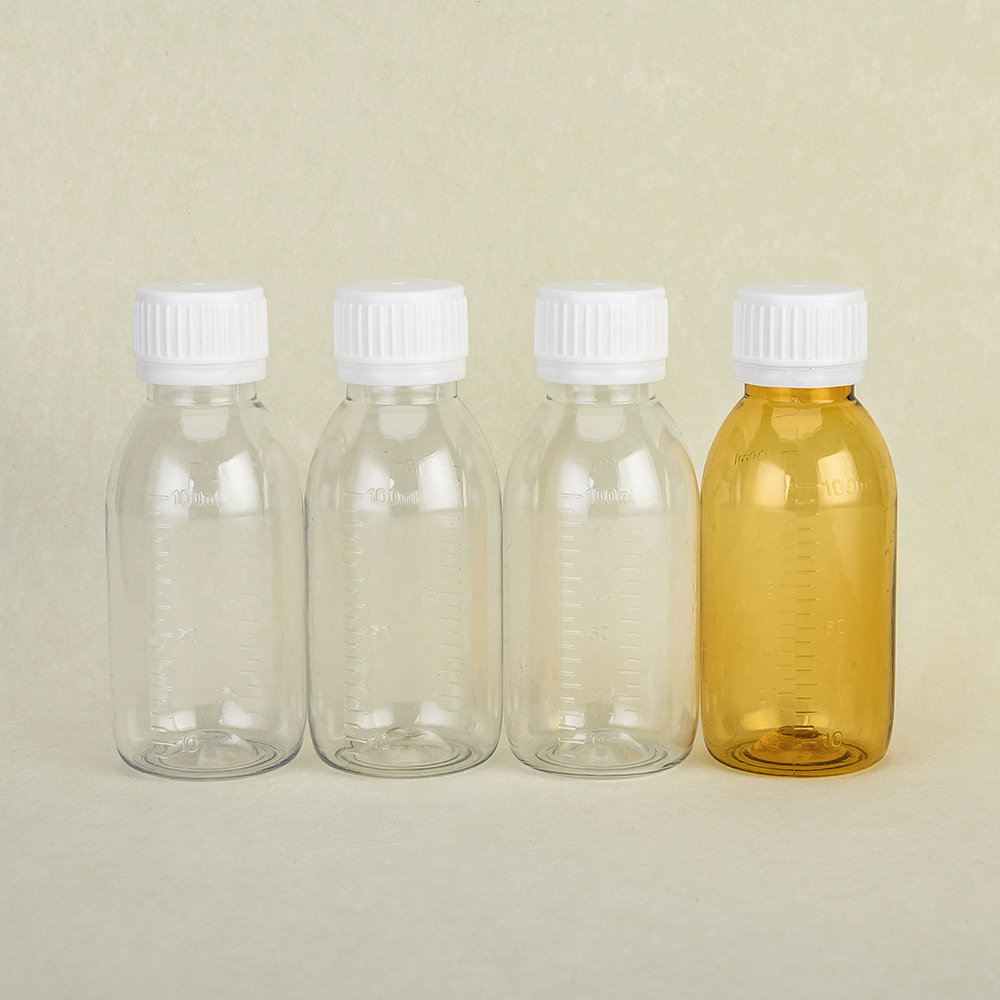
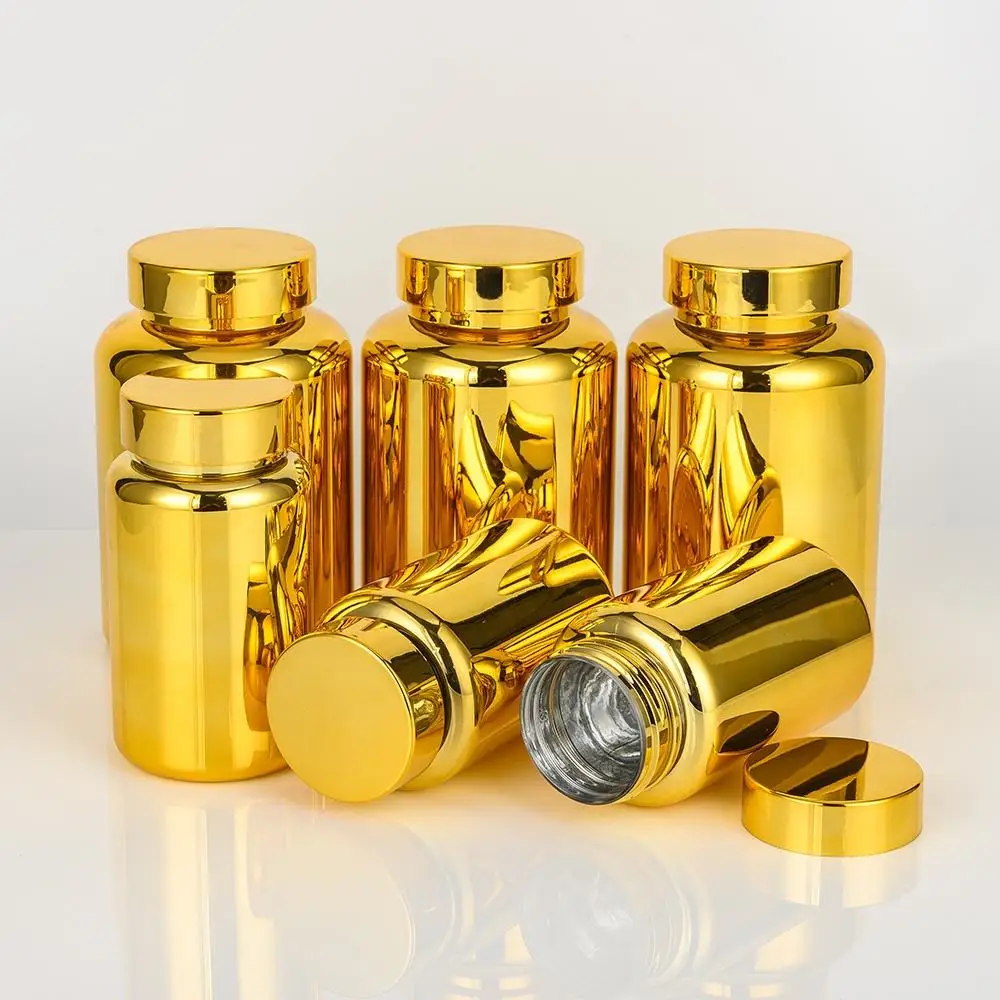
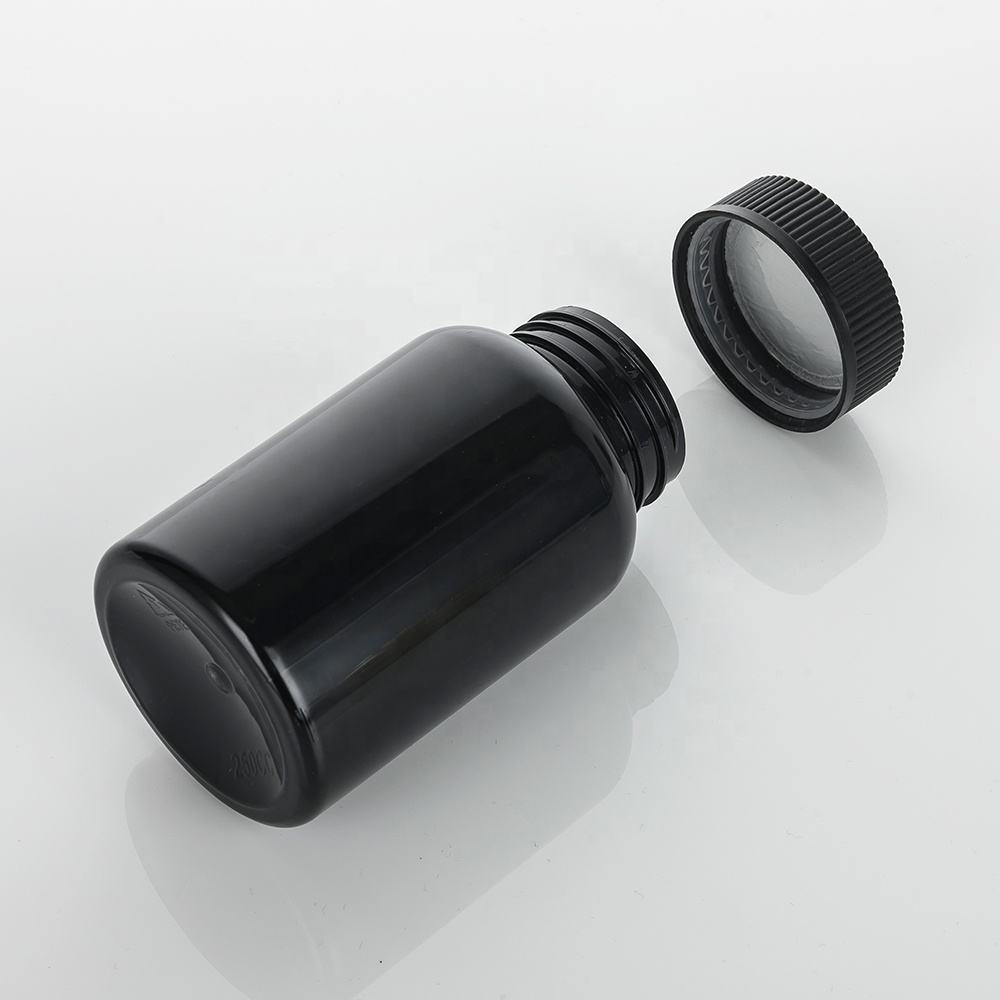
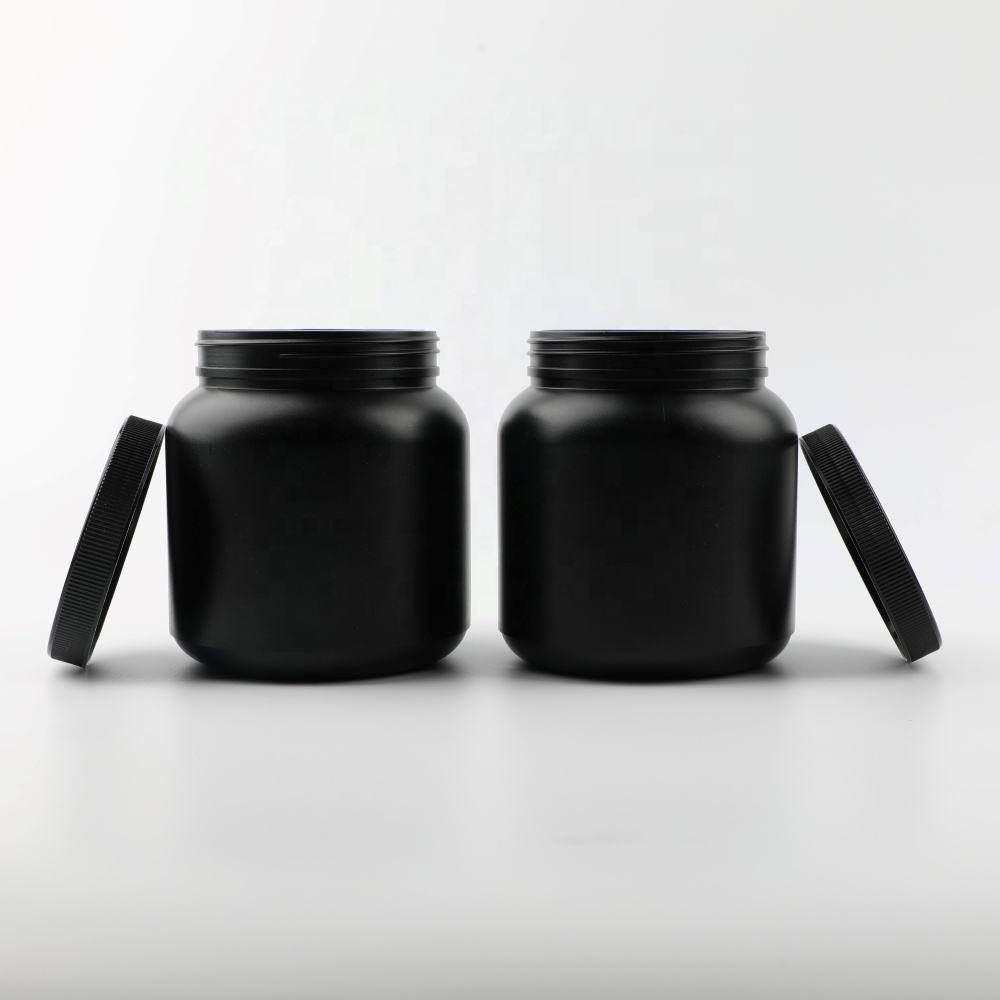
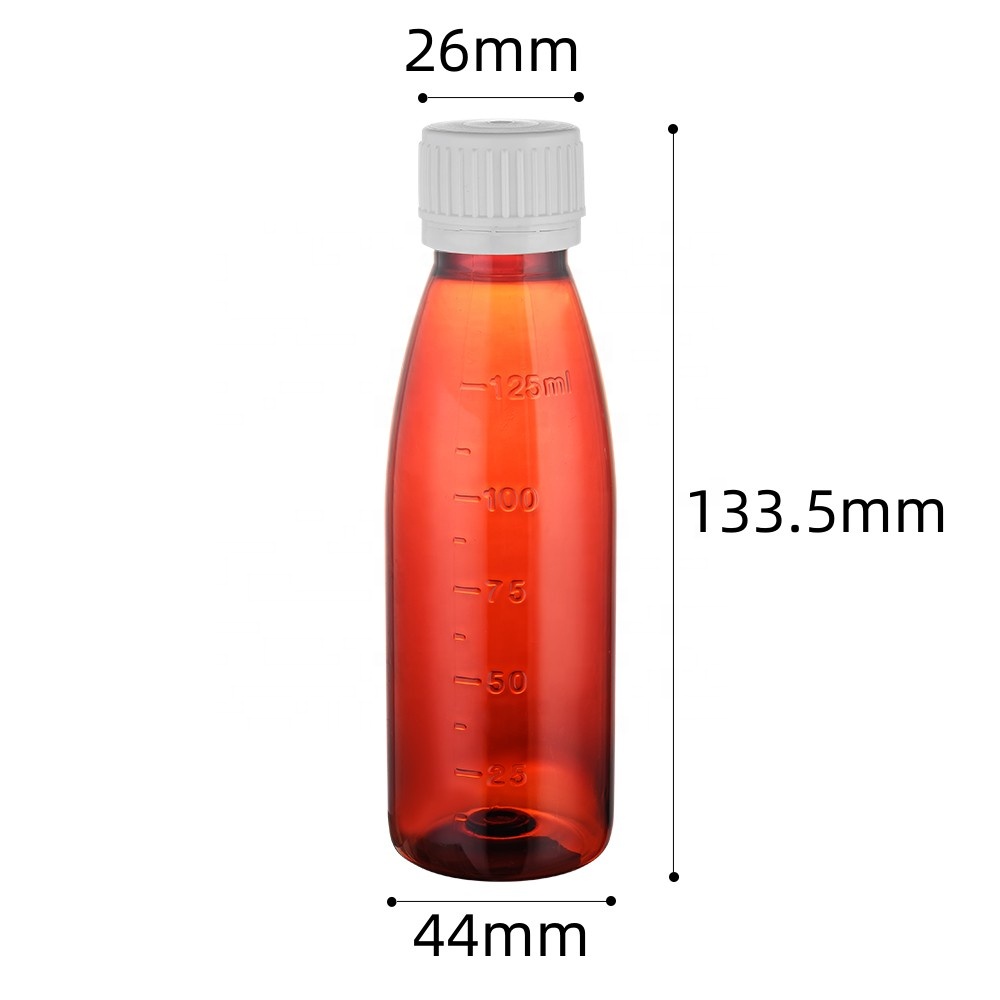
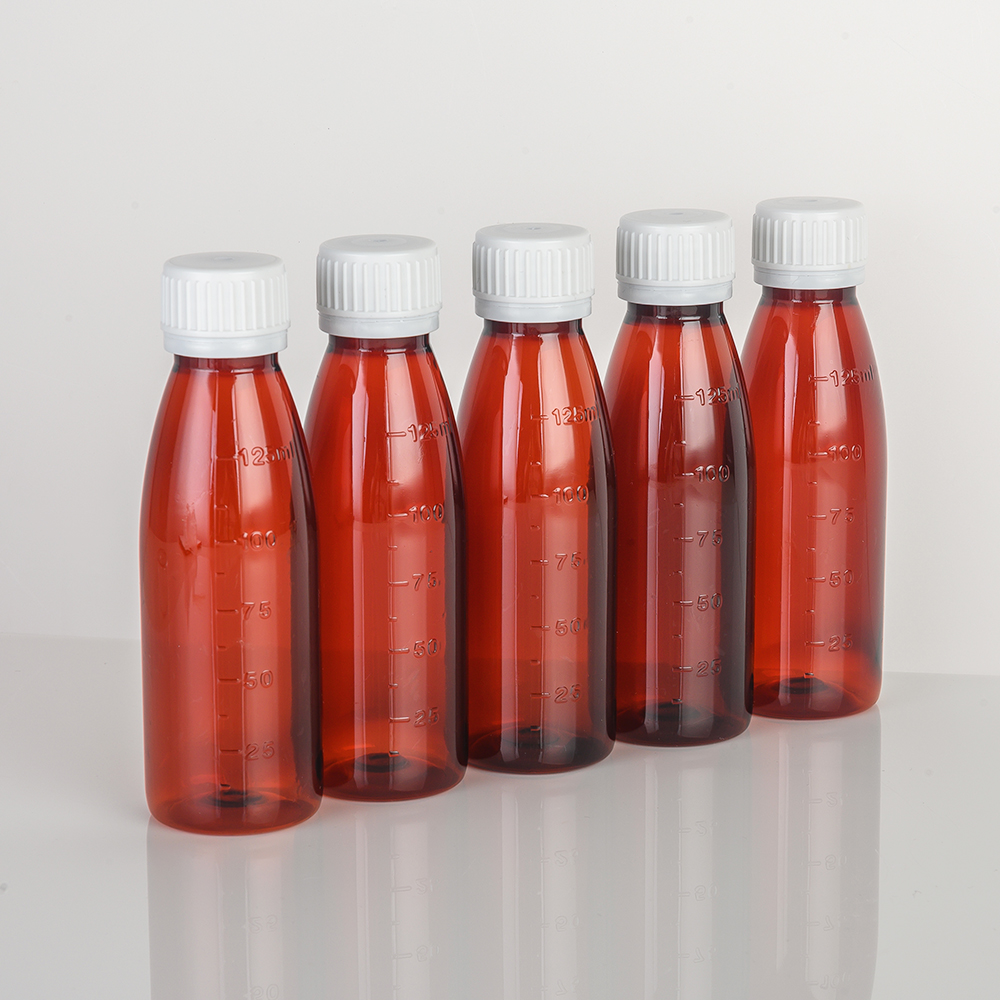
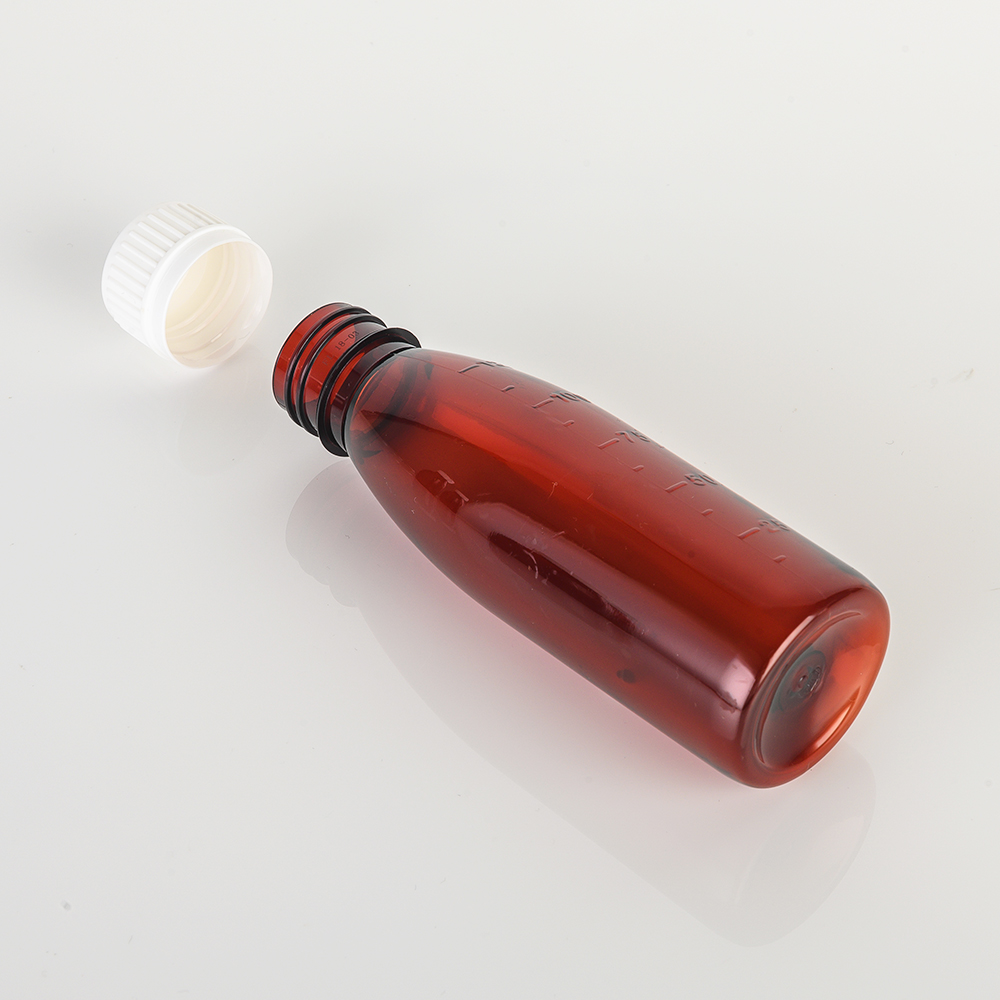
plastic drug vials
Ang mga plastik na bote para sa gamot ay kumakatawan sa isang modernong solusyon para sa pag-iimbak ng gamot at paghahatid nito. Ang mga espesyal na lalagyan na ito ay dinisenyo upang ligtas na maglaman ng iba't ibang anyo ng gamot, mula sa bakuna hanggang sa mga gamot na inie-inject. Ang mga plastik na bote para sa gamot ay nag-aalok ng mas mataas na antas ng proteksyon kumpara sa tradisyonal na mga alternatibo, na may transparent na pader na nagpapadali sa visual na inspeksyon ng laman nito nang hindi kailangang buksan ang lalagyan. Ang pangunahing tungkulin ng mga plastik na bote para sa gamot ay magbigay ng ligtas at sterile na kapaligiran na mapapanatili ang integridad ng gamot at palawigin ang shelf life nito. Sa teknolohikal na aspeto, ang mga plastik na bote para sa gamot ay gumagamit ng advanced na polymer materials na tumutol sa chemical degradation at nananatiling stable sa iba't ibang temperatura. Maraming plastik na bote para sa gamot ang may specially designed na seals at closures na pinipigilan ang kontaminasyon habang nananatiling madaling gamitin para sa mga propesyonal sa healthcare. Ang mga aplikasyon ng mga plastik na bote para sa gamot ay saklaw ang mga ospital, klinika, mga pasilidad ng pharmaceutical manufacturing, at mga laboratoryo sa pananaliksik. Ang mga provider ng healthcare ay nagpapahalaga sa mga plastik na bote para sa gamot dahil sa kanilang katiyakan sa mga sitwasyon ng critical care kung saan napakahalaga ang tumpak na dosis ng gamot. Ang mga lalagyan na ito ay kayang maglaman ng iba't ibang dami ng gamot, mula sa maliit na single-dose na plastik na bote para sa gamot hanggang sa mas malalaking multi-dose na opsyon. Ang disenyo ng mga plastik na bote para sa gamot ay sumusuporta sa epektibong inventory management at simple lang ang sistema ng pag-label. Ang mga kumpanya ng pharmaceutical ay pumipili ng mga plastik na bote para sa gamot dahil nababawasan nito ang kinakailangang espasyo para sa imbakan kumpara sa mga bote na gawa sa salamin. Ang lightweight na katangian ng mga plastik na bote para sa gamot ay nagpapaginhawa at nagpapababa ng gastos sa transportasyon. Bukod dito, ang mga plastik na bote para sa gamot ay binabawasan ang peligro ng pagkabasag habang hinahawakan o ipinapadala. Ang mga modernong plastik na bote para sa gamot ay sumusunod sa mahigpit na regulatory standards na itinakda ng mga health authority sa buong mundo, na nagsisiguro ng pare-parehong kalidad at kaligtasan para sa mga end user.

 EN
EN