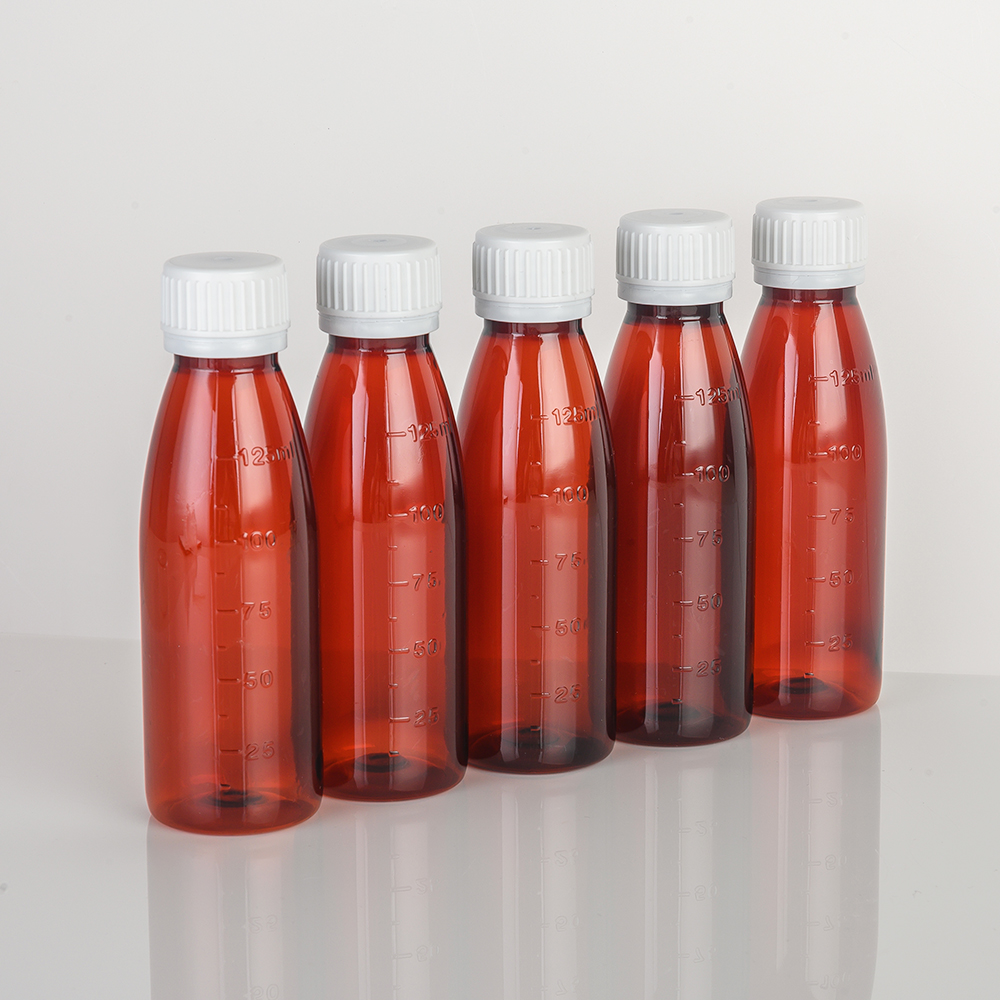
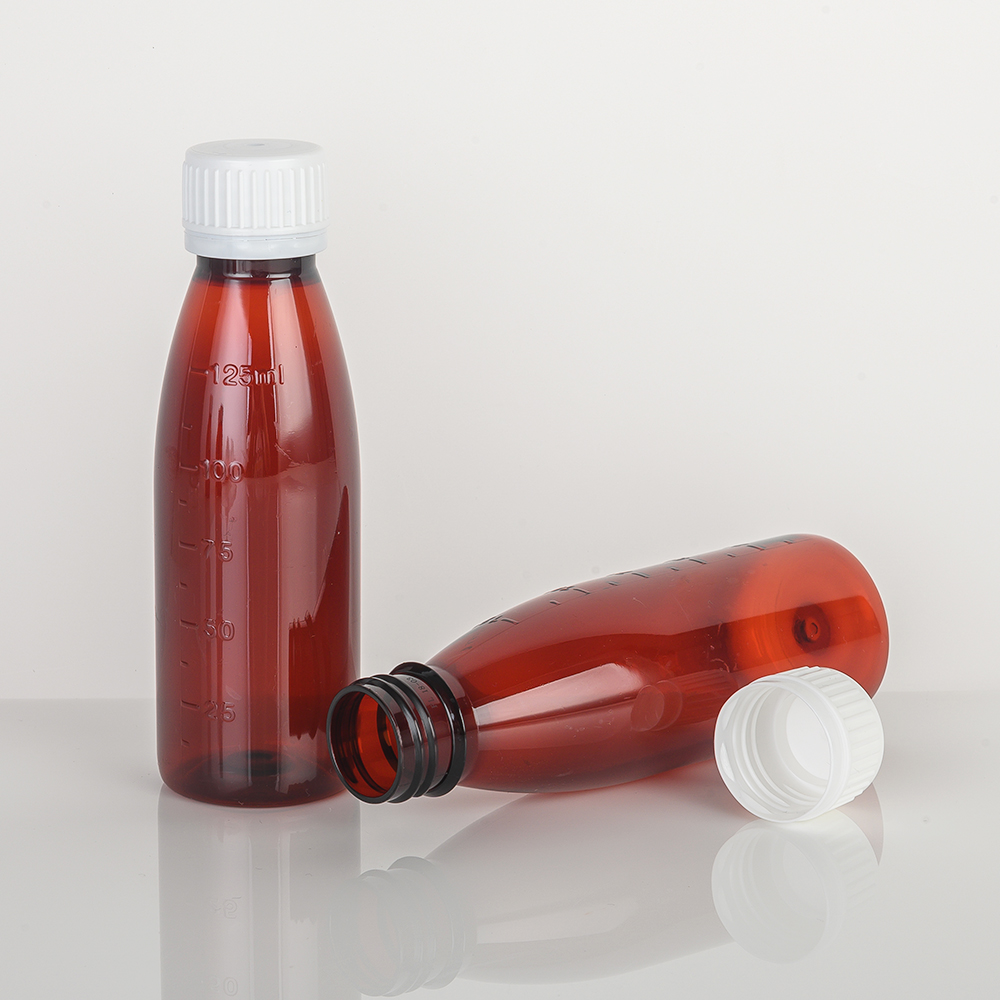
plastic tablet bottles
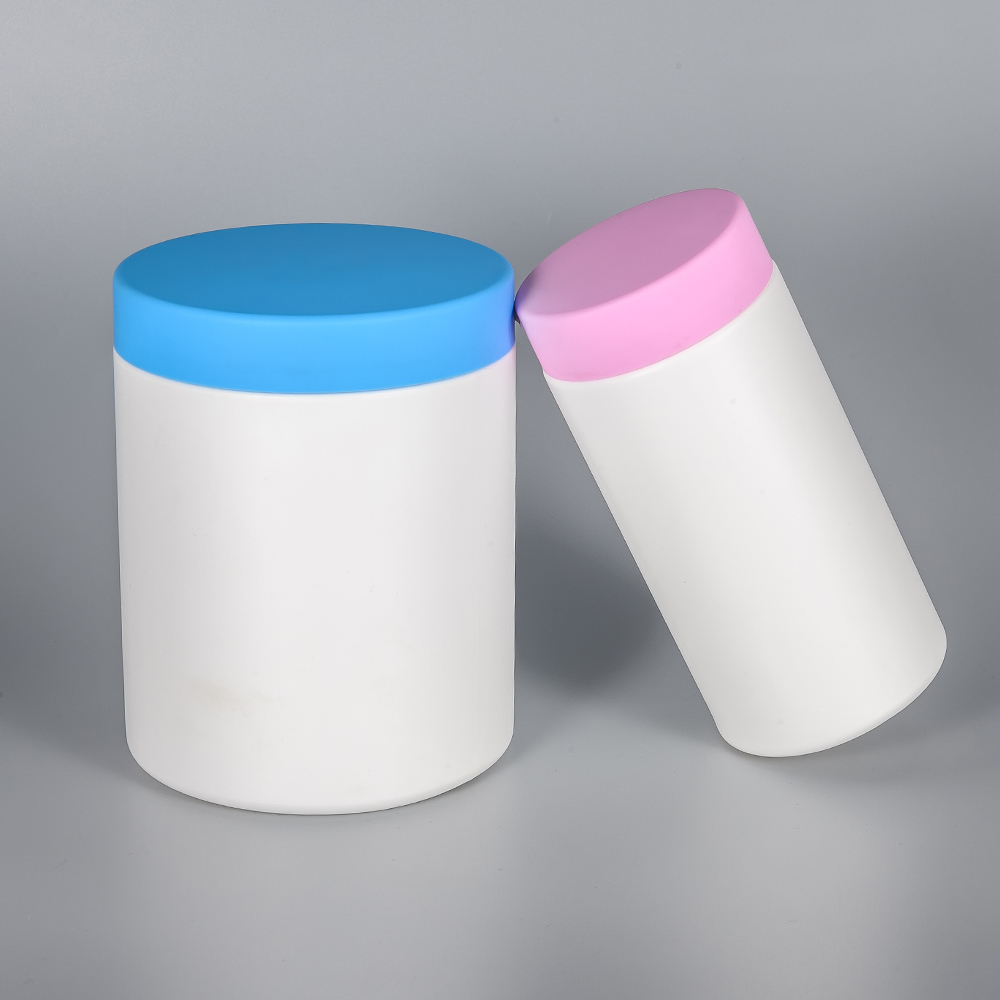
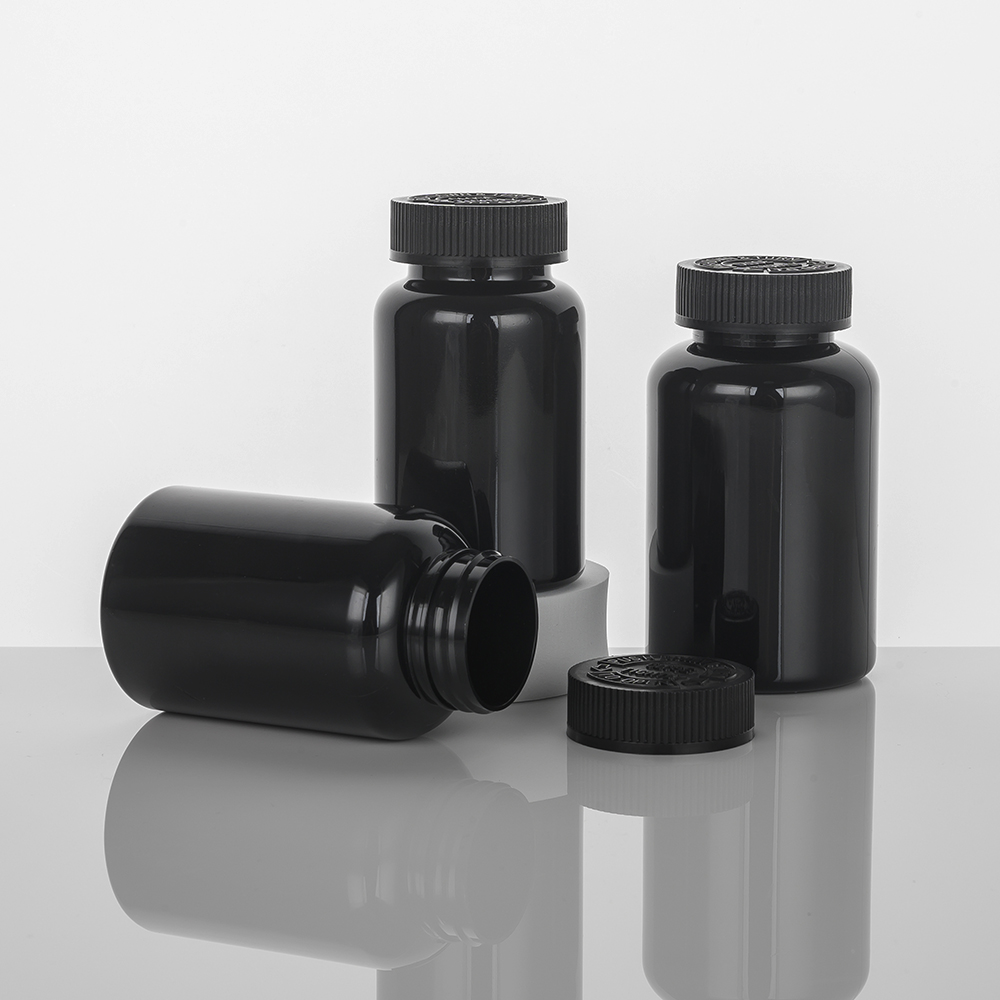
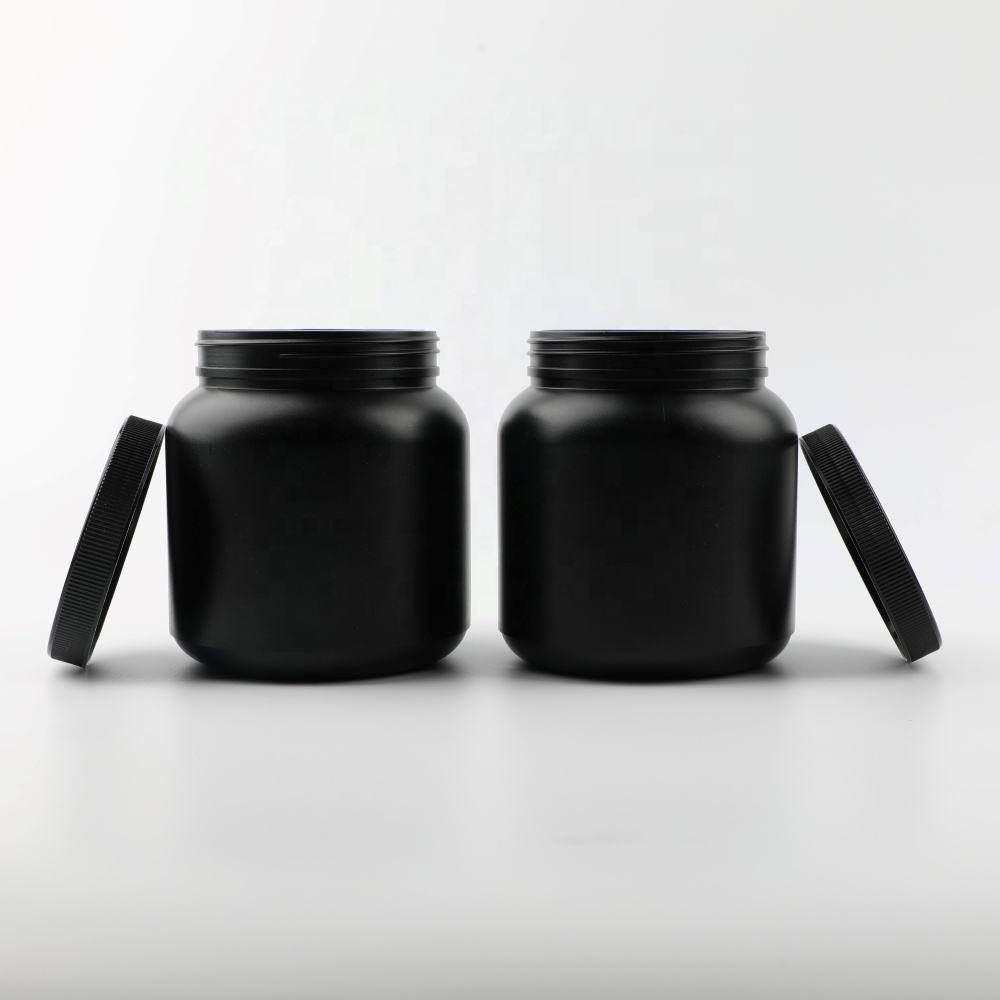
Plastic tablet bottles are essential storage containers designed specifically for pharmaceutical and nutritional products. These versatile vessels serve as primary packaging solutions for tablets, capsules, and other solid medications. Plastic tablet bottles combine functionality with practicality, making them indispensable in healthcare, pharmaceutical, and wellness industries.
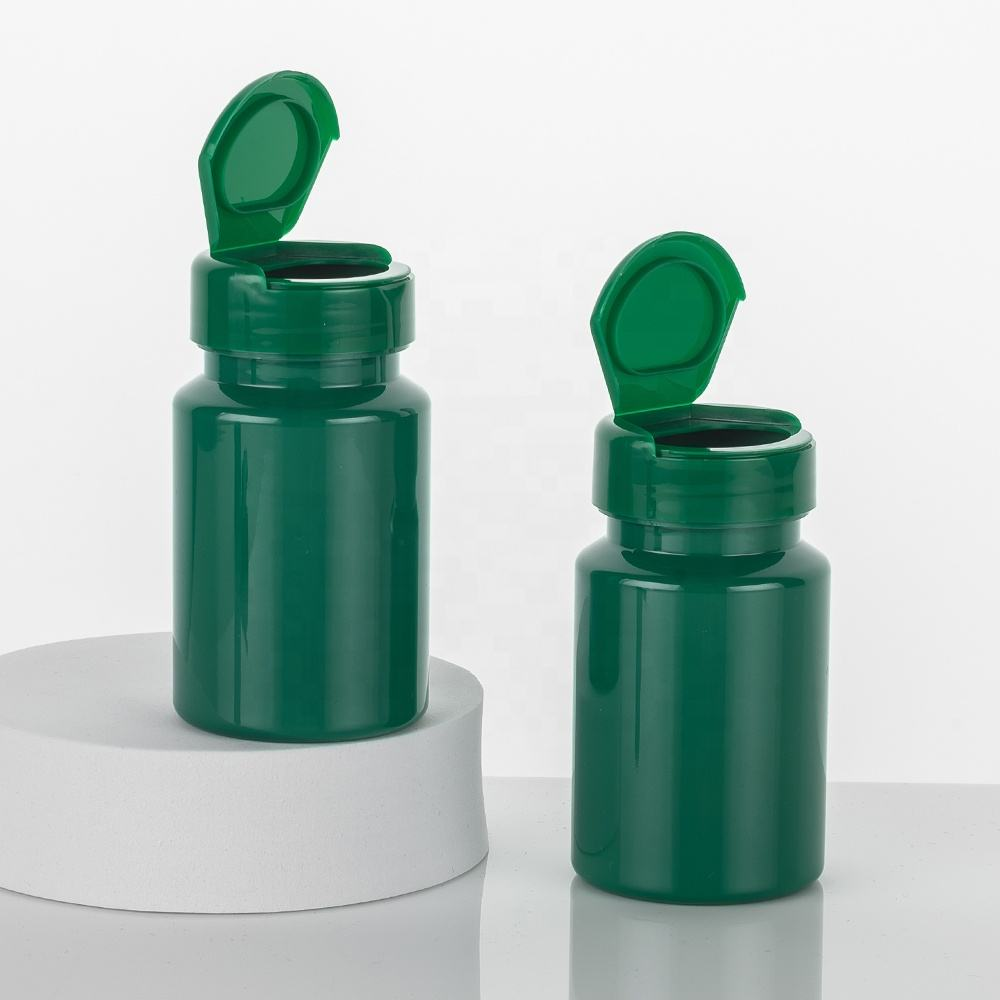
The primary function of plastic tablet bottles is to protect medications from environmental damage, including moisture, light, and air exposure. These bottles maintain product integrity throughout storage and transportation. Plastic tablet bottles feature child-resistant caps that enhance safety, preventing accidental ingestion by children while remaining accessible to adults.
Technologically, plastic tablet bottles incorporate advanced barrier properties that shield contents from degradation. High-density polyethylene (HDPE) and polypropylene (PP) materials provide durability and chemical resistance. Modern plastic tablet bottles include desiccant compartments that absorb excess moisture, extending medication shelf life significantly.
Applications for plastic tablet bottles span multiple sectors. Pharmaceutical manufacturers rely on plastic tablet bottles for prescription medications and over-the-counter drugs. Nutritional supplement companies utilize these containers for vitamins, minerals, and herbal products. Healthcare facilities stock plastic tablet bottles for organized medication management and accurate dispensing.
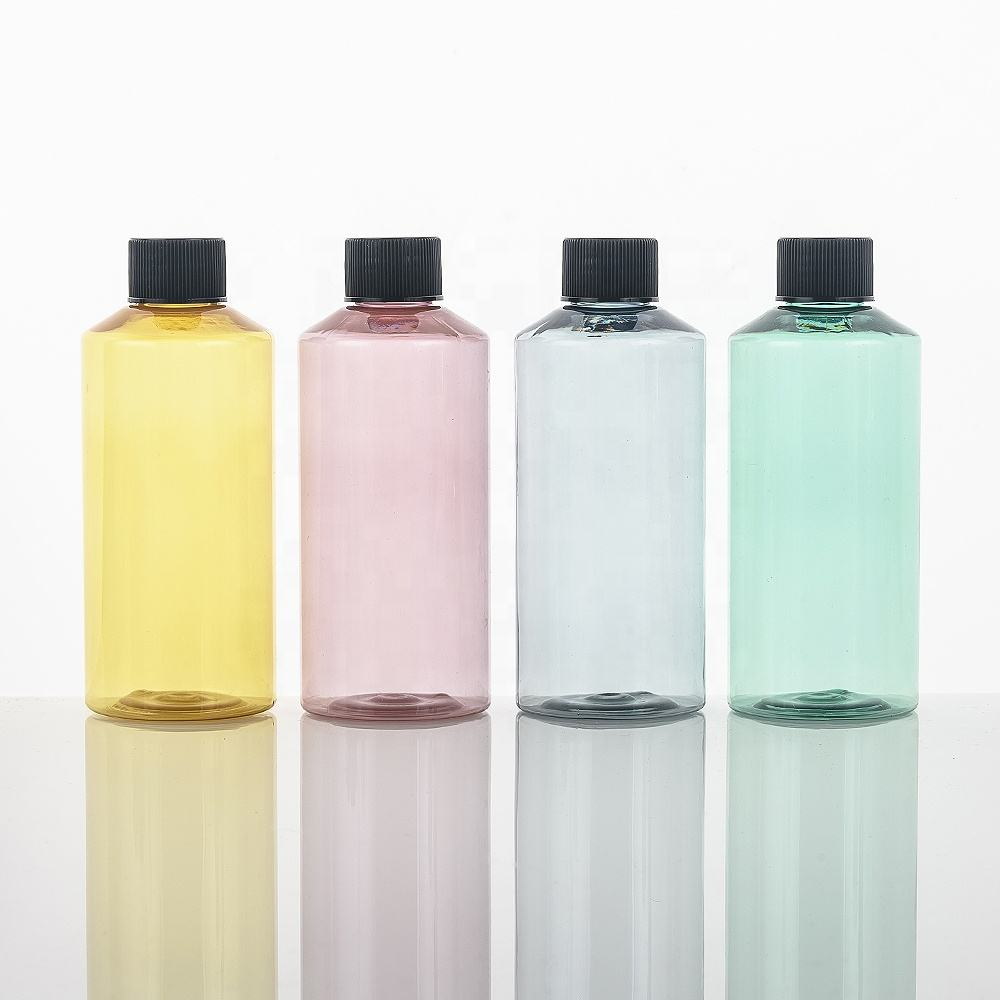
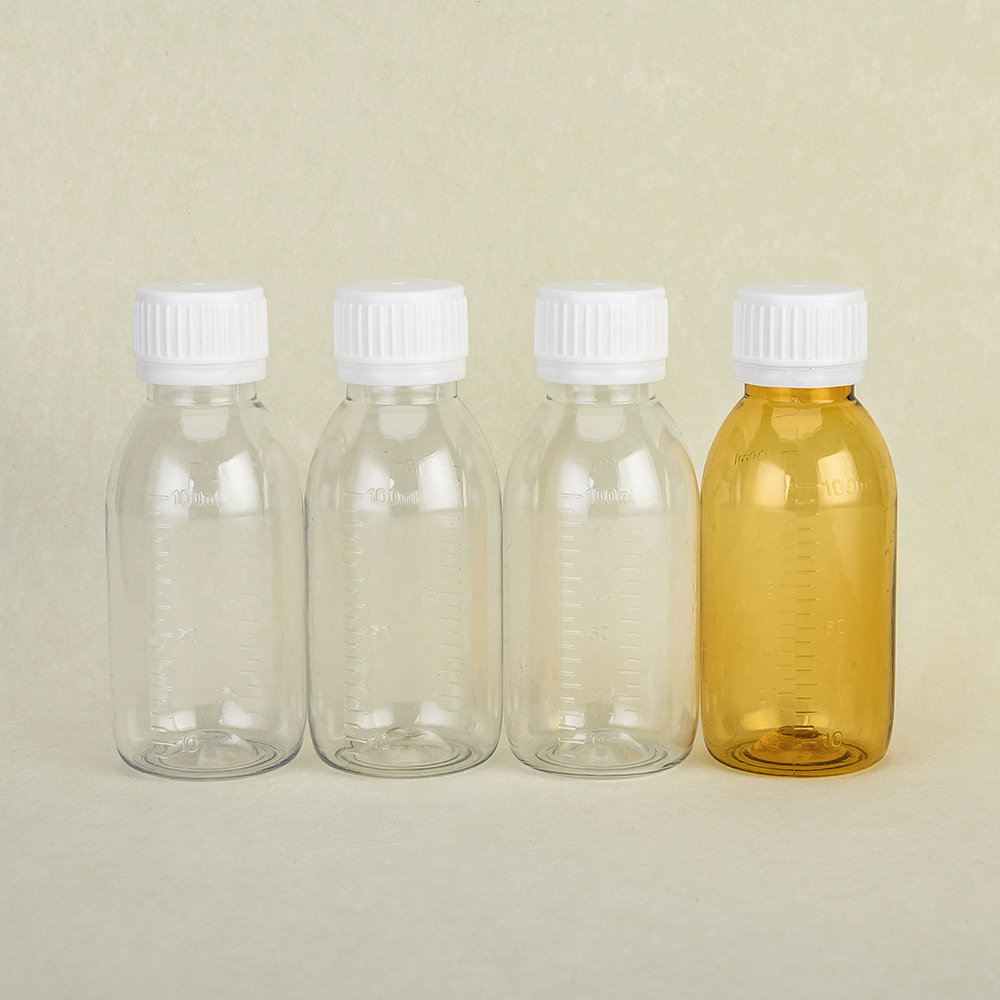
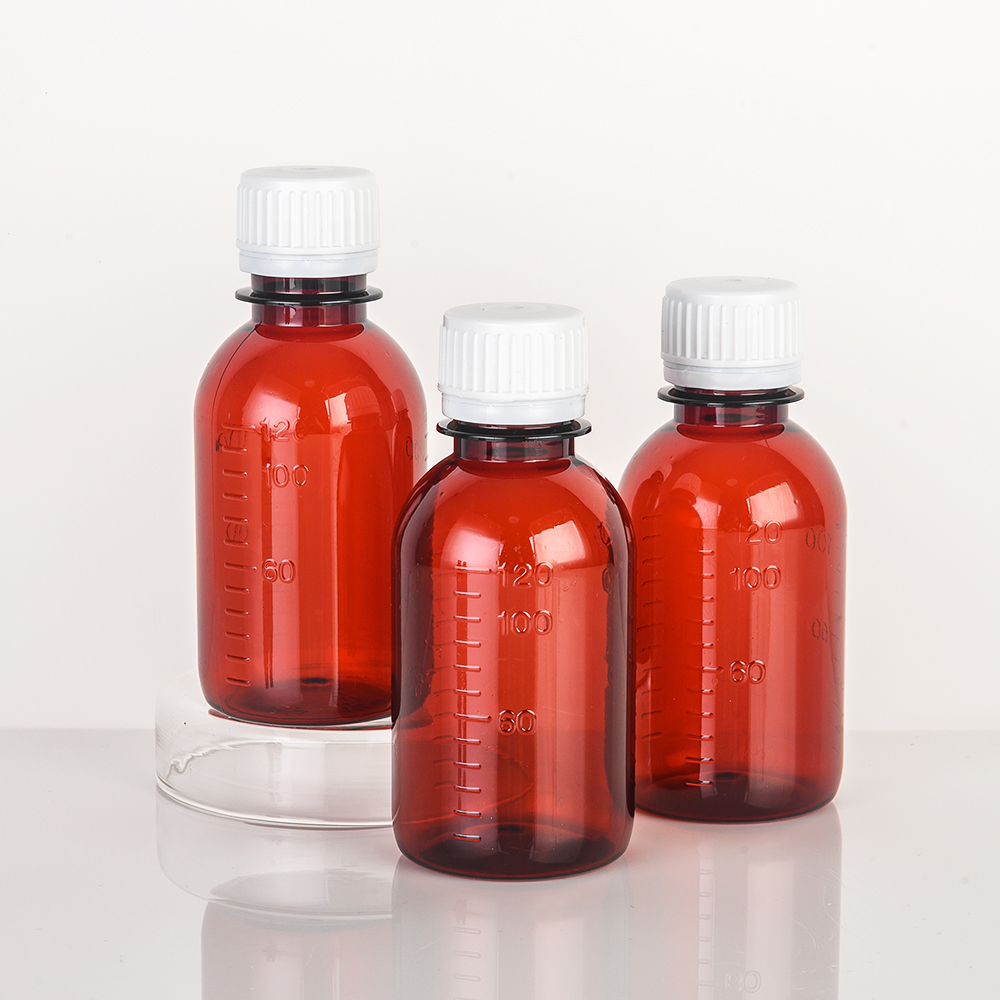
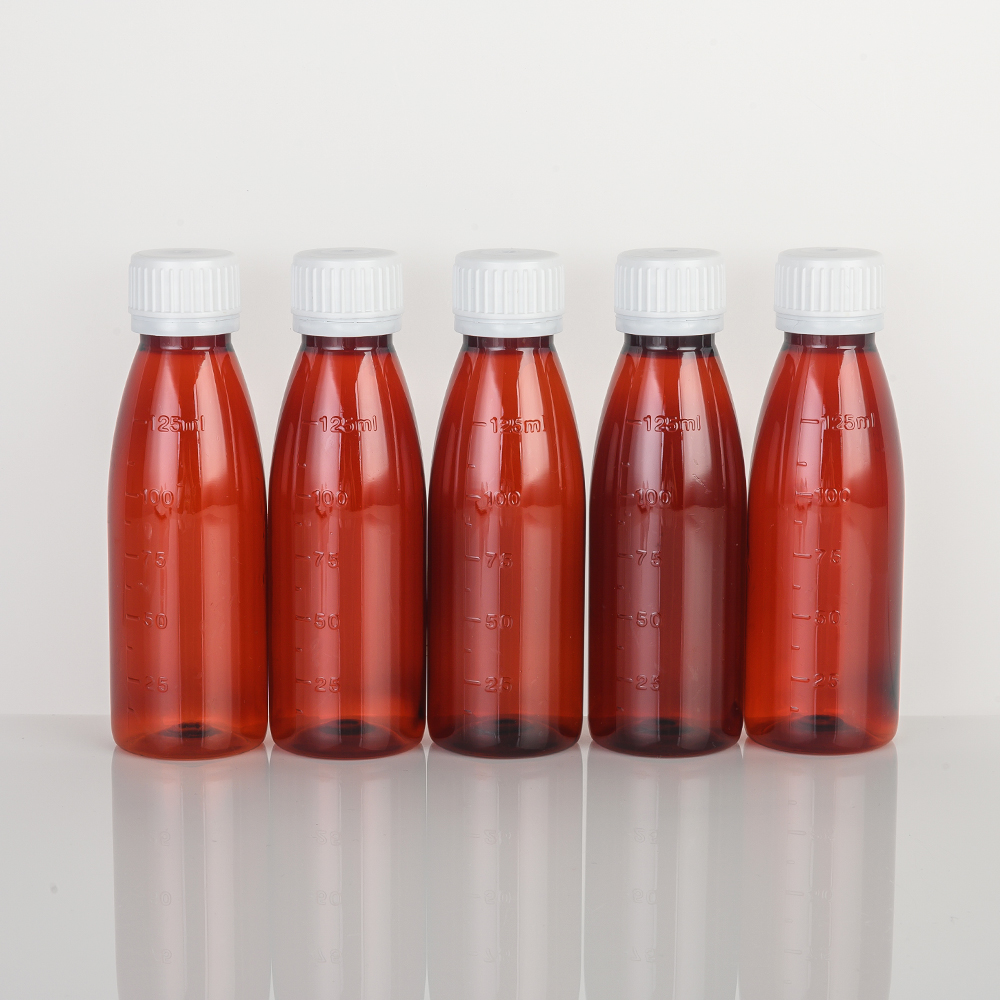
The design of plastic tablet bottles includes graduated measurement markings on many models, facilitating accurate dosage tracking. Transparent or translucent materials allow users to visually monitor remaining product quantity. Plastic tablet bottles come in various sizes, from small 13-dram containers to large bulk storage vessels, accommodating diverse packaging requirements and customer preferences effectively.

 EN
EN