
 EN
EN
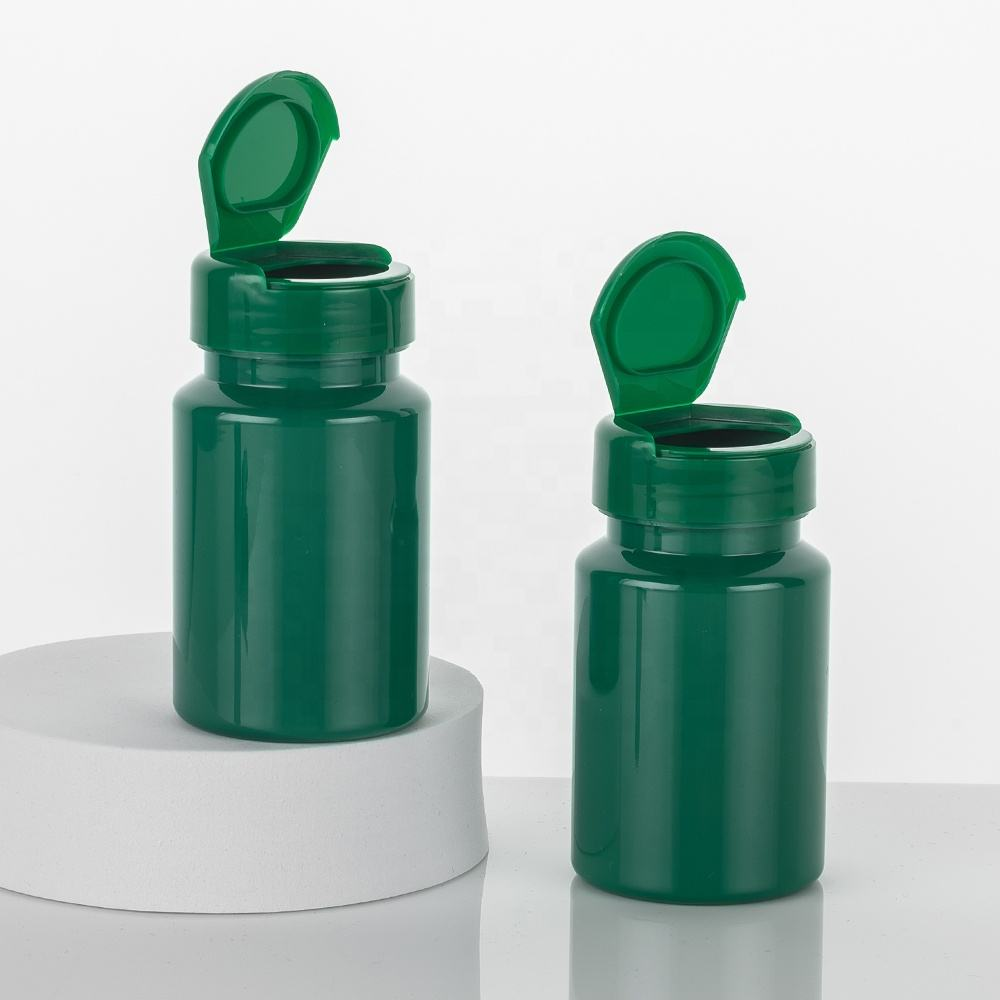
When sourcing pharmaceutical or nutraceutical packaging, one of the most critical decisions a product developer or procurement specialist makes is selecting a container with the right dimensions. The capsule bottle is one of the most widely used packaging formats in the health and wellness industry, and understanding its dimensional specifications is essential for compatibility with filling lines, labeling equipment, and retail shelf requirements. A standard 100cc capsule bottle, in particular, sits at a functional sweet spot — large enough to house a meaningful quantity of capsules, yet compact enough for consumer convenience and efficient logistics.
The 100cc designation refers to the volumetric capacity of the capsule bottle — specifically 100 cubic centimeters of interior space. However, this single figure does not tell the full story. Buyers, formulators, and packaging engineers need to understand the complete dimensional profile of the bottle, including its outer diameter, neck finish, wall height, thread type, and base geometry. Each of these measurements directly impacts whether the capsule bottle integrates smoothly into an existing production workflow and meets regulatory or retail requirements. This article breaks down all the key dimensions you should know before specifying or ordering a standard 100cc capsule bottle.
Understanding the Volumetric Capacity of a 100cc Capsule Bottle
What 100cc Actually Means in Packaging Context
The term "100cc" refers to the internal volume of the capsule bottle, measured in cubic centimeters, which is equivalent to 100 milliliters. It is important to distinguish between nominal capacity and fill capacity. The nominal capacity is the full interior volume of the container, while the usable fill capacity is typically somewhat less, accounting for headspace, desiccants, and closure displacement. In practice, a 100cc capsule bottle can typically hold between 90 and 120 standard-sized capsules, depending on the capsule size and any ancillary inserts such as cotton or silica gel packets.
For pharmaceutical packaging applications, the 100cc capsule bottle is particularly popular for size 00 and size 0 capsules, where fill counts of 60 to 100 units per container are common. Nutraceutical brands frequently use this bottle size for omega-3 softgels, herbal supplements, and enzyme capsules. The volumetric capacity is thus a starting point for dimensional specification, not an endpoint. Understanding how the total internal volume translates into exterior dimensions is what ultimately enables successful packaging line integration.
How Capacity Influences Dimensional Proportions
A 100cc capsule bottle is generally classified as a short-to-mid-height container. The proportional relationship between diameter and height varies by manufacturer design, but most standard 100cc bottles adopt a configuration that balances a moderate diameter with a height sufficient to accommodate elongated capsule forms. A wider, shorter capsule bottle tends to be more stable on retail shelves and easier to fill on rotary filling equipment. A taller, narrower profile, by contrast, is preferred when labeling real estate is important for regulatory text or branding.
The internal geometry also affects how capsules settle and pack. Cylindrical capsule bottle designs with minimal taper allow capsules to stack more efficiently, reducing dead space and improving fill accuracy. Some 100cc bottles feature a slight shoulder taper, which can affect both the usable fill depth and the visual aesthetics of the final product. Procurement teams should always request dimensional drawings from suppliers to confirm that the interior geometry aligns with the filling equipment tolerances specified by their production team.
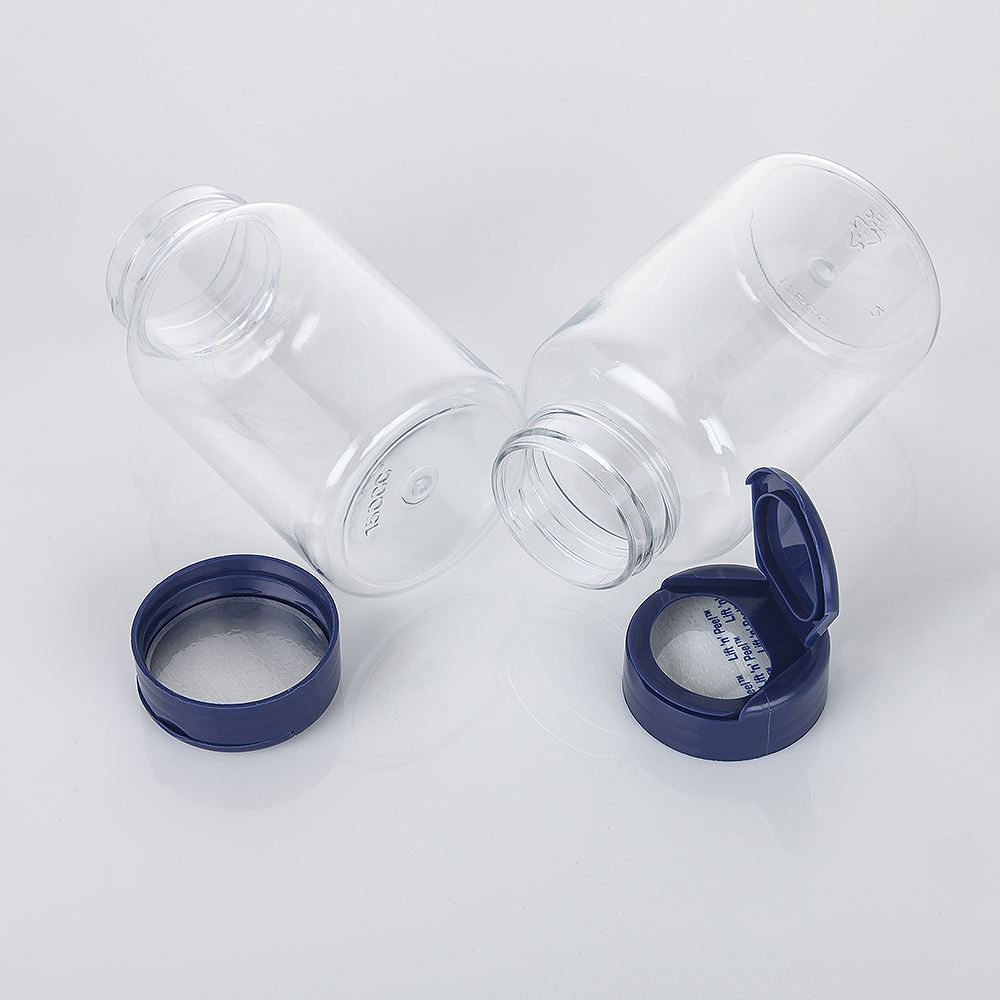
Key Exterior Dimensions of a Standard 100cc Capsule Bottle
Outer Diameter and Base Footprint
The outer diameter of a standard 100cc capsule bottle typically ranges from approximately 44mm to 52mm. This measurement is taken at the widest point of the bottle body, which in most cylindrical designs corresponds to the base diameter. The base footprint directly determines how many units can be packed per tray or carton layer, which has downstream effects on shipping costs and warehouse density. A capsule bottle with a 48mm outer diameter, for example, fits neatly into standard pharmaceutical carton formats and is compatible with common bottle counting and filling equipment designed for mid-sized containers.
Base dimensions also influence stability during automated conveying. Capsule bottle containers with a base diameter less than their height-to-diameter ratio of 1.5:1 may require neck rail or guide systems on high-speed lines to prevent tipping. Understanding the base footprint is therefore not just a logistical question but a production engineering concern. Always verify that the base diameter of any capsule bottle under consideration is compatible with the conveyor rail spacing and star wheel pitch on your filling and capping machines.
Overall Height and Body Height
The overall height of a standard 100cc capsule bottle — measured from the base to the top of the applied closure — typically falls between 85mm and 105mm. Body height, which excludes the neck and cap, generally ranges from 70mm to 90mm. This distinction matters because label application systems measure against body height, not total height. A label that extends too close to the shoulder or base of the capsule bottle can cause adhesion failures or label registration errors on automated lines.
Height also affects how the capsule bottle sits within secondary packaging. If your carton or blister pack is engineered around a specific container height, even a 3mm deviation in bottle height can create fitment problems. This is why manufacturers typically provide tolerance specifications for height, often within ±0.5mm to ±1mm for injection-stretch-blow-molded PET capsule bottle formats. Requesting formal dimensional data sheets before approving a capsule bottle design for production is strongly recommended.
Neck Finish and Thread Dimensions
Standard Neck Finish Specifications for Capsule Bottles
The neck finish of a capsule bottle defines how the closure — whether a screw cap, child-resistant cap, or tamper-evident closure — interfaces with the container. For 100cc capsule bottle formats, the most commonly used neck finish is the 38mm or 45mm continuous thread (CT) finish. The neck finish designation includes the outer diameter of the neck opening and the thread profile, such as 38-400 or 38-410 in the standardized numbering system used by the plastics packaging industry.
The thread pitch and depth determine torque requirements during capping and the removal force experienced by end consumers. A capsule bottle designed for child-resistant push-and-turn closures will have a modified thread profile compared to a standard screw cap neck. When specifying a capsule bottle, confirm the neck finish code with your closure supplier to ensure a leak-proof, tamper-evident seal that also meets applicable child-resistant packaging standards such as CPSC guidelines in the US or EN 862 in Europe.
Neck Opening Diameter and Transfer Area
The inner diameter of the neck opening is a critical dimension for automated filling. Most 100cc capsule bottle configurations feature an inner neck diameter between 28mm and 36mm, which allows for standard capsule filling funnel geometries. A wider neck opening facilitates faster fill rates and reduces the risk of capsule bridging during high-speed filling operations. However, a wider neck finish also requires a correspondingly larger closure, which adds marginal weight and material cost per unit.
For manual dispensing applications, the neck diameter of the capsule bottle also affects user experience. A narrower neck may cause the capsule bottle to dispense capsules in controlled quantities, which can be a desirable feature for consumer products. Conversely, healthcare institutional buyers often prefer a wider neck opening for ease of manual counting and dispensing under clinical conditions. Clearly defining the end-use context for the capsule bottle before finalizing the neck finish specification will prevent costly tooling changes later.
Wall Thickness, Material, and Structural Integrity
Minimum Wall Thickness for PET Capsule Bottles
Standard 100cc capsule bottle containers manufactured from polyethylene terephthalate (PET) typically feature a minimum wall thickness of 0.6mm to 1.2mm in the body section. Wall thickness directly influences the top-load strength of the capsule bottle, which is relevant for stacking during storage and shipping. Thinner walls reduce material cost and bottle weight but may compromise resistance to compressive forces encountered during palletization or transit.
PET is a premier material of choice for many pharmaceutical and nutraceutical capsule bottle applications due to its glass-like clarity, excellent oxygen and moisture vapor barrier properties, chemical inertness, and compatibility with common desiccant systems. The wall uniformity of a PET capsule bottle is typically highly consistent due to the injection stretch blow molding process—any variance can result in cosmetic defects, poor label adhesion, and cap fitment issues. Reputable capsule bottle suppliers conduct routine wall thickness measurements using ultrasonic gauges as part of their incoming quality control protocols.
Base and Shoulder Geometry Considerations
The base geometry of a capsule bottle affects both structural performance and labeling compatibility. Most standard 100cc bottles feature a flat base with a slight push-up or punt, which increases base rigidity without adding significant material. A pronounced punt can create challenges for certain label inspection camera systems, which rely on base reflectivity for bottle orientation detection on high-speed lines.
The shoulder transition — the area where the cylindrical body meets the neck — is another key dimensional zone. A gradual shoulder taper provides more surface area for label application above the main body panel, which some brands leverage for regulatory text or lot number printing. A sharp shoulder transition, by contrast, maximizes the usable label panel area on the body of the capsule bottle, providing more visible branding space. These geometry decisions should be made in coordination with your label design team and filling line operators to ensure a holistic packaging solution.
Dimensional Tolerances and Quality Verification
Acceptable Dimensional Tolerances for Production Runs
When specifying a capsule bottle for commercial production, dimensional tolerances must be formally documented in the packaging specification. For PET injection-stretch-blow-molded capsule bottle formats, typical dimensional tolerances are tighter than traditional blow molding, often within ±0.5% to ±1% on height and diameter measurements due to the precision of the preform injection process. For injection-molded closures that mate with the capsule bottle neck, tolerances are tighter, often ±0.2mm to ±0.5mm on thread dimensions to ensure consistent torque application.
Buyers should request a dimensional certification or certificate of conformance from their capsule bottle supplier for each production batch. This document should confirm that a statistically valid sample of bottles has been measured against the approved dimensional drawing. Any deviation beyond the specified tolerance range should trigger a corrective action process before the capsule bottle lot is released for filling and labeling operations. Establishing a formal supplier qualification process that includes dimensional auditing is a best practice in regulated pharmaceutical packaging environments.
Practical Verification Methods for Incoming Capsule Bottle Lots
Incoming quality inspection of a capsule bottle shipment should include spot-measurement of at least outer diameter, height, neck finish outer diameter, and wall thickness at multiple points. Digital calipers and dedicated neck finish gauges are standard tools for this purpose. For high-volume pharmaceutical operations, inline vision inspection systems can automatically detect dimensional nonconformities during unscrambling operations before the capsule bottle enters the filling line.
Beyond dimensional checks, functional testing of the capsule bottle should include cap application torque verification, top-load strength testing, and drop testing according to applicable standards. These tests validate that the dimensional specifications translate into actual performance under real-world conditions. A capsule bottle that meets dimensional specifications but fails functional performance testing may indicate a material quality issue rather than a tooling problem, highlighting the importance of a comprehensive incoming inspection protocol rather than relying solely on dimensional data.
FAQ
What is the typical outer diameter of a standard 100cc capsule bottle?
The typical outer diameter of a standard 100cc capsule bottle ranges from approximately 44mm to 52mm, measured at the widest point of the bottle body. The exact dimension depends on the specific design and manufacturer tooling, so always request a dimensional drawing when qualifying a new capsule bottle supplier.
How many capsules can a 100cc capsule bottle hold?
A 100cc capsule bottle can typically hold between 90 and 120 standard capsules, depending on capsule size. Size 00 capsules generally allow for fill counts of 60 to 90 units, while smaller size 1 or size 2 capsules may achieve higher counts. Actual capacity also depends on whether desiccant packets or cotton inserts are included inside the capsule bottle.
What neck finish is most commonly used on a 100cc capsule bottle?
The most commonly used neck finishes for a 100cc capsule bottle are the 38-400 and 38-410 continuous thread formats. The choice between these depends on the closure type — standard screw caps versus child-resistant closures. Always confirm the neck finish code with both your capsule bottle supplier and your closure supplier to ensure proper fitment and compliance.
What material is a standard 100cc capsule bottle typically made from?
The majority of standard 100cc capsule bottle containers used in pharmaceutical and nutraceutical packaging are manufactured from polyethylene terephthalate (PET). PET offers premium glass-like clarity for product visibility, excellent gas and moisture barrier properties, chemical resistance, and compatibility with desiccant systems, making it the preferred material for preserving the integrity of capsule contents throughout the product's shelf life.