
 EN
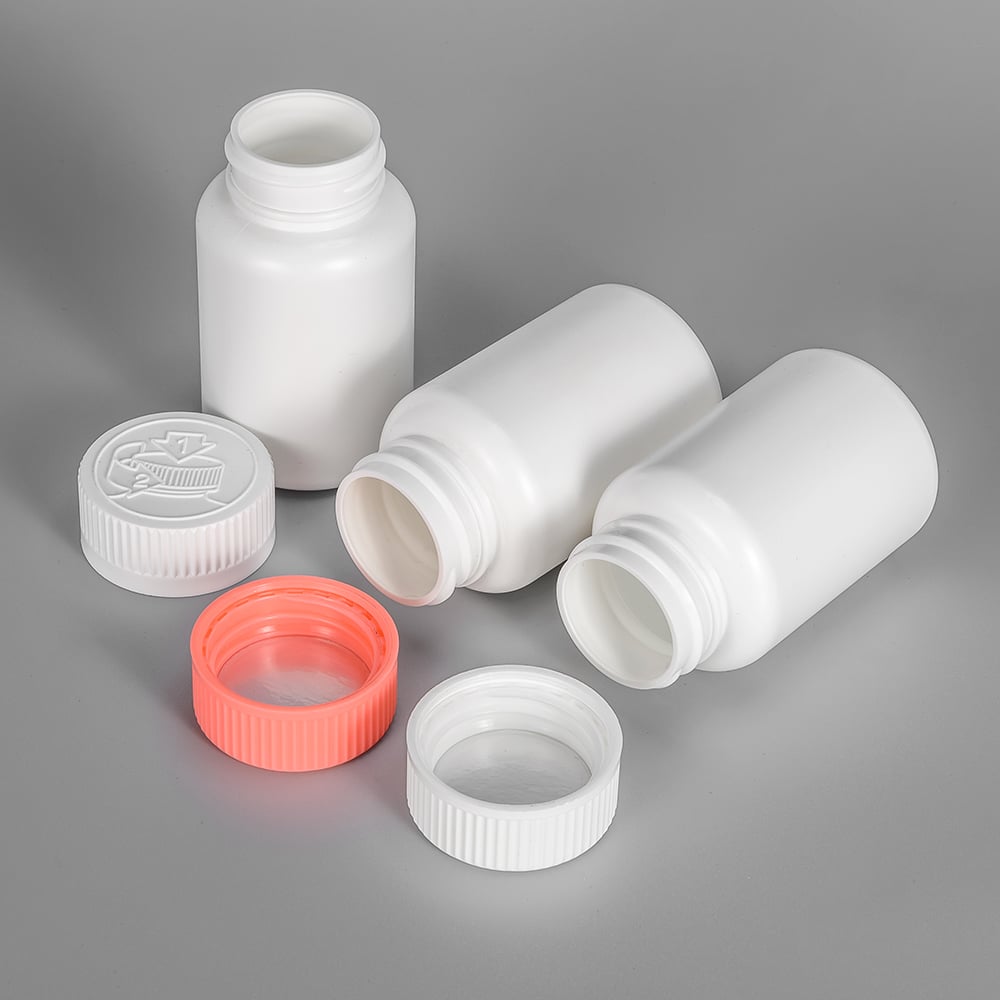
Maintaining the sterility of a medical pill bottle is essential for ensuring medication safety and efficacy throughout its shelf life. Contamination can compromise the integrity of pharmaceuticals, potentially leading to adverse health outcomes for patients who depend on uncompromised medication quality. A properly maintained pill bottle protects not only the medication inside but also preserves the trust and confidence that patients place in their pharmaceutical treatments. Understanding the specific requirements for keeping a pill bottle sterile involves comprehensive knowledge of storage conditions, material selection, and handling protocols.
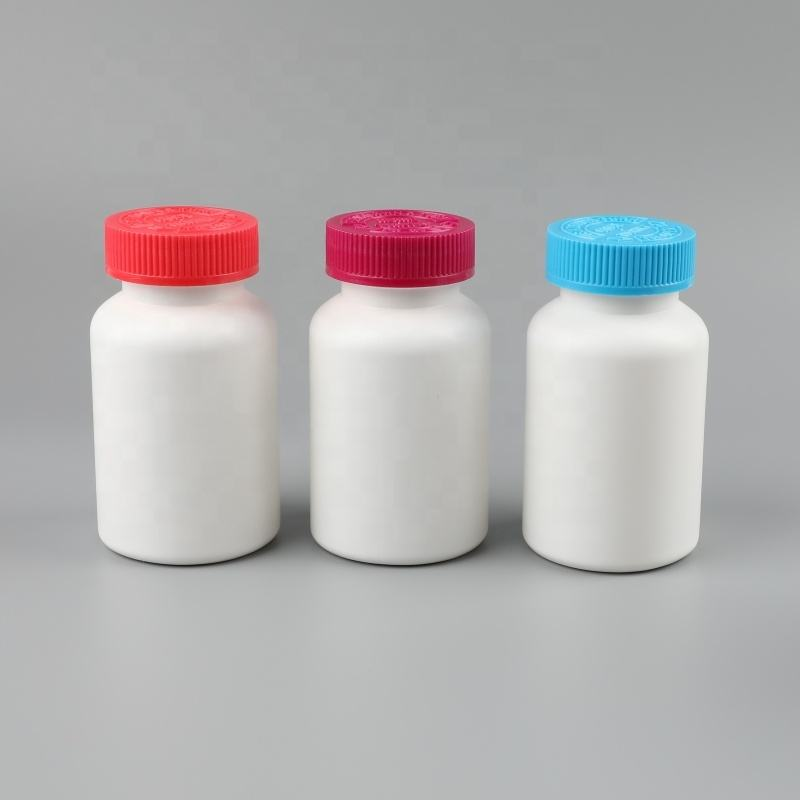
A medical pill bottle functions as a protective barrier between medication and external contaminants, making its maintenance a critical component of pharmaceutical quality assurance. The sterility of a pill bottle depends on multiple factors working in concert, including the material composition, seal integrity, environmental storage conditions, and proper handling procedures. Whether you manage a pharmacy, clinical setting, or personal medication supply, mastering these maintenance techniques ensures that every dose remains safe and potent when needed.
Understanding Sterile Pill Bottle Requirements
Material Selection and Contamination Prevention
The foundation of maintaining sterility in a pill bottle begins with selecting appropriate materials that resist contamination. High-density polyethylene and amber glass are industry-standard materials for pharmaceutical pill bottle construction because they provide excellent barriers against moisture, light, and airborne particles. When choosing a pill bottle, verify that it meets USP (United States Pharmacopeia) standards for pharmaceutical packaging. The material itself must be chemically inert to prevent leaching compounds that could compromise medication quality or sterility. A properly manufactured pill bottle creates a sealed environment where external contaminants cannot penetrate during storage.
Seal Integrity and Closure Systems
The cap and seal of a pill bottle are the primary defense against contamination that could compromise medication safety. Child-resistant caps with proper gasket seals create an airtight environment that prevents moisture infiltration and microbial contamination from entering the pill bottle. When inspecting a pill bottle before use, ensure the cap threads smoothly and the seal feels tight without forcing. Any visible cracks, loose threading, or damaged gaskets on the pill bottle indicate the seal is compromised and the medication should not be used. Over-tightening or under-tightening a pill bottle cap can affect seal performance, so apply firm but reasonable pressure when closing.
Storage Conditions for Maintaining Pill Bottle Sterility
Environmental Temperature and Humidity Control
Temperature fluctuations and humidity are primary threats to maintaining sterility in a pill bottle during storage. Most medications require storage at room temperature between 68-77°F, with relative humidity kept below 40 percent to prevent moisture from compromising both the medication and the pill bottle's protective properties. Fluctuating temperatures can cause condensation inside the pill bottle, creating an environment where microorganisms could proliferate and contamination becomes possible. Avoid storing a pill bottle in bathrooms, kitchens, or near windows where temperature and humidity vary significantly. A climate-controlled medicine cabinet or closet shelf provides an ideal storage location where conditions remain stable and the pill bottle remains protected.
Light Exposure and Chemical Stability
Ultraviolet light can degrade medications and compromise the structural integrity of transparent pill bottle materials, accelerating decomposition that creates sterility concerns. Amber or opaque pill bottle containers are specifically designed to block harmful light wavelengths and maintain pharmaceutical stability. Never store a pill bottle in direct sunlight or under bright fluorescent lighting for extended periods. If medications must be transferred to a different pill bottle, ensure the new container provides equivalent light protection and maintains the same seal quality as the original pharmaceutical packaging. Consistent light-blocking storage preserves both the sterility and therapeutic effectiveness of the medication inside the pill bottle.
Handling Protocols and Best Practices
Hand Hygiene and Contamination Avoidance
Proper hand hygiene is fundamental to maintaining sterility when interacting with a pill bottle. Wash hands thoroughly with soap and warm water before handling any medication or pill bottle to eliminate surface bacteria and contaminants. Avoid touching the interior surfaces of the pill bottle cap or the exposed medication edges to prevent introducing microorganisms. When removing pills from a pill bottle, use clean, dry fingers or a medication dispenser rather than wet or damp hands that could introduce moisture. Between uses, ensure the pill bottle cap is replaced immediately and sealed securely to minimize the window during which airborne particles or moisture could compromise the medication environment inside the pill bottle.
Medication Organization and Rotation Practices
Organizing medications with attention to expiration dates helps prevent the use of contaminated or degraded pills from a pill bottle. Implement a first-in, first-out system where older medications are used before newer ones, reducing the likelihood of using expired pills that may have lost sterility safeguards. Check the expiration date before each use and discard any medication from a pill bottle past its expiration date immediately. Never combine medications from different pill bottle batches or transfer old pills into new pill bottle containers, as this practice prevents proper tracking and could mix contaminated with uncontaminated stock. Maintain detailed records of when each pill bottle was opened and how long it has been in use to ensure medications are consumed within appropriate timeframes.
Preventing Common Contamination Sources
Moisture and Humidity Management
Moisture is one of the most common contaminants that compromise sterility in a pill bottle, making humidity control essential to medication preservation. Silica gel desiccant packets are often included inside pill bottle containers to absorb excess moisture and maintain a dry environment around the medication. Never remove desiccant packets from a pill bottle unless specifically instructed, as they provide continuous protection against humidity infiltration. If a pill bottle is stored in a humid environment, the moisture barrier provided by the seal becomes even more critical. Store a pill bottle in its original container whenever possible, as pharmaceutical manufacturers design these containers with specific humidity-control features that custom storage solutions may not replicate.
Microbial Contamination and Airborne Particles
Airborne bacteria, fungi, and particles can enter a pill bottle if the seal is compromised or if proper handling procedures are not followed. Keep a pill bottle away from areas with high dust, pet hair, or other airborne contaminants such as near vents, windows, or outdoor-facing areas. When opening a pill bottle, do so quickly and replace the cap promptly to minimize exposure to environmental air that could carry microorganisms. Avoid opening or exposing a pill bottle in environments where people are coughing, sneezing, or engaging in activities that generate dust or particulate matter. If a pill bottle has been left open or exposed to questionable conditions, exercise caution and consult a pharmacist before using the medication inside the pill bottle to confirm it remains safe.
FAQ
How long can an opened pill bottle maintain sterility?
Most medications in an opened pill bottle maintain their sterility and efficacy for the duration specified on the prescription label, typically 30 to 90 days depending on the medication type. However, some medications may have shorter usable periods once the pill bottle is first opened, particularly those sensitive to moisture and light exposure. Always check the specific instructions provided by your pharmacist or on the pill bottle label for guidance on how long to keep an opened medication. Storing the pill bottle properly in appropriate temperature and humidity conditions extends its usable life and maintains sterility throughout the recommended timeframe.
Can you transfer medication to a different pill bottle?
Transferring medication to a different pill bottle is generally not recommended unless absolutely necessary, as it disrupts the original pharmaceutical packaging designed to maintain sterility. The original pill bottle has been specifically formulated and tested to provide the precise barrier against contamination, moisture, and light exposure needed to protect medication. If transfer is necessary, use a pill bottle that meets equivalent pharmaceutical standards and ensure it has a secure seal, appropriate desiccant packets, and light-blocking properties. Always label the new pill bottle with the medication name, dosage, expiration date, and any relevant warnings to maintain medication safety and proper identification.
What should you do if a pill bottle seal is damaged?
If you discover that a pill bottle seal is damaged or compromised, do not use the medication and return it to your pharmacy or healthcare provider immediately. A damaged seal means the pill bottle can no longer protect the medication from contamination, moisture, and environmental exposure, making the medication potentially unsafe for consumption. Your pharmacist can assess whether the medication inside the pill bottle remains viable or needs to be replaced entirely with a new prescription in a properly sealed container. Attempting to use medication from a compromised pill bottle creates unnecessary health risks and should be avoided completely.