
 EN
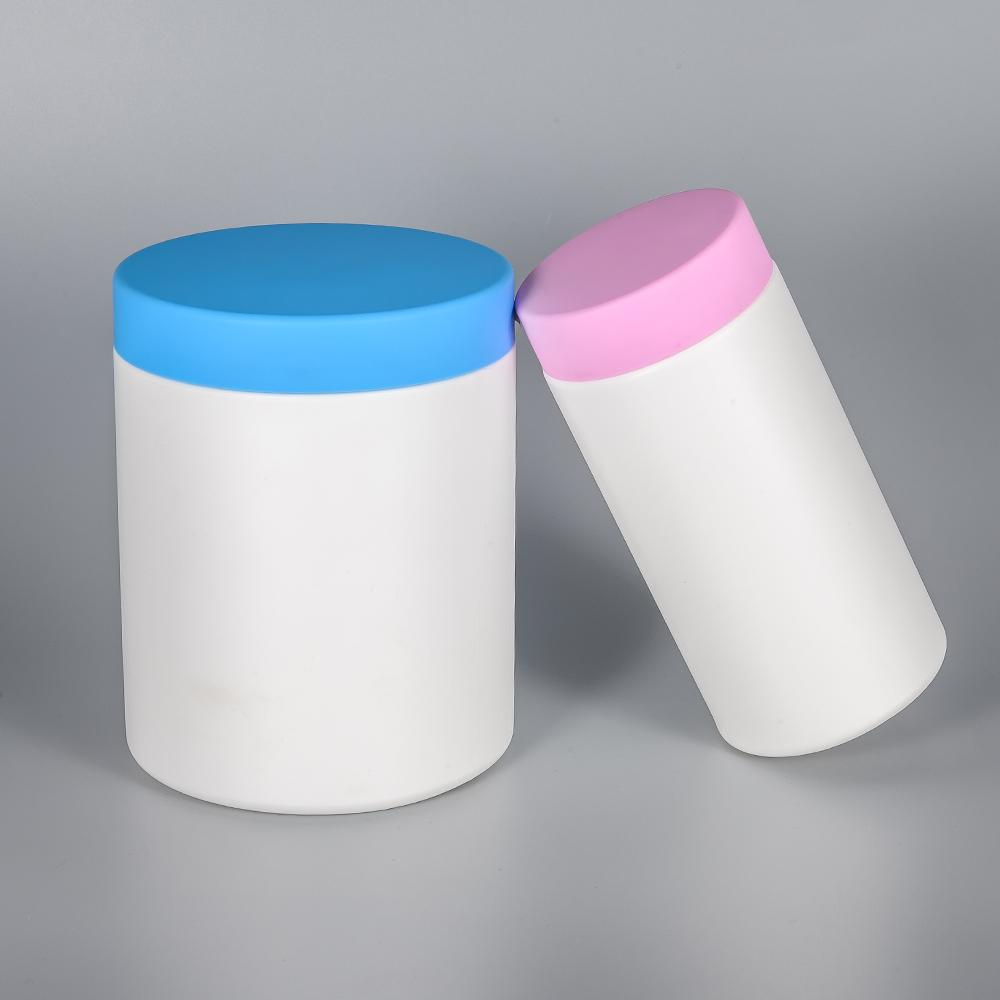
The selection of proper storage containers for chemicals is not a trivial decision in industrial, laboratory, and commercial environments. An hdpe jar has emerged as the preferred solution for safe chemical storage across numerous industries, and understanding why requires examining the material science, regulatory landscape, and practical advantages that set this option apart. Chemical compatibility, durability, and regulatory compliance converge to make an hdpe jar the logical choice for organizations serious about safety and cost-effectiveness.
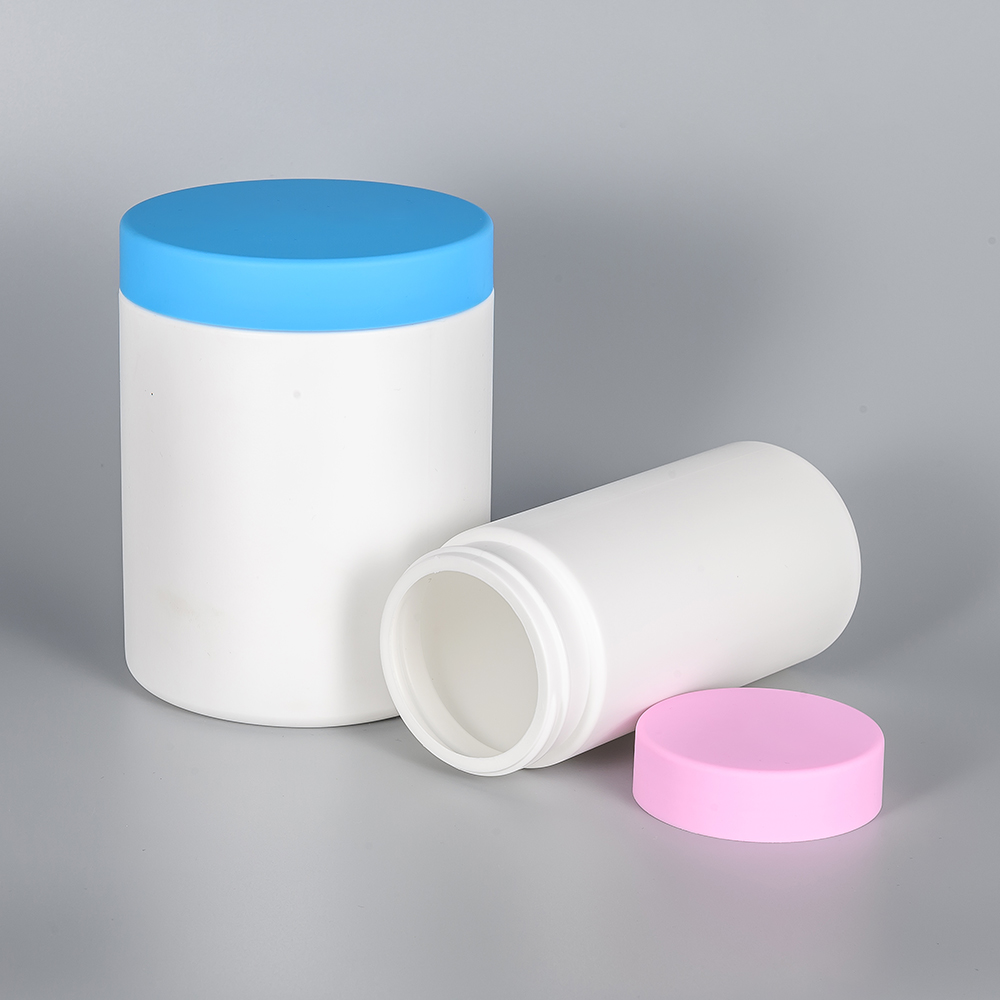
Chemical storage requires containers that can withstand aggressive substances without degrading, leaching harmful compounds, or creating environmental hazards. An hdpe jar provides this protection through its unique molecular structure and proven track record in demanding applications. Organizations that prioritize worker safety, regulatory compliance, and long-term cost savings consistently select hdpe jar solutions over inferior alternatives.
Chemical Resistance and Material Compatibility
Superior Resistance to Corrosive Substances
The primary reason an hdpe jar is preferred for chemical storage lies in its exceptional resistance to a broad spectrum of corrosive substances. High-density polyethylene possesses a crystalline structure that resists degradation when exposed to acids, bases, solvents, and other aggressive chemicals that would compromise glass, metal, or lower-grade plastic containers. An hdpe jar maintains its structural integrity and does not undergo chemical breakdown or permeation, meaning volatile compounds cannot pass through the container walls and escape into the surrounding environment.
This resistance extends to both inorganic and organic chemicals commonly used in manufacturing, laboratories, pharmaceutical production, and food processing facilities. An hdpe jar successfully contains hydrochloric acid, sulfuric acid, caustic sodium hydroxide, acetone, methanol, and numerous other substances that would damage or degrade alternative packaging materials. The material's impermeability ensures that stored chemicals maintain their composition and purity throughout their shelf life, preventing contamination and degradation.
Prevention of Chemical Leaching and Contamination
Unlike certain plastic polymers that can leach compounds into stored chemicals over time, an hdpe jar remains chemically inert and does not introduce contaminants into the substances it protects. This stability is critical in pharmaceutical manufacturing, food production, and laboratory applications where chemical purity directly impacts product quality and safety. An hdpe jar does not experience migration of polymer components that could compromise the efficacy of sensitive formulations or introduce unwanted elements into sensitive processes.
The non-reactive nature of an hdpe jar also means that stored chemicals do not undergo accelerated degradation caused by container interaction. This characteristic is particularly important for long-term storage where maintaining chemical stability becomes increasingly difficult. An hdpe jar provides the container stability necessary to preserve chemical properties for extended periods without requiring specialized refrigeration or environmental controls beyond those needed for the chemical itself.
Durability, Safety, and Regulatory Compliance
Mechanical Strength and Impact Resistance
Beyond chemical compatibility, an hdpe jar delivers exceptional mechanical durability that protects against the physical hazards common in storage, handling, and transportation environments. High-density polyethylene exhibits superior impact resistance compared to glass containers, significantly reducing breakage risk and the associated hazards of chemical spills. An hdpe jar can survive drops, impacts, and rough handling that would shatter glass alternatives, eliminating dangerous exposure incidents and the costly cleanup required after spills.
The flexibility and toughness of an hdpe jar also provide safety advantages in temperature fluctuations and thermal cycling. While glass can develop stress fractures when exposed to rapid temperature changes, an hdpe jar accommodates thermal expansion and contraction without compromising container integrity. This characteristic makes an hdpe jar suitable for storage environments where temperature stability cannot be guaranteed, such as outdoor storage facilities or vehicles subject to seasonal extremes.
Meeting Regulatory and Certification Standards
Regulatory agencies including the FDA, EPA, and international standards bodies recognize and approve high-density polyethylene for chemical storage applications. An hdpe jar that meets food-grade or pharmaceutical-grade specifications satisfies strict regulations governing chemical containment, worker safety, and environmental protection. Organizations subject to OSHA regulations, FDA compliance requirements, or international standards benefit from selecting an hdpe jar that has already undergone rigorous certification and testing.
Choosing an appropriately certified hdpe jar significantly simplifies compliance documentation and audit processes. Regulatory inspectors and safety officers recognize high-density polyethylene as an approved material for hazardous chemical storage, eliminating questions about container adequacy. An hdpe jar with proper certifications provides documented proof that the organization is taking appropriate steps to protect workers, customers, and the environment from chemical hazards.
Cost-Effectiveness and Practical Advantages
Economic Value Over Container Lifetime
While the initial purchase price of containers represents only one cost factor, the total cost of ownership heavily favors an hdpe jar over alternative options. Glass containers require specialized handling, fragile shipping procedures, and contingency planning for breakage and spills. An hdpe jar eliminates these hidden costs through its superior durability and reduced replacement frequency. Organizations storing chemicals for years often discover that an hdpe jar provides substantially lower lifetime costs despite potential differences in initial purchase price.
The durability of an hdpe jar also reduces the environmental and financial burden associated with waste disposal. Containers that break, degrade, or fail prematurely generate replacement costs and create waste management challenges. An hdpe jar that maintains integrity throughout extended storage periods minimizes these disposal requirements and associated expenses, contributing to improved profit margins and reduced environmental impact.
Practical Operational Advantages
An hdpe jar offers numerous practical advantages that improve daily operational efficiency in chemical storage and handling. The lightweight nature of high-density polyethylene means workers experience less physical strain when moving containers, reducing injury risk and improving productivity. An hdpe jar can be stacked more efficiently than glass alternatives, maximizing warehouse space utilization and enabling better organization of storage facilities. The material's compatibility with standard labeling, sealing equipment, and quality assurance processes means an hdpe jar integrates seamlessly into existing chemical storage operations.
Customization options available for an hdpe jar enable organizations to select sizes, cap designs, and closure systems that match their specific operational requirements. hdpe jar solutions can be tailored with specialized screw caps, closure mechanisms, and child-resistant features that enhance safety for particular applications. This flexibility ensures that an hdpe jar can be precisely matched to the unique demands of each chemical storage scenario.
FAQ
Is an hdpe jar suitable for storing all types of chemicals?
While an hdpe jar demonstrates exceptional resistance to most common chemicals, some aggressive solvents and specialized compounds require verification before storage. Always consult chemical compatibility charts specific to the substances being stored and the particular hdpe formulation of your container. Certain concentrated aromatics or specialized industrial solvents may require alternative container materials, but for the vast majority of industrial, laboratory, and commercial chemicals, an hdpe jar provides reliable and safe storage.
How does an hdpe jar compare to glass in terms of safety?
An hdpe jar offers superior safety advantages compared to glass in most practical scenarios. Glass containers create serious hazards when they break, potentially contaminating chemicals with glass fragments and creating sharp debris that endangers workers. An hdpe jar's impact resistance and flexibility eliminate breakage risks, making it the safer choice in high-traffic storage environments, transportation situations, and anywhere containers might experience drops or impacts. For chemical storage where worker safety is paramount, an hdpe jar is the preferred option.
Can an hdpe jar be reused for different chemicals?
Reusing an hdpe jar for different chemicals requires careful consideration and thorough cleaning procedures. Cross-contamination risks exist if residual chemicals from previous storage react with new contents or degrade their purity. Organizations often discover that single-use application of an hdpe jar provides the safest and most cost-effective approach, particularly in regulated industries where chemical purity documentation is essential. Always verify compatibility and implement appropriate cleaning protocols before repurposing an hdpe jar.