
 EN
EN

When sourcing packaging for organic health products, the choice of a supplement bottle goes far beyond aesthetics or cost. Brands that commit to organic standards must ensure their packaging aligns with the same integrity they apply to their formulations. A supplement bottle that meets organic certification requirements must be free from harmful chemical migrants, compliant with food-contact safety regulations, and traceable throughout its supply chain. Failure to select the right packaging can compromise the organic integrity of the product inside, leading to failed certification audits, product recalls, or consumer trust issues.
Finding the right supplement bottle for organic-certified products requires a structured evaluation process that covers material safety, regulatory alignment, supplier transparency, and compatibility with organic labeling requirements. This guide walks through each critical dimension so that brand owners, procurement managers, and quality compliance teams can make informed packaging decisions that protect both their certification status and their customers' health.
Understanding What Organic Standards Demand from Packaging
Why Packaging Is Part of Organic Compliance
Many brands assume that organic certification only applies to the ingredients inside a product. However, leading certification bodies increasingly scrutinize the materials that come into direct contact with organic contents. A supplement bottle that leaches synthetic chemicals, plasticizers, or residual industrial solvents into the product can technically invalidate the organic claim on the label. This means the physical container must be evaluated as part of the overall compliance framework, not treated as a separate procurement decision.
Organic standards such as those from the USDA National Organic Program (NOP), the European Union Organic Regulation, and third-party certifiers like NSF or ECOCERT often require that packaging materials do not introduce prohibited substances into the final product. Understanding which substances are prohibited under the applicable standard is the first step in evaluating whether a supplement bottle is compatible with your certification program.
Procurement teams should request written documentation from packaging suppliers confirming that their materials comply with specific food-contact regulations. The supplement bottle must pass migration testing under conditions that simulate real-world storage, including exposure to moisture, varying temperatures, and light. Only verified compliance at this level ensures the packaging supports rather than undermines the organic integrity of the contents.
Key Regulatory Frameworks to Reference
Different markets operate under different regulatory regimes, and a supplement bottle that qualifies in one geography may not meet the standards of another. In the United States, FDA 21 CFR governs indirect food additives and substances used in packaging that may contact food or supplements. In the European Union, Regulation (EC) No 1935/2004 sets the framework for all food contact materials, and specific directives address plastics, coatings, and recycled materials separately.
If you plan to sell your organic supplements in multiple markets simultaneously, your supplement bottle must be validated against the strictest applicable standard. This often means requesting migration test reports specifically conducted under EU conditions, which tend to be more rigorous than US counterparts. Keeping copies of these reports is also essential during certification audits, where inspectors may request packaging documentation alongside ingredient sourcing records.
Beyond food-contact laws, some organic certification bodies publish their own approved materials lists or packaging guidelines. Reviewing these documents before engaging suppliers ensures you do not invest time and resources in a supplement bottle that ultimately fails certification review during the final audit stage.
Material Selection Criteria for an Organic-Compliant Supplement Bottle
BPA-Free and Phthalate-Free Requirements
One of the most fundamental requirements for an organic-compatible supplement bottle is the complete absence of bisphenol A (BPA). BPA is an endocrine-disrupting chemical historically used in polycarbonate plastics and epoxy resins, and it is considered a prohibited substance by most major organic certification programs. A supplement bottle that is explicitly manufactured and certified as BPA-free removes one of the most critical disqualifying factors from the equation.
Equally important is the absence of phthalates, which are plasticizers used in some flexible plastic formulations to improve moldability. Phthalates are known endocrine disruptors and are prohibited or restricted in food and supplement packaging across multiple jurisdictions. When evaluating a supplement bottle supplier, ask for specific test reports confirming phthalate levels are below the regulatory threshold or entirely absent, rather than accepting a general claim of compliance.
The absence of heavy metals such as lead, cadmium, and antimony is another critical material criterion. PET plastic, which is widely used for supplement bottles due to its transparency and chemical resistance, can contain trace levels of antimony from the manufacturing catalyst process. Independent third-party testing of specific batches is the only reliable way to confirm that the supplement bottle you are sourcing consistently meets the heavy metal restrictions applicable under organic and food safety regulations.
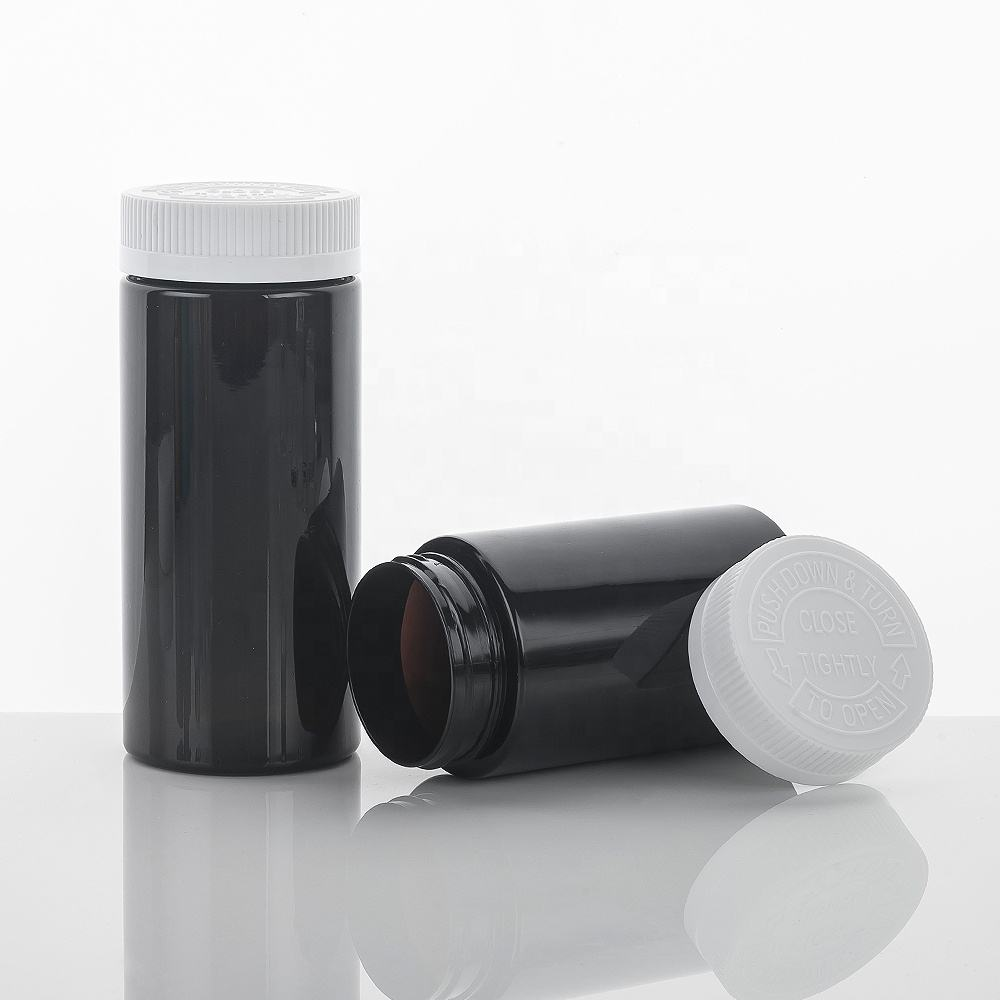
PET and HDPE as Preferred Material Options
Polyethylene terephthalate (PET) and high-density polyethylene (HDPE) are the two most commonly accepted plastic materials for supplement bottles in organic-compliant applications. Both materials have extensive safety data, well-established recycling pathways, and broad acceptance under food-contact legislation. PET offers excellent transparency, barrier properties against moisture and oxygen, and a high strength-to-weight ratio, making it a practical choice for premium supplement packaging where product visibility is commercially important.
HDPE is preferred in applications where opacity is desired, such as for light-sensitive supplement formulations. It also offers greater chemical resistance and is less prone to flavor scalping, which can be relevant for certain botanical or herbal supplement products. Both materials can be sourced as virgin-grade or food-grade recycled options, though recycled content typically requires additional documentation to demonstrate that the recycled source material was itself food-contact compliant.
When specifying a supplement bottle for organic products, always confirm the resin grade is designated as food-contact or pharmaceutical-grade by the supplier. Industrial grades of the same polymer family may contain additives or processing aids that are not acceptable under food safety regulations. This distinction is not always visible in product descriptions, so explicit written confirmation from the manufacturer is necessary.
Supplier Transparency and Certification Documentation
What to Request from a Supplement Bottle Manufacturer
Supplier transparency is one of the most practical indicators of whether a supplement bottle will meet organic packaging standards. Reliable manufacturers maintain comprehensive quality documentation and make it readily available to customers who are subject to regulatory scrutiny. At minimum, you should request a Certificate of Compliance (CoC), third-party migration test reports, and a full material declaration listing all substances used in the manufacture of the supplement bottle.
The material declaration is particularly important because it allows your internal compliance team or third-party auditor to cross-reference each listed substance against the prohibited substance lists of your applicable certification program. A supplement bottle supplier that cannot or will not provide this document should be treated as a significant compliance risk. Transparency at this level is standard practice among quality-focused manufacturers in the pharmaceutical and nutraceutical packaging industry.
It is also worth requesting information about the supplier's own quality management systems. Manufacturers operating under ISO 9001 or FSSC 22000 frameworks typically have the documentation infrastructure in place to support your compliance requirements. A supplement bottle produced in a facility with established quality controls is more likely to deliver batch-to-batch consistency in material composition, which reduces the risk of unexpected certification issues arising after production.
Traceability and Supply Chain Verification
Organic certification bodies are increasingly interested in supply chain traceability, including the raw materials used in packaging. For a supplement bottle to genuinely support an organic brand's compliance posture, the packaging supplier should be able to trace the resin back to its source, confirm it is not derived from recycled industrial waste streams that may contain prohibited contaminants, and provide documentation showing the chain of custody from resin producer to finished bottle.
Traceability documentation also becomes critical if a certification body or regulatory authority requests evidence of due diligence during an inspection. A supplement bottle supplier that maintains clear production records, batch numbers, and material traceability can dramatically simplify the audit process. Brands that work with suppliers who lack this infrastructure often find themselves unable to produce the required documentation under time pressure, which can delay or jeopardize certification renewal.
Building long-term relationships with verified supplement bottle suppliers also provides an advantage in staying ahead of regulatory changes. As organic standards evolve and packaging regulations are updated, suppliers with strong compliance cultures proactively notify clients about relevant changes and adapt their documentation accordingly. This type of partnership reduces the reactive compliance burden on brand-side teams.
Testing Protocols and Quality Assurance for Organic Packaging
Migration Testing and Its Role in Compliance
Migration testing is the scientific process used to determine whether substances from a supplement bottle can transfer into the product under realistic storage and use conditions. Overall migration testing measures the total amount of substances released, while specific migration testing focuses on individual substances of concern such as monomers, additives, or reaction by-products. For organic supplement packaging, both types of testing are relevant depending on the certification requirements you are working under.
Testing must be conducted under conditions that simulate actual use. For a supplement bottle containing powder, capsules, or tablets, this typically involves testing with food simulants that replicate the characteristics of dry or fatty contents at the relevant storage temperature and over an appropriate contact duration. Test reports produced under conditions that do not match actual use are not reliable for compliance purposes and may be rejected by certification auditors.
Independent third-party laboratories with accreditation under ISO 17025 are the appropriate bodies for conducting migration tests. Results from supplier-conducted in-house testing carry less credibility with certification bodies, though they may be useful as a preliminary screening tool. Budgeting for independent migration testing of your selected supplement bottle is a worthwhile investment that reduces certification risk and demonstrates due diligence to auditors and trade partners.
Periodic Re-Testing and Ongoing Compliance Monitoring
A common oversight in supplement packaging compliance is treating initial material approval as a permanent green light. In practice, the material composition of a supplement bottle can change if the supplier switches resin grades, changes additive formulations, or modifies processing conditions. Without a periodic re-testing protocol in your quality management system, these changes may go undetected until they surface during a certification audit or regulatory inspection.
Establishing a re-testing schedule, typically triggered by supplier changes, annual review cycles, or changes in regulatory requirements, ensures ongoing compliance rather than a point-in-time snapshot. When a supplement bottle supplier notifies you of any change to their production materials or processes, treat this as a trigger for re-evaluation rather than a routine update. Proactive monitoring of this kind is considered best practice in the pharmaceutical and nutraceutical packaging sector.
Keeping a central compliance file for each supplement bottle SKU in your packaging portfolio simplifies ongoing monitoring and facilitates rapid response if a regulatory inquiry or certification audit arises. This file should include the initial material declaration, migration test reports, certificates of compliance, and a log of any supplier-communicated changes with corresponding follow-up actions.
Practical Steps to Evaluate and Select the Right Supplement Bottle
Building a Packaging Evaluation Checklist
A structured evaluation checklist is one of the most effective tools for systematically assessing whether a supplement bottle candidate meets organic standards. The checklist should cover material composition and resin grade, presence or confirmed absence of BPA and phthalates, food-contact compliance certifications, migration test reports from accredited laboratories, supplier quality management certifications, and traceability documentation. Each criterion should have a clear pass or fail threshold based on your applicable certification requirements.
The checklist should also address practical product compatibility factors such as closure system integrity, moisture vapor transmission rates for the specific supplement format, UV barrier properties if the formulation is light-sensitive, and child-resistant closure compliance if required by your target market. A supplement bottle that scores well on organic compliance criteria but fails on one of these functional dimensions can still result in product quality failures or regulatory violations unrelated to organic certification.
Involving your quality assurance, regulatory affairs, and procurement teams in the checklist development process ensures that all relevant perspectives are captured. Each function typically has distinct knowledge of specific requirements, and cross-functional alignment at the checklist design stage reduces the likelihood of critical gaps being identified only after supplier engagement has advanced.
Piloting and Validating Before Full Commitment
Before committing to large-volume procurement of a supplement bottle from a new supplier, piloting the product through a structured validation process is advisable. Validation should include a review of the documentation package, compatibility testing with your specific formulation, closure torque testing, drop and transport testing, and if required, accelerated stability testing to confirm that the supplement bottle maintains product integrity over the intended shelf life.
Stability testing is particularly relevant for organic supplement products that do not use synthetic preservatives or antioxidants. The packaging must compensate for this absence by providing effective barriers against moisture, oxygen, and light. Selecting a supplement bottle material and closure system that meets these barrier requirements is a critical part of ensuring the product meets its labeled shelf life under organic conditions.
Working through a pilot phase also gives you the opportunity to evaluate the supplier's responsiveness, documentation quality, and production consistency before scaling. Discovering a compliance gap or quality issue during a pilot is far less costly than encountering it mid-production run or during a certification audit. A disciplined validation process is an investment in long-term packaging reliability that consistently pays for itself.
FAQ
Does the type of plastic used in a supplement bottle affect organic certification eligibility?
Yes, the type of plastic significantly affects whether a supplement bottle is compatible with organic certification requirements. Materials such as food-grade PET and HDPE are widely accepted because they have extensive safety data and comply with major food-contact regulations. Plastics containing prohibited substances such as BPA, phthalates, or elevated heavy metals are incompatible with most organic standards and must be avoided regardless of other commercial advantages they may offer.
How do I know if a supplement bottle supplier has adequate documentation for organic packaging compliance?
A compliant supplement bottle supplier should be able to provide a full material declaration, Certificate of Compliance, and third-party migration test reports upon request. Suppliers operating under recognized quality management systems such as ISO 9001 or FSSC 22000 typically have the infrastructure to produce and maintain this documentation. If a supplier is reluctant or unable to provide these documents, this is a serious red flag for any brand pursuing organic certification.
Can a supplement bottle made from recycled plastic meet organic standards?
A supplement bottle made from recycled plastic can potentially meet organic standards, but only if the recycled content is sourced from food-contact compliant waste streams and has undergone appropriate decontamination and testing. Recycled materials require additional documentation to demonstrate the absence of prohibited substances from prior use or contamination during the recycling process. In practice, many organic certification auditors require more rigorous substantiation for recycled packaging materials than for virgin food-grade resins.
How often should migration testing be conducted for a supplement bottle used in organic products?
Initial migration testing should be conducted before the supplement bottle is approved for use with organic-certified products. Periodic re-testing is advisable whenever the supplier changes their resin grade, additive formulation, or manufacturing process. Many quality management best practices also recommend annual or biennial re-testing as part of routine compliance monitoring. Any significant change in storage conditions or product formulation may also warrant re-testing to confirm that the supplement bottle's migration profile has not changed relative to the new conditions.
Table of Contents
- Understanding What Organic Standards Demand from Packaging
- Material Selection Criteria for an Organic-Compliant Supplement Bottle
- Supplier Transparency and Certification Documentation
- Testing Protocols and Quality Assurance for Organic Packaging
- Practical Steps to Evaluate and Select the Right Supplement Bottle
-
FAQ
- Does the type of plastic used in a supplement bottle affect organic certification eligibility?
- How do I know if a supplement bottle supplier has adequate documentation for organic packaging compliance?
- Can a supplement bottle made from recycled plastic meet organic standards?
- How often should migration testing be conducted for a supplement bottle used in organic products?