
 EN
EN
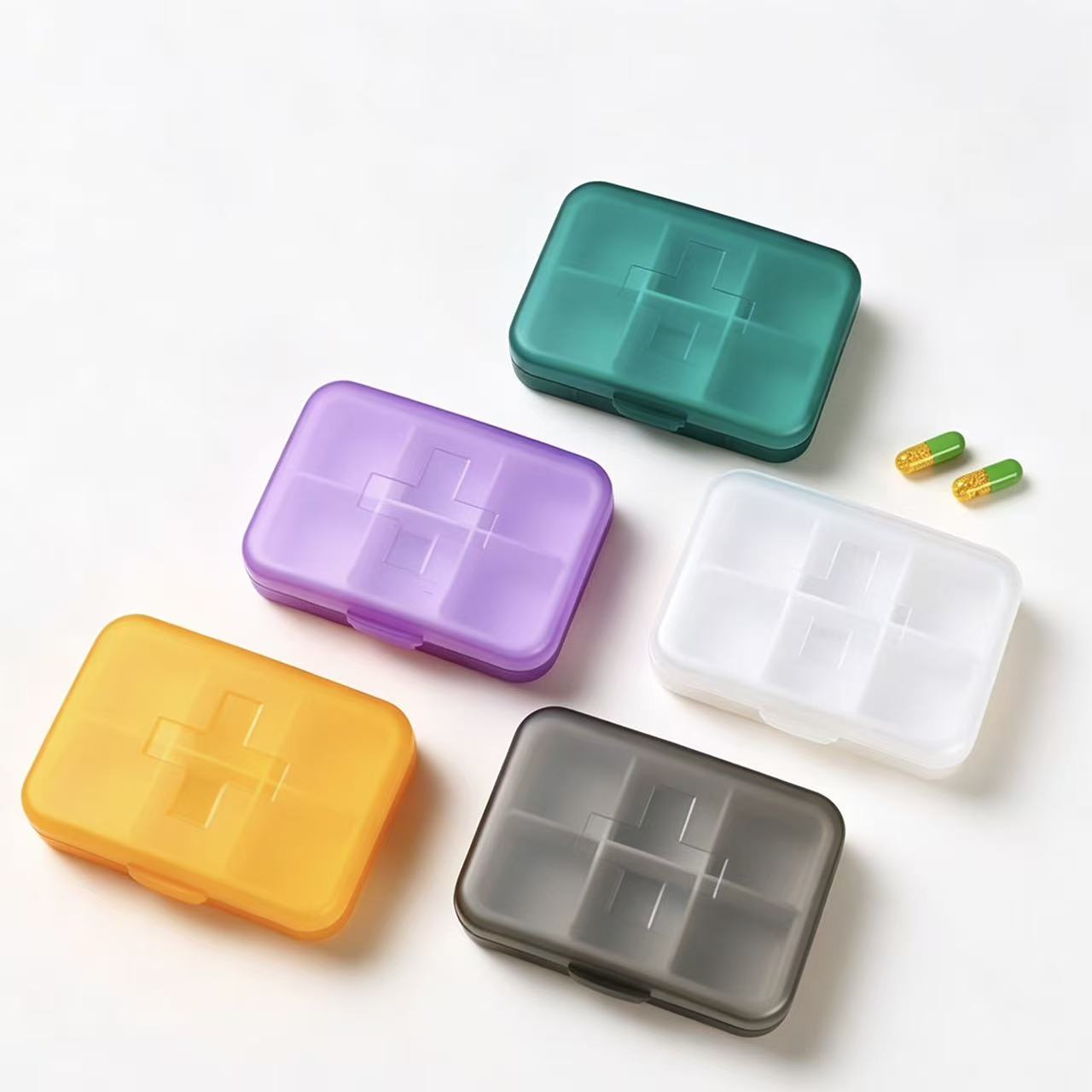
In the pharmaceutical and nutraceutical packaging industry, the question of quality certification is not merely a formality — it is a fundamental business requirement. If you are sourcing or manufacturing a pill box for medical or health-related products, the integrity of the manufacturing process directly impacts patient safety, regulatory compliance, and brand reputation. ISO 9001 certification is widely recognized as the international benchmark for quality management systems, and its relevance to pill box production cannot be overstated. Understanding whether your current supplier or internal manufacturing line holds this certification is a critical step toward responsible procurement and long-term operational excellence.
The manufacturing of a pill box involves multiple process stages — from raw material selection and molding to quality inspection, labeling, and packaging. Each of these stages introduces potential risks if not properly controlled. ISO 9001 provides a structured framework that governs how every step of the production process is planned, executed, monitored, and improved. For buyers in regulated industries, asking whether your pill box manufacturer is ISO 9001 certified is not just a due diligence question — it is the starting point for building a compliant and trustworthy supply chain.
What ISO 9001 Certification Actually Means for Pill Box Production
The Core Principles Behind ISO 9001
ISO 9001 is an internationally recognized quality management standard developed by the International Organization for Standardization. It is built on a set of quality management principles including strong customer focus, process-based thinking, evidence-based decision making, and continuous improvement. When a pill box manufacturer achieves ISO 9001 certification, it demonstrates that the organization has implemented a documented, auditable quality management system that consistently delivers products meeting customer and regulatory requirements.
This certification is not a one-time achievement. Manufacturers must undergo regular internal audits, management reviews, and third-party surveillance audits to maintain their certified status. For a pill box producer, this means ongoing accountability across every department — from procurement and production to packaging and dispatch. The discipline required to maintain ISO 9001 certification naturally elevates the quality baseline of every pill box that leaves the facility.
It is important to distinguish ISO 9001 from product-specific certifications. While ISO 9001 governs the quality management system at the organizational level, other standards may govern the pill box materials or finished product performance. However, ISO 9001 is often considered the foundational credential that makes all other quality claims credible, because it ensures systematic control rather than ad hoc inspection.
How Certification Translates into Process Control on the Factory Floor
In an ISO 9001-certified pill box manufacturing facility, each process is documented with clear work instructions, inspection criteria, and nonconformance procedures. Raw materials such as HDPE, PP, or PET resins must be verified against specifications before they enter the production line. Mold temperature, injection pressure, cycle times, and dimensional tolerances are monitored and recorded to ensure that every pill box produced meets the approved design.

Finished goods inspection under ISO 9001 goes beyond random visual checks. Certified manufacturers typically implement statistical process control or defined sampling plans to identify defects before shipment. Any pill box that fails dimensional, functional, or visual criteria is quarantined and subject to a formal corrective action process. This traceability means that if a quality issue arises in the market, the root cause can be identified and resolved quickly — protecting both the manufacturer and the customer.
Why ISO 9001 Certification Matters When Sourcing a Pill Box
Regulatory Alignment and Market Access
Pharmaceutical and nutraceutical markets in North America, Europe, and increasingly Asia-Pacific require packaging components to meet strict regulatory standards. A pill box used for over-the-counter medications, prescription tablets, or dietary supplements may need to satisfy requirements from bodies such as the FDA, CE marking frameworks, or national pharmacopoeia standards. While ISO 9001 is not a regulatory requirement in itself, it is widely used as supporting evidence of a manufacturer's quality capability during regulatory audits and supplier qualification exercises.
Many procurement teams in regulated industries maintain approved supplier lists that require ISO 9001 certification as a minimum entry condition. Sourcing a pill box from a non-certified manufacturer can create compliance gaps that are difficult to justify during an FDA inspection or a customer quality audit. Choosing a certified supplier reduces this risk significantly and simplifies the documentation burden on your quality assurance team.
Beyond regulatory compliance, ISO 9001 certification supports smoother market access for finished pharmaceutical products. Regulators and retail buyers increasingly trace quality requirements back through the packaging supply chain. A certified pill box supplier strengthens your overall quality narrative and supports faster product approvals in competitive international markets.
Reducing Supply Chain Risk and Rework Costs
Sourcing a pill box from a non-certified manufacturer introduces hidden costs that are easy to underestimate at the quoting stage. Inconsistent wall thickness, cap torque variability, dimensional drift, or contamination events can force incoming inspections, returns, production line stoppages, and repackaging. These hidden quality costs often exceed the price premium associated with buying from a certified manufacturer.
ISO 9001-certified pill box producers invest in preventive quality controls rather than reactive firefighting. This means fewer surprises in your production schedule, more predictable incoming goods quality, and lower total cost of ownership over the life of the supply relationship. For operations running at scale, the reliability differential between certified and non-certified suppliers can be substantial.
Key Areas of the Pill Box Manufacturing Process Governed by ISO 9001
Material Qualification and Supplier Controls
ISO 9001 requires certified manufacturers to evaluate and approve their own suppliers based on defined criteria. For a pill box producer, this means that the resin suppliers, colorant providers, cap component manufacturers, and label printers used in production must all be assessed for quality capability. The result is a controlled, multi-tier supply chain where material quality is verified rather than assumed.
Incoming material testing for a certified pill box manufacturer typically includes melt flow index testing, density verification, and chemical compliance checks against regulations such as REACH or FDA 21 CFR standards. These controls ensure that the base materials entering the production process are consistent and safe for contact with pharmaceutical products. Without ISO 9001, these upstream controls may be informal or inconsistently applied, creating quality risks that are invisible until they cause downstream problems.
Production Monitoring, Calibration, and Traceability
A critical element of ISO 9001 in pill box manufacturing is the control of monitoring and measuring equipment. Calipers, gauges, torque testers, and other measurement tools must be calibrated at defined intervals and records maintained. This ensures that quality decisions made on the production floor are based on accurate, reliable data rather than subjective judgment.
Traceability is another pillar of ISO 9001 that directly benefits pill box buyers. Certified manufacturers assign batch or lot codes that link finished goods back to specific production runs, material lots, and inspection records. In the event of a quality complaint or a product recall scenario, this traceability allows rapid identification of the affected population of products, limiting the scope and cost of the response. For pharmaceutical packagers, this capability is not optional — it is a supply chain necessity.
The continuous improvement requirements within ISO 9001 also drive measurable progress in pill box quality over time. Through regular review of defect data, customer complaints, and audit findings, certified manufacturers identify systemic issues and implement corrective actions with documented verification. This creates a culture of improvement that benefits buyers through progressively better product quality and fewer disruptions over the course of a long-term supply relationship.
How to Verify ISO 9001 Certification When Selecting a Pill Box Supplier
Requesting and Validating Certification Documents
When evaluating a pill box supplier, the first step is to request a copy of their ISO 9001 certificate issued by an accredited certification body. The certificate should clearly state the scope of certification — it should explicitly cover the manufacturing activities relevant to your pill box requirements, such as plastic injection molding or blow molding of pharmaceutical packaging. A certificate that covers only administrative functions or unrelated product lines does not provide meaningful assurance for your specific needs.
Verify that the certificate is current and has not lapsed. ISO 9001 certificates are typically valid for three years, subject to annual surveillance audits. You can often verify the authenticity of a certificate directly with the issuing certification body, many of which maintain online registries of certified organizations. This simple step eliminates the risk of accepting fraudulent or expired documentation from a pill box supplier.
Conducting Supplier Audits and Quality Reviews
Certificate verification is a necessary but not sufficient measure. Serious buyers of pill box products should consider conducting on-site supplier audits, either directly or through a third-party auditing firm. An audit allows your quality team to observe the ISO 9001 system in practice — reviewing documented procedures, observing production controls, inspecting the calibration program, and interviewing production staff. The difference between a paper-compliant system and a genuinely functioning quality management system often becomes apparent only during an on-site assessment.
It is also valuable to request quality performance data from your pill box supplier, such as defect rates, customer complaint history, and corrective action records. A manufacturer that is genuinely committed to ISO 9001 principles will share this data transparently and use it as a basis for ongoing quality dialogue. Suppliers who resist such transparency may hold a certificate but may not have fully internalized the quality culture that the standard is designed to create.
FAQ
Does ISO 9001 certification guarantee that a pill box is safe for pharmaceutical use?
ISO 9001 certification ensures that the manufacturer has a robust quality management system in place, but it does not by itself certify that a pill box meets specific pharmaceutical material safety requirements. Separate compliance with standards such as FDA 21 CFR for food and drug contact materials, or relevant pharmacopoeia requirements, is also necessary. However, an ISO 9001-certified manufacturer is much better positioned to demonstrate and document this compliance consistently.
Can a small pill box manufacturer hold ISO 9001 certification?
Yes. ISO 9001 is a scalable standard designed to be applicable to organizations of any size. Small and medium-sized pill box manufacturers can and do achieve ISO 9001 certification. The scope and complexity of the quality management system will naturally reflect the scale of the organization, but the core requirements for process control, documentation, and continuous improvement apply equally regardless of company size.
How often is ISO 9001 certification renewed for a pill box manufacturer?
ISO 9001 certificates are typically issued for a three-year certification cycle. During this period, the pill box manufacturer must undergo annual surveillance audits conducted by the certification body to verify that the quality management system remains effective and compliant. At the end of the three-year cycle, a full recertification audit is required. Failure to maintain compliance during any audit can result in suspension or withdrawal of the certificate.
What should I do if my current pill box supplier cannot provide ISO 9001 certification?
If your current pill box supplier is unable to provide a valid ISO 9001 certificate, assess the risk level based on your product application and target markets. For pharmaceutical or regulated nutraceutical applications, transitioning to a certified supplier is strongly advisable. In the interim, you may need to implement enhanced incoming inspection protocols and documented supplier assessments to compensate for the absence of certification. Use this gap as a trigger to review your approved supplier list and prioritize quality-credentialed partners for your pill box sourcing needs.
Table of Contents
- What ISO 9001 Certification Actually Means for Pill Box Production
- Why ISO 9001 Certification Matters When Sourcing a Pill Box
- Key Areas of the Pill Box Manufacturing Process Governed by ISO 9001
- How to Verify ISO 9001 Certification When Selecting a Pill Box Supplier
-
FAQ
- Does ISO 9001 certification guarantee that a pill box is safe for pharmaceutical use?
- Can a small pill box manufacturer hold ISO 9001 certification?
- How often is ISO 9001 certification renewed for a pill box manufacturer?
- What should I do if my current pill box supplier cannot provide ISO 9001 certification?