
 EN
EN
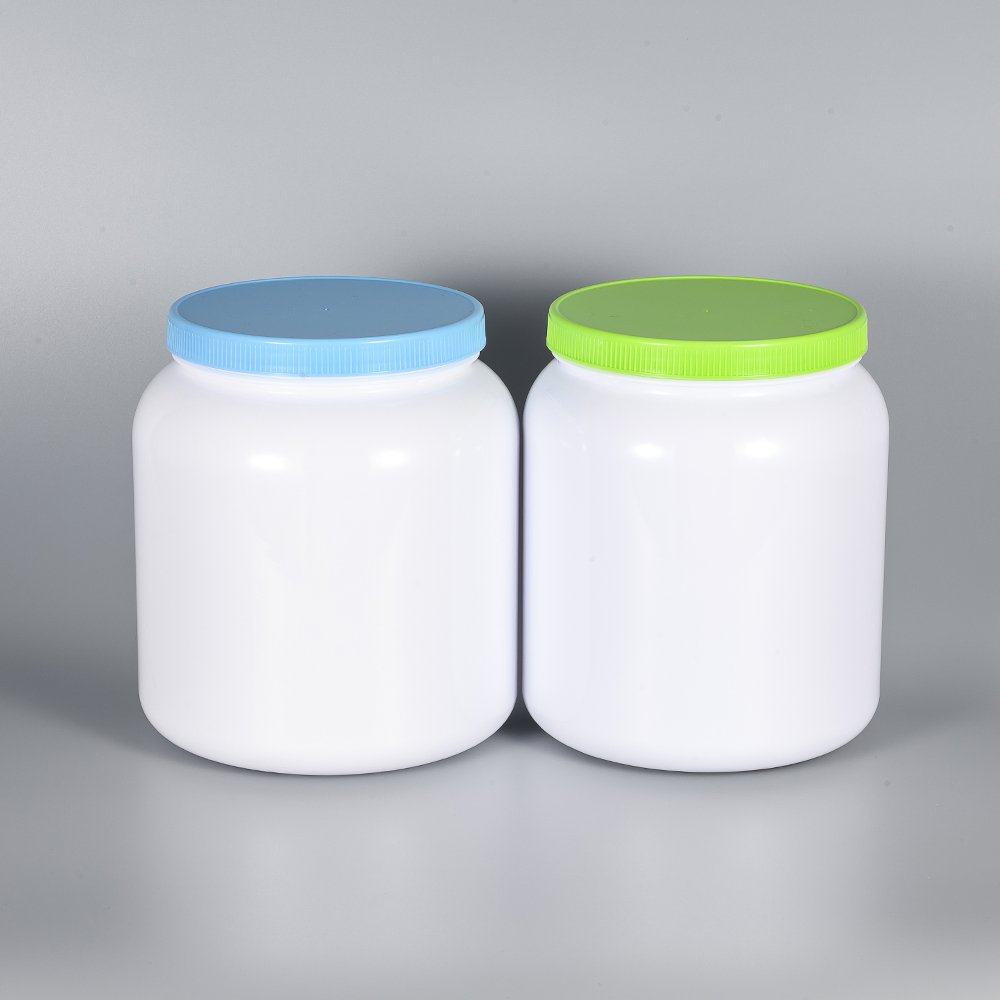
Choosing the right protein powder container size is one of the most consequential packaging decisions a gym brand can make. It directly affects customer perception, shelf presence, cost-per-unit economics, and even how loyal buyers evaluate value. For brands entering or scaling in the sports nutrition market, getting this sizing decision right means the difference between a product that moves confidently off shelves and one that confuses buyers before they even read the label.
The fitness supplement space is highly competitive, and gym brands must think beyond just the formulation inside the protein powder container. Packaging size communicates brand positioning, targets specific consumer segments, and shapes repeat purchase behavior. This article breaks down exactly which container sizes work best for gym brands, why size selection depends on your target customer and channel strategy, and what structural and regulatory considerations inform the optimal choice.
Understanding Container Size as a Brand Strategy Tool
Why Size Signals Value to the Consumer
When a customer picks up a protein powder container at a gym reception desk or an online store, their first judgment is visual and tactile. Size immediately communicates value. A large, wide-base jar suggests generosity, bulk savings, and serious athletic use. A compact, sleek protein powder container suggests portability, introductory pricing, or premium single-serve convenience. Neither is inherently better — but each sends a distinct signal that must align with how your brand wants to be perceived.
Gym brands often underestimate how much a container's physical footprint influences purchase confidence. Buyers at gym pro shops or boutique fitness studios expect different sizes than those buying through e-commerce platforms. The packaging must mirror the environment where it will be sold, the frequency at which customers are expected to repurchase, and the serving size recommendations tied to your product's formulation.
A mid-tier gym brand targeting everyday recreational athletes will likely find that a standard 1–2 lb fill weight in a suitably sized protein powder container performs best as an entry point. This size is manageable for first-time buyers and small enough to encourage quick repurchase cycles — which is critical for building brand loyalty in a crowded market.
How Serving Count Aligns With Container Dimensions
The most practical starting point for determining the ideal protein powder container size is the intended number of servings. Most protein powder products are formulated at 25–30 grams per serving. A 1-liter HDPE protein powder container, for instance, is typically well-suited for 30-serving counts at standard densities, making it one of the most versatile formats across multiple gym brand tiers.
Brands offering 15-serving trial or introductory sizes typically look for compact containers in the 500–700 ml range. These are excellent for gym starter kits, loyalty reward bundles, or influencer sampling campaigns. At the other end of the spectrum, bulk gym buyers and hardcore athletes often prefer 5 lb or larger formats, which require containers in the 3-liter-plus range. The key is that the physical protein powder container must be sized to match the serving count without excessive dead space or overfilling risk.
Dead space — the visible air gap between the powder fill level and the container lid — is a persistent customer complaint. Consumers interpret this as deceptive underfilling, even when nitrogen-flushed headspace serves a legitimate shelf-life function. Designing your protein powder container with the right neck diameter, body volume, and fill height ensures that the product looks honest and full at point of sale.
The Most Common Protein Powder Container Sizes for Gym Brands
The 1-Liter Format and Its Versatility
Among all sizes in active use today, the 1-liter protein powder container consistently stands out as the most balanced format for gym brands at the growth stage. It accommodates roughly 28–35 servings depending on scoop size and powder density, which aligns perfectly with the industry's standard 30-serving format. This serving count is familiar to consumers and reduces purchasing hesitation because buyers already know what they're committing to.
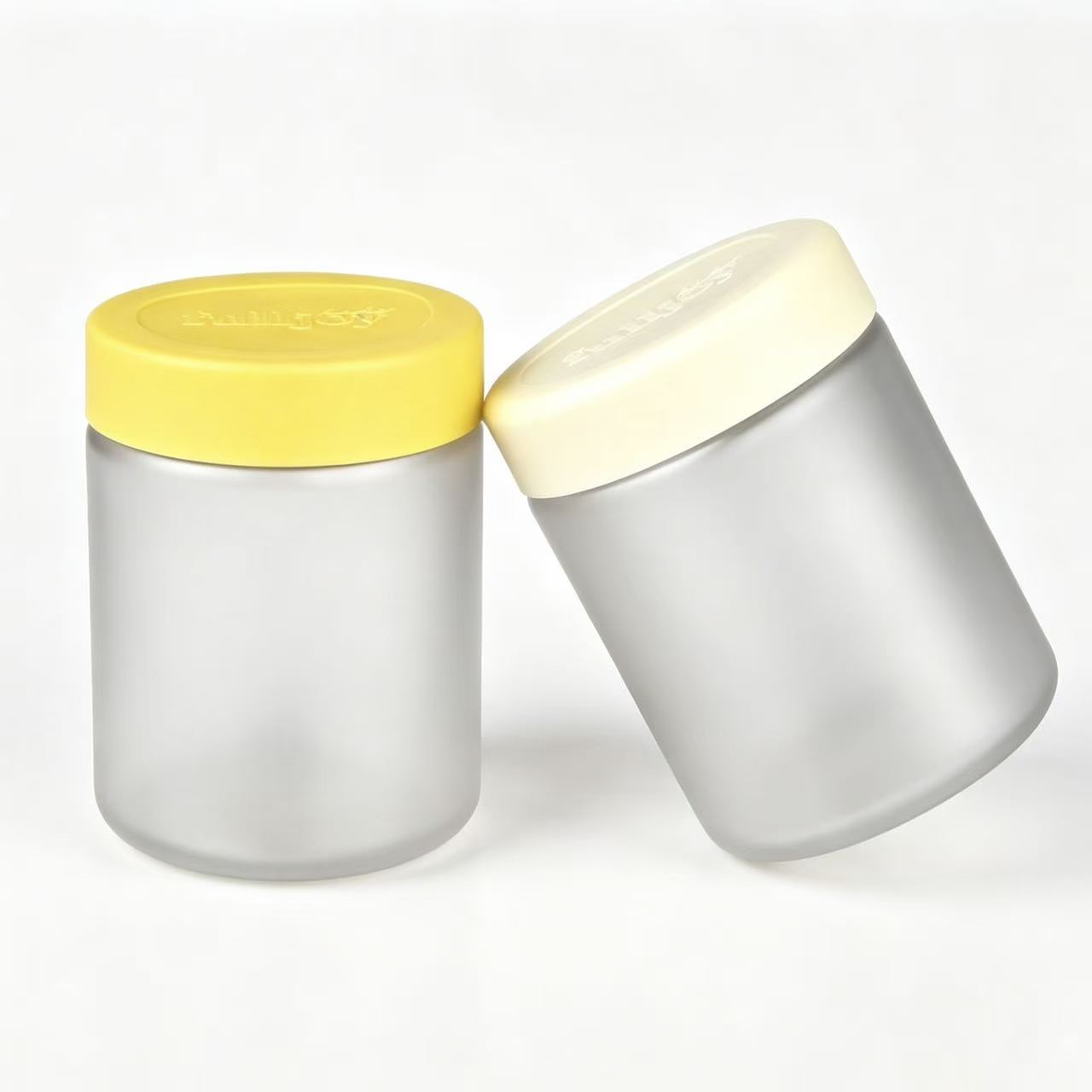
A 1-liter HDPE jar is also practical for shipping. It fits efficiently in standard postal boxes, reduces dimensional weight charges, and maintains structural rigidity during transit — all important factors for direct-to-consumer gym brands selling through their own websites or third-party fulfillment channels. The screw-cap design on a 1-liter format also provides an excellent surface for custom labeling and brand color execution.
For gym brands launching their first private-label supplement or expanding their product line, the 1-liter protein powder container offers the easiest path to managing MOQ (minimum order quantity) economics, finding compatible contract manufacturers, and maintaining label compliance across multiple regulatory jurisdictions. It is, in many respects, the industry's default starting point for good reason.
Larger Formats for Performance and Bulk Markets
Gym brands targeting performance-focused athletes or selling through wholesale fitness distributor channels often need to offer larger protein powder container options. Sizes in the 2-liter to 4-liter range typically accommodate 60-serving and 80-serving products, which are popular among dedicated gym-goers who consume protein supplements daily and want to reduce their per-serving cost.
Larger containers command higher retail price points and create a perception of value efficiency. However, gym brands must weigh this against the increased production cost per unit, the heavier shipping weight, and the longer purchase cycle — which means customers reorder less frequently. A well-designed large-format protein powder container can anchor a product lineup at a premium tier while smaller formats drive higher repeat-purchase velocity and customer lifetime value.
It's also worth noting that wide-mouth openings become increasingly important as container volume grows. Larger containers require wider scoops, which must fit inside the container when closed. Structural stability, stackability in retail environments, and label surface area all become more complex design considerations as the protein powder container size increases. These details matter for gym brands that rely on strong retail sell-through velocity.
Mini and Travel Formats for Brand Sampling
Not every gym brand needs to compete exclusively at the full-size container level. Smaller protein powder container formats — typically 300 ml to 500 ml — serve an important role in gym brand marketing strategies. These compact sizes are ideal for trial packs, gym bag accessories, starter sets, and branded gifting programs.
Sampling has proven to be one of the most effective conversion tools in the supplement industry. When a gym brand places a small, well-branded protein powder container in a new-member welcome kit or a post-workout recovery package, they create a tactile brand experience that can convert a one-time trialist into a long-term subscriber. The economics work because the cost of a small container is far lower than a paid acquisition campaign, and the physical product creates memorability that digital ads cannot replicate.
Material and Structural Considerations That Affect Size Selection
HDPE Plastic as the Standard Material Choice
The material composition of a protein powder container directly affects which sizes are feasible at commercial scale. High-density polyethylene (HDPE) has become the industry standard for protein supplement packaging because it offers an excellent combination of food safety compliance, moisture barrier performance, chemical resistance, and cost efficiency. HDPE containers are available across all common size formats, from compact 300 ml jars to large 4-liter buckets.
For gym brands focused on sustainability messaging, HDPE is also one of the most widely recycled plastics globally, which supports eco-positioning without requiring a premium packaging solution. This matters because gym-focused consumers increasingly factor environmental responsibility into their brand loyalty decisions. A well-constructed HDPE protein powder container communicates durability, safety, and environmental conscientiousness simultaneously.
Food-grade certification is non-negotiable regardless of container size. Any protein powder container used for an ingestible supplement must comply with applicable food contact material regulations, whether that involves FDA standards in North America, EFSA guidelines in Europe, or equivalent frameworks in other target markets. Gym brands should always verify material compliance documentation from their packaging supplier before finalizing size and material specifications.
Screw Cap Design and Functional Closure Requirements
The closure system on a protein powder container is not a minor detail — it affects product freshness, user experience, and shelf-life integrity. Screw-cap closures are the most common format across all size categories because they provide a reliable airtight seal, are easy to manufacture in matching colors, and allow for tamper-evident banding that enhances consumer confidence.
For larger containers, the torque requirement to achieve a reliable seal increases, which means the cap diameter and thread pitch must be engineered proportionally to the container body. A poorly fitted closure on a 2-liter protein powder container can result in moisture ingress, caking, and off-spec product by the time a customer reaches the final third of their supply. These failure modes damage brand reputation far more than any label design issue.
Gym brands should also consider whether the screw cap surface offers printable area for secondary branding, instructions, or batch codes. As regulations in the sports nutrition space become stricter around labeling requirements, the top surface of a protein powder container cap can serve as a compliance-ready location for key data without cluttering the main label panel.
Matching Container Size to Sales Channel and Gym Brand Positioning
Direct-to-Consumer Gym Brands
Gym brands selling direct-to-consumer through their own websites or subscription platforms benefit most from the 1-liter and 1.5-liter protein powder container formats. These sizes strike the right balance between perceived value, manageable shipping dimensions, and a 30-serving product format that encourages monthly resubscription. The predictable purchase cycle makes financial planning straightforward and simplifies inventory management for small-to-mid-scale operations.
DTC gym brands can also use container size as a tiering mechanism. Offering a 15-serving compact protein powder container as a trial product alongside a standard 30-serving size and a premium 60-serving bulk value option gives buyers a clear ladder to climb as their commitment to the brand grows. This size hierarchy is a proven structure in the subscription supplement market and works particularly well when all three containers share a consistent visual design language.
Gym Retail and Wholesale Distribution
For gym brands selling through physical retail — whether independent gyms, fitness studio pro shops, or specialty sports nutrition stores — the shelf footprint of the protein powder container becomes a critical consideration. Retailers allocate limited shelf space, and a container that is too wide, too tall, or unstable when stacked creates friction in the buyer-retailer relationship. Standard 1-liter to 2-liter formats are generally the most retail-friendly in terms of facing width, stack height, and visual prominence.
Wholesale buyers, including gym chains and fitness distributors, often have specific size preferences driven by their own logistics and storage capabilities. When approaching wholesale contracts, gym brands should be prepared to justify their chosen protein powder container size with data on serving count, fill weight, shelf life, and case pack efficiency. Distributors favor predictable, standardized packaging that integrates easily into their fulfillment and display systems.
FAQ
What size protein powder container is best for a 30-serving product?
A 1-liter protein powder container is generally the ideal format for a 30-serving product formulated at 25–30 grams per serving. This size accommodates the fill weight without excessive dead space, ships efficiently, and aligns with consumer expectations for standard monthly-supply supplements. It is the most widely used format among mid-tier gym brands for good reason.
Can gym brands use the same container size for multiple flavors or product lines?
Yes, using a standardized protein powder container size across multiple flavors or product variants is a common and practical strategy. It reduces packaging procurement complexity, allows for higher volume orders on a single container SKU, and creates visual consistency across a gym brand's lineup. Differentiation between flavors or products is achieved through label design, color coding, and cap color selection rather than container format changes.
How does container size affect shipping costs for gym supplement brands?
Container size has a direct impact on both dimensional weight and actual weight in shipping calculations. A larger protein powder container increases package size and fill weight simultaneously, which raises per-unit shipping costs. For DTC gym brands, optimizing container size to fit efficiently within standard courier box dimensions — particularly the 1-liter format — can meaningfully reduce fulfillment costs per order without compromising product volume or consumer value perception.
Is a larger protein powder container always better value for gym consumers?
Not necessarily. While a larger protein powder container often delivers a lower per-serving cost, it also requires a larger upfront purchase, increases the risk of product oxidation or caking if not consumed promptly, and may deter first-time buyers who are not yet committed to a brand. Gym brands should offer size options that serve different buyer stages — smaller containers for trials and new customers, larger formats for loyal, high-frequency consumers seeking bulk value.