
 EN
EN
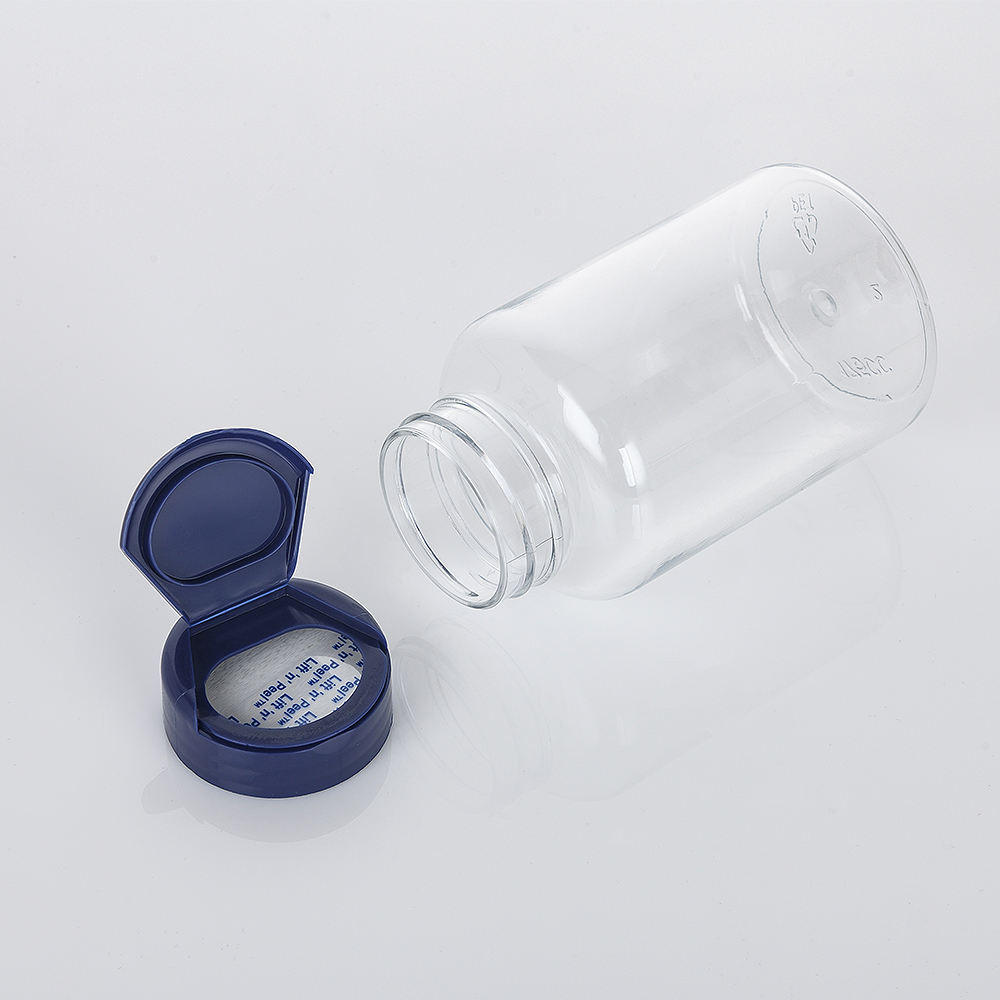
The packaging choices made by healthcare, nutraceutical, and supplement brands carry more weight than many decision-makers realize. Every capsule bottle that leaves a production facility represents a commitment — not just to product integrity, but to environmental responsibility, regulatory alignment, and long-term brand equity. In a market increasingly shaped by sustainability mandates and consumer awareness, the type of packaging you choose is no longer a peripheral decision. It sits at the intersection of operational efficiency, compliance, and corporate values.
Switching to an eco-friendly capsule bottle is no longer a niche trend pursued only by startups with green branding ambitions. It has become a practical, measurable strategy that reduces environmental footprint, improves supply chain resilience, and resonates directly with end consumers who are actively making purchasing decisions based on packaging sustainability. This article explores the compelling reasons why making that switch today — rather than later — is the smarter business and environmental choice.
The Environmental Case for Changing Your Capsule Bottle
The True Cost of Conventional Plastic Capsule Bottles
Conventional capsule bottle designs, particularly those made from virgin petroleum-based plastics, contribute significantly to plastic waste accumulation in landfills and oceans. A standard capsule bottle not manufactured with eco-conscious materials or processes has a limited post-use lifecycle — it is discarded, and in most markets, it is not effectively recycled due to sorting infrastructure limitations and material complexity. The sheer volume of capsule bottle waste produced globally by the pharmaceutical and nutraceutical industries represents a serious ecological liability.
Beyond the end-of-life problem, the production of a conventional capsule bottle requires substantial energy derived from fossil fuels, adds to greenhouse gas emissions, and relies on raw material extraction processes that degrade natural ecosystems. When you multiply a single capsule bottle across millions of units in a brand's annual production run, the cumulative environmental impact becomes impossible to ignore. Regulatory bodies across North America, Europe, and the Asia-Pacific region have begun introducing extended producer responsibility (EPR) frameworks that hold brands accountable for this impact.
Transitioning to eco-friendly capsule bottle formats — whether through recycled HDPE content, lightweighting, or design-for-recyclability — directly mitigates these costs. It is not merely a symbolic gesture. It is a quantifiable reduction in your brand's carbon footprint and material waste output, which can be reported to stakeholders, regulators, and consumers with transparent data.
How Eco-Friendly Materials Redefine the Capsule Bottle
Eco-friendly capsule bottle solutions typically rely on materials such as post-consumer recycled (PCR) HDPE, bio-based resins, or HDPE grades engineered for improved recyclability at end of life. HDPE remains one of the most widely accepted and efficiently recycled plastics globally, and a capsule bottle made from recycled HDPE retains the protective and functional qualities required for pharmaceutical-grade packaging while significantly lowering the demand for virgin plastic resin.
Lightweighting is another dimension of eco-friendly capsule bottle design that yields both environmental and economic benefits. By optimizing wall thickness and structural geometry without compromising product protection, a lightweighted capsule bottle uses less material per unit. Over a production run of hundreds of thousands or millions of units, this translates into meaningful reductions in resin consumption, transportation weight, and associated fuel emissions. The capsule bottle thus becomes a tool not just for containment but for systemic resource efficiency.
Design-for-recyclability principles also mean that the closures, desiccants, and labels applied to an eco-friendly capsule bottle are selected to be compatible with mainstream recycling streams rather than contaminating them. This holistic approach to the capsule bottle's full lifecycle is what separates genuinely sustainable packaging from superficial greenwashing.
Regulatory Drivers Pushing Brands Toward Eco-Friendly Capsule Bottle Adoption
Global Legislation Is Accelerating the Transition
Across major markets, regulatory pressure on single-use plastics and packaging waste is intensifying rapidly. The European Union's Packaging and Packaging Waste Regulation (PPWR), for instance, sets binding recycled content targets and recyclability requirements for all packaging categories — including the capsule bottle formats used in pharmaceutical and supplement products. Brands that delay adopting eco-friendly packaging formats risk facing compliance penalties, market access restrictions, and reputational exposure as these regulations come into full force.
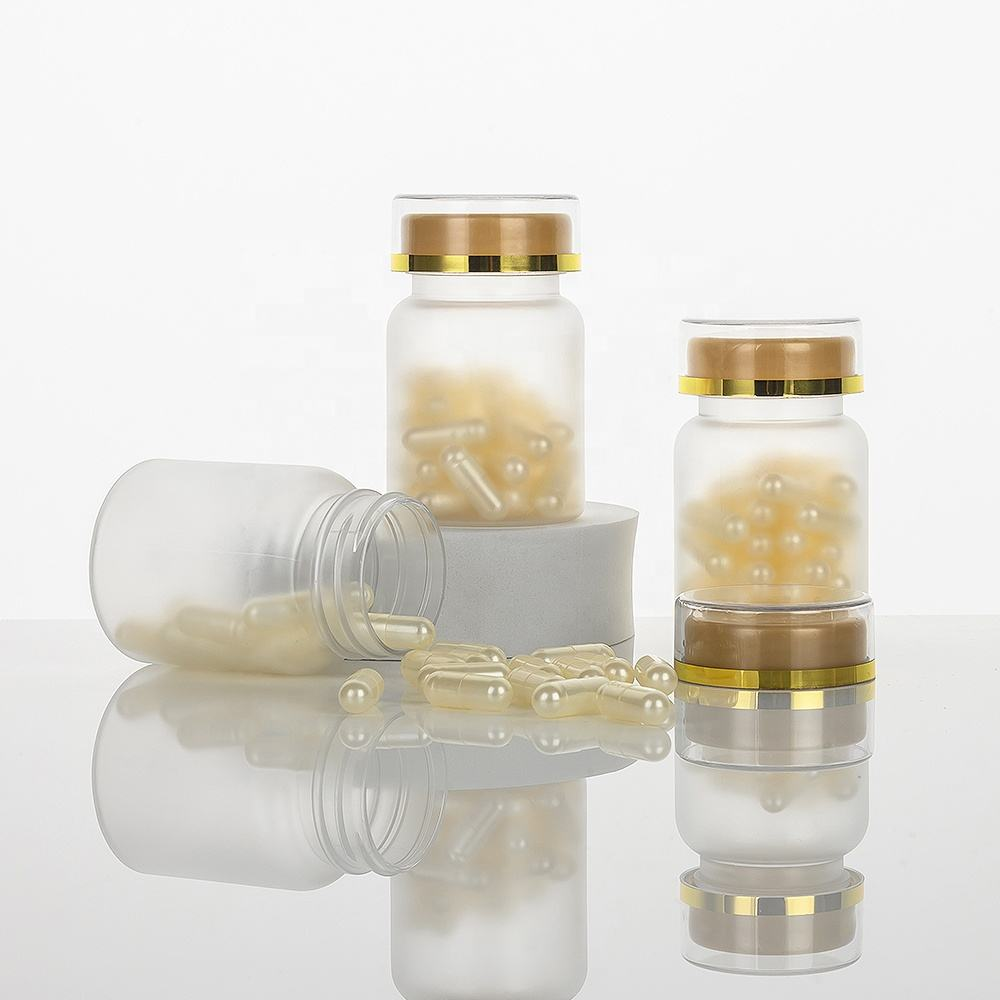
In North America, several U.S. states and Canadian provinces have enacted or are actively developing EPR schemes that require packaging producers to fund collection and recycling infrastructure. A capsule bottle that is designed with recyclability as a core engineering criterion is far better positioned to meet these obligations than a legacy design that was never optimized for end-of-life recovery. The cost of compliance is typically lower when you have built sustainability into the capsule bottle design from the outset, rather than retrofitting it later under regulatory duress.
Additionally, pharmaceutical and nutraceutical product registrations in certain markets now require environmental impact assessments of packaging materials. Demonstrating that your capsule bottle meets eco-design criteria can streamline regulatory submissions and signal organizational credibility to approval authorities. The regulatory landscape has shifted such that the eco-friendly capsule bottle is not just a market preference — it is increasingly a compliance prerequisite.
Industry Standards and Certification Requirements
Beyond government regulation, industry standards bodies and certification programs are raising the bar for packaging sustainability. Certifications such as How2Recycle, the Sustainable Packaging Coalition's guidelines, and ISO9001 environmental management standards all create frameworks within which the design and sourcing of a capsule bottle must be evaluated. Brands that can demonstrate certified eco-friendly capsule bottle sourcing gain credibility with retailers, institutional buyers, and professional procurement teams.
Retailers and distributors, particularly in the natural health and pharmacy channels, are implementing their own supplier codes of conduct that include packaging sustainability criteria. A capsule bottle that meets or exceeds these criteria positions your brand for preferential shelf placement, stronger wholesale relationships, and qualification for sustainability-focused purchasing programs. These upstream commercial pressures reinforce the regulatory drivers and make the case for switching to eco-friendly capsule bottle formats even more financially concrete.
Business and Brand Benefits of Switching to an Eco-Friendly Capsule Bottle
Consumer Demand for Sustainable Packaging Is Measurable and Growing
Consumer research consistently demonstrates that a significant and growing proportion of buyers across dietary supplements, vitamins, and over-the-counter health products actively consider packaging sustainability when making purchase decisions. For many consumer segments — particularly millennials and Gen Z demographics — a capsule bottle that communicates eco-friendly credentials on its label or through transparent sourcing disclosures is a meaningful differentiator at the point of sale. This translates directly into conversion rates, repeat purchase behavior, and brand loyalty metrics.
The implication for brands is straightforward: switching to an eco-friendly capsule bottle is not simply a cost center associated with compliance. It is a brand equity investment. A capsule bottle that carries recycled content claims, compostable certifications, or carbon-neutral production disclosures gives marketing teams substantiated, regulatory-compliant messaging assets that resonate with target audiences. In an increasingly cluttered supplement aisle, that differentiation carries real commercial value.
Brands operating in the e-commerce channel also benefit from eco-friendly capsule bottle positioning because online consumers are often more engaged with sustainability narratives and more likely to share brand values through social proof mechanisms. A thoughtfully packaged, eco-friendly capsule bottle can become part of a brand's unboxing story, generating organic content and positive word-of-mouth that reinforces sustainable brand identity.
Cost Efficiency and Supply Chain Resilience
There is a common misconception that eco-friendly capsule bottle formats inherently cost more than conventional alternatives. While some premium eco-materials do carry a higher per-unit cost, the total cost of ownership for an eco-friendly capsule bottle program is frequently comparable to or lower than a conventional approach when regulatory compliance costs, waste disposal fees, and potential penalty liabilities are factored in. Lightweighting, in particular, delivers direct material cost savings that often partially or fully offset any premium associated with recycled content.
Furthermore, brands that have integrated eco-friendly capsule bottle sourcing into their supply chains report improved supplier relationships, greater supply chain transparency, and reduced exposure to resin price volatility. Recycled HDPE pricing, while subject to market fluctuations, is decoupled from crude oil pricing in a way that virgin resin is not, providing a degree of cost insulation that is increasingly valuable in an era of energy price uncertainty. The capsule bottle supply chain, viewed through this lens, is more resilient when built on sustainable material foundations.
Practical Considerations When Transitioning to an Eco-Friendly Capsule Bottle
Evaluating Material and Design Requirements
The transition to an eco-friendly capsule bottle begins with a clear technical evaluation of your product's packaging requirements. Capsules, tablets, and pills have specific moisture sensitivity, oxygen sensitivity, and UV protection requirements that must be fully preserved regardless of the environmental credentials of the packaging material. An eco-friendly capsule bottle must meet all existing performance specifications — barrier properties, drop resistance, closure torque performance, and child-resistant or tamper-evident requirements — without compromise.
When evaluating PCR HDPE or other eco-friendly material grades for your capsule bottle, request material data sheets that confirm consistency of mechanical and barrier properties relative to virgin HDPE baselines. Reputable capsule bottle suppliers will be able to provide migration testing data, FDA compliance documentation, and lot-to-lot consistency records for recycled content grades. Performing stability testing with the new eco-friendly capsule bottle before full commercial launch is a non-negotiable step to ensure product integrity is maintained throughout shelf life.
Working with Suppliers Who Understand Eco-Friendly Capsule Bottle Standards
Sourcing an eco-friendly capsule bottle requires working with manufacturers who have genuine competency in sustainable packaging design and materials, not simply suppliers who affix a green label to a conventional product. Look for suppliers with demonstrated experience in recycled content integration, design-for-recyclability, and lifecycle assessment methodologies. Request transparency on the recycled content percentage in each capsule bottle, the sourcing and certification of that recycled content, and the supplier's own environmental management practices.
The right capsule bottle manufacturing partner will be able to guide you through material selection, closure compatibility, labeling considerations, and transition timelines with technical precision. They should also be capable of supporting your regulatory documentation needs, including providing recycled content declarations and certifications that are required under EPR and eco-labeling schemes. A well-supported transition to an eco-friendly capsule bottle program is far less operationally disruptive than brands typically anticipate when they work with knowledgeable supply partners.
FAQ
Does switching to an eco-friendly capsule bottle affect product shelf life or stability?
Not when the transition is managed correctly. An eco-friendly capsule bottle made from quality PCR HDPE or other certified materials can provide equivalent barrier protection, moisture resistance, and structural integrity compared to conventional options. Brands should conduct stability testing with the new capsule bottle format before commercial launch to confirm that all shelf life parameters are maintained, which is standard practice regardless of packaging material changes.
Is an eco-friendly capsule bottle more expensive to procure?
The per-unit cost of an eco-friendly capsule bottle may be slightly higher depending on the material grade and recycled content percentage, but lightweighting strategies and reduced regulatory compliance costs often offset this premium. When total cost of ownership is calculated across the full procurement, compliance, and waste management lifecycle, eco-friendly capsule bottle programs are frequently cost-neutral or cost-positive for brands operating at commercial scale.
Can an eco-friendly capsule bottle still meet child-resistant and tamper-evident requirements?
Yes. Child-resistant and tamper-evident closure mechanisms are design features independent of the capsule bottle's material composition. Eco-friendly HDPE capsule bottle formats are fully compatible with all standard closure systems, including CRC (child-resistant closure) mechanisms, induction sealing, and tamper-evident banding. Compliance with packaging safety regulations is not compromised by the adoption of eco-friendly materials.
How should brands communicate the eco-friendly credentials of their capsule bottle to consumers?
Brands should use certified, substantiated claims when communicating the eco-friendly attributes of their capsule bottle. Labels such as recycled content percentages, How2Recycle labeling, and carbon footprint disclosures carry credibility with consumers and regulators because they are backed by third-party verification. Avoid vague or unsubstantiated environmental claims, as these create greenwashing exposure. A transparent, data-backed approach to communicating your capsule bottle's sustainability credentials builds genuine consumer trust and long-term brand differentiation.
Table of Contents
- The Environmental Case for Changing Your Capsule Bottle
- Regulatory Drivers Pushing Brands Toward Eco-Friendly Capsule Bottle Adoption
- Business and Brand Benefits of Switching to an Eco-Friendly Capsule Bottle
- Practical Considerations When Transitioning to an Eco-Friendly Capsule Bottle
-
FAQ
- Does switching to an eco-friendly capsule bottle affect product shelf life or stability?
- Is an eco-friendly capsule bottle more expensive to procure?
- Can an eco-friendly capsule bottle still meet child-resistant and tamper-evident requirements?
- How should brands communicate the eco-friendly credentials of their capsule bottle to consumers?