
 EN
EN
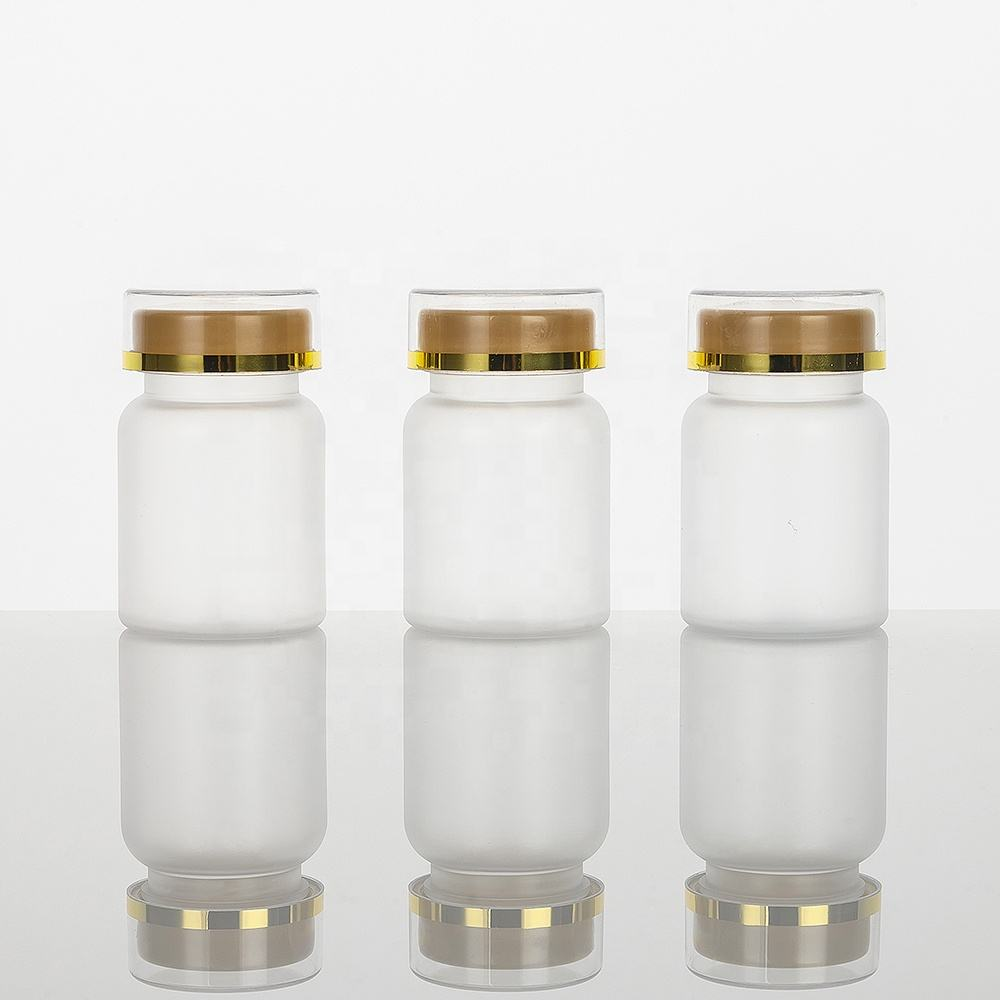
The packaging you choose for a health supplement says as much about the product as the formula inside. When consumers invest in premium vitamins, minerals, or herbal blends, they expect the container to reflect the same level of care and quality. A well-engineered capsule bottle is not merely a vessel — it is an active participant in preserving potency, communicating brand value, and ensuring safety throughout the supply chain. Understanding exactly what makes a capsule bottle ideal for high-end health supplements can help manufacturers, formulators, and brand owners make smarter packaging decisions from the very start.
In the premium supplement market, margins are tight and consumer expectations are high. A single packaging failure — whether that means a compromised seal, a cracked body, or moisture intrusion — can result in product recalls, customer complaints, and lasting brand damage. The criteria for an ideal capsule bottle therefore span multiple disciplines: material science, ergonomic design, regulatory compliance, and visual merchandising. This article breaks down each of those dimensions so you can evaluate your packaging choices with confidence and precision.
Material Quality and Its Role in Supplement Preservation
Why PET Has Become a Premium Industry Standard
Polyethylene Terephthalate, commonly known as PET, has become a premier material of choice for premium pharmaceutical and nutraceutical packaging. Its molecular structure offers an exceptional balance of tensile strength and high impact resistance, making it durable enough to withstand the rigors of warehousing, shipping, and retail handling. For a capsule bottle designed to hold premium supplements, this structural integrity is non-negotiable. Cracking or deforming under pressure would immediately compromise the hermetic seal that protects sensitive ingredients.
Beyond physical strength, PET provides outstanding gas, aroma, and moisture vapor resistance. Many supplement ingredients — including probiotics, botanical extracts, and certain antioxidants — degrade rapidly when exposed to oxygen or humidity. A PET capsule bottle creates a highly reliable barrier environment that slows oxidation and moisture absorption far better than lower-grade polymers. This translates directly into a longer shelf life and a product that performs as advertised when the consumer finally opens the container.
Furthermore, PET delivers brilliant, glass-like clarity that can elevate brand perception, yet it is also widely used in opaque amber or solid white to block light. It is recognized by regulatory bodies in numerous global markets as a food-contact and pharmaceutical-grade material. For brands operating across international markets, choosing a PET capsule bottle simplifies compliance documentation and reduces the risk of customs or quality rejections.
The Impact of Wall Thickness and Resin Grade
Not all PET is the same. The resin grade and wall thickness of a capsule bottle determine how effectively it resists compression, temperature fluctuation, and stress cracking over time. Premium supplement packaging typically calls for highly consistent walls and premium-grade resins to ensure that the bottle maintains its shape and seal integrity even after repeated opening and closing cycles by the consumer.
Thicker walls also reduce light transmission, which is critical for photosensitive compounds such as Vitamin C, Vitamin D, and certain botanical extracts. A capsule bottle that allows excessive UV or visible light penetration accelerates the breakdown of active ingredients regardless of how well the cap is sealed. The physical barrier provided by well-specified PET material is therefore a crucial form of passive protection built directly into the container.
Cap and Closure Design: The Final Line of Defense
Screw Caps and the Importance of Thread Integrity
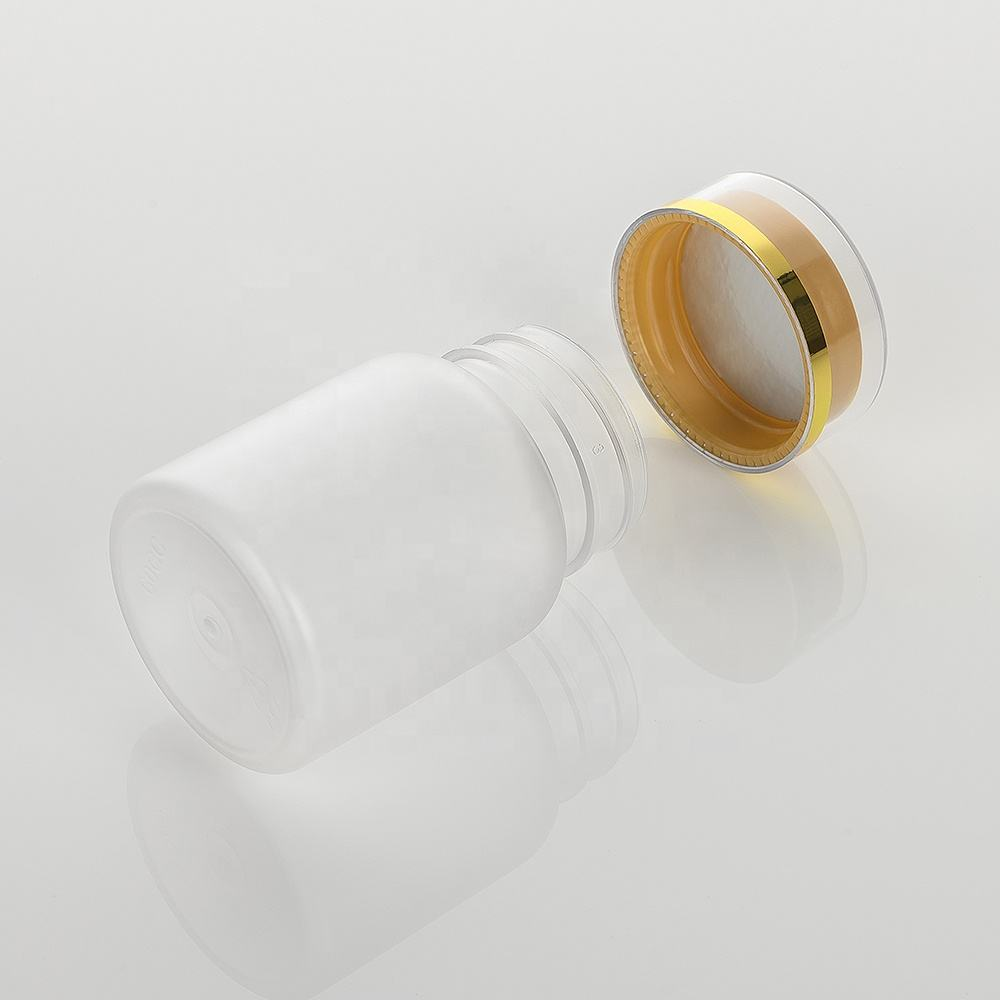
The closure system of a capsule bottle is where packaging performance becomes most visible to both the end consumer and the quality control team. A screw cap that fits precisely, engages smoothly, and reseals reliably is fundamental to premium supplement packaging. Thread geometry — including thread pitch, depth, and finish tolerance — must be engineered to create a consistent, airtight seal every time the cap is applied, whether manually or by automated filling equipment.
For high-volume supplement lines, the cap must also be compatible with high-speed capping machines without deforming or cross-threading. A poorly matched cap and neck finish can create micro-gaps that allow oxygen and moisture ingress over the product's shelf life. When selecting a capsule bottle for premium applications, brands should verify that the neck finish standard — such as 33-400 or 38-400 — is consistently maintained across production batches.
Induction liner seals add another layer of protection when used in combination with a screw cap. These foil-based liners create a tamper-evident, hermetically sealed membrane directly over the bottle opening. For a capsule bottle containing high-value formulations, the presence of an induction liner signals to both retailers and consumers that the product has not been opened or tampered with since it left the manufacturing facility.
Child-Resistant and Senior-Friendly Closures
Premium supplement brands must balance safety requirements with user convenience. Child-resistant closures are mandatory for certain supplement categories in regulated markets, and non-compliance can result in serious legal and financial consequences. However, an overly complex closure mechanism can frustrate elderly consumers who represent a significant portion of the supplement buyer demographic.
Modern capsule bottle designs increasingly incorporate dual-compliance closures that meet child-resistance standards while remaining accessible to adults with limited hand strength or dexterity. This engineering balance is a mark of premium design thinking and reflects a brand's commitment to its full consumer base. When evaluating a capsule bottle supplier, it is worth requesting documented testing data for both child resistance and senior accessibility to confirm that the closure performs across the intended user population.
Volume Options and Dosage Accuracy
Matching Bottle Size to Product Dosing Regimen
Premium supplement lines are rarely one-size-fits-all in terms of dosing. A daily multivitamin taken as a single capsule requires different packaging volume than a high-dose omega-3 regimen taken as four capsules per serving. Selecting the correct capsule bottle volume — whether 60cc, 100cc, 150cc, 200cc, or 250cc — ensures that the packaging provides a clean fill level that looks professional and communicates the correct supply quantity to the consumer.
Fill ratio matters enormously from a presentation standpoint. A bottle that is too large for its contents will rattle and feel empty, undermining perceptions of quality and value. Conversely, a bottle that is too small may create difficulties during the automated filling process and could cause capsule damage at the neck. Brands investing in premium supplement formulations should conduct fill-level testing with their packaging supplier before finalizing the bottle size to achieve a visually appropriate and operationally efficient result.
Consistency Across SKUs and Line Extensions
For supplement brands managing multiple SKUs, visual and structural consistency across bottle sizes is a powerful tool for brand recognition. When each capsule bottle in a product line shares the same shoulder design, neck finish, and base profile — scaled proportionally across volume sizes — it creates a cohesive shelf presence that communicates brand coherence and professional execution.
Structural consistency also simplifies the operational side of packaging management. When screw caps, induction liners, and labeling templates are standardized across a product family, procurement becomes more efficient and quality control processes are easier to maintain. A capsule bottle supplier that offers a complete range of compatible volumes within a single bottle family provides a strategic advantage to brands scaling their product portfolio.
Labeling Surface and Brand Communication
Smooth Cylindrical Walls and Label Adhesion
Premium supplement brands invest heavily in label design, using color, typography, and iconography to communicate efficacy, lifestyle alignment, and ingredient transparency. All of that investment depends on the label adhering perfectly and reading cleanly on the shelf. A well-designed capsule bottle provides a smooth, uniform cylindrical surface with minimal texture or imperfections that could cause label bubbling, peeling, or misalignment during application.
The surface inherent to PET also affects label adhesion. Premium capsule bottle manufacturers ensure their lines deliver surfaces that are label-ready without requiring additional preparation steps. , particularly with pressure-sensitive paper or film labels. Premium capsule bottle manufacturers account for this in the production process, delivering surfaces that are label-ready without requiring additional preparation steps. This detail is often overlooked in commodity bottle selection but becomes critical at production scale.
Direct Print and Shrink Sleeve Compatibility
Beyond traditional labels, many premium supplement brands are migrating toward shrink sleeve labels or direct printing for a more premium, full-body visual impact. A capsule bottle designed for shrink sleeve application requires a consistent outer diameter with no draft angle variations that would cause the sleeve to bunch or slip during the heat tunnel process. Verifying bottle geometry tolerances before committing to shrink sleeve artwork is an essential step that prevents costly rework.
Shrink sleeve labels also provide a built-in tamper-evidence function by covering the cap-to-bottle junction. This dual functionality — branding and security — makes them increasingly popular among premium supplement lines competing in high-traffic retail environments. A capsule bottle that accommodates multiple decorating methods gives brand owners the flexibility to evolve their visual strategy without changing the underlying packaging infrastructure.
Regulatory Compliance and Quality Certifications
Understanding Pharmaceutical and Nutraceutical Standards
The supplement industry operates under a complex patchwork of national and international packaging regulations. In the United States, for example, supplement packaging must comply with FDA regulations governing container closure integrity and child-resistant packaging requirements under the Poison Prevention Packaging Act. A premium capsule bottle must therefore be manufactured and certified in accordance with these standards, with documented evidence available for quality audits.
International markets add additional layers of complexity. CE marking requirements in Europe, TGA standards in Australia, and Health Canada guidelines each impose specific expectations on packaging materials, testing protocols, and documentation. Brands sourcing a capsule bottle for multi-market distribution need to confirm that their packaging supplier maintains the relevant certifications and can provide the necessary compliance documentation for each target market.
Good Manufacturing Practice and Traceability
In the premium segment, quality assurance extends to every element of the production chain, including packaging components. Suppliers of a premium capsule bottle should operate under Good Manufacturing Practice (GMP) standards that govern raw material sourcing, production cleanliness, dimensional inspection, and batch traceability. GMP-compliant production ensures that every batch of bottles meets the same material and dimensional specifications, reducing the risk of variability-related quality failures during filling operations.
Traceability systems allow manufacturers to identify and quarantine non-conforming batches quickly if a quality issue arises post-delivery. For premium supplement brands, the ability to trace a packaging defect back to a specific production lot is a critical risk management capability. When evaluating a capsule bottle supplier, requesting evidence of their GMP certification and batch traceability procedures is a reasonable and necessary step in the qualification process.
FAQ
What volume of capsule bottle is most suitable for a 90-day supplement supply?
The appropriate volume depends on the capsule size and daily serving count. For a standard supplement taken as two capsules per day over 90 days, you would need to hold 180 capsules. Size 0 capsules at this count typically require a 200cc or 250cc capsule bottle to achieve a professionally filled appearance without excessive headspace. Always conduct physical fill tests with your actual capsule size before finalizing bottle volume selection.
Is PET safe for direct contact with all types of supplement capsules?
Yes. PET is widely recognized as a highly stable, inert material for contact with pharmaceutical and nutraceutical products, including hard gelatin, HPMC, and softgel capsules. It does not leach harmful chemicals under normal storage conditions and is approved for food and pharmaceutical contact use by major regulatory agencies. For highly reactive or moisture-sensitive formulations, additional protection through desiccant inserts or induction-sealed closures within the capsule bottle is advisable.
How do I ensure the cap and bottle provide a hermetic seal for moisture-sensitive supplements?
Hermetic sealing depends on three factors working together: the precision of the neck finish on the capsule bottle, the quality of the cap liner, and the application torque during capping. Induction-sealed foil liners provide the most reliable moisture barrier and are strongly recommended for products with sensitive active ingredients. Regular torque testing and seal integrity checks during production should be standard protocol for any premium supplement line.
Can the same capsule bottle design support both retail and e-commerce distribution?
Yes, but the bottle must be specified with both environments in mind. Retail distribution prioritizes label aesthetics, shelf presence, and consumer-facing features such as tamper evidence. E-commerce distribution adds additional stress from vibration, drop impact, and temperature variation during transit. A capsule bottle with sufficient wall thickness, a well-fitted screw cap, and an induction liner provides adequate protection for both channels. Including a desiccant canister and cotton filler for e-commerce orders can further reduce the risk of in-transit damage to the product inside.
Table of Contents
- Material Quality and Its Role in Supplement Preservation
- Cap and Closure Design: The Final Line of Defense
- Volume Options and Dosage Accuracy
- Labeling Surface and Brand Communication
- Regulatory Compliance and Quality Certifications
-
FAQ
- What volume of capsule bottle is most suitable for a 90-day supplement supply?
- Is PET safe for direct contact with all types of supplement capsules?
- How do I ensure the cap and bottle provide a hermetic seal for moisture-sensitive supplements?
- Can the same capsule bottle design support both retail and e-commerce distribution?