Premium Plastic Medicine Bottles - Safe, Durable Pharmaceutical Packaging Solutions

All Categories

Get a Free Quote

Our representative will contact you soon.
Email
Mobile/WhatsApp
Name
Company Name
Message
0/1000

plastic medicine bottles

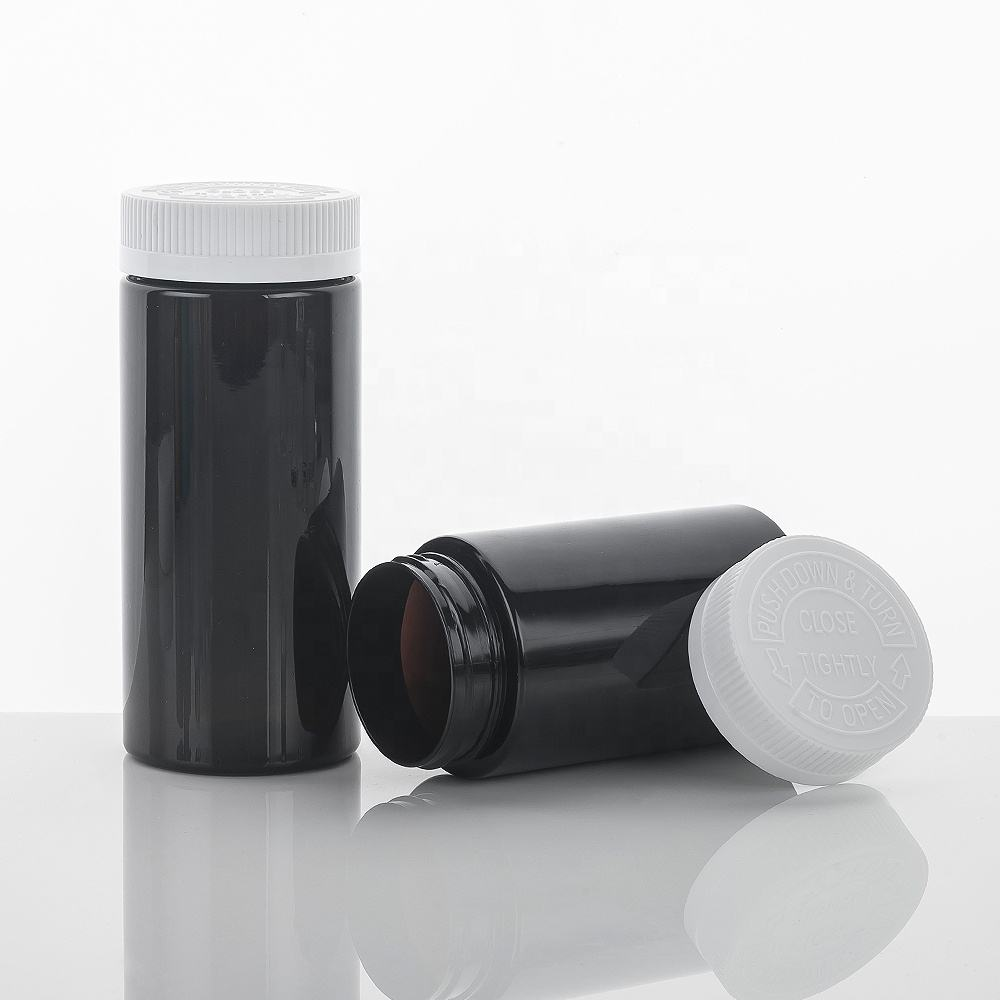
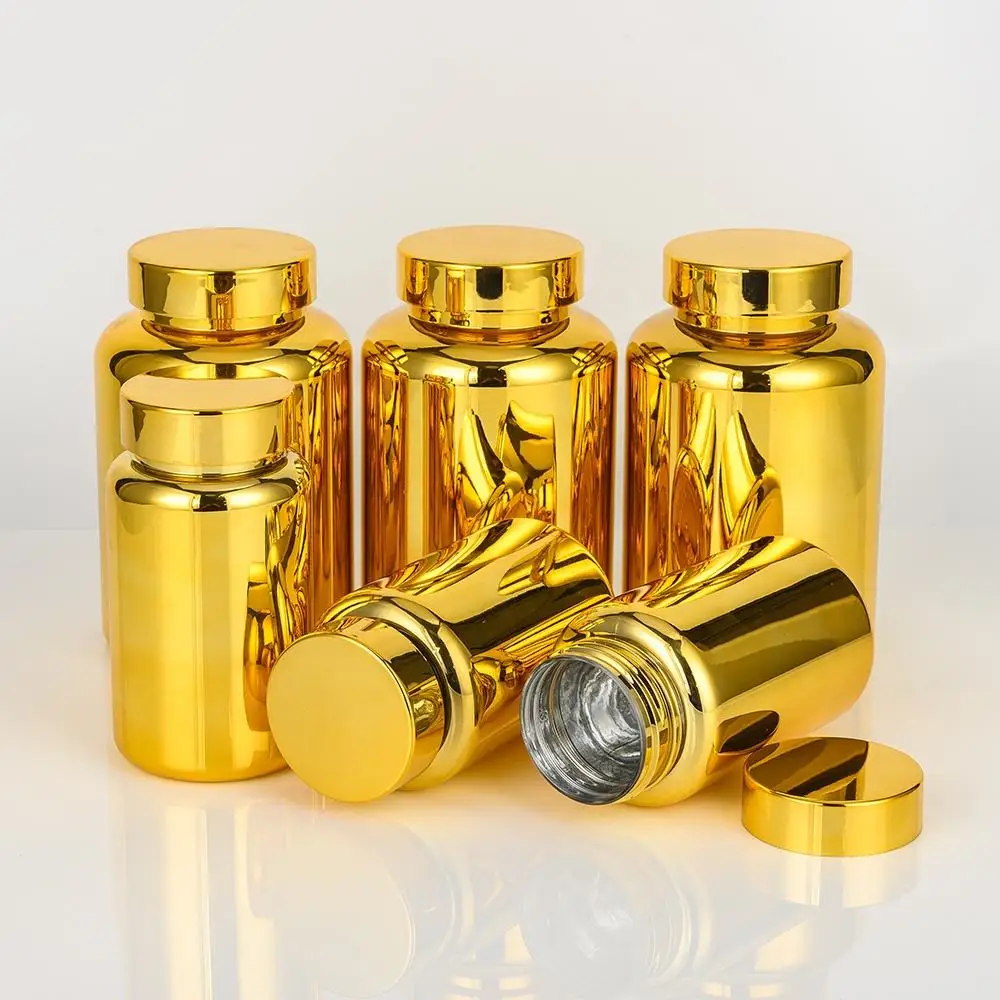
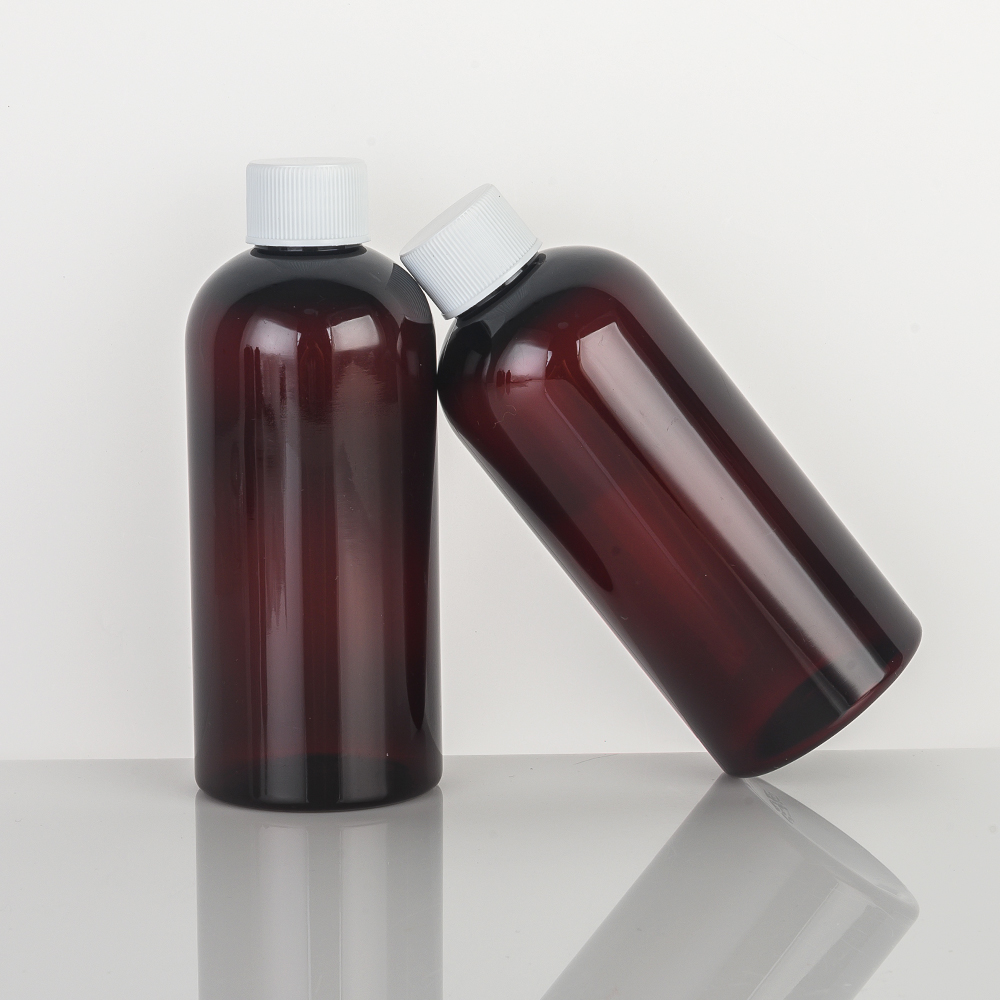
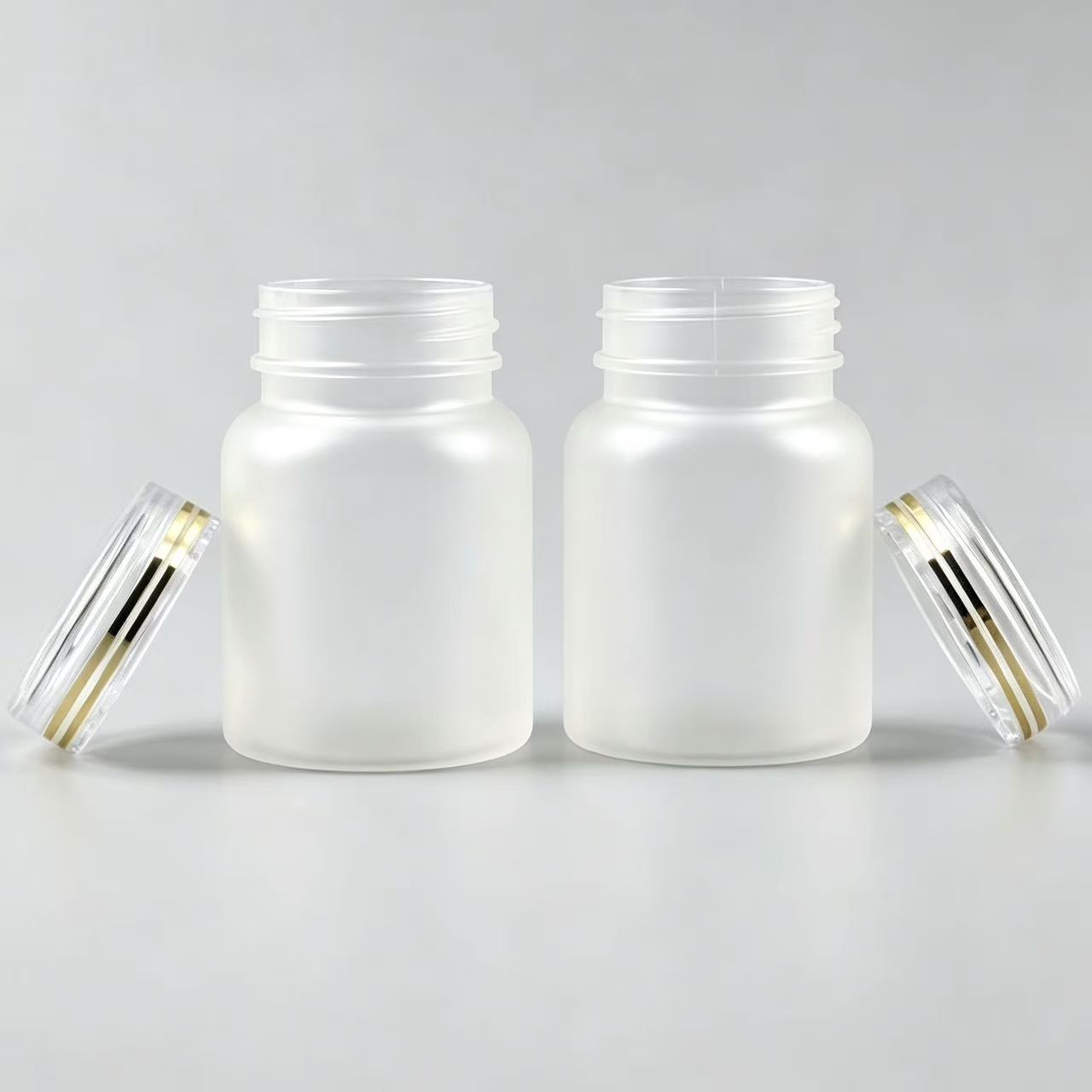
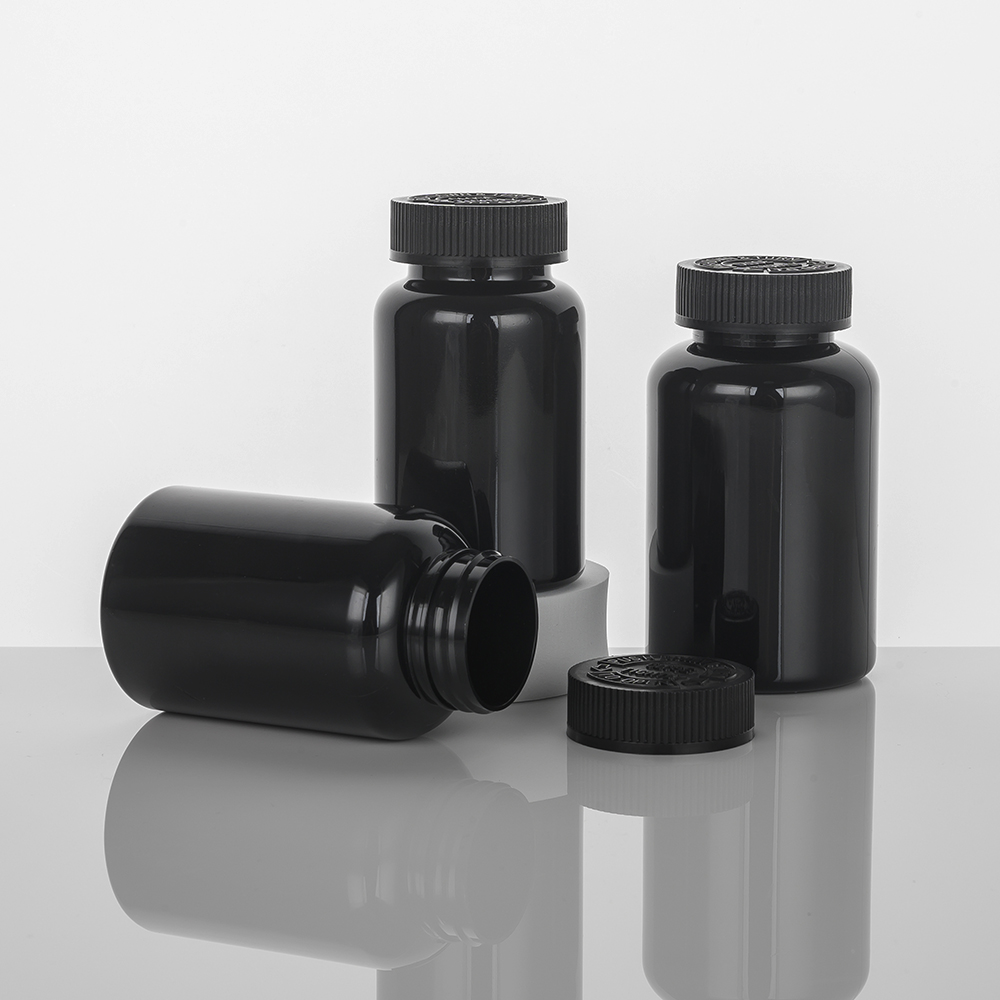
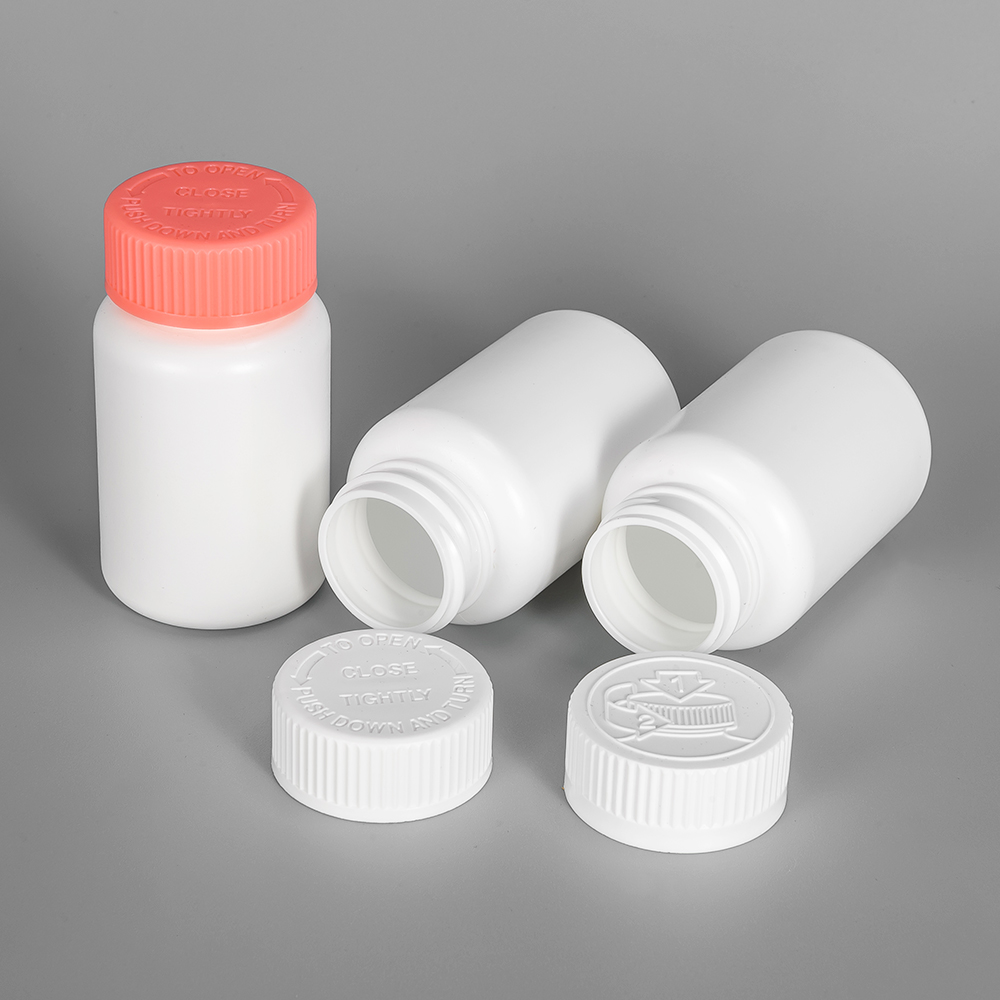
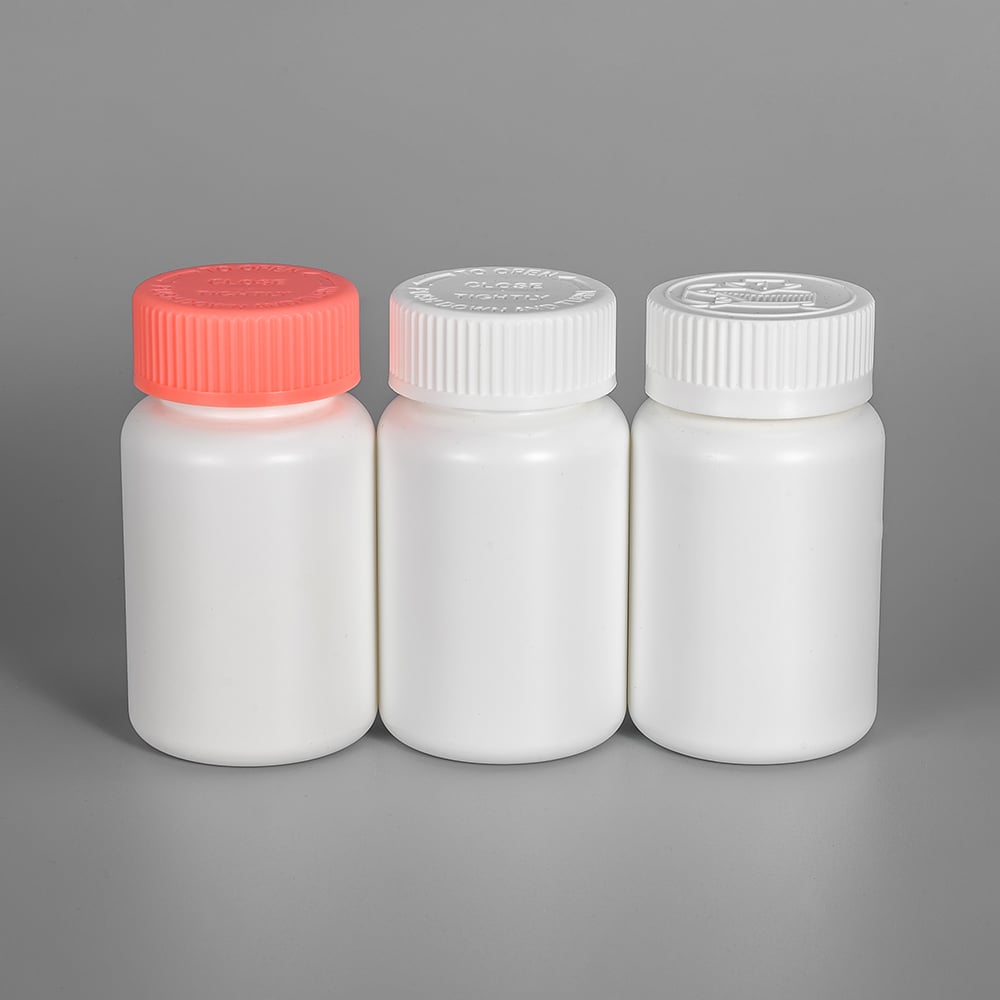
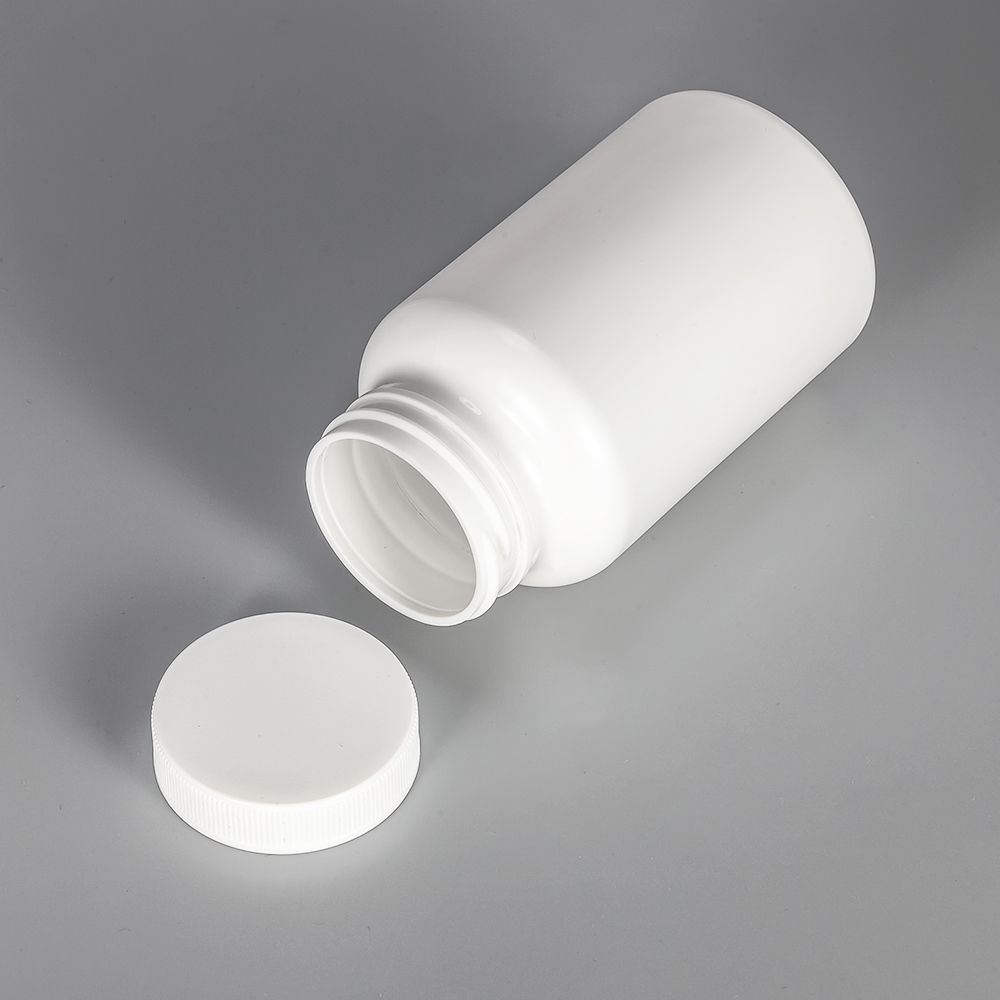
Plastic medicine bottles represent essential packaging solutions in the pharmaceutical and healthcare industries, designed to safely store and dispense various medications including tablets, capsules, liquid formulations, and powdered substances. These containers serve as the primary protective barrier between sensitive pharmaceutical products and external environmental factors that could compromise their integrity. The main functions of plastic medicine bottles encompass secure medication storage, contamination prevention, moisture protection, light resistance, and controlled dispensing mechanisms that ensure patient safety and product efficacy throughout the shelf life. Technological features incorporated into modern plastic medicine bottles include child-resistant closures that meet international safety standards, tamper-evident seals that provide visual confirmation of product integrity, and precision-molded threads that create airtight seals preventing moisture ingress. Advanced manufacturing processes utilize high-grade polymers such as high-density polyethylene, polypropylene, and polyethylene terephthalate, each selected for specific compatibility with different medication types. The applications of plastic medicine bottles span across prescription medications in retail pharmacies, over-the-counter drugs in consumer markets, hospital dispensaries requiring bulk packaging, veterinary medicine distribution, nutritional supplements, vitamins, and specialized pharmaceutical compounds requiring specific storage conditions. These versatile containers accommodate various sizes ranging from small bottles holding thirty tablets to large containers storing five hundred capsules or more, meeting diverse packaging requirements across the healthcare spectrum. The pharmaceutical industry relies heavily on plastic medicine bottles due to their lightweight nature, which reduces shipping costs and carbon footprint compared to traditional glass alternatives. Manufacturing capabilities allow for customization including embossed logos, graduated measurement markings for liquid medications, color-coding systems for easy identification, and integration with smart packaging technologies such as RFID tags or QR codes that enhance traceability and patient engagement. Regulatory compliance remains paramount, with plastic medicine bottles manufactured according to stringent FDA regulations, USP standards, and international pharmaceutical packaging guidelines ensuring product safety and quality assurance throughout global supply chains.

New Product Recommendations

Plastic medicine bottles deliver substantial cost savings compared to glass containers, reducing both material expenses and transportation costs due to their significantly lighter weight, which translates directly into lower shipping fees and decreased fuel consumption throughout distribution networks. The durability of plastic medicine bottles surpasses glass alternatives, as they resist breakage and shattering even when dropped or subjected to impact during handling, eliminating product loss from container damage and enhancing workplace safety for pharmacists, healthcare workers, and patients who no longer face risks associated with broken glass. Manufacturing efficiency stands as another compelling advantage, with modern injection molding and blow molding technologies enabling rapid production of thousands of plastic medicine bottles per hour, ensuring consistent quality and meeting high-volume demands without compromising structural integrity or dimensional accuracy. The versatility in design options allows pharmaceutical companies to differentiate their products through custom shapes, colors, and sizes that enhance brand recognition while maintaining functionality, with transparent, amber, or opaque plastic options providing appropriate light protection based on specific medication photosensitivity requirements. Child safety features integrate seamlessly into plastic medicine bottles through sophisticated closure mechanisms that prevent accidental access by children while remaining accessible to adults, including seniors with limited dexterity, thereby reducing poisoning incidents and providing peace of mind for families with young children. Moisture barrier properties engineered into plastic medicine bottles protect hygroscopic medications that degrade when exposed to humidity, with specialized resins and desiccant integration maintaining optimal internal conditions that preserve potency and extend shelf life beyond what standard packaging achieves. Environmental considerations have driven innovations in recyclable and biodegradable plastic medicine bottles, with manufacturers developing sustainable materials that reduce ecological impact while maintaining the protective qualities essential for pharmaceutical applications, addressing growing consumer demand for environmentally responsible packaging solutions. The chemical resistance of pharmaceutical-grade plastics ensures compatibility with a broad spectrum of medications including acidic, alkaline, and solvent-based formulations without leaching harmful substances or causing container degradation that could compromise product purity. Temperature stability allows plastic medicine bottles to withstand typical storage conditions encountered in pharmacies, homes, and during transportation without warping, cracking, or dimensional changes that might affect closure integrity or dispensing accuracy. Labeling capabilities on plastic medicine bottles accommodate various printing technologies including direct printing, pressure-sensitive labels, and shrink sleeves that remain legible throughout the product lifecycle, ensuring critical information regarding dosage instructions, warnings, and expiration dates remains clearly visible to users, thereby promoting medication adherence and patient safety.

Practical Tips

Our advantage

10

Mar

Our advantage

View More
TAIZHOU ZONG LV SHU PACKING CO., LTD

17

Mar

TAIZHOU ZONG LV SHU PACKING CO., LTD

View More

Get a Free Quote

Our representative will contact you soon.
Email
Mobile/WhatsApp
Name
Company Name
Message
0/1000

plastic medicine bottles

Superior Safety Features and Child-Resistant Technology

Superior Safety Features and Child-Resistant Technology

Plastic medicine bottles incorporate advanced safety mechanisms that represent decades of engineering development focused on preventing accidental ingestion by children while maintaining accessibility for intended users. The child-resistant closures utilized in these containers meet rigorous testing standards established by regulatory authorities worldwide, requiring specific combinations of pushing, squeezing, and rotating motions that exceed the cognitive and physical capabilities of young children under five years of age. These sophisticated closure systems integrate multiple barrier mechanisms including push-and-turn caps, squeeze-and-turn designs, and alignment-dependent locking systems that create effective deterrents against unauthorized access. The design philosophy balances safety with usability, recognizing that overly complicated closures might discourage proper medication storage or lead to non-compliance among elderly patients with arthritis or reduced hand strength. Manufacturers conduct extensive consumer testing across diverse age groups and physical abilities to optimize the closure design, ensuring that adults, particularly senior citizens who constitute a significant portion of prescription medication users, can access their medications without frustration while maintaining robust protection against children. Tamper-evident features complement child-resistant closures by providing visual confirmation that the plastic medicine bottles remain unopened since leaving the manufacturing facility or pharmacy, typically implemented through breakaway bands, shrink seals, or foil induction seals that must be visibly damaged to access the contents. This dual-layer protection system addresses both unintentional access by curious children and deliberate tampering by malicious actors, building consumer confidence in product integrity. The materials selected for these safety closures undergo rigorous compatibility testing with various medications to ensure no chemical interaction occurs that might compromise either the closure functionality or the pharmaceutical product quality. Engineering precision in the thread design and mating surfaces between bottle and cap creates consistent torque requirements that remain stable throughout repeated opening and closing cycles, maintaining child-resistance effectiveness even after months of daily use. Quality control protocols verify that every plastic medicine bottle leaving production facilities meets exact specifications for closure performance, with automated testing systems checking alignment tolerances, sealing force, and child-resistance compliance to eliminate defective units before reaching end users. The continuous improvement in safety technology reflects ongoing research into human factors, material science, and regulatory requirements, positioning plastic medicine bottles as the gold standard for pharmaceutical packaging safety in protecting vulnerable populations while serving the practical needs of patients requiring daily access to life-sustaining medications.
Optimal Medication Preservation and Extended Shelf Life

Optimal Medication Preservation and Extended Shelf Life

Plastic medicine bottles employ sophisticated barrier technologies that protect pharmaceutical contents from environmental factors responsible for medication degradation, ensuring therapeutic efficacy remains intact from manufacturing through the final dose consumption. Moisture represents one of the most significant threats to medication stability, as many pharmaceutical compounds are hygroscopic and rapidly degrade when exposed to humidity, losing potency or forming harmful degradation products that compromise patient safety. High-density polyethylene and other specialized polymers used in plastic medicine bottles create effective moisture barriers that dramatically reduce water vapor transmission compared to standard plastics, maintaining internal humidity levels below critical thresholds even in humid climates or bathroom storage conditions where many patients keep medications. The integration of desiccant materials within closure systems or as separate packets inside plastic medicine bottles provides additional moisture protection, actively absorbing any water molecules that penetrate the container walls and creating a protective microenvironment optimal for long-term medication storage. Light sensitivity affects numerous pharmaceutical compounds including certain antibiotics, vitamins, and biologics that undergo photodegradation when exposed to ultraviolet or visible light wavelengths, necessitating protective packaging that blocks harmful radiation. Amber-colored plastic medicine bottles filter out damaging UV and blue light spectrums while allowing sufficient translucency for content visibility and tablet counting, achieving the optimal balance between protection and functionality that pharmacists and patients require. Opaque formulations provide complete light blocking for extremely photosensitive medications, utilizing pigments and additives that create impenetrable barriers without compromising the structural integrity or chemical compatibility of the container. Oxygen permeability considerations influence material selection for plastic medicine bottles containing oxidation-sensitive compounds, with manufacturers employing multi-layer constructions or oxygen-scavenging technologies that minimize atmospheric oxygen contact and prevent oxidative degradation pathways that reduce medication potency. The hermetic sealing achieved through precision-engineered threads and complementary closure designs eliminates gas exchange between internal and external environments, creating stable atmospheric conditions inside plastic medicine bottles that preserve medication quality regardless of external temperature fluctuations or pressure changes during air transportation. Chemical inertness of pharmaceutical-grade polymers ensures no interaction occurs between container materials and medication formulations, preventing leaching of plasticizers, stabilizers, or other additives that might contaminate products or trigger adverse patient reactions. Extensive compatibility testing protocols evaluate plastic medicine bottles with representative pharmaceutical formulations under accelerated aging conditions simulating years of real-world storage, confirming that container materials maintain medication stability throughout labeled expiration periods without contributing to degradation processes or altering therapeutic properties through absorption or adsorption phenomena.
Economic Efficiency and Sustainable Manufacturing Practices

Economic Efficiency and Sustainable Manufacturing Practices

Plastic medicine bottles deliver exceptional value through cost-effective manufacturing processes, sustainable material utilization, and operational advantages that benefit pharmaceutical companies, healthcare providers, and ultimately patients who experience reduced medication costs. The production economics of plastic medicine bottles significantly undercut glass alternatives, with raw material costs representing only a fraction of equivalent glass containers while offering superior performance characteristics that justify their widespread adoption across the pharmaceutical industry. Injection molding and blow molding technologies enable high-speed manufacturing with cycle times measured in seconds, allowing single production lines to generate tens of thousands of plastic medicine bottles daily with minimal labor requirements and consistent quality standards that reduce rejection rates and material waste. Energy consumption during plastic bottle manufacturing remains substantially lower than glass production, which requires extreme temperatures for melting and forming operations, translating into reduced carbon emissions and operational costs that contribute to overall sustainability objectives while maintaining competitive pricing structures. The lightweight nature of plastic medicine bottles creates cascading economic benefits throughout supply chains, reducing transportation costs through increased loading density in shipping containers and trucks while decreasing fuel consumption and associated greenhouse gas emissions during distribution from manufacturing facilities through wholesalers, pharmacies, and ultimately to patient homes. Handling efficiency improves dramatically with plastic medicine bottles as warehouse workers, pharmacists, and patients manage containers without breakage concerns, eliminating product losses from dropped bottles and reducing workplace injury risks associated with broken glass, thereby lowering insurance costs and liability exposures for businesses throughout the pharmaceutical distribution network. Recyclability initiatives have transformed plastic medicine bottles from disposable commodities into circular economy participants, with collection programs and recycling technologies enabling post-consumer bottles to re-enter manufacturing streams as recycled content in new pharmaceutical packaging or other plastic products, reducing virgin material consumption and landfill burdens. Biodegradable polymer research continues advancing with plant-based plastics and compostable formulations entering pharmaceutical packaging applications, offering plastic medicine bottles that maintain protective qualities during use but decompose naturally at end-of-life, addressing environmental concerns while preserving the functional advantages that make plastic containers indispensable for medication packaging. Standardization in plastic medicine bottle dimensions and closure systems enables efficient inventory management for pharmacies and healthcare facilities, with common sizes accommodating multiple products and reducing stock-keeping complexity while facilitating automated dispensing systems that improve operational efficiency in high-volume pharmacy environments. Customization capabilities allow pharmaceutical brands to differentiate products through distinctive bottle shapes, colors, and labeling without incurring prohibitive tooling costs, as plastic molding modifications require significantly less investment than glass manufacturing changes, enabling even smaller pharmaceutical companies to create memorable packaging that enhances brand recognition and patient compliance through visual differentiation from competing products on pharmacy shelves.

Get a Free Quote

Our representative will contact you soon.
Email
Mobile/WhatsApp
Name
Company Name
Message
0/1000