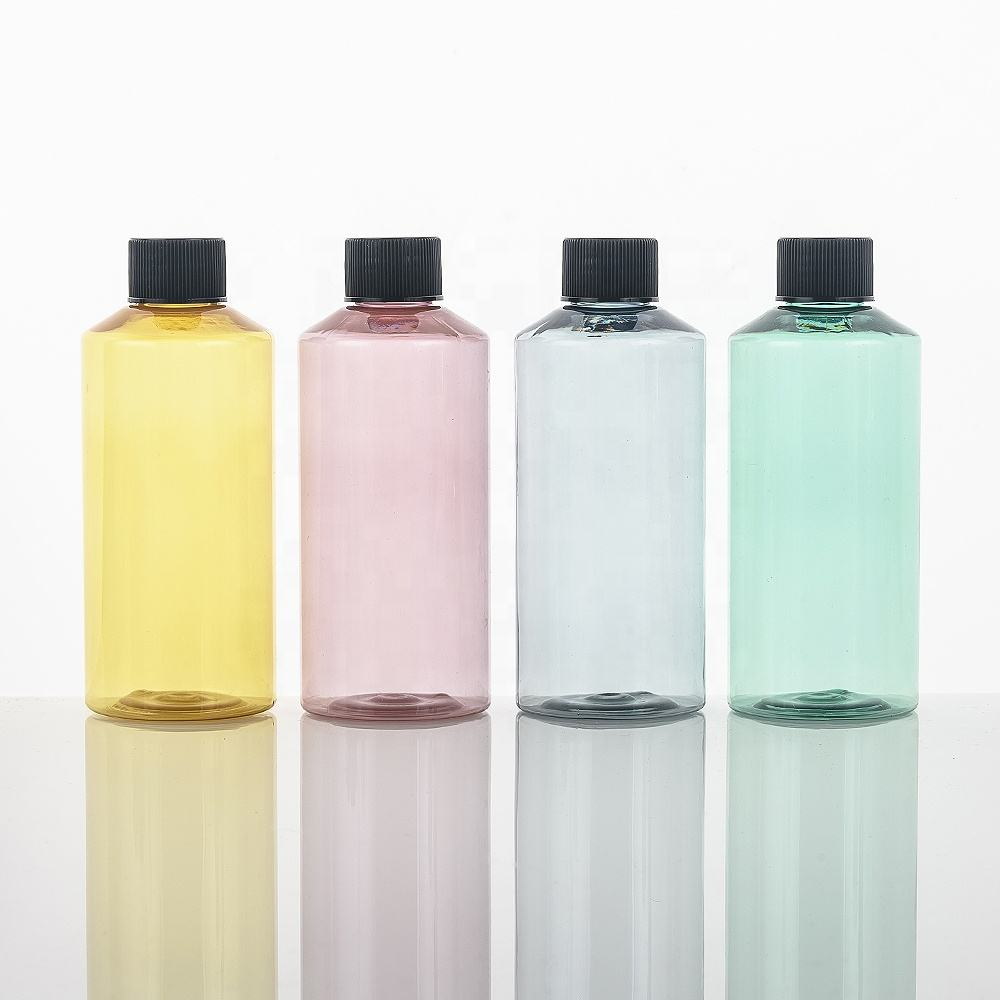
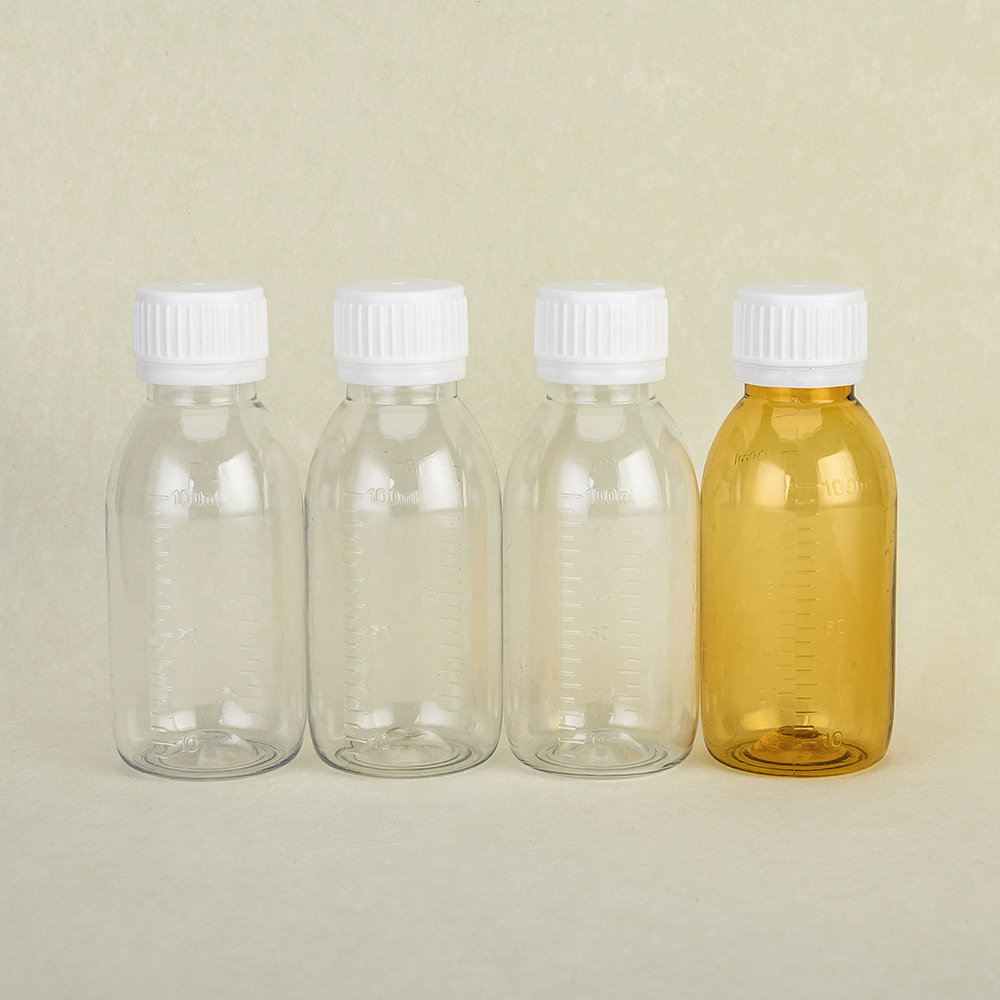
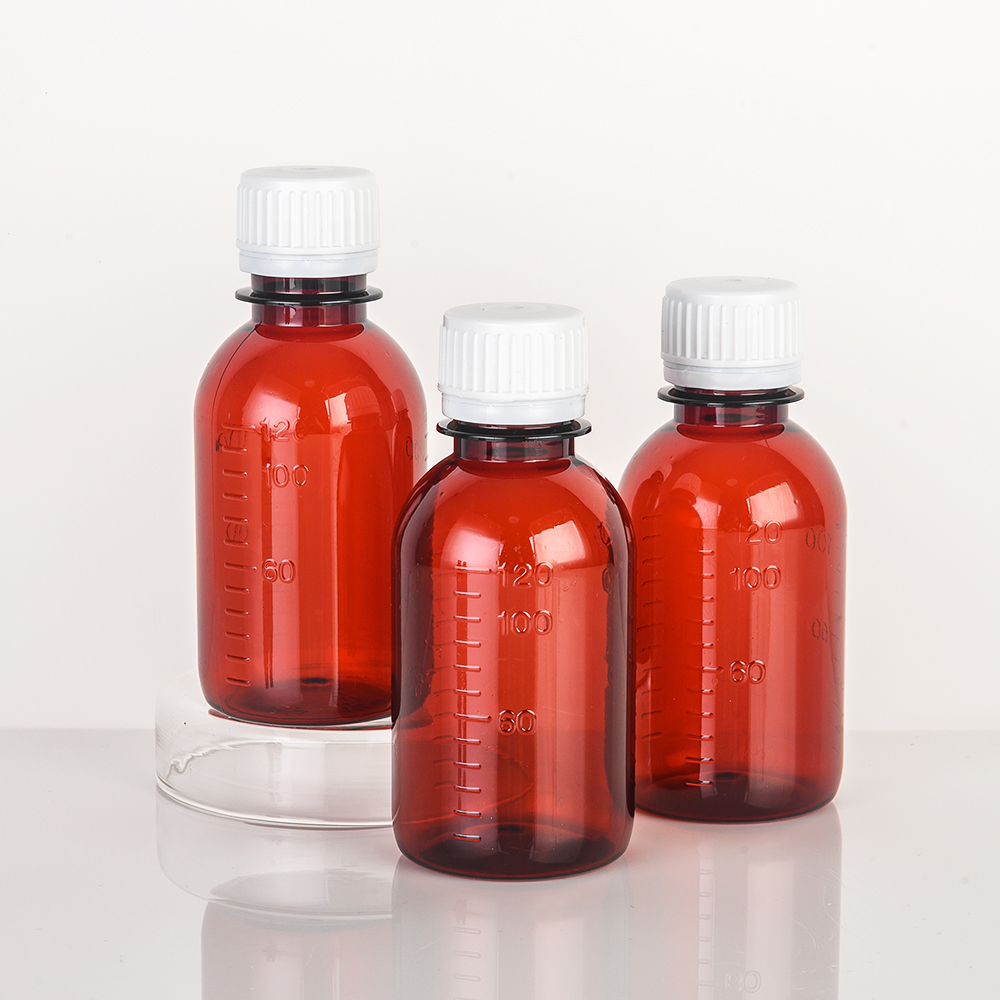
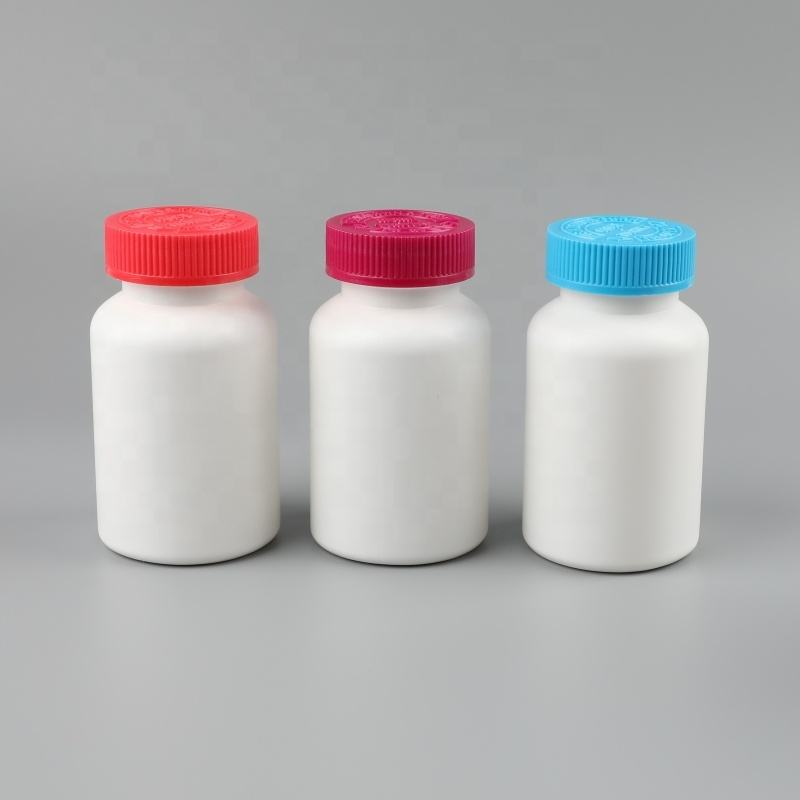
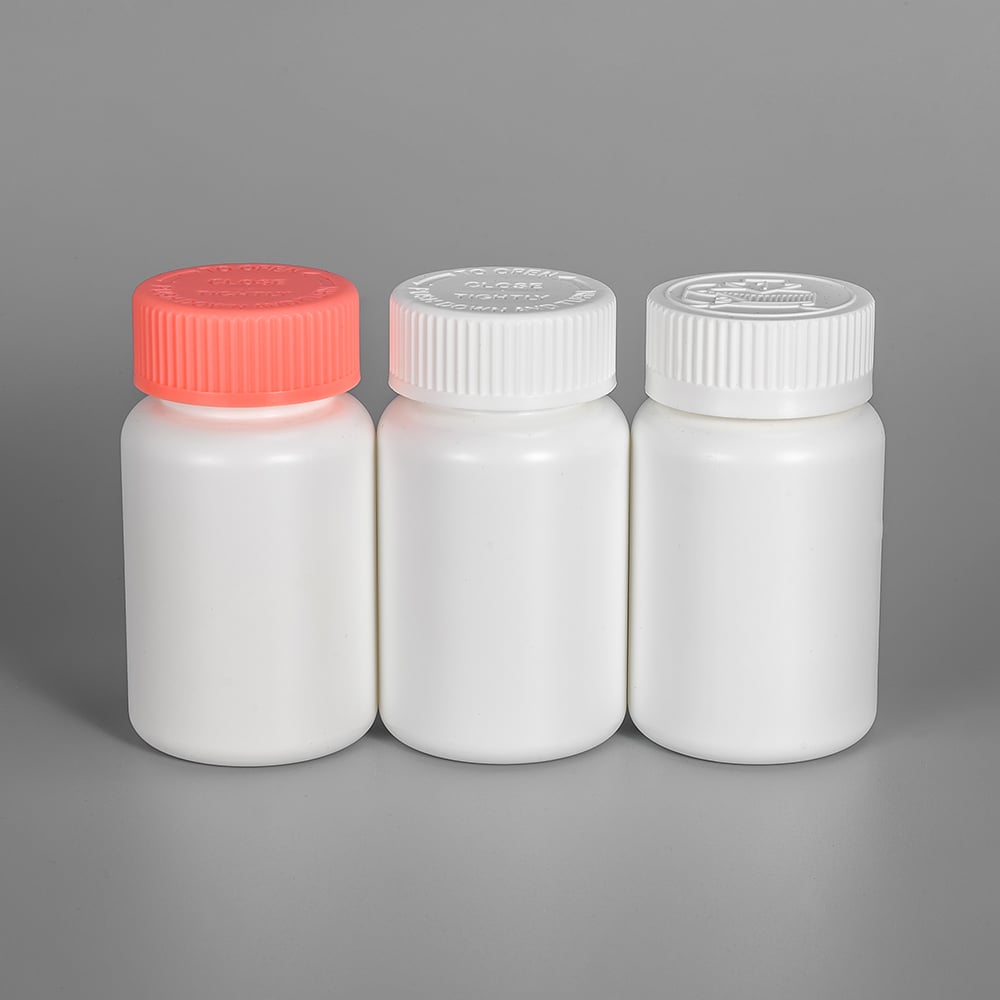
medicine bottles recyclable
Medicine bottles recyclable represent an environmentally conscious solution for pharmaceutical packaging disposal and waste management. These specialized containers are designed to facilitate the safe collection, storage, and recycling of used medication bottles, addressing the growing concern of pharmaceutical waste in landfills and water systems. Medicine bottles recyclable options come in various sizes and materials, primarily plastic and glass, engineered to meet regulatory standards for hazardous waste handling.
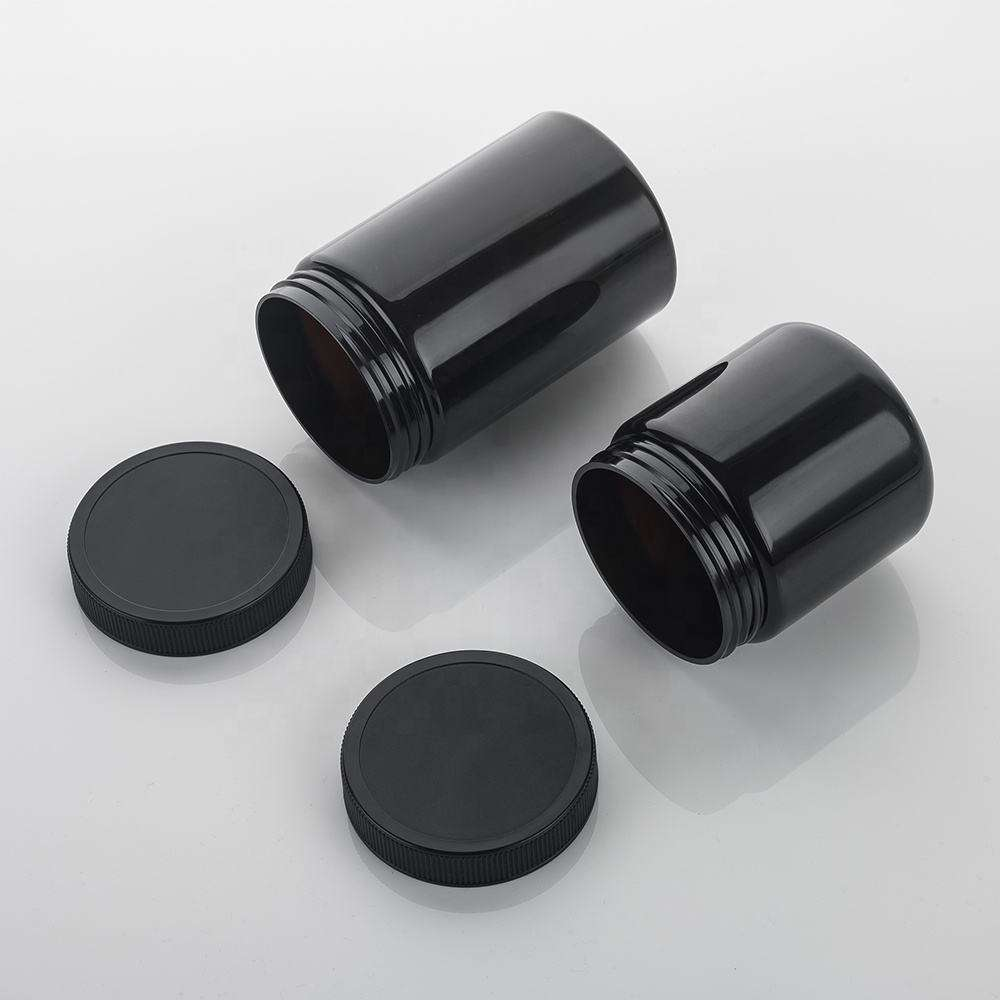
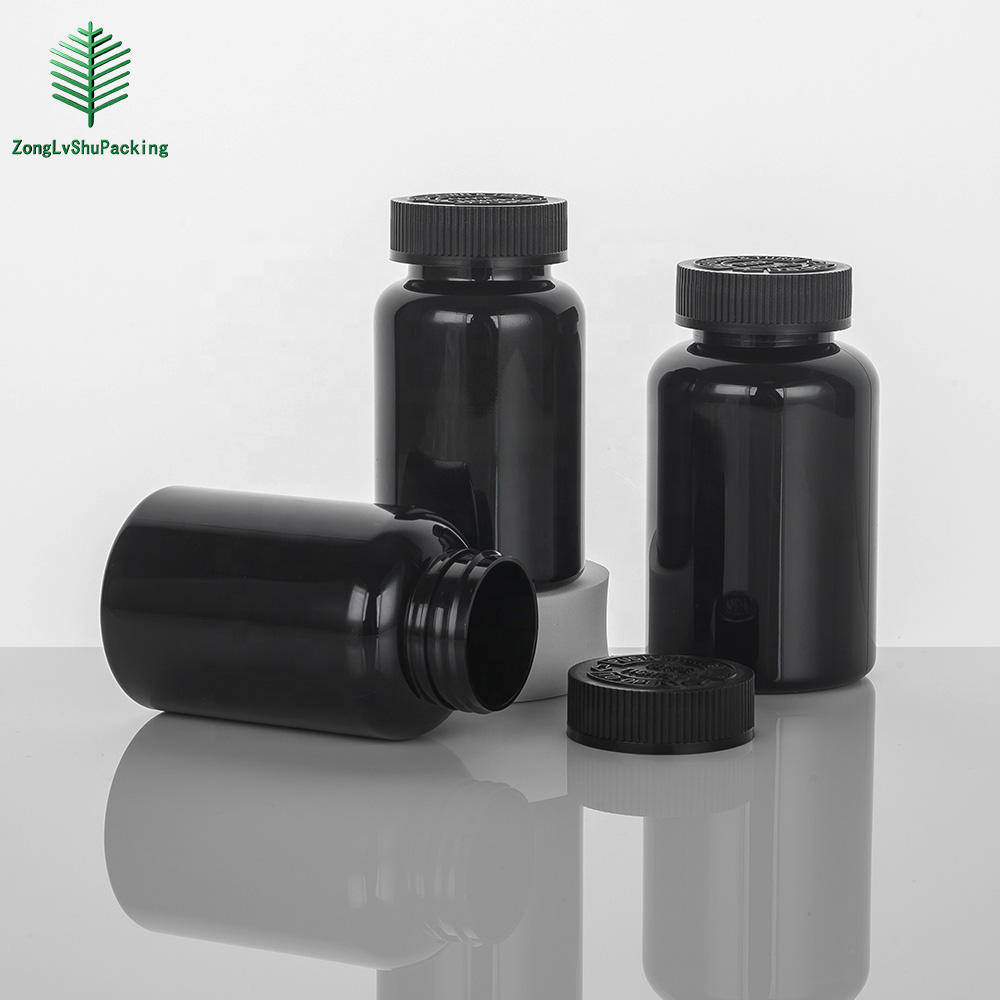
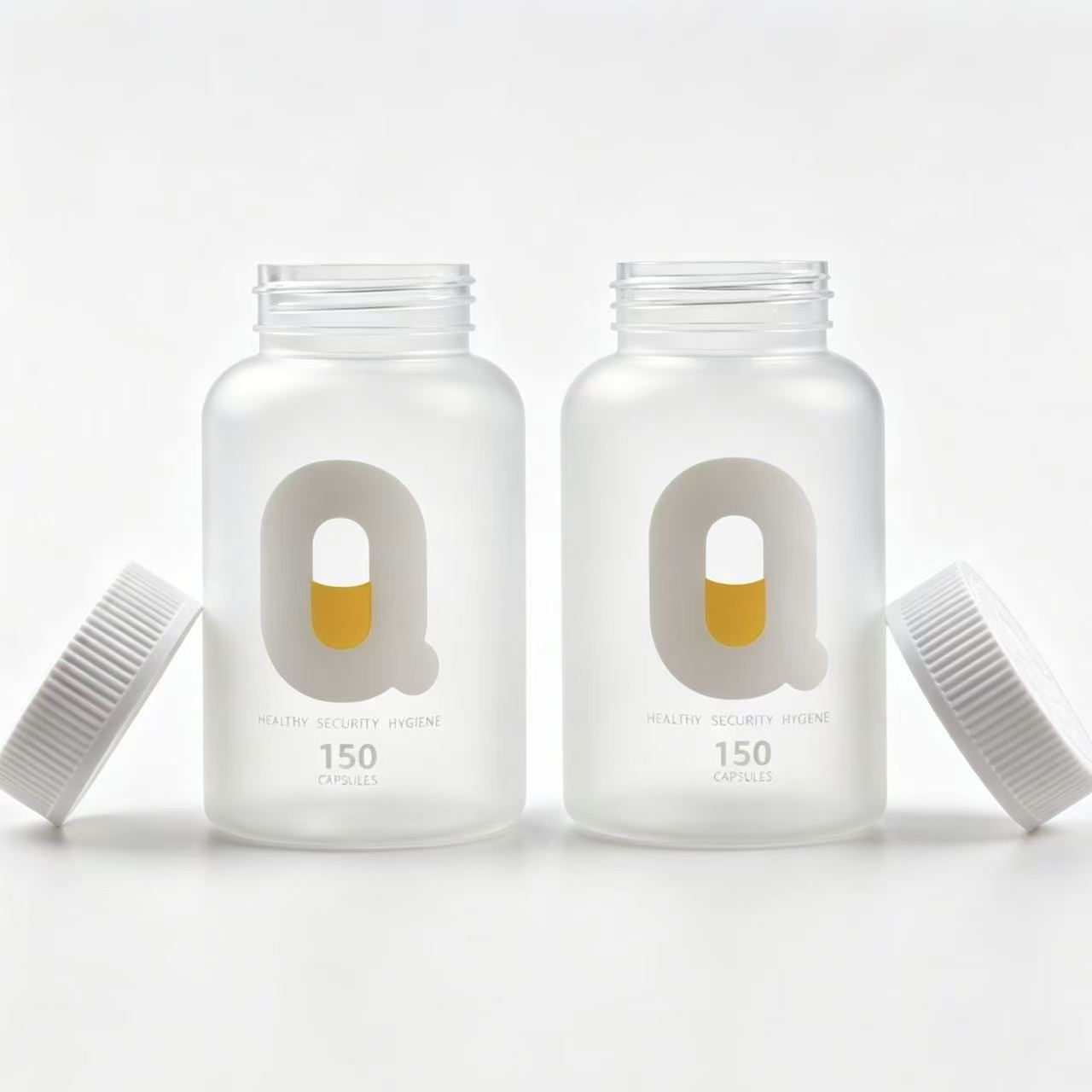
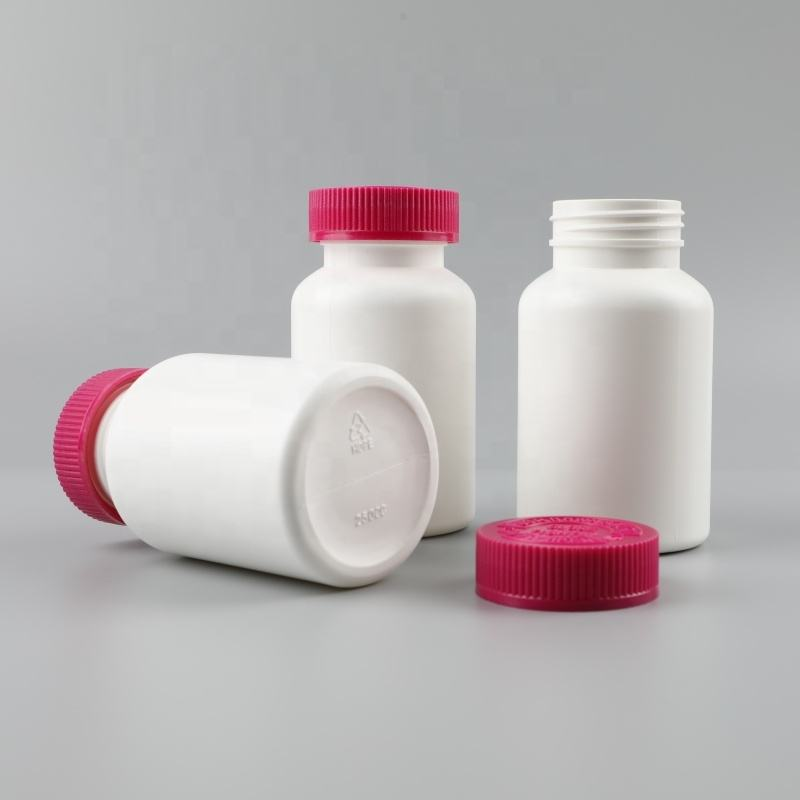
The primary function of medicine bottles recyclable is to provide a dedicated repository for expired, unused, or contaminated medications while maintaining safety protocols. These bottles feature secure sealing mechanisms and durable construction to prevent leakage and contamination during storage and transport. Technological features include child-resistant caps, opaque designs that protect light-sensitive medications, and labeling systems for easy identification and sorting.
Medicine bottles recyclable solutions support multiple applications across healthcare facilities, pharmacies, hospitals, and residential settings. They enable organized medication disposal programs and streamline the recycling process by separating pharmaceutical containers from general waste streams. The implementation of medicine bottles recyclable systems helps reduce environmental impact by preventing harmful chemicals from entering ecosystems. Healthcare providers and consumers increasingly recognize the importance of using medicine bottles recyclable products as part of comprehensive waste management strategies. These containers represent a practical approach to sustainable pharmaceutical practices while ensuring compliance with environmental regulations and protecting public health through proper medication disposal.

 EN
EN