Premium Plastic Pill Bottles - Secure Pharmaceutical Packaging Solutions

All Categories

Get a Free Quote

Our representative will contact you soon.
Email
Mobile/WhatsApp
Name
Company Name
Message
0/1000

plastic pill bottles

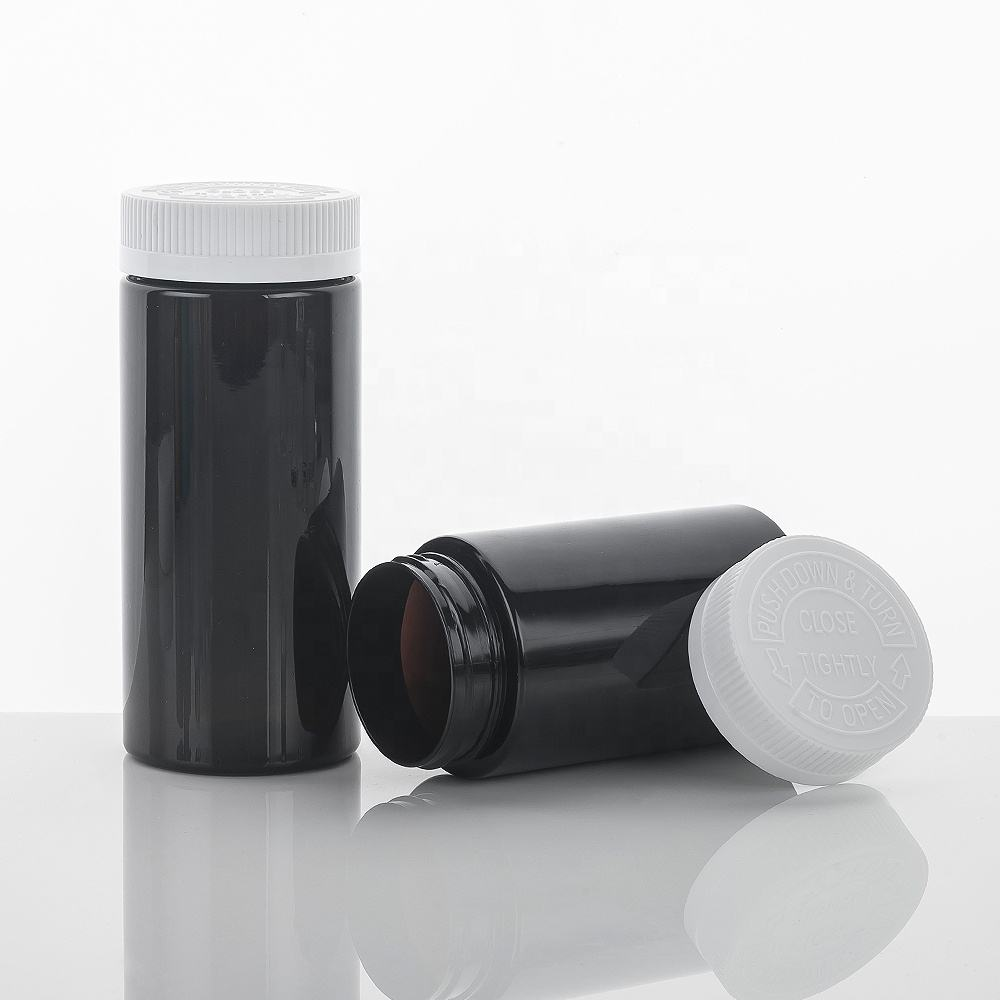
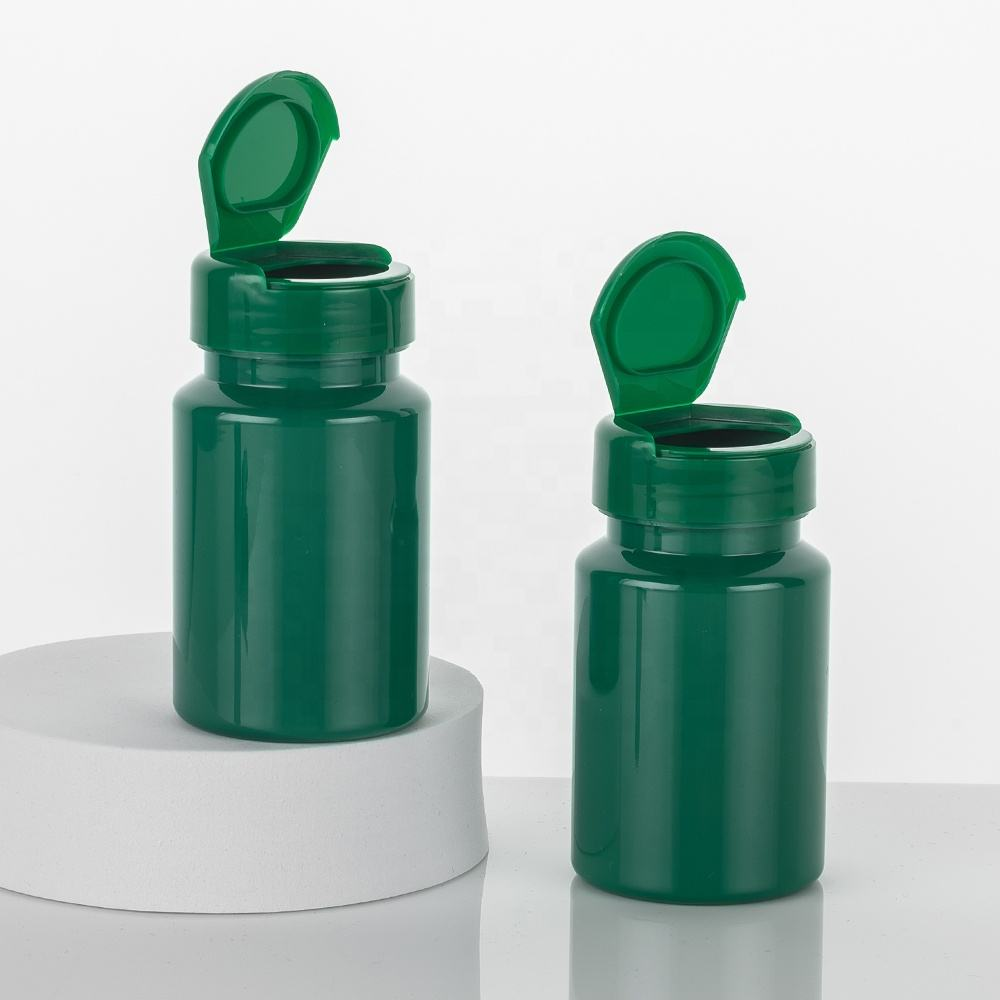
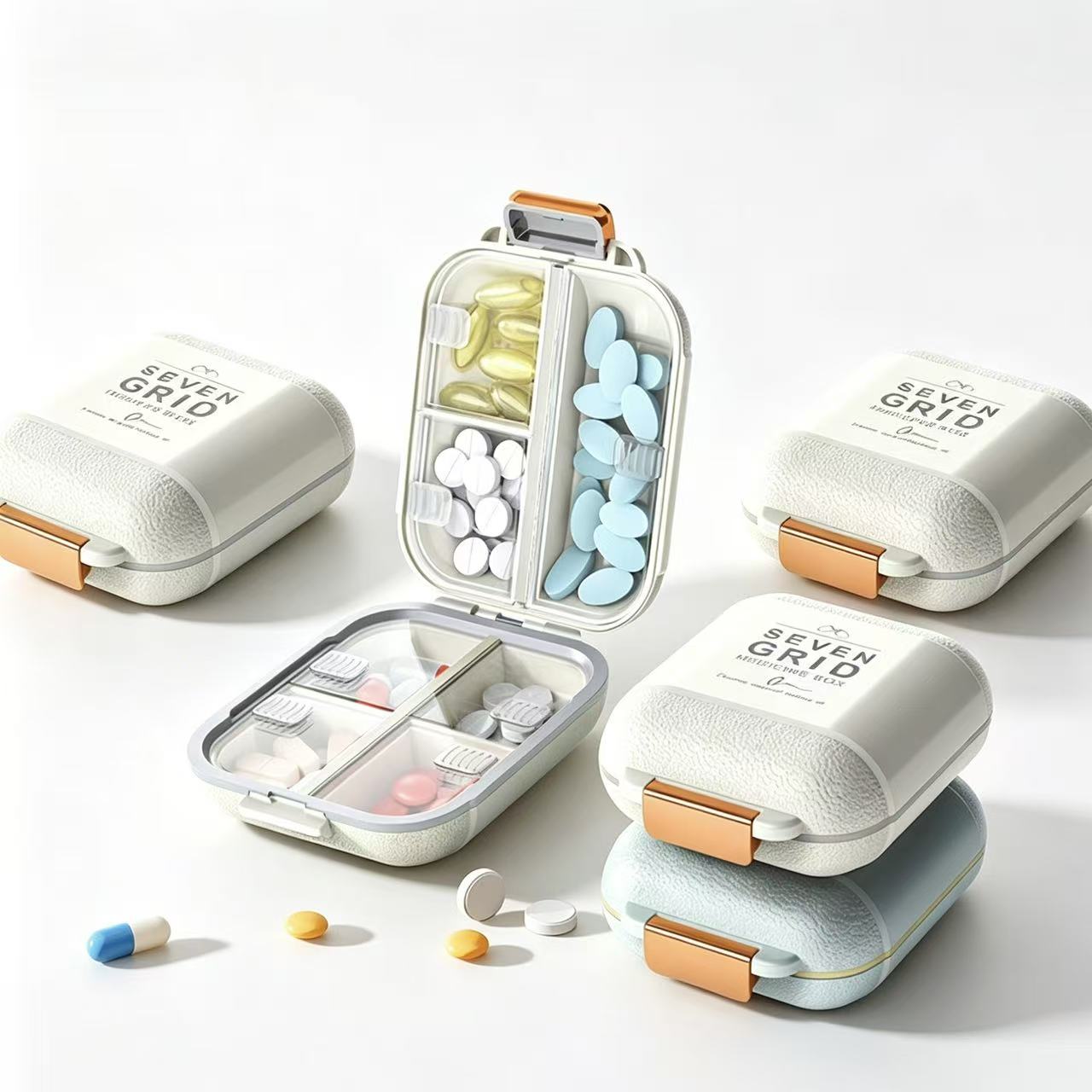
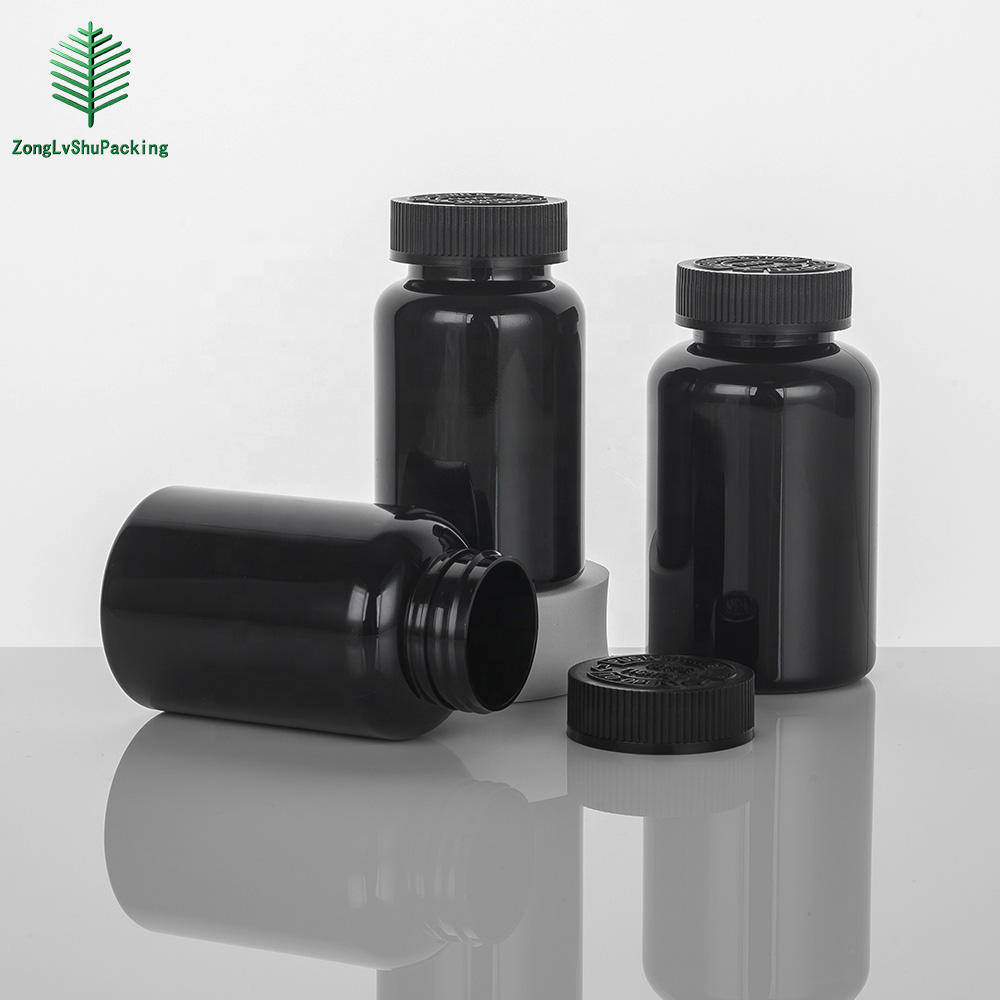
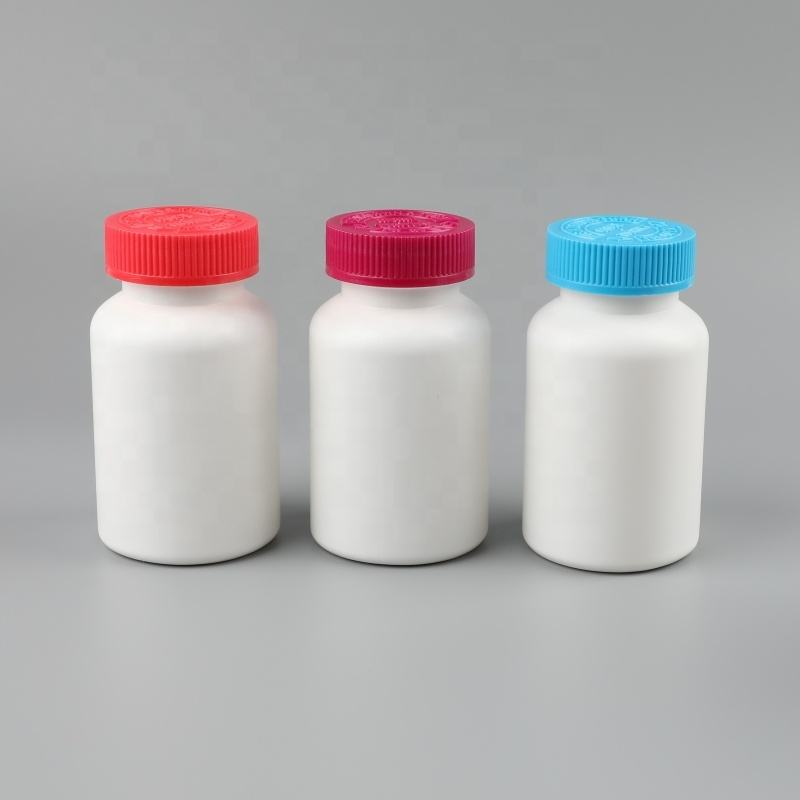
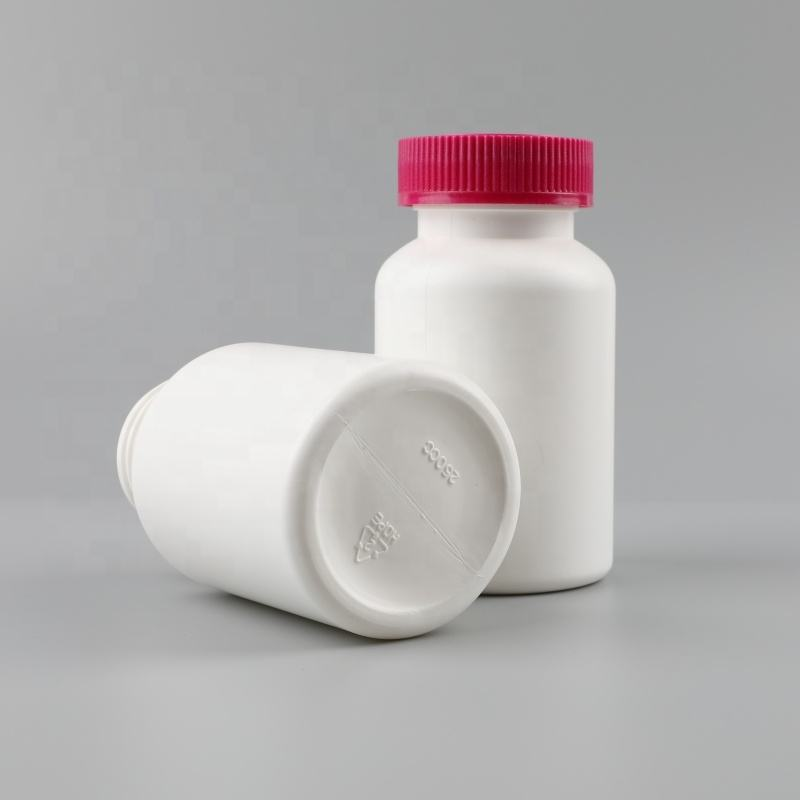
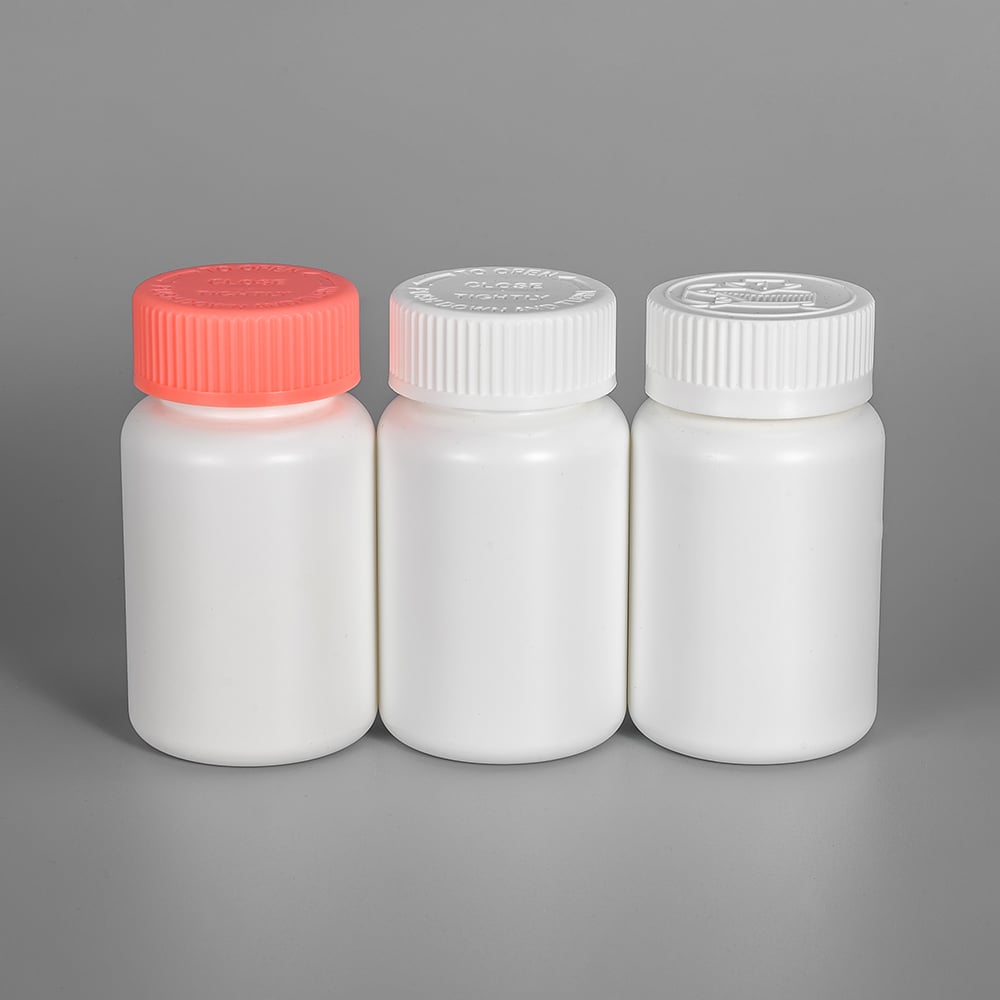
Plastic pill bottles represent essential pharmaceutical packaging solutions designed to store, protect, and dispense prescription medications, over-the-counter drugs, vitamins, and supplements safely. These specialized containers combine durability with functionality, serving as the primary interface between healthcare products and consumers. Manufacturing processes utilize pharmaceutical-grade plastics, predominantly high-density polyethylene and polypropylene, which meet stringent regulatory standards established by health authorities worldwide. The fundamental design incorporates cylindrical bodies with secure closure systems, ensuring medication integrity throughout distribution chains and consumer usage periods. Modern plastic pill bottles feature child-resistant caps that comply with safety regulations while remaining accessible to adult users, addressing critical safety concerns in households with children. Amber-colored variants provide light protection for photosensitive medications, extending shelf life and maintaining pharmaceutical efficacy. Transparent options allow visual inspection of contents, enabling users to monitor remaining quantities without opening containers. Labeling surfaces accommodate comprehensive medication information, dosage instructions, warnings, and regulatory compliance data. Moisture barriers integrated into bottle construction prevent humidity infiltration that could degrade medication quality. Various capacity options ranging from small containers holding thirty tablets to larger formats accommodating ninety-day supplies cater to different prescription requirements and treatment durations. The lightweight nature of plastic pill bottles reduces shipping costs and environmental impact compared to traditional glass alternatives while maintaining comparable protective properties. Pharmaceutical manufacturers, retail pharmacies, healthcare facilities, veterinary practices, and dietary supplement companies rely extensively on these containers for product distribution. Recyclability features align with sustainability initiatives as many plastic pill bottles utilize recyclable materials that support circular economy principles. Technological advancements continue enhancing tamper-evident seals, smart packaging capabilities, and material compositions that optimize barrier properties against oxygen, moisture, and contaminants. The versatility of plastic pill bottles extends beyond human pharmaceuticals into veterinary medications, laboratory reagents, and industrial chemical sampling applications where secure containment proves essential.

New Product Releases

Plastic pill bottles deliver numerous practical benefits that make them the preferred choice for medication storage across healthcare sectors. Durability stands as a primary advantage, as these containers withstand drops, impacts, and rough handling during shipping and daily use without shattering like glass alternatives, significantly reducing product loss and safety hazards. The lightweight construction decreases transportation costs substantially, enabling pharmaceutical companies and pharmacies to reduce logistics expenses while lowering carbon footprints associated with freight operations. Manufacturing efficiency allows producers to create plastic pill bottles at scale with consistent quality standards, ensuring reliable supply chains that meet growing pharmaceutical demands. Cost-effectiveness compared to glass or metal containers makes medications more affordable for consumers while maintaining protective qualities that preserve drug efficacy. Child-resistant closures provide critical safety features that prevent accidental ingestion by young children, addressing a major public health concern and reducing emergency room visits related to medication poisoning. Simultaneously, these closures remain manageable for adults, including elderly patients with limited dexterity, through push-and-turn or squeeze-and-turn mechanisms that balance security with accessibility. Moisture resistance properties protect sensitive medications from humidity exposure that causes degradation, clumping, or reduced potency, particularly important for regions with high ambient moisture levels. Chemical stability ensures plastic pill bottles do not react with most pharmaceutical compounds, maintaining medication purity throughout storage periods without leaching harmful substances. Customization options enable healthcare providers to select appropriate sizes matching prescription quantities, minimizing excess packaging waste while ensuring adequate capacity. Amber coloring filters harmful ultraviolet light that breaks down photosensitive compounds, extending medication shelf life and reducing waste from expired products. Wide-mouth designs facilitate easy tablet removal for patients with mobility challenges, improving medication adherence through user-friendly access. Tamper-evident features including breakaway bands and seal indicators provide visible confirmation that products remain unopened since manufacturing, building consumer confidence in medication authenticity and safety. Recyclability characteristics support environmental responsibility as many communities accept these containers in standard recycling programs, contributing to waste reduction goals. Labeling versatility accommodates detailed prescription information, usage instructions, warning labels, and branding elements in clear, readable formats that improve patient education and medication management. Temperature tolerance enables plastic pill bottles to withstand typical storage conditions without warping or structural compromise, maintaining protective integrity across various climate zones. The smooth interior surfaces prevent medication particles from adhering to container walls, ensuring patients receive full prescribed doses without residual loss. Compatibility with automated dispensing systems streamlines pharmacy operations, reducing filling times and labor costs while improving accuracy in prescription fulfillment processes.

Practical Tips

Our advantage

10

Mar

Our advantage

View More
TAIZHOU ZONG LV SHU PACKING CO., LTD

17

Mar

TAIZHOU ZONG LV SHU PACKING CO., LTD

View More

Get a Free Quote

Our representative will contact you soon.
Email
Mobile/WhatsApp
Name
Company Name
Message
0/1000

plastic pill bottles

Superior Protection Through Advanced Material Engineering

Superior Protection Through Advanced Material Engineering

Plastic pill bottles incorporate sophisticated material science that delivers exceptional protection for pharmaceutical contents against multiple environmental threats. The selection of high-density polyethylene and polypropylene as primary construction materials results from extensive research into polymer properties that optimize barrier performance. These materials create effective shields against moisture infiltration, which represents one of the most common causes of medication degradation in storage environments. The molecular structure of pharmaceutical-grade plastics forms tight barriers that prevent water vapor transmission, maintaining the dry conditions essential for tablet and capsule stability. This moisture protection becomes particularly valuable for hygroscopic medications that readily absorb atmospheric humidity, causing physical changes like clumping, dissolution, or chemical decomposition that compromise therapeutic effectiveness. Oxygen barrier properties similarly protect medications sensitive to oxidation reactions that reduce potency or create harmful degradation products. The plastic composition limits oxygen permeability to levels that extend shelf life significantly compared to unprotected storage, supporting longer distribution chains and reducing pharmaceutical waste from expired inventory. Light-blocking capabilities in amber-tinted plastic pill bottles provide critical protection for photosensitive compounds vulnerable to ultraviolet and visible light exposure. Medications containing ingredients prone to photodegradation maintain stability when shielded by these specialized containers, preserving therapeutic efficacy until consumption. The opacity levels are precisely calibrated to block damaging wavelengths while allowing sufficient transparency for content visibility when necessary. Physical protection against mechanical stress distinguishes plastic pill bottles from more fragile alternatives, as the material flexibility absorbs impacts that would shatter glass containers. This resilience proves essential during shipping, handling in pharmacy environments, and consumer use where accidental drops frequently occur. The structural integrity remains intact through temperature fluctuations encountered in supply chains, from refrigerated transport to warm delivery vehicles and variable home storage conditions. Chemical inertness ensures plastic pill bottles do not interact with medication compounds, preventing contamination or potency loss through container-content reactions. Rigorous testing confirms compatibility with diverse pharmaceutical formulations including tablets, capsules, liquids, and powders across various chemical compositions. This stability extends throughout typical storage durations, maintaining protective performance without material degradation that could compromise barrier properties. Manufacturing precision creates consistent wall thicknesses that optimize protection while minimizing material usage, balancing performance with sustainability considerations.
Enhanced Safety Features for Comprehensive Risk Prevention

Enhanced Safety Features for Comprehensive Risk Prevention

Safety considerations drive numerous design elements incorporated into plastic pill bottles, creating multi-layered protection systems that address diverse risk scenarios. Child-resistant closures represent the most recognized safety feature, utilizing mechanical designs that require specific manipulation sequences beyond the capabilities of young children while remaining accessible to adult users. These closures typically employ push-and-turn or squeeze-and-turn mechanisms that demand coordinated actions, fine motor skills, and force levels that children under five years cannot execute successfully. Compliance with regulatory standards including Consumer Product Safety Commission requirements and international equivalents ensures these closures achieve proven effectiveness in preventing pediatric access while accommodating adult needs including elderly populations with arthritis or reduced hand strength. The balance between security and usability reflects extensive ergonomic research and testing with diverse user populations to optimize design parameters. Tamper-evident features provide visible indicators when plastic pill bottles have been opened since original packaging, addressing consumer concerns about product integrity and authenticity. Breakaway bands around cap-to-bottle junctions separate upon first opening, creating clear evidence of prior access that helps identify potential tampering or unauthorized opening during distribution. Some designs incorporate shrink bands or sealed foil membranes beneath caps that must be removed before initial use, providing additional security layers that protect against contamination or product substitution. These features build consumer confidence in medication authenticity while supporting pharmacovigilance efforts to identify potential security breaches in supply chains. Clear labeling spaces on plastic pill bottles accommodate comprehensive safety information including medication names, dosage instructions, expiration dates, warning statements, and prescriber details. Adequate surface area allows legible text in appropriate font sizes that remain readable for patients with visual impairments, supporting medication adherence through accessible information presentation. Color-coding systems can differentiate medications within households managing multiple prescriptions, reducing confusion and preventing administration errors. Opaque designs prevent curious children from seeing colorful tablets that might appear candy-like, reducing attraction and access attempts. Secure closures maintain containment during storage and handling, preventing spillage that could lead to medication loss, household contamination, or accidental exposure. The tight sealing interfaces between caps and bottle threads create reliable closures that resist unintentional opening from drops or pressure changes while opening easily when proper technique is applied. Material selections avoid sharp edges or breakable components that could cause injuries, with smooth contours and rounded edges throughout the design enhancing safe handling.
Practical Versatility Across Healthcare Applications

Practical Versatility Across Healthcare Applications

The adaptability of plastic pill bottles serves diverse healthcare needs across pharmaceutical sectors, veterinary medicine, dietary supplements, and clinical settings. Size variety accommodates prescription requirements from short-term antibiotic courses requiring small containers to chronic condition management with ninety-day supplies in larger formats. This flexibility reduces packaging waste by matching container capacity to actual medication quantities, eliminating excess void space while ensuring adequate room for safe storage without crushing or damage. Pharmaceutical manufacturers benefit from standardized dimensions that integrate seamlessly with automated filling equipment, high-speed production lines, and quality control systems. These standardized formats streamline manufacturing operations while allowing sufficient customization for brand differentiation through labeling, coloring, and closure variations. Retail pharmacies utilize plastic pill bottles across prescription fulfillment workflows where rapid processing, accurate labeling, and secure packaging must occur efficiently. The containers accommodate various solid dosage forms including tablets, capsules, caplets, and softgels without requiring different packaging systems for each format. This universality simplifies inventory management and reduces stock-keeping complexity in busy pharmacy environments. Veterinary applications leverage plastic pill bottles for animal medications where similar protective requirements exist alongside unique considerations like larger tablet sizes or flavored formulations. Pet owners appreciate familiar packaging formats that include clear dosing instructions and safety features preventing animal or child access. Dietary supplement companies employ plastic pill bottles for vitamins, minerals, herbal products, and nutritional formulations where extended shelf life and protection from environmental factors preserve product quality. The containers support various marketing approaches from economy bulk packaging to premium presentation depending on brand positioning and target demographics. Clinical trial settings require secure medication packaging that maintains blinding protocols while ensuring participant safety and compliance monitoring. Plastic pill bottles meet these specialized needs through customizable labeling that conceals treatment assignments while tracking distribution and usage. Healthcare facilities including hospitals, nursing homes, and assisted living centers rely on plastic pill bottles for medication storage and distribution within institutional settings. The containers integrate with automated dispensing systems, unit-dose packaging workflows, and medication reconciliation processes that enhance patient safety. Laboratory environments utilize these containers for reagent storage, sample collection, and chemical handling where secure containment and clear labeling prove essential. The chemical resistance and secure closures make plastic pill bottles suitable for various non-pharmaceutical applications requiring reliable storage solutions. Environmental considerations drive increasing adoption of recyclable plastic pill bottles manufactured from materials accepted in municipal recycling programs, supporting healthcare sustainability initiatives without compromising packaging performance or safety standards.

Get a Free Quote

Our representative will contact you soon.
Email
Mobile/WhatsApp
Name
Company Name
Message
0/1000