Premium Tablet Bottles - Pharmaceutical Packaging Solutions for Medication Safety and Stability

All Categories

Get a Free Quote

Our representative will contact you soon.
Email
Mobile/WhatsApp
Name
Company Name
Message
0/1000

tablet bottles

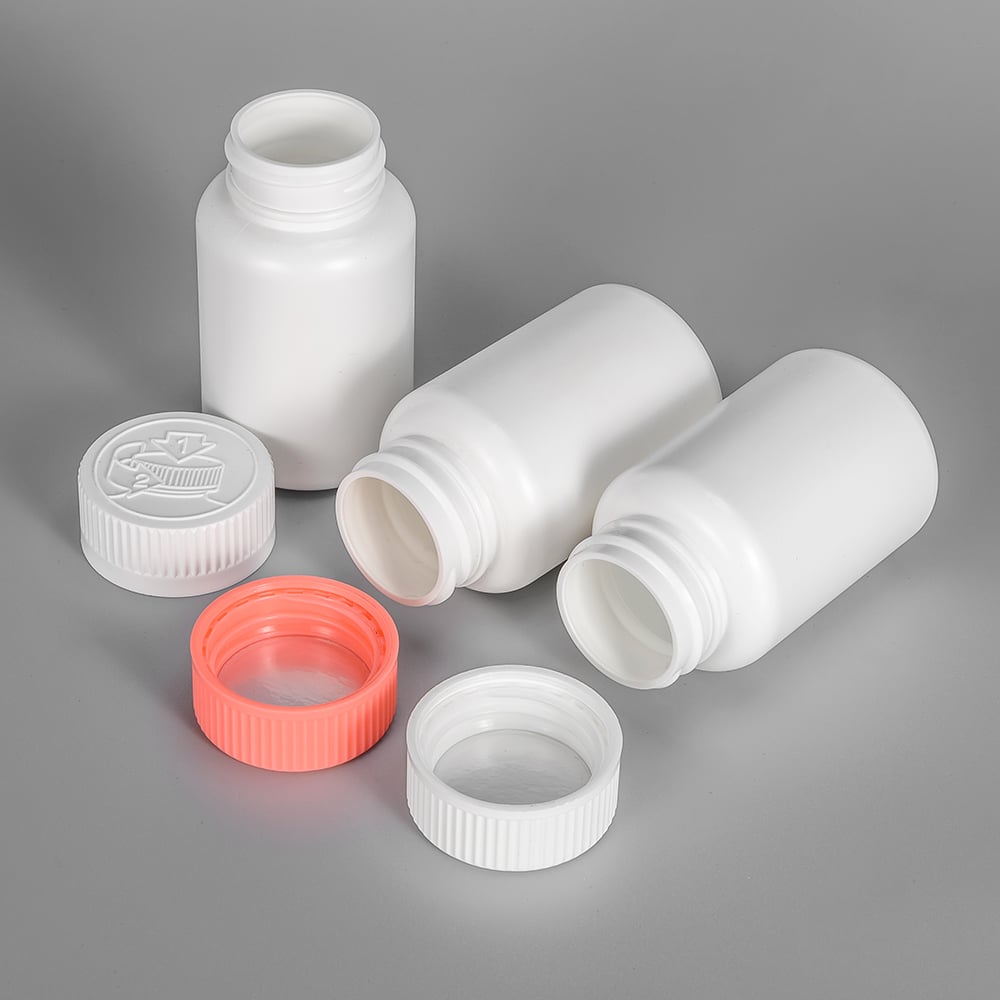
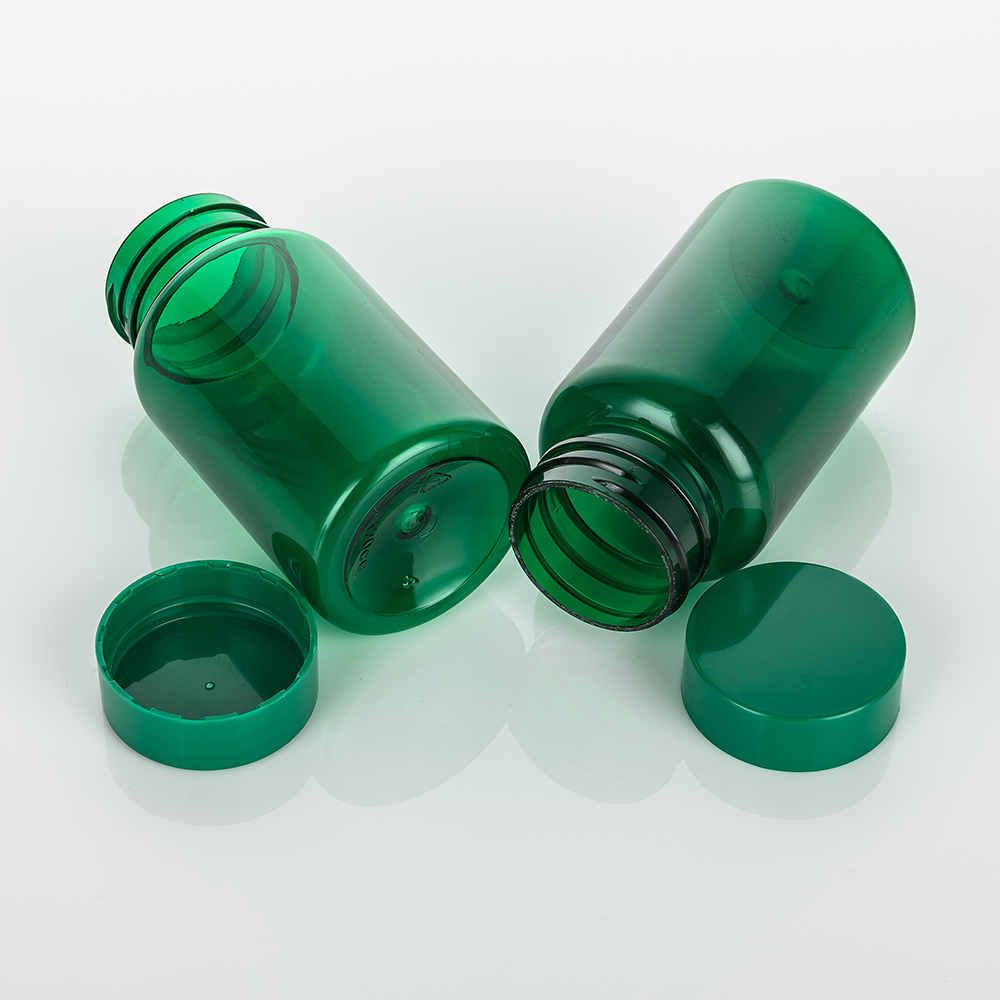
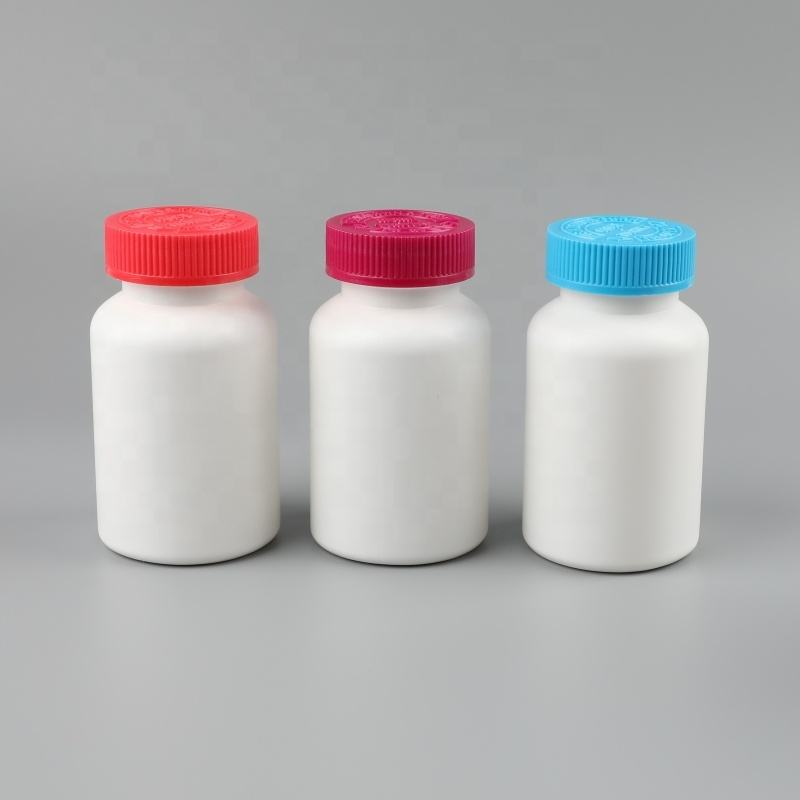
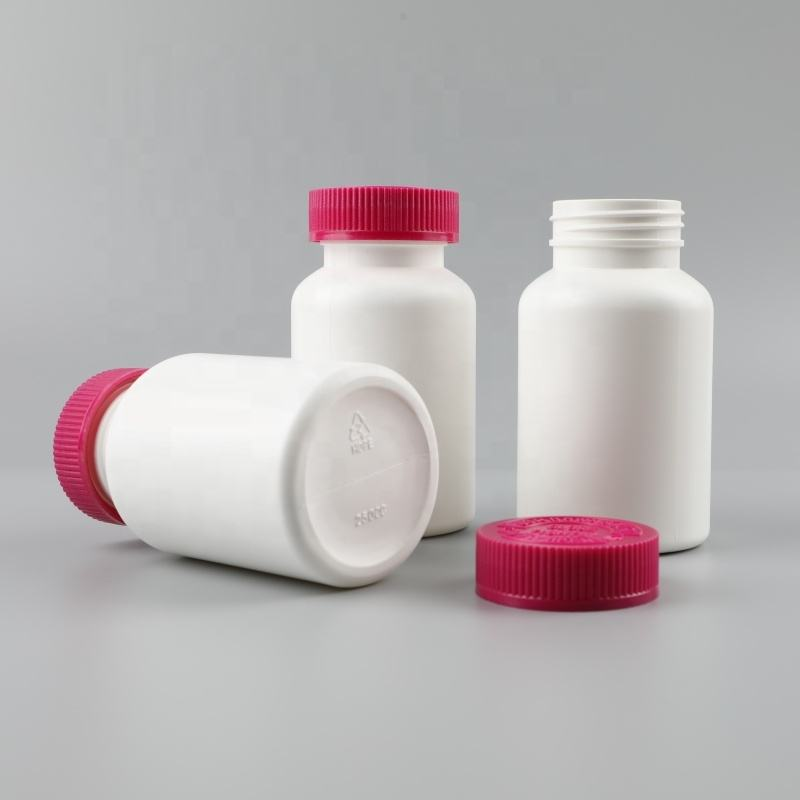
Tablet bottles represent essential pharmaceutical packaging solutions designed specifically to store, protect, and dispense solid oral dosage forms including tablets, capsules, and pills. These specialized containers serve as the critical interface between medication manufacturers and end consumers, ensuring product integrity from production facilities through distribution channels to patient homes. Modern tablet bottles incorporate advanced design elements that address multiple pharmaceutical requirements simultaneously, including moisture barrier protection, child-resistant safety mechanisms, tamper-evident sealing systems, and user-friendly dispensing features. The primary function of tablet bottles extends beyond simple containment, encompassing preservation of medication potency, prevention of contamination, compliance with regulatory standards, and facilitation of proper dosing practices. Manufacturing processes utilize pharmaceutical-grade materials such as high-density polyethylene, polypropylene, and PET plastics that meet stringent FDA and international quality specifications. These materials demonstrate excellent chemical resistance, preventing interactions between container surfaces and medication compounds that could compromise therapeutic effectiveness. Technological innovations in tablet bottles include integrated desiccant systems that actively absorb ambient moisture, UV-resistant formulations that shield light-sensitive medications from degradation, and ergonomic cap designs that balance accessibility for adult users with safety barriers against pediatric access. Application contexts span prescription medications, over-the-counter pharmaceuticals, dietary supplements, vitamins, and nutraceutical products across retail pharmacy environments, hospital dispensaries, mail-order prescription services, and direct-to-consumer channels. The structural integrity of tablet bottles ensures compatibility with automated filling equipment, high-speed production lines, and various labeling technologies while maintaining stackability for efficient warehousing and transportation. Contemporary tablet bottles also accommodate smart packaging technologies including RFID tags, QR codes, and NFC chips that enable inventory tracking, authentication verification, and patient engagement through connected healthcare platforms.

Popular Products

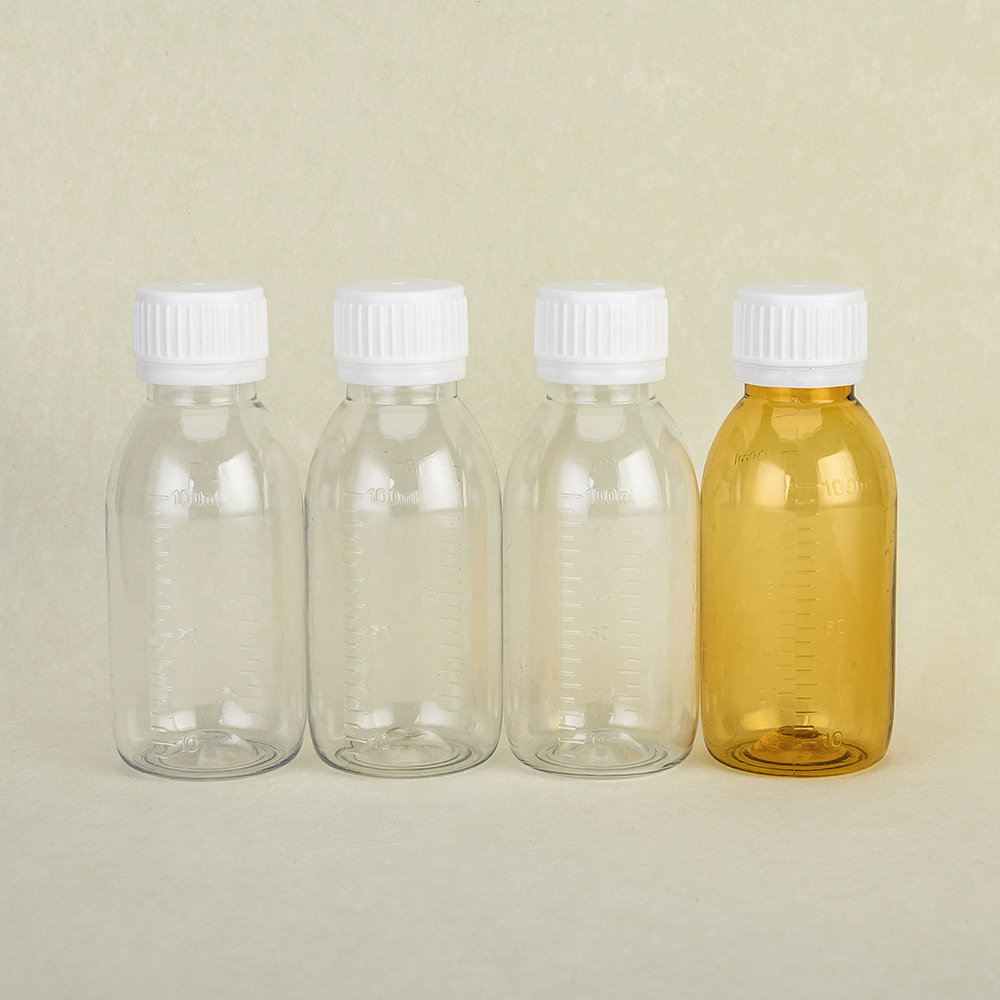
Tablet bottles deliver substantial practical benefits that directly impact medication safety, product longevity, and user convenience throughout the pharmaceutical supply chain. The moisture-resistant properties of quality tablet bottles prevent humidity penetration that would otherwise cause tablets to degrade, crumble, or lose potency before expiration dates, ensuring patients receive full therapeutic value from their medications. This protection translates into reduced waste, fewer replacement prescriptions, and better health outcomes for individuals relying on consistent medication effectiveness. Child-resistant closures incorporated into tablet bottles provide critical safety advantages by significantly reducing accidental pediatric ingestion incidents, offering parents and caregivers peace of mind while maintaining compliance with consumer safety regulations that protect vulnerable populations. These safety mechanisms employ push-and-turn or squeeze-and-turn designs that challenge young children while remaining accessible to most adults, including elderly patients who may experience reduced dexterity. Tamper-evident features built into tablet bottles create visible indicators of unauthorized access, allowing consumers to verify product integrity at the point of purchase and throughout use, thereby enhancing confidence in medication authenticity and reducing risks associated with contaminated or counterfeit pharmaceuticals. The lightweight construction of modern tablet bottles reduces shipping costs and environmental impact compared to glass alternatives, delivering economic advantages to manufacturers, distributors, and ultimately consumers through lower retail prices. Transparent or translucent bottle designs enable visual inspection of remaining tablet quantities, helping patients monitor supply levels and request refills proactively, preventing treatment interruptions that could compromise therapeutic regimens. Wide-mouth openings in tablet bottles facilitate easy dispensing, particularly benefiting individuals with limited hand mobility, arthritis, or visual impairments who struggle with narrow-neck containers. The chemical inertness of pharmaceutical-grade plastics used in tablet bottles ensures zero interaction with medication compounds, preserving chemical stability and preventing leaching of container materials into products. Customization options for tablet bottles allow pharmaceutical companies to implement distinctive branding elements, color-coding systems for medication differentiation, and integrated labeling surfaces that accommodate comprehensive dosing instructions, warning information, and regulatory disclosures. Recyclability of common tablet bottle materials supports sustainability initiatives, enabling environmentally conscious disposal practices and circular economy participation that resonates with increasingly eco-aware consumer preferences.

Tips And Tricks

Our advantage

10

Mar

Our advantage

View More
TAIZHOU ZONG LV SHU PACKING CO., LTD

17

Mar

TAIZHOU ZONG LV SHU PACKING CO., LTD

View More

Get a Free Quote

Our representative will contact you soon.
Email
Mobile/WhatsApp
Name
Company Name
Message
0/1000

tablet bottles

Advanced Moisture Barrier Technology for Extended Medication Stability

Advanced Moisture Barrier Technology for Extended Medication Stability

The sophisticated moisture barrier technology integrated into modern tablet bottles represents a fundamental advancement in pharmaceutical packaging that directly addresses one of the most critical challenges in medication preservation. Moisture exposure constitutes the primary environmental factor causing tablet degradation, as hygroscopic pharmaceutical compounds readily absorb atmospheric water vapor, triggering chemical decomposition reactions, physical disintegration, and loss of therapeutic potency. Quality tablet bottles combat this threat through multiple technological approaches that create comprehensive protection systems. The molecular structure of high-density polyethylene and specialized polymer blends used in premium tablet bottles exhibits inherently low water vapor transmission rates, forming the first defensive layer against moisture infiltration. Manufacturing processes employ wall thickness optimization and multi-layer extrusion techniques that further enhance barrier performance without compromising structural integrity or increasing production costs prohibitively. Many advanced tablet bottles incorporate integrated desiccant systems featuring silica gel canisters or molecular sieve materials embedded within cap assemblies, actively removing residual moisture from the container headspace throughout the product lifecycle. These desiccant elements prove particularly crucial for hygroscopic medications including certain antibiotics, cardiovascular drugs, and effervescent formulations that demonstrate extreme sensitivity to humidity exposure. The sealing interface between bottle rims and closure systems receives specialized engineering attention, with precision-molded threads, compression gaskets, and induction-sealed liners creating hermetic seals that eliminate moisture ingress pathways. Testing protocols verify moisture barrier effectiveness through accelerated stability studies conducted under controlled temperature and humidity conditions, ensuring tablet bottles maintain protective performance across diverse storage environments from climate-controlled pharmacies to residential medicine cabinets in humid coastal regions. This moisture protection delivers measurable value to patients through extended medication shelf life, reduced product waste, and consistent therapeutic effectiveness, while offering pharmaceutical manufacturers decreased return rates, enhanced brand reputation, and improved regulatory compliance with stability requirements mandated by health authorities worldwide.
Comprehensive Safety Features Protecting Children and Ensuring Product Integrity

Comprehensive Safety Features Protecting Children and Ensuring Product Integrity

Safety considerations embedded throughout tablet bottle design reflect pharmaceutical industry commitment to preventing accidental poisonings and maintaining medication authenticity through multiple protective mechanisms. Child-resistant packaging requirements established by regulatory agencies worldwide mandate that tablet bottles incorporate closure systems that significantly impede access by children under five years of age while remaining openable by adults, including elderly individuals who may experience reduced physical capabilities. Engineering solutions achieving this delicate balance include push-down-and-turn caps requiring simultaneous downward pressure and rotational motion, squeeze-sided mechanisms demanding lateral compression force application, and alignment-dependent closures necessitating specific positioning before opening becomes possible. Rigorous testing protocols subject tablet bottles to standardized child-resistance evaluations where panels of young children attempt container access under supervised conditions, with passing products demonstrating that at least eighty-five percent of test subjects cannot open containers within specified time periods. Complementary senior-friendly testing ensures that ninety percent of adults aged fifty to seventy can successfully open and reclose containers, validating accessibility for intended users. Beyond child resistance, tablet bottles incorporate tamper-evident features providing visual confirmation of product integrity, including heat-shrink bands encircling cap-bottle junctions that tear upon initial opening, breakaway bridges connecting caps to neck finishes that fracture with first use, and foil induction seals spanning bottle openings that require penetration before accessing contents. These tamper indicators serve dual purposes of deterring malicious product tampering and alerting consumers to potential compromise, addressing safety concerns heightened by historical incidents of pharmaceutical contamination. Quality tablet bottles also prevent contamination through design elements including smooth interior surfaces resisting bacterial adhesion, continuous one-piece construction eliminating crevices where contaminants could accumulate, and compatibility with terminal sterilization processes including gamma irradiation and ethylene oxide treatment. The collective safety infrastructure built into tablet bottles represents substantial investment in public health protection, reducing emergency room visits for accidental pediatric ingestions, preventing distribution of compromised medications, and building consumer trust in pharmaceutical products essential for medication adherence and positive health outcomes.
Ergonomic Design Optimizing User Experience and Medication Adherence

Ergonomic Design Optimizing User Experience and Medication Adherence

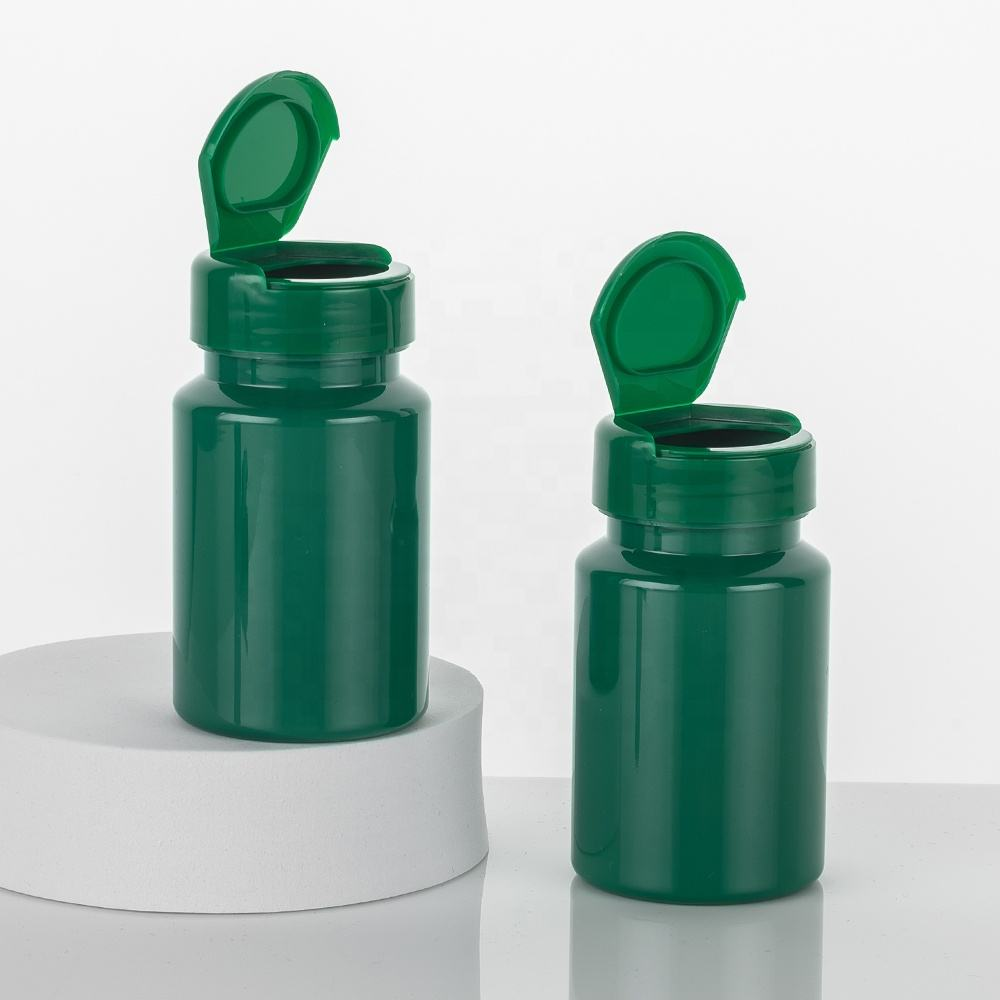
The ergonomic considerations influencing tablet bottle design profoundly impact patient experience, medication adherence rates, and overall treatment success by addressing practical challenges users encounter during daily medication management routines. User-centered design principles guide dimensional specifications, with bottle diameters optimized for comfortable single-handed gripping across diverse hand sizes, heights proportioned for stable countertop placement while minimizing cabinet space consumption, and neck finishes dimensioned to facilitate controlled tablet dispensing without excessive shaking or multiple tablets simultaneously exiting containers. Texture applications on bottle exteriors enhance grip security, particularly benefiting individuals with compromised dexterity due to arthritis, neurological conditions, or age-related strength reduction, while raised tactile indicators on caps assist visually impaired users in distinguishing medications and confirming proper closure. Wide-mouth openings featured in contemporary tablet bottles dramatically improve accessibility compared to narrow-neck predecessors, enabling users to retrieve tablets without finger insertion into containers, reducing contamination risks while accommodating individuals with larger hands or limited fine motor control. Transparent bottle materials facilitate visual inventory monitoring, allowing patients to assess remaining quantities at a glance and establish refill timing without opening containers unnecessarily, supporting proactive prescription management that prevents treatment interruptions harmful to chronic disease control. Label panels integrated into tablet bottle designs provide generous surface areas accommodating comprehensive medication information including drug names, dosing instructions, warning statements, expiration dates, and prescriber details in legible font sizes accessible to elderly populations experiencing vision decline. Some innovative tablet bottles incorporate dispensing aids such as integrated counting features, flip-top caps maintaining single-handed operation convenience, or snap-hinge closures balancing security with ease of access for users requiring multiple daily doses. The cumulative effect of these ergonomic refinements extends beyond mere convenience, directly influencing medication adherence, the degree to which patients follow prescribed treatment regimens. Research demonstrates that packaging usability significantly affects adherence rates, with frustrating or difficult-to-use containers contributing to treatment abandonment, particularly among elderly patients managing multiple medications simultaneously. By removing physical barriers to medication access and simplifying daily dosing routines, well-designed tablet bottles support consistent medication taking behaviors essential for chronic disease management, ultimately improving health outcomes, reducing hospitalizations, and decreasing overall healthcare system costs associated with non-adherence complications.

Get a Free Quote

Our representative will contact you soon.
Email
Mobile/WhatsApp
Name
Company Name
Message
0/1000